
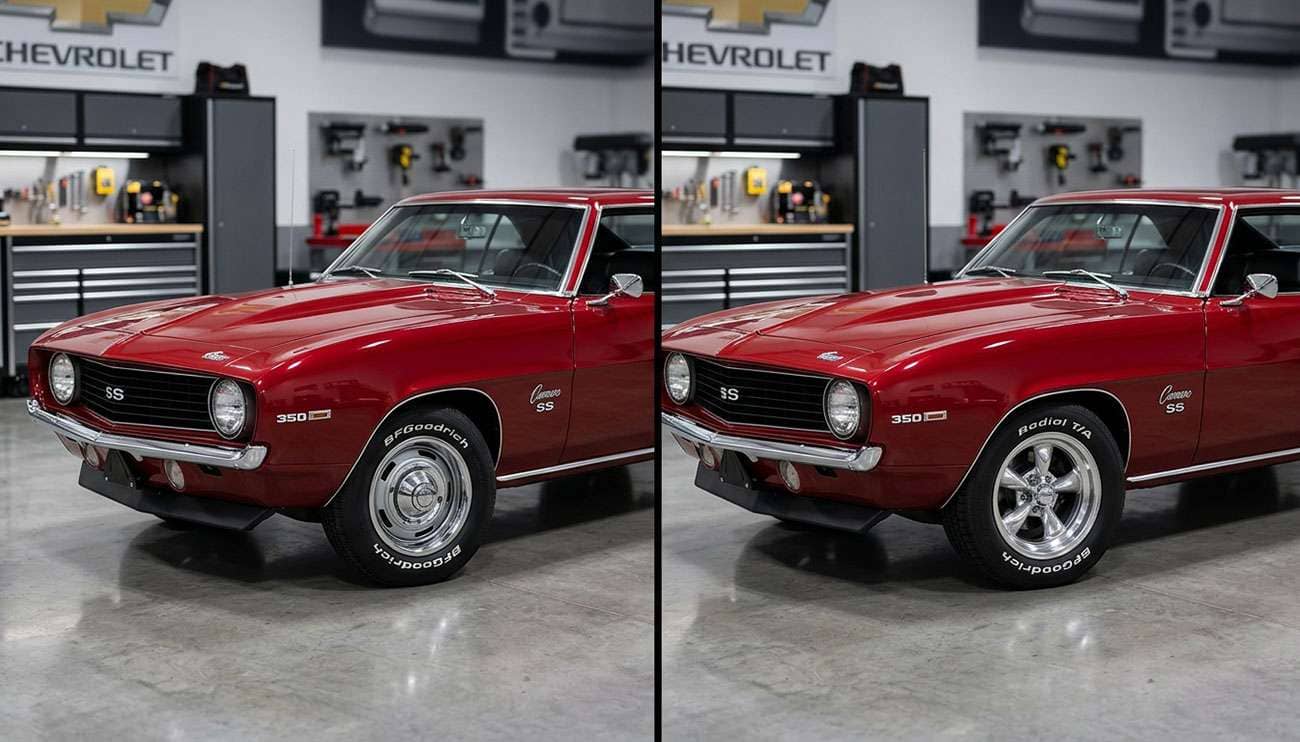
Your choice between steel and aluminum wheels will shape your classic car's personality, performance, and authenticity. This isn't just about looks—you're making a decision that affects unsprung weight, brake cooling, handling response, maintenance requirements, and whether your restoration wins trophies or gets driven hard on weekends.
Steel wheels ruled American roads from the 1930s through the 1970s. They were tough, cheap, and could take the punishment of rougher roads. Aluminum wheels existed on exotic sports cars and luxury machines in the 1960s, but didn't go mainstream until the 1980s. Now you're facing the classic car owner's dilemma: stick with period-correct steel or upgrade to aluminum for real performance gains. We'll break down the technical differences, show you the numbers that matter, and help you make the right call for your project.
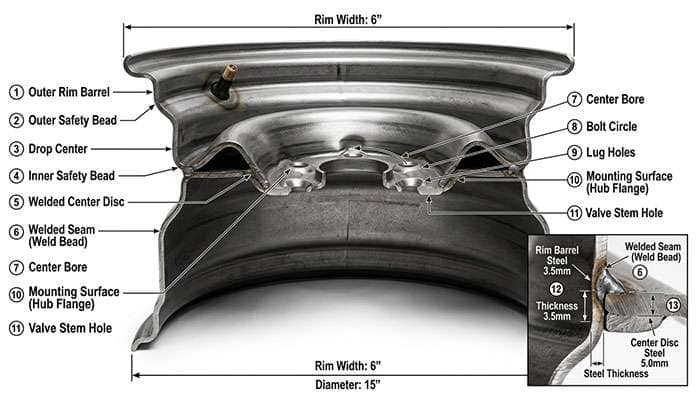
Steel and aluminum wheels are built differently from the ground up. Steel wheels use pressed and welded components—heavier, nearly indestructible. Aluminum wheels—whether cast, forged, or flow-formed—leverage lighter aluminum alloys that cut weight while offering design flexibility you can't get with steel. For your classic car, these material differences create real-world trade-offs that affect authenticity, performance, and how much time you'll spend maintaining them.
Weight is where these two materials part ways dramatically. A typical 15-inch steel wheel for your classic weighs 20-25 pounds. The aluminum equivalent? 15-18 pounds. That's 5-7 pounds per corner—multiply by four and you've dropped 20-28 pounds of unsprung weight from your car. Unsprung weight is the mass your suspension doesn't support, and it directly controls how your car rides, handles, and accelerates. Less unsprung weight means your suspension responds faster to bumps and your entire vehicle feels more agile.
Strength-to-weight ratio tells a more complex story. Steel delivers 36,000-80,000 PSI tensile strength depending on grade, while aluminum alloys hit 45,000-75,000 PSI. But here's what matters: steel bends before it breaks. Aluminum cracks under extreme impact. For weekend cruising on modern pavement, either material handles the job easily. For rough roads with severe potholes, steel's ability to bend and be straightened keeps you rolling.
Thermal conductivity is where aluminum wheels dominate without question. Aluminum conducts heat 3-4 times better than steel, which means your brakes stay cooler. This matters especially on classic cars with drum brakes or marginal brake systems. Better heat dissipation means less brake fade when you're hustling down a mountain road or making repeated hard stops. Steel wheels trap heat inside your brake components like insulation.
Too many classic car owners pick wheels based purely on appearance without checking offset and backspacing. Your classic was engineered for specific wheel dimensions. Install wheels with wrong offset and you'll get tire rubbing, suspension interference, or dangerous handling changes. Always verify your chosen wheels match original specifications for offset (measured in millimeters) and backspacing (measured in inches from mounting surface to inner edge).
Another mistake: assuming all aluminum wheels deliver the same quality. Cast aluminum wheels—the most common and affordable type—vary wildly between manufacturers. Low-quality castings suffer from porosity, inconsistent thickness, or inadequate strength testing. For classic car applications, you want wheels from reputable manufacturers meeting SAE J2530 standards with proper impact and fatigue testing documentation.
Many enthusiasts also ignore wheel finish selection based on their climate. Chrome-plated steel wheels look spectacular but demand constant maintenance in humid or salty environments. Polished aluminum develops oxidation requiring regular polishing sessions. Powder-coated finishes on either material offer superior durability but might not match your restoration's period-correct requirements. Think about your local weather and your willingness to maintain these wheels before buying.
When you're comparing wheels, you'll encounter several measurements that matter. Diameter (typically 14-17 inches for most classics) and width (usually 5-8 inches) determine your tire choices. But offset is the critical measurement for proper installation. Offset measures the distance between the wheel's mounting surface and its centerline. Positive offset pushes the mounting surface toward the face (street side), while negative offset moves it toward the vehicle. Most classic American cars used minimal offset (0 to +10mm), while European classics often required different specifications.
Specification |
Steel Wheels |
Aluminum Wheels |
|---|---|---|
Weight (15" wheel) |
20-25 lbs |
15-18 lbs |
Tensile Strength |
36,000-80,000 PSI |
45,000-75,000 PSI |
Thermal Conductivity |
15-25 W/(m·K) |
120-180 W/(m·K) |
Typical Cost (each) |
$40-$80 |
$100-$300+ |
Repairability |
Bendable/Weldable |
Limited (cracks) |
Corrosion Resistance |
Requires coating |
Natural oxide layer |
Load rating becomes critical for larger classics and trucks. Wheels carry maximum weight capacity ratings expressed in pounds per wheel. A 1970s full-size sedan weighing 4,500 pounds needs wheels rated for at least 1,200 pounds each (providing safety margin). Steel wheels generally deliver higher load ratings in equivalent sizes versus cast aluminum, though forged aluminum wheels can match or exceed steel's capacity.
Choosing between steel and aluminum requires evaluating your specific classic, how you actually use it, and what you're trying to achieve with your restoration. The "right" choice balances authenticity, performance, budget, and maintenance realities. Some owners prioritize period-correct appearance above everything else. Others view their classics as drivers that benefit from modern wheel technology. Understanding your priorities narrows this decision fast.
For concours-level restorations targeting maximum authenticity, steel wheels are often your only acceptable choice. Most American classics from the 1950s through early 1970s rolled off assembly lines with steel wheels—either painted or wearing hubcaps and trim rings. Installing aluminum wheels on a numbers-matching restoration tanks your judging scores and collector value. Restoring a 1967 Chevrolet Camaro for show competition? Original-style steel wheels with period-correct hubcaps or dog dish caps maintain authenticity judges demand.
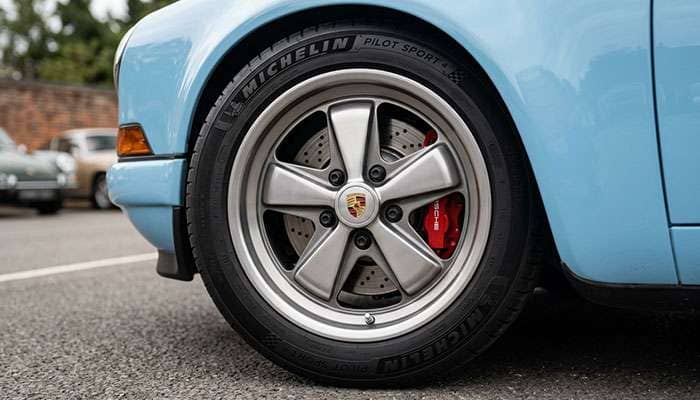
Performance-oriented classics benefit substantially from aluminum wheels' weight reduction. Vehicles used for autocross, vintage racing, or spirited weekend drives see measurable improvements in handling, acceleration, and braking with lighter wheels. A classic Porsche 911, Datsun 240Z, or Alfa Romeo Spider—cars designed with sporting intent—often wore factory aluminum or optional alloy packages. Modern reproduction aluminum wheels maintain period appearance while offering contemporary manufacturing quality and lighter weight.
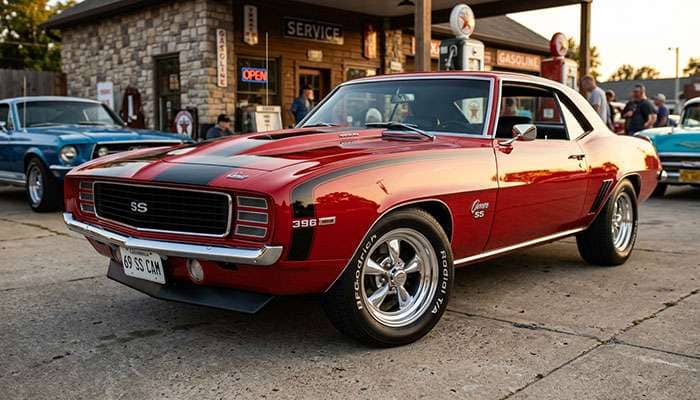
Larger, heavier classics like full-size sedans, station wagons, and pickup trucks particularly benefit from steel wheels' durability and load capacity. A 1972 Chevrolet Suburban or 1968 Chrysler Imperial sees less performance benefit from weight reduction compared to a lightweight sports car. Steel wheels' ability to handle heavier loads and rough treatment makes practical sense. Many truck and SUV classics look appropriate with modern steel wheels in larger sizes that accommodate contemporary tire options.
Weekend cruisers driven gently on well-maintained roads have different needs than daily drivers facing varied conditions. If you use your classic primarily for car shows, cruise nights, and occasional sunny-day drives, either steel or aluminum wheels serve you well. Your decision becomes more aesthetic than functional. Chrome steel wheels with wide whitewalls create a distinctly different appearance than polished aluminum slots or modern multi-spoke designs.
Aggressive drivers who enjoy exploring their classic's performance envelope should strongly consider aluminum wheels. Reduced unsprung weight improves suspension compliance, delivering better tire contact during cornering. Improved brake cooling maintains consistent pedal feel during repeated hard stops. If you regularly attack mountain roads, participate in spirited driving tours, or attend track days, aluminum wheels deliver measurable performance advantages you'll feel.
Year-round drivers in harsh climates face unique challenges. Road salt, moisture, and freeze-thaw cycles accelerate corrosion on both materials but affect them differently. Steel wheels require coating protection—paint, powder coating, or chrome plating—all of which road salt damages. Aluminum wheels develop surface oxidation that looks ugly but typically doesn't compromise structural integrity. However, aluminum suffers from galvanic corrosion when contacted by dissimilar metals in salt environments. Use anti-seize compound on lug nuts and wash regularly to protect either material.
Steel wheels represent the most economical choice for classic car owners on tight budgets. A set of four quality steel wheels typically costs $160-$320, while comparable aluminum wheels range from $400-$1,200 or more. For restoration projects where budget constraints bite hard, steel wheels let you allocate more funds toward mechanical systems, body work, or paint. Many classic car owners start with steel wheels and upgrade to aluminum later as budget permits.
Total cost of ownership extends beyond initial purchase price, though. Aluminum wheels require less maintenance in most cases—no rust to fight, easier cleaning, and durable finishes lasting longer than chrome plating. Steel wheels may need refinishing every 5-10 years depending on climate and storage conditions, while quality aluminum wheels last decades with basic care. Factor in long-term maintenance costs when comparing materials.
Performance improvements from aluminum wheels deliver diminishing returns based on vehicle weight and power. Shaving 25 pounds of unsprung weight on a 2,800-pound classic sports car with limited horsepower produces noticeable improvements in acceleration, handling, and ride quality. The same weight reduction on a 4,500-pound luxury sedan with a powerful V8 creates less dramatic differences. Match your wheel investment to realistic performance expectations for your specific vehicle.
The classic wheel market offers extensive options across both steel and aluminum construction. Whether you prioritize authenticity, performance, or value, understanding the leading choices in each category helps narrow your selection. These recommendations represent proven options balancing quality, fitment, and appropriate styling for classic car applications.
For classic car owners who actually drive their vehicles regularly, durability and maintenance ease take priority over absolute authenticity. Modern reproduction aluminum wheels from American Racing Torq Thrust style wheels offer the perfect balance. These iconic five-spoke designs appeared on muscle cars and hot rods from the 1960s onward, providing period-appropriate appearance while utilizing modern aluminum alloys and manufacturing processes. The classic Torq Thrust design fits most American classics from 1955-1985 and comes in sizes from 15x4 to 17x9.5 inches.
Another excellent daily driver option comes from Vision with their Vision Legend 5 wheels. These five-spoke designs offer modern construction quality with classic styling appropriate for 1960s-1980s American cars. The gunmetal finish with machined lip provides distinctive appearance while hiding brake dust better than polished aluminum. Available in 15-18 inch diameters with various widths, Legend 5 wheels accommodate modern tire selections while maintaining vintage aesthetics.
For owners seeking absolute reliability and easy maintenance, powder-coated steel wheels represent the most practical choice. Modern powder coating technology provides superior corrosion resistance compared to traditional paint, lasting 10-15 years even in harsh climates. Steel wheels in classic styles—smoothies, steelies with trim rings, or rally wheels—can be powder coated in any color to match your vehicle's theme. This approach delivers authenticity, durability, and low cost with minimal ongoing maintenance.
Performance-focused classic car enthusiasts should prioritize lightweight forged or flow-formed aluminum wheels. While more expensive than cast aluminum, forged wheels offer the best strength-to-weight ratio available. A forged 15-inch wheel can weigh as little as 12-14 pounds while meeting or exceeding the load ratings of 25-pound steel wheels. This weight reduction dramatically improves suspension response and reduces rotational inertia for quicker acceleration.
For vintage racing applications or track day use, period-correct magnesium wheels represent the ultimate choice—though they require significant maintenance and careful handling. More practical for most performance drivers are modern reproductions of classic racing wheels in lightweight aluminum construction. Designs inspired by Halibrand, Minilite, or Fuchs wheels maintain vintage appearance while offering contemporary strength and lighter weight than original castings.
Consider wheel width carefully for performance applications. Wider wheels allow fitting wider tires for increased grip, but excessive width causes clearance issues with fenders or suspension components. Most classic muscle cars and sports cars handle 15x7 or 15x8 wheels without modification, while some applications accept 17x8 or 17x9 wheels with appropriate offset. Always verify clearance before purchasing wider wheels for performance use.
Budget-conscious classic car owners can find excellent value in plain steel wheels with appropriate hubcaps or trim rings. Modern reproduction steel wheels in 14-inch, 15-inch, and 16-inch diameters cost $40-$60 each from reputable manufacturers. These wheels accept original-style hubcaps, poverty caps, or trim rings to achieve period-correct appearance. Painting steel wheels with high-quality wheel paint or powder coating adds minimal cost while ensuring long-term durability.
Entry-level cast aluminum wheels from established manufacturers offer the most affordable path to aluminum ownership. Brands like Vision, Pacer, and Cragar produce cast aluminum wheels in classic styles starting around $90-$120 each. While heavier than forged options, these cast wheels still reduce weight compared to steel and provide decent durability for street use. Verify that budget aluminum wheels meet SAE standards and carry appropriate load ratings for your vehicle.
The used market provides another budget-friendly option, particularly for steel wheels. Original equipment steel wheels from salvage yards or online marketplaces often cost $20-$40 each. These wheels may need refinishing, but starting with OEM wheels ensures correct bolt pattern, offset, and center bore dimensions. Have used wheels professionally inspected for cracks, bends, or damage before installation. Used aluminum wheels carry more risk—hidden cracks or previous repairs can compromise structural integrity.
Your choice between steel and aluminum wheels for your classic car ultimately depends on your specific goals, budget, and how you actually use your vehicle. Steel wheels deliver authenticity, durability, lower cost, and the ability to be repaired when damaged—making them ideal for concours restorations, budget builds, and vehicles that see rough conditions. Aluminum wheels provide weight reduction, improved brake cooling, corrosion resistance, and performance benefits that matter most for driving enthusiasts and performance-oriented applications.
Neither option is universally "better"—the right choice aligns with your priorities. A numbers-matching show car demands period-correct steel wheels. A vintage racer benefits tremendously from lightweight aluminum. Many classic car owners find themselves owning multiple sets of wheels—steel with hubcaps for shows, aluminum for driving events, or separate wheels for different seasons. This approach lets you optimize for different situations without compromise.
When you're ready to purchase wheels for your classic car, Performance Plus Tire offers an extensive selection of both classic wheels in steel and aluminum construction. Our team can help you determine the correct specifications for your vehicle and select wheels that match your restoration goals and driving style.
Here are the essential points to remember when choosing between steel and aluminum wheels for classic cars:
• Weight difference matters most for performance: Aluminum wheels typically weigh 5-7 pounds less per wheel than steel equivalents, reducing unsprung weight by 20-28 pounds total. This improvement enhances handling, acceleration, and ride quality, with greater benefits on lighter vehicles.
• Steel wheels offer superior repairability and load capacity: Steel bends before breaking and can often be straightened when damaged. Steel wheels also handle higher loads in equivalent sizes compared to cast aluminum, making them ideal for heavier classic cars and trucks.
• Aluminum provides better brake cooling: Aluminum's thermal conductivity is 3-4 times higher than steel, helping dissipate brake heat more effectively. This advantage reduces brake fade during spirited driving or mountain descents, particularly important for classics with marginal brake systems.
• Authenticity requirements vary by vehicle and restoration goals: Concours restorations typically require period-correct steel wheels, while driver-quality classics can benefit from modern aluminum wheels. Consider how judges or potential buyers will view wheel choice if authenticity matters to you.
• Total cost includes initial price plus long-term maintenance: Steel wheels cost less initially ($40-$80 each) but may require refinishing every 5-10 years. Aluminum wheels ($100-$300+ each) offer lower maintenance but higher upfront investment. Budget for the entire ownership period when comparing options.
The answer depends on how you define "stronger." Steel wheels are more ductile—they bend before breaking and can often be repaired after impact damage. Aluminum wheels, particularly cast aluminum, can crack under severe impact but won't bend permanently. Forged aluminum wheels offer excellent strength-to-weight ratios that match or exceed steel. For typical classic car use on modern roads, both materials provide adequate strength when properly manufactured and maintained. Steel's advantage lies in repairability, while aluminum's advantage comes from achieving similar strength at lower weight.
Yes, aluminum wheels provide measurable performance improvements through reduced unsprung weight. Reducing 20-28 pounds of unsprung weight (5-7 pounds per wheel) allows your suspension to respond more quickly to road irregularities, improves handling precision, and reduces rotational inertia for quicker acceleration. The performance benefit is most noticeable on lighter classic sports cars and least dramatic on heavy luxury sedans. Aluminum wheels also dissipate brake heat more effectively, reducing brake fade during aggressive driving. For show cars driven gently, the performance difference is minimal, but driving enthusiasts will notice improved dynamics.
The impact on value depends entirely on your vehicle's originality level and target market. For numbers-matching, concours-level restorations judged for authenticity, non-original aluminum wheels will reduce scores and potentially decrease value. However, for driver-quality classics or modified vehicles, period-appropriate aluminum wheels often increase appeal to buyers who value usability over absolute originality. Many classic car owners maintain both wheel sets—original steel wheels for shows and aluminum wheels for driving. This approach preserves originality while allowing you to enjoy performance benefits. If your vehicle originally came with aluminum wheels as a factory option, installing correct reproductions maintains authenticity.
Proper wheel fitment requires matching four critical specifications: bolt pattern, center bore, offset, and diameter/width. Bolt pattern (like 5x4.75 or 5x114.3mm) must match your vehicle's hub exactly. Center bore should match or be larger than your hub diameter (hub-centric rings adapt oversized bores). Offset determines how far inboard or outboard the wheel sits—incorrect offset causes tire rubbing or suspension interference. Measure your current wheels or consult factory specifications. Most wheel manufacturers provide fitment guides for popular classic cars. When in doubt, consult with Performance Plus Tire's specialists who can verify correct specifications for your specific year, make, and model before ordering.
Minor cosmetic damage to aluminum wheels—curb rash, scratches, or oxidation—can often be repaired through professional refinishing. However, structural damage like cracks or significant bends typically cannot be safely repaired. Aluminum's material properties make it prone to cracking when bent, and welding aluminum wheels rarely restores original strength. Some specialty shops offer crack repair for aluminum wheels, but safety concerns make replacement the better option for structural damage. Steel wheels, by contrast, can usually be straightened when bent and welded when cracked. Always have damaged wheels professionally inspected before repair attempts. For classic cars, the cost of professional aluminum wheel repair often approaches replacement cost for cast wheels, though rare or expensive forged wheels justify repair investment.



