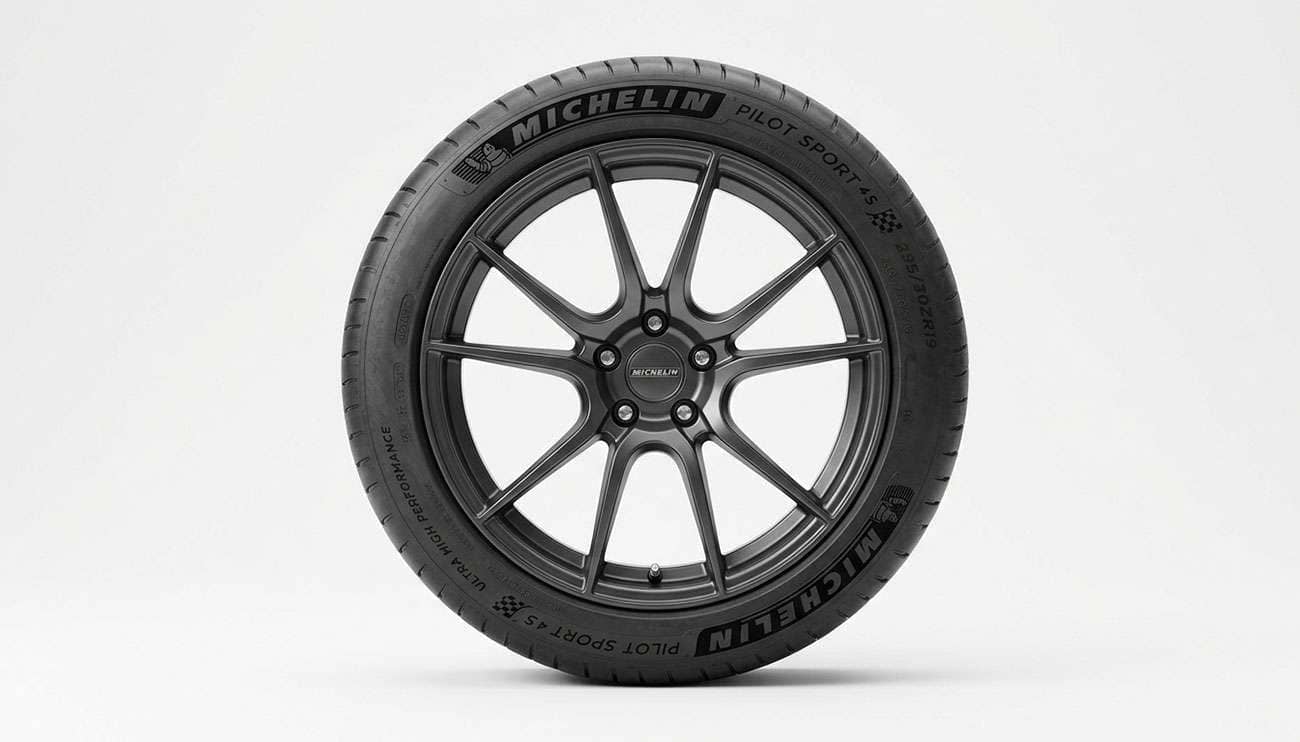
People assume the first number in a tire size is the width of rubber that touches the road. It isn't. The 245 in 245/40R18 is the section width—the widest point of the inflated tire, measured sidewall to sidewall—and the tread that actually contacts the pavement is always narrower than that. The two figures are related but not interchangeable, and confusing them leads to bad assumptions about grip and clearance. Here's exactly what each one measures and which one you should care about for a given decision.
Section width is the distance across the widest part of the tire, sidewall bulge to sidewall bulge, when the tire is inflated and unloaded. Tread width—often called the contact patch width—is the width of the tread band that meets the road. Section width is the number on your sidewall; tread width is smaller and isn't part of the size code at all. If you remember nothing else: the size tells you how wide the tire is at its belly, not how wide it grips.
Section width is a standardized measurement. The tire is mounted on its designated measuring rim, inflated to a reference pressure, left unloaded, and measured across the widest point of the outer sidewalls—not the tread, and not including any raised lettering or decorative ribs. That widest point sits roughly mid-sidewall, where the casing bulges out the most. Because it's standardized on a specific rim, the published section width is the apples-to-apples figure manufacturers use to size and compare tires. It's the same number you decode out of the size string, which our guide on how-to-read-tire-size walks through, and it's why the middle number—the aspect ratio—matters so much, as we cover in tire-aspect-ratio-decoded.
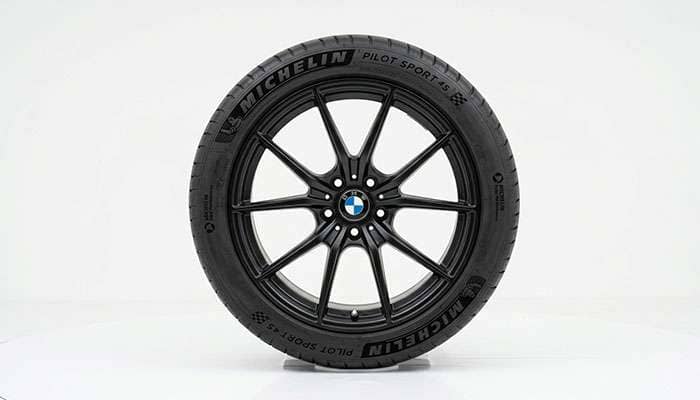
Tread width is the width of the actual tread—the band of grooved rubber—and, more practically, the portion of it pressed against the road under load. This is your contact patch's width, and it's the figure that has a direct hand in straight-line traction and cornering bite. It's always narrower than section width because the tire's shoulders curve down and inward from the tread edges to the widest point of the sidewall. Two tires can share the same 245 section width and still put down noticeably different tread widths depending on how each manufacturer shapes the casing and crowns the tread.
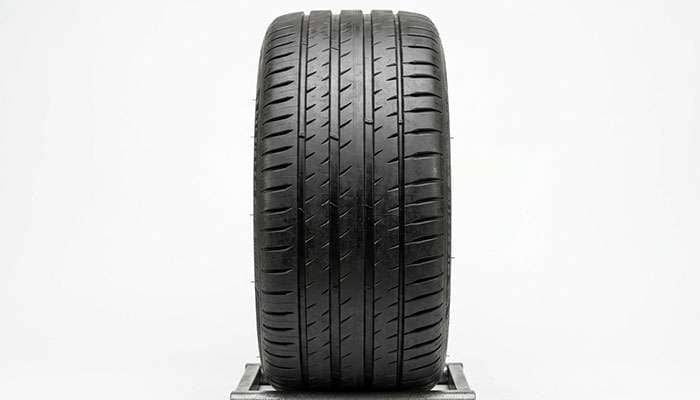
The gap between the two comes down to tire shape. A tire is not a flat band of rubber; it's a rounded casing. The widest point is out at the sidewalls, while the tread sits up on the crown of that curve, with the shoulders rounding off on each side. So when you measure straight across the widest part, you're measuring past the tread edges and out to the bulge. The tread band that's left flat enough to touch the road is the narrower contact width. Here's the comparison side by side:
Aspect |
Section Width |
Tread Width |
|---|---|---|
What it measures |
Widest point, sidewall to sidewall |
The tread band that meets the road |
Where it's measured |
Mid-sidewall bulge, inflated, unloaded |
Across the tread crown / contact patch |
Relative size |
The larger figure |
Always narrower |
Mainly affects |
Clearance and fitment |
Traction and cornering bite |
On the spec sheet |
Listed and standardized |
Sometimes listed, less standardized |
Mount the same tire on a wider rim and you pull the sidewalls outward and flatter. That stretches the tread toward its edges—effectively widening the usable tread width—while the section width also creeps up a little. Go to a narrower rim and the opposite happens: the casing bulges more, the tread crowns up, and the contact band narrows. This is why one tire size behaves differently on different wheels, which we break down in what-does-putting-the-same-size-tire-on-different-rim-widths-do. It's also the reason a tire engineer specifies an approved rim range rather than a single width—each rim width lands the tread and section measurements in a slightly different spot.
This is where the distinction earns its keep. For grip, the contact patch is what's doing the work, so tread width and how the tire loads it matter more than the section number stamped on the side. A bigger section width does not automatically mean more grip—if the extra width is going into taller sidewall bulge rather than tread on the ground, you've added width that never touches the road. That's part of why simply going wider isn't a free upgrade, a tradeoff we lay out in disadvantages-of-wider-tires.
For fitment, it flips: section width is the number that decides whether a tire clears your fenders, struts, and suspension, because the widest point of the tire is the sidewall bulge, not the tread. When you're checking clearance, you measure against section width. When you're checking which tire will actually fit a given wheel, both come into play—our what-tire-fits-what-rim-pt-1 guide covers that side.
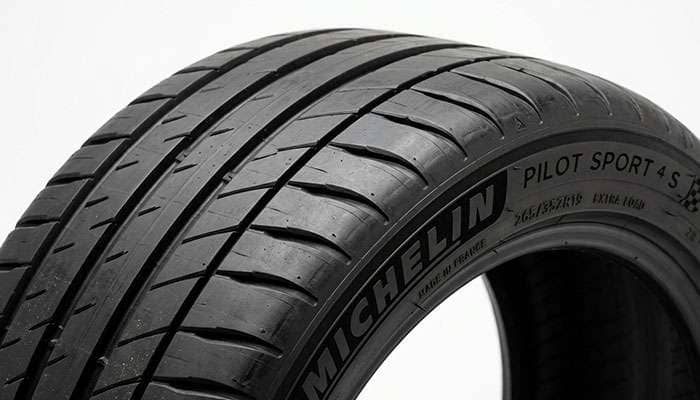
Section width is easy: it's in the size and confirmed on the tire's spec sheet, listed on its measuring rim. Tread width is the one you have to hunt for. Some manufacturers publish it as "tread width," but it isn't as consistently reported, and it shifts with rim width anyway. If you want the real contact width for a specific setup, the most reliable move is to measure the mounted tire across the tread, or compare published tread-width figures between models when they're available. When you're comparing tires to buy, look past the matching section widths and check the tread and spec details—you can dig into individual specs as you shop at Buy_Tires, and our wheel-visualizer helps you picture a setup before you commit.
Section width and tread width describe two different things: the first is how wide the tire is at its bulging sidewalls, the second is how wide it grips. The sidewall number is section width, it's standardized for comparison and clearance, and it's always larger than the tread that meets the road. When you're chasing traction, think about the contact patch; when you're chasing clearance, think about section width. Keep the two straight and you'll make better calls on every tire you buy.
No. Section width is the widest point of the tire measured sidewall to sidewall, and it's the number in your tire size. Tread width is the narrower band of rubber that actually contacts the road. Section width is always larger.
A 245 tire is 245mm at its section width—the widest point of the inflated sidewalls on its measuring rim. The tread that touches the road is narrower than 245mm, and the exact tread width varies by tire model and by the rim width it's mounted on.
Section width is wider. Because the tire's widest point is the sidewall bulge rather than the tread, the tread width sits up on the crown of the casing and is always the smaller of the two figures.
Not automatically. Grip depends on the contact patch, so what matters is tread width and how the tire loads it. If extra section width goes into taller sidewall bulge rather than tread on the road, it doesn't add traction.
Some manufacturers list it on the spec sheet as "tread width," but it's reported less consistently than section width and changes with rim width. For a specific setup, measuring the mounted tire across the tread is the most reliable way to get the real number.
Because the number is section width, measured at the bulging sidewalls, while the tread you see on the road is narrower. A narrower rim also crowns the tread and shrinks the visible contact band, making the tire appear narrower than its size suggests.