
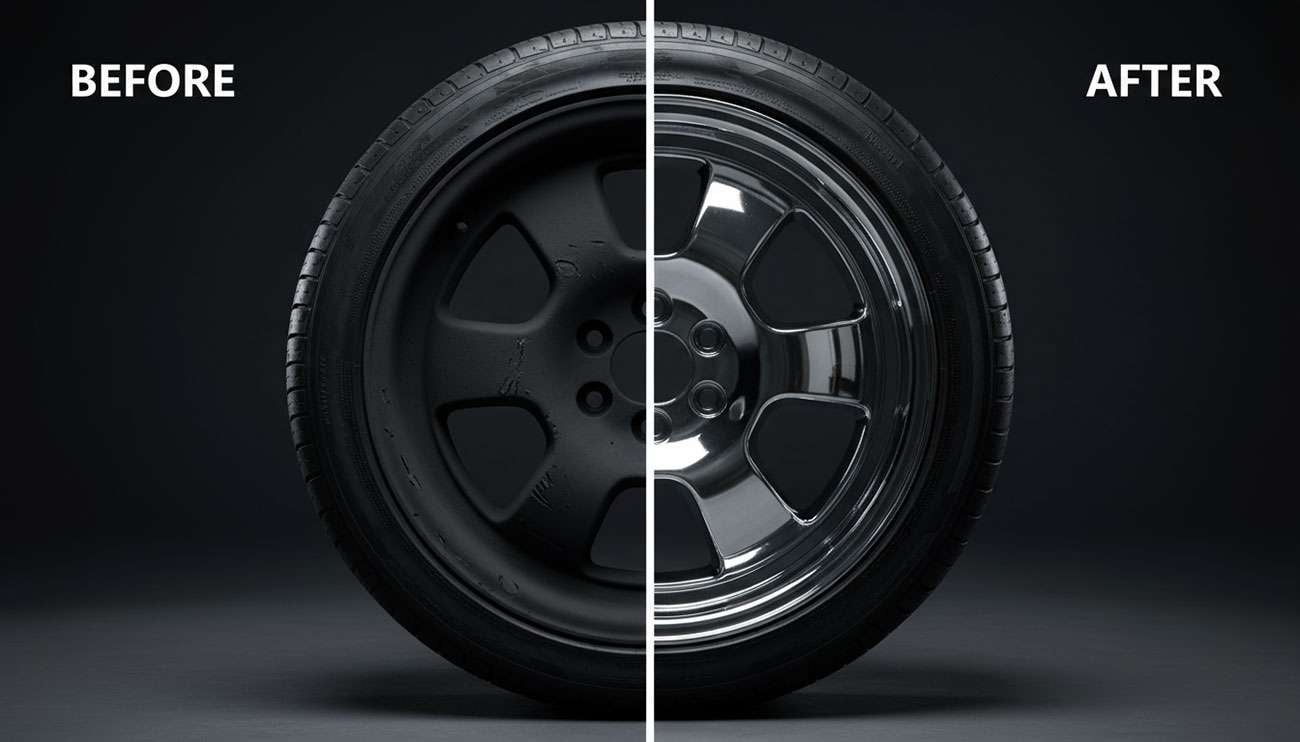
Paint on chrome wheels is a common problem that wheel enthusiasts face. Whether you're dealing with overspray from a nearby paint job, purchased used wheels that someone painted over, or simply changed your mind about a custom color, you need a safe and effective method to remove paint without damaging the valuable chrome finish underneath. At Performance Plus Tire, with 47 years of experience serving wheel enthusiasts since 1978, we've helped countless customers restore their chrome wheels to their original brilliance.
Chrome wheels represent a significant investment, and protecting the chrome plating while removing unwanted paint requires the right approach. The chrome plating on your wheels consists of multiple layers—typically copper, nickel, and finally chrome—creating that mirror-like finish. Any aggressive removal method can damage these layers, which is why choosing the correct technique is critical.
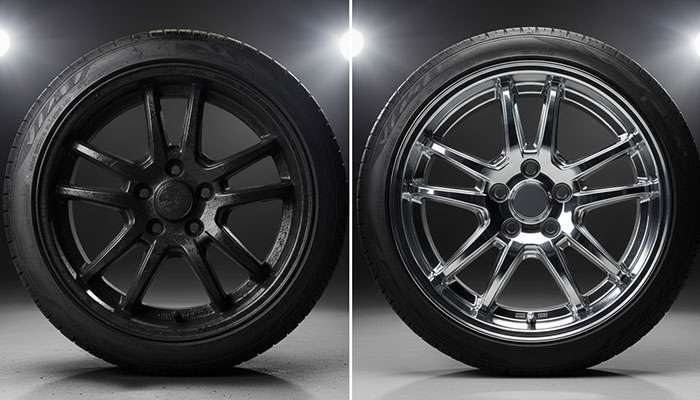
Before diving into removal methods, it's important to understand what you're working with. Chrome plating is a thin metallic coating applied to wheels through an electroplating process. Paint adheres to chrome surfaces, but typically not as strongly as it bonds to bare metal or properly prepared surfaces. This is actually good news for removal purposes, as the paint often comes off more easily than you might expect when using the right solvents and techniques.
However, chrome plating itself can be delicate. It's vulnerable to scratching, pitting, and chemical damage if exposed to harsh abrasives or incorrect chemical solutions. That's why the methods outlined below focus on softening and dissolving the paint rather than forcefully scraping or sanding it away.
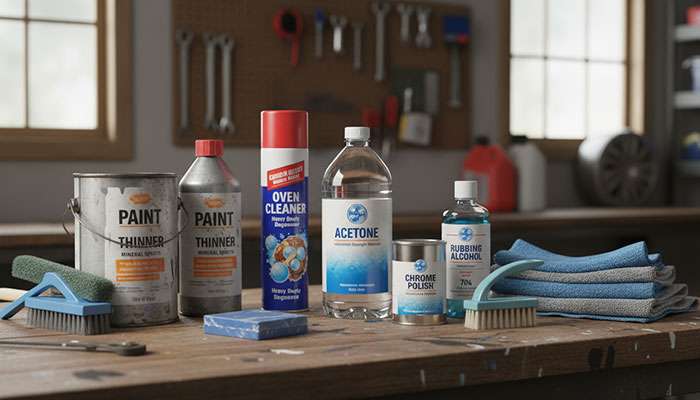
At Performance Plus Tire, we've tested and recommended these paint removal methods to our customers for decades. Each method follows the same fundamental approach: clean the surface, apply a paint-softening agent, carefully remove the loosened paint, and finish with proper chrome polishing. Here are the most effective methods we've found through our extensive experience with over 5,000 custom wheels in stock and countless restoration projects.
Commercial paint removers and thinners are among the most effective options for removing paint from chrome wheels. Follow the manufacturer's instructions carefully, as formulations vary. The typical process involves applying the remover to the entire painted surface, covering the wheels with plastic wrap to prevent evaporation, and allowing them to sit overnight. The next day, use a plastic paint scraper, nylon scrubber, and soft cloth to remove the softened paint. This method works well for wheels with extensive paint coverage and typically provides excellent results with minimal risk to the chrome when done correctly.
Acetone and lacquer thinner are powerful solvents that effectively break down many types of paint. For chrome wheels, apply the solvent to a soft cloth and let the saturated cloth sit directly on the painted areas. This allows the solvent to penetrate and soften the paint without running off. Once the paint begins to break down—usually after 15-30 minutes—you can remove it using a soft scrubber, plastic scraper, and clean cloth. Acetone works particularly well on spray paint and lacquer-based finishes. Always work in a well-ventilated area when using these solvents.
For lighter paint coverage or overspray situations, rubbing alcohol combined with chrome polish can be very effective. Apply the rubbing alcohol with very fine (#0000) steel wool, working gently in small circular motions. The alcohol helps break down the paint while the mild abrasive action of the steel wool assists with removal. Follow up with chrome polish to restore the shine. This method is gentler than chemical paint removers and works well when the paint layer is thin or partially deteriorated.
Household oven cleaner contains powerful cleaning agents that can effectively remove paint from chrome wheels. Treat your wheels as if they were the inside of an oven: spray a generous, even coat of oven cleaner on all painted surfaces, cover with plastic wrap to seal in the cleaner, and let it sit for the time specified on the product label (typically 30 minutes to several hours). Then remove the paint using a scraper and scrubber. Rinse thoroughly with clean water before polishing. This method is cost-effective and readily available, making it a popular choice for DIY enthusiasts.
Automotive clay bars combined with soapy water can remove paint, particularly overspray, without chemicals. While this is the safest method for the chrome finish, it's also the most time-consuming and physically demanding. Clay bars work by mechanically pulling contaminants from the surface. For extensive paint coverage, expect significant effort and time investment. This method is best suited for removing light overspray or small painted areas rather than completely painted wheels.
Step 1: Clean the Wheels
Begin by thoroughly cleaning your chrome wheels with automotive soap and water to remove dirt, road grime, and impurities. This prevents scratching the chrome during paint removal and allows better contact between the removal agent and the paint.
Step 2: Apply Your Chosen Removal Agent
Following the specific instructions for your chosen method (paint thinner, acetone, rubbing alcohol, or oven cleaner), apply the product to all painted surfaces. For most methods, covering the treated area with plastic wrap helps prevent evaporation and increases effectiveness.
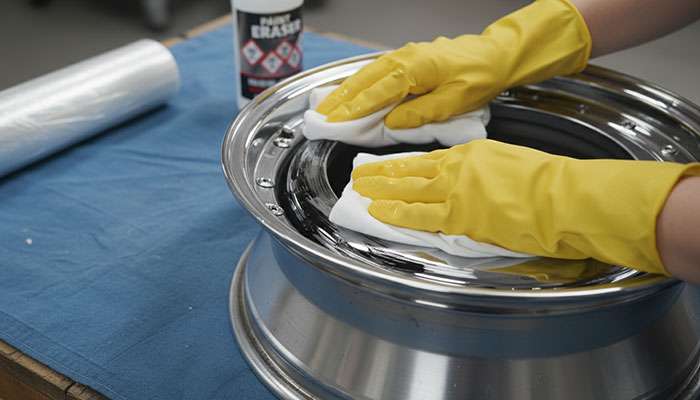
Step 3: Allow Time for Paint Softening
Patience is critical. Depending on your chosen method, allow anywhere from 30 minutes to overnight for the removal agent to break down the paint's bond with the chrome surface. Rushing this step often leads to excessive scrubbing that can damage the chrome.
Step 4: Remove Softened Paint
Using soft cloths, plastic scrapers (never metal), nylon scrubbers, or very fine steel wool, gently remove the softened paint. Work in small sections and avoid aggressive scrubbing or scraping. If the paint isn't coming off easily, reapply the removal agent and wait longer rather than forcing it.
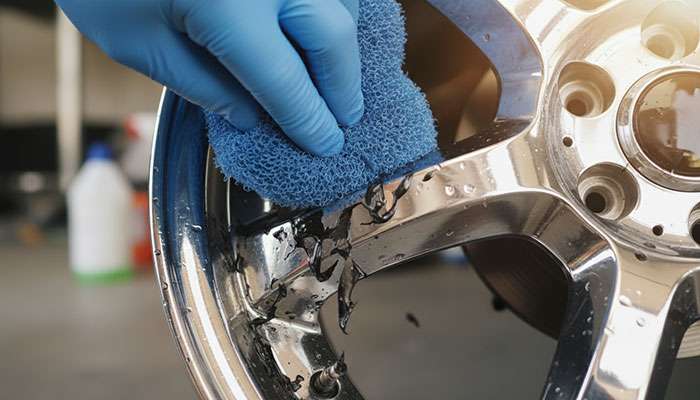
Step 5: Rinse and Polish
After all paint is removed, rinse the wheels thoroughly with clean, warm water to remove all traces of the removal agent. Dry completely, then apply a quality chrome polish to restore the mirror-like shine. This final polishing step is essential for achieving professional-looking results.
When removing paint from chrome wheels, safety should be your top priority. Always wear chemical-resistant gloves, safety glasses, and work in a well-ventilated area or outdoors. Many paint removal products contain harsh chemicals that can cause skin irritation, eye damage, or respiratory issues. Keep a water source nearby for immediate rinsing if chemicals contact your skin.
Test your chosen removal method on a small, inconspicuous area first to ensure it doesn't damage or discolor the chrome. Some older or lower-quality chrome plating may be more susceptible to damage from certain chemicals. If you notice any dulling, discoloration, or pitting during your test, stop immediately and try a gentler method.
Never use metal scrapers, coarse steel wool, or aggressive power tools on chrome surfaces, as these will scratch or gouge the plating. Similarly, avoid sandpaper or abrasive pads, which will permanently damage the chrome's reflective finish.
While DIY paint removal is often successful, certain situations call for professional intervention. If the paint is extremely thick, baked on from heat, or won't respond to multiple removal attempts, a professional wheel refinisher may be your best option. Professional facilities have access to specialized equipment like media blasting systems and chemical tanks that can remove paint more effectively while better protecting the chrome.
Additionally, if your chrome is already peeling, pitting, or showing significant wear beneath the paint, you may need professional re-chroming services rather than just paint removal. At Performance Plus Tire, we can help assess your wheel condition and recommend whether DIY removal or professional services make the most sense for your situation.
Once you've successfully removed the paint and restored your chrome wheels' shine, proper maintenance will keep them looking great. Regularly wash your wheels with automotive soap and water, avoiding harsh chemicals or automatic car washes with aggressive brushes. Apply chrome polish periodically to maintain protection and shine. During winter months in areas with road salt, wash your wheels more frequently to prevent corrosion.
Store wheels properly during off-season periods by cleaning them thoroughly, applying a protective coating, and keeping them in a dry environment. This prevents oxidation and maintains the chrome's integrity.
Looking for new chrome wheels instead of restoring old painted ones? Performance Plus Tire offers one of the largest selections of chrome wheels from top manufacturers. As a world-famous wheel retailer with 47 years of experience and over 5,000 wheels in stock, we provide expert guidance for selecting the perfect chrome wheels for your vehicle.
Shop our extensive online inventory with convenient nationwide shipping, or visit our flagship Long Beach, California store to see wheels in person. Our family-owned business, built on over 100 years of combined team experience, specializes in finding the right wheels for every application—from daily drivers to collector cars, vintage vehicles, and high-performance applications.
Call our wheel experts at (888) 926-2689 for personalized recommendations, fitment guidance, and answers to your chrome wheel questions.

Paint remover generally will not damage chrome wheels when used according to manufacturer instructions. Chrome plating is resistant to most paint removal chemicals. However, always test on a small inconspicuous area first, follow the product's recommended dwell time, and avoid leaving harsh chemicals on chrome for extended periods beyond what's recommended. Some chrome may be more vulnerable if it's older, lower quality, or already compromised.
Both acetone and paint thinner can effectively remove paint from chrome wheels, but they have different strengths. Acetone is a more aggressive solvent that works particularly well on lacquer-based and spray paints, evaporates quickly, and is readily available. Paint thinner is gentler, works well on oil-based paints, and evaporates more slowly allowing for longer working time. For spray paint overspray, acetone is often more effective. For thicker, oil-based coatings, paint thinner may work better.
Yes, but only very fine steel wool (#0000 grade or finer) can be safely used on chrome wheels. Coarser grades will scratch the chrome finish. Even with fine steel wool, use it gently with chrome polish or rubbing alcohol as a lubricant, and avoid applying heavy pressure. For safety, test in an inconspicuous area first. Nylon scrubbers or soft cloths are safer alternatives that won't risk scratching.
The time required depends on the paint coverage and removal method chosen. For chemical methods using paint remover, acetone, or oven cleaner, expect 30 minutes to overnight for the chemical to work, plus 1-3 hours of scrubbing and polishing per wheel. Using a clay bar method can take 2-4 hours per wheel for complete coverage. Light overspray might only require 30-60 minutes total per wheel. Patience is important—rushing the process increases the risk of damaging the chrome.
Yes, oven cleaner is an effective and popular method for removing paint from chrome wheels. The caustic chemicals in oven cleaner break down paint bonds effectively. Apply it generously as you would when cleaning an oven, cover with plastic wrap, let it sit for the recommended time, then scrub and rinse thoroughly. It's cost-effective and readily available at most stores. Always rinse completely after use and polish the chrome to restore its shine.
Yes, you can remove paint from chrome wheels while they're still on your vehicle, though it's more challenging. You'll need to be extremely careful to prevent chemical removers from contacting your car's paint, brake components, or tire sidewalls. Use painter's tape and plastic sheeting to protect surrounding areas, work in small sections, and immediately wipe away any splashes. For best results and to avoid potential damage to your vehicle, removing the wheels is strongly recommended.
Paint thinner is generally safe for chrome wheels when used properly. Chrome plating is resistant to paint thinner's chemicals. However, always follow the manufacturer's instructions, test on a small area first, and avoid prolonged exposure beyond recommended times. Work in a well-ventilated area, wear protective gloves and eyewear, and rinse the wheels thoroughly after paint removal. Paint thinner can damage surrounding car paint and tire rubber, so protect these areas during application.
If paint won't come off after trying multiple removal methods, the paint may be baked on from heat, epoxy-based, or particularly stubborn. Try reapplying your removal agent and allowing more dwell time—sometimes 24 hours or more is necessary. If this doesn't work, consider using a stronger commercial paint stripper rated for automotive use, or consult a professional wheel refinishing shop. Professionals have specialized equipment like media blasting that can remove paint without damaging chrome when DIY methods fail.
Aircraft paint remover is an extremely aggressive chemical designed for tough industrial applications. While it can remove paint from chrome wheels, it carries higher risk of damaging the chrome finish if left on too long or if the chrome quality is poor. It's best reserved for situations where standard paint removers have failed. If using aircraft remover, test on a hidden area first, follow instructions precisely, monitor constantly, and remove immediately once paint softens. Consider less aggressive methods first.
Traditional sandblasting is too aggressive and will damage chrome plating, leaving it dull, pitted, or completely stripped. However, gentler alternatives like soda blasting, glass bead blasting at low pressure, or dustless blasting performed by professionals can sometimes remove paint without harming chrome. This requires skill and proper equipment. For DIY removal, chemical methods are safer than any type of abrasive blasting. If you pursue professional blasting, ensure the shop has specific experience with chrome wheels and uses appropriate media and pressure settings.
Whether you're restoring existing chrome wheels or shopping for new ones, Performance Plus Tire is here to help. With 47 years of experience and over 5,000 wheels in stock, our team provides expert guidance for all your wheel needs.
Call us today at (888) 926-2689 or shop our extensive online inventory with free nationwide shipping!



