
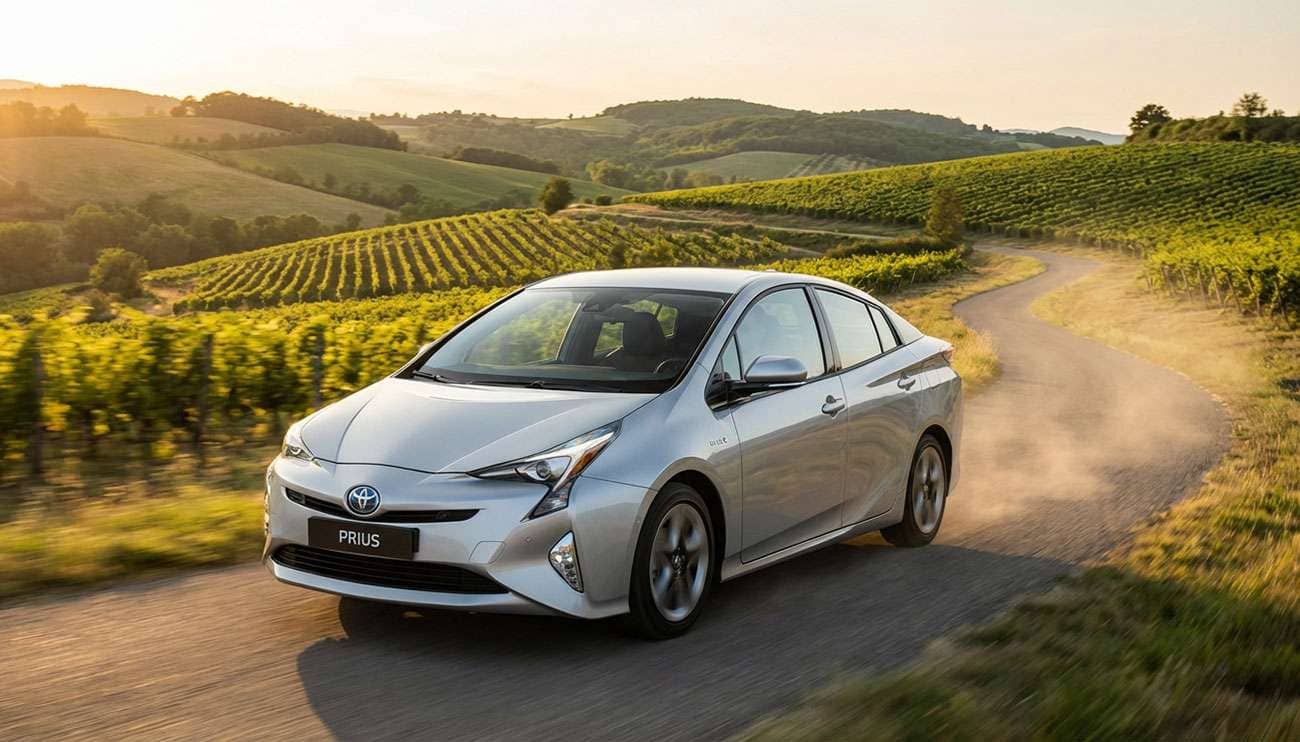
Toyota Prius aftermarket tires require understanding your vehicle's specific engineering. The Prius has used 195/65 R15 as its standard tire size since 2010, with 215/45 R17 available as an option. Your Prius achieves its remarkable fuel economy through deliberately narrow tires that create less rolling resistance, requiring less power to move the car forward.
Original equipment tires typically last up to 60,000 miles. With most drivers covering between 12,000 and 15,000 miles annually, you'll face a tire replacement decision every few years. Tires beyond five years old need replacement regardless of tread depth.
Selecting the right tires for your Prius becomes essential at this point. We provide expert guidance to help you choose the perfect tire size and type that balances performance, efficiency, and value for your specific driving requirements.
Prius tire size varies by trim level and model year. Base trims like the L Eco, LE, and LE AWD-e come standard with 195/65R15 tires. Higher trims offer 215/45R17 as an upgrade option. The newest generation XSE models feature larger 195/50R19 tires.
Check the tire placard inside your driver's door or consult your owner's manual to confirm your exact toyota prius tire size. Installing the correct size maintains the performance characteristics Toyota engineered into your vehicle. Wrong sizes affect ride comfort, braking distance, fuel economy, speedometer accuracy, and tread life.
The difference matters more than you might expect. A 2023 Prius Prime SE with 17-inch wheels and 195/60 Toyo Extensa A/S tires achieved 49 mpg, while the XSE with 19-inch wheels and 195/50 Michelin Primary A/S tires returned only 46 mpg. Those larger wheels add rotating mass and increase ride height by 0.4 inches.
Toyota works with multiple tire manufacturers rather than relying on a single supplier. Bridgestone, Dunlop, Michelin, Toyo, Hankook, Goodyear, and Yokohama all produce tires for the Prius. The specific brand on your vehicle depends on the year, model, wheel size, and trim level.
2021 Prius Prime models with 195/65 R15 tires came with three OEM options: Bridgestone Ecopia EV 422 Plus, Dunlop Enasave 01 A/S, and Toyo Nanoenergy A 41. Current generation models offer at least four original equipment choices: Toyo Extensa, Michelin Primacy, Yokohama BluEarth, and Bridgestone Ecopia. Yokohama reports that North American Prius models now leave the factory equipped with BluEarth S34 tires.
Toyota selected small-diameter wheels with narrow tires to achieve exceptional fuel economy. Narrow tires create less rolling resistance, requiring less power to move the car forward while improving aerodynamics.
Rolling resistance comes from hysteresis in tire compounds, contact patch shape, and slip characteristics. Narrow, high-aspect tires operate at higher inflation pressures with smaller contact areas per unit width, reducing hysteretic energy losses. The narrow width also reduces aerodynamic drag by presenting a smaller frontal area and disturbing less airflow around the wheel well.
Smaller tires and wheels decrease rotational inertia, improving both acceleration and regenerative braking efficiency while reducing unsprung mass. This engineering approach makes narrow low-rolling-resistance tires deliver better real-world fuel economy than larger-diameter alternatives.
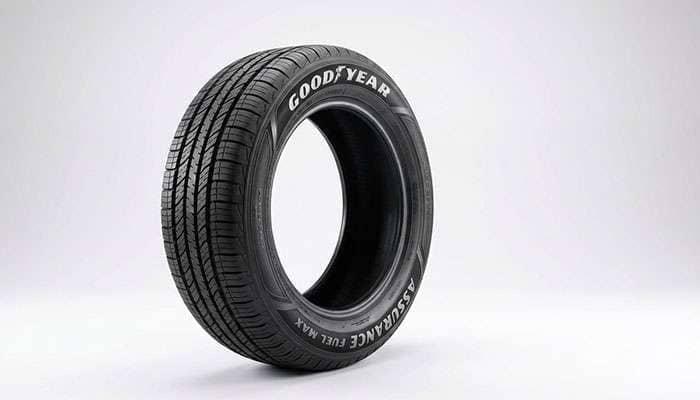
Choosing toyota prius aftermarket tires means balancing competing priorities. Every decision creates trade-offs that impact performance, safety, and your wallet.
Performance tires deliver better handling, but they cost you at the pump. Switching from fuel-efficient touring tires to high-performance summer tires decreases fuel economy by 3% to 8%. Ultra-high-performance or track-focused tires cause losses of 10% or more.
The reasons are straightforward: softer rubber compounds, wider tread footprints, aggressive tread patterns, and stiffer sidewalls all increase rolling resistance. A Prius rated at 30 MPG drops to around 27-28 MPG with performance tires, costing you roughly 25-40 extra gallons over 15,000 miles.
Temperature changes everything. Cold weather causes air molecules inside tires to contract, leading to underinflation. Winter tires use specialized tread patterns and rubber compounds that stay flexible in cold temperatures, delivering enhanced traction on snowy and icy roads.
All-season tires sacrifice wet weather performance to provide moderate snow and ice traction. Summer tires excel in warm weather but become dangerous in winter conditions. Choose based on your local climate and driving patterns.
Mileage warranties range from 30,000 miles to 100,000 miles. These work on a prorated basis - you get credit, not full replacement, when tires wear early. Manufacturers require proof of purchase, vehicle mileage, and evidence of proper inflation, rotation, and alignment. Most warranties expire after 4, 5, or 6 years from purchase date.
The numbers tell the story: a 10 percent drop in rolling resistance equals about 1 percent better fuel economy. New, full-treaded tires generate roughly 20% more rolling resistance than worn tires. This explains why your MPG improves slightly as tires wear down.
Four replacement tires cost between $400 and $1,000. Budget tires at $400 lasting 30,000 miles cost approximately 1.3 cents per mile. Premium tires at $800 delivering 70,000 miles cost roughly 1.1 cents per mile. The math favors quality tires for most drivers.
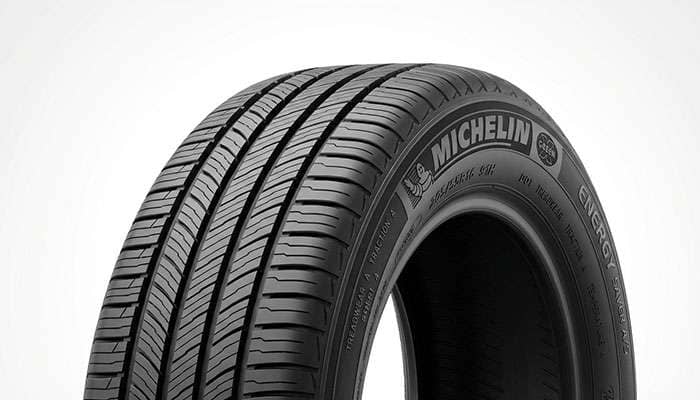
Tire categories serve different driving needs and priorities. Understanding which type matches your specific requirements helps you select the best tires for prius performance and efficiency.
All-season tires provide balanced performance across various weather conditions using intermediate rubber compounds. These tires carry both M+S and 3PMSF symbols, certifying them for mud, snow, and areas requiring winter-rated tires.
Popular options include the Michelin Energy Saver A/S, which features Green X technology for reduced rolling resistance and comes with a 65,000-mile warranty. Bridgestone Ecopia EP422 Plus delivers 70,000-mile coverage using recycled rubber construction. Continental TrueContact Tour offers 80,000-mile warranties with EcoPlus Technology. Browse toyota prius tire size options to find compatible all-season selections.
Summer tires perform best when temperatures remain above 45°F. They use softer compounds and streamlined tread patterns that maximize road contact. Testing demonstrates summer tires can stop 10 feet shorter from 60 mph compared to all-season alternatives. They also reduce rolling resistance and improve fuel economy during warm months.
Winter tires maintain flexibility below 45°F through specialized rubber compounds. All winter tires carry 3PMSF certification for severe snow service. Michelin X-Ice Snow uses Flex-Ice 2.0 technology, while Bridgestone Blizzak WS90 features NanoPro-Tech compounds.
Low rolling resistance tires focus on maximizing fuel savings. The Michelin Energy Saver A/S can save up to 65 gallons over tire lifetime. Bridgestone Ecopia models use NanoPro-Tech technology to reduce energy loss.
Purchasing and maintaining your Toyota Prius aftermarket tires requires knowing where to find the best deals, understanding quality ratings, and recognizing when replacement becomes necessary.
Online retailers provide competitive pricing and extensive selection. Tire costs typically range from $80 to $250 per tire, with popular models averaging around $144 each. Platforms like SimpleTire access inventories at brick-and-mortar stores and warehouses nationwide. You can browse toyota prius tire size options to compare prices across retailers.
Local tire shops offer personalized service and immediate availability. Costco warehouses deliver hard-to-beat prices on automotive tires. We recommend comparing total costs including installation, balancing, and disposal fees before making your decision.
UTQG ratings appear on tire sidewalls with three key components. Treadwear grades range from 100 to 1000, with higher numbers indicating longer life. A tire rated 400 should last four times longer than the baseline.
Traction grades (AA, A, B, C) measure wet braking ability, with AA providing the shortest stopping distances. Temperature ratings (A, B, C) indicate heat resistance at high speeds. These ratings help you compare tire performance across different brands and models.
Toyota recommends tire replacement every 50,000 miles. Age matters regardless of tread depth - replace tires after six years. Use the penny test by inserting a penny into tread grooves with Lincoln's head facing down. If you can see his entire head, replacement time has arrived.
Watch for other warning signs including sidewall cracks, frequent air pressure loss, and excessive vibration. These symptoms indicate potential safety issues that require immediate attention.
Professional installation for four tires costs approximately $99.80 at Goodyear, including mounting, balancing, and TPMS kit. The process involves wheel removal, old tire extraction, wheel inspection, TPMS sensor servicing, new tire mounting, precision balancing, and reinstallation with properly torqued lug nuts.
Professional installation ensures proper fitment and maintains your vehicle's safety systems.
Check tire pressure monthly when tires are cold. Tires at 75% of recommended pressure reduce fuel economy by 2-3%. Tires at 50% recommended pressure waste 5-10% more fuel.
Proper inflation can improve gas mileage by 0.6% to 3%. This simple maintenance step preserves both fuel efficiency and tire life while ensuring optimal safety performance.
Selecting the perfect aftermarket tires for your Prius means understanding tire specifications, balancing fuel economy with performance needs, and choosing the right category for your driving conditions. This knowledge maximizes both savings and safety for your vehicle.
Proper maintenance and regular tire pressure monitoring extend tire life while preserving your Prius's exceptional efficiency. Compare your options carefully, check those UTQG ratings, and invest in quality tires that match your specific driving requirements. You'll enjoy improved performance, reduced fuel costs, and reliable safety for thousands of miles ahead.
At Performance Plus Tire, we're confident that we can help you find the perfect set of tires for your Prius at prices you can afford. Our expert team is ready to guide you through the selection process, ensuring both optimal fuel economy and dependable performance for your hybrid vehicle.
Master these essential insights to choose the perfect aftermarket tires for your Toyota Prius while maximizing fuel efficiency and performance.
• Know your exact tire size first - Most Prius models use 195/65R15 or 215/45R17, but check your door placard to ensure proper fit and maintain engineered performance characteristics.
• Balance fuel economy with performance needs - Performance tires can reduce fuel economy by 3-8%, costing 25-40 extra gallons annually, so prioritize low rolling resistance for maximum MPG.
• Consider total cost per mile, not just upfront price - Premium tires at $800 lasting 70,000 miles cost 1.1 cents per mile versus budget tires at $400 lasting 30,000 miles at 1.3 cents per mile.
• Choose tire category based on climate - All-season tires work year-round, winter tires are essential below 45°F, and summer tires maximize grip in warm weather.
• Maintain proper tire pressure monthly - Underinflated tires at 75% recommended pressure reduce fuel economy by 2-3%, while proper inflation can improve gas mileage up to 3%.
Remember that Toyota deliberately uses narrow tires to minimize rolling resistance, so stick with OEM-sized replacements to preserve your Prius's exceptional fuel efficiency while gaining the performance benefits of quality aftermarket options.
The Prius doesn't require special tires, but it performs best with low rolling resistance tires designed for fuel efficiency. Most models use standard sizes like 195/65R15 or 215/45R17, which are widely available from major tire manufacturers. While you can install any tire that matches your vehicle's size specifications, choosing tires with low rolling resistance will help maintain the Prius's excellent fuel economy.
Yes, performance tires can noticeably impact fuel efficiency. Switching from fuel-efficient touring tires to high-performance summer tires typically decreases fuel economy by 3% to 8%. This translates to approximately 25-40 extra gallons of fuel consumed over 15,000 miles. The reduction occurs because performance tires use softer rubber compounds and wider tread patterns that increase rolling resistance.
Original equipment tires typically last up to 60,000 miles, though this varies based on driving habits and tire quality. Toyota recommends replacing tires every 50,000 miles or after six years, whichever comes first. You should also replace tires when tread depth becomes insufficient, which you can check using the penny test by inserting a penny into the tread grooves with Lincoln's head facing down.
All-season tires use intermediate rubber compounds that provide balanced performance in various conditions and work year-round in moderate climates. Winter tires feature specialized compounds that remain flexible below 45°F and have tread patterns designed for snow and ice, offering significantly better traction in cold weather. If you regularly drive in snowy or icy conditions, dedicated winter tires provide much safer performance than all-season alternatives.
Maintaining proper tire pressure is crucial for fuel efficiency. Tires inflated to only 75% of the recommended pressure can reduce fuel economy by 2-3%, while tires at 50% recommended pressure waste 5-10% more fuel. Properly inflated tires can improve gas mileage by 0.6% to 3%, so checking tire pressure monthly when tires are cold is essential for maximizing savings.



