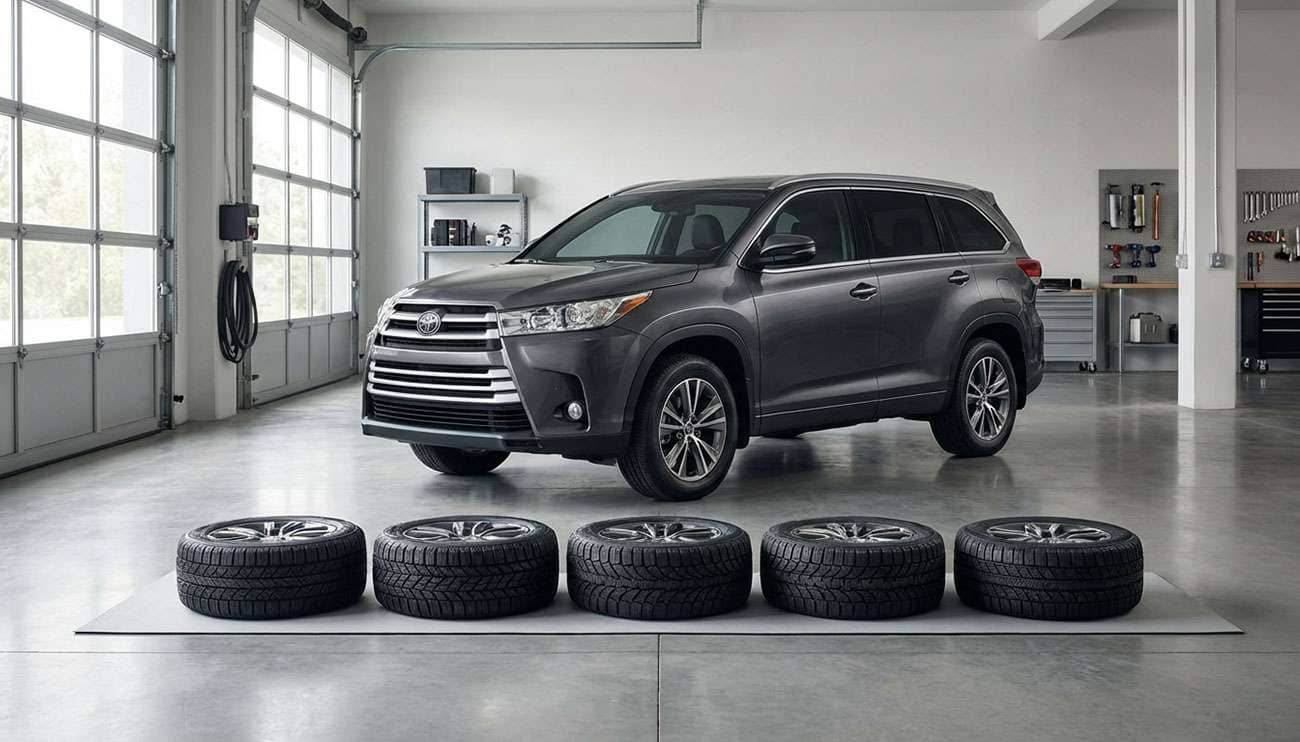
Your Toyota Highlander tires need replacement sooner than most owners realize.
Most drivers cover 12,000 to 15,000 miles annually, which means Highlander owners typically exceed their original tires' intended mileage well before reaching the tire's maximum usable age. Toyota equips Highlanders with Michelin Premier LTX tires featuring a respectable 620 AA UTQG rating. These tires can potentially deliver up to 62,000 miles, but any tire over five years old requires replacement regardless of remaining tread depth.
Toyota Highlander aftermarket tire selection depends on understanding your specific model requirements. Current Highlander models come with either 235/65 tires on 18-inch wheels or 235/55 tires on 20-inch wheels. Getting these specifications right makes all the difference when choosing replacement options.
We've created this guide to help you select the perfect replacement tires for your Toyota Highlander. Whether you need the best all-season performance or want to explore different tire sizes, our expert recommendations cover everything required to make smart decisions that balance performance, comfort, and longevity.
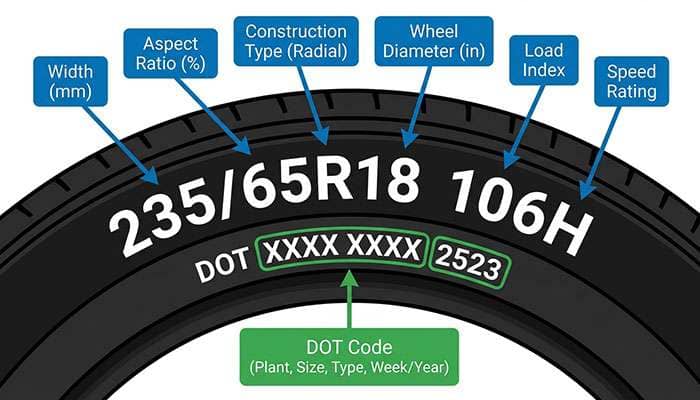
Selecting aftermarket tires for your Toyota Highlander requires understanding your vehicle's specific tire size requirements. Tire specifications change based on your Highlander's year, model, and trim level, making accurate sizing crucial for optimal performance.
Check the tire placard located on the driver's side door jamb for the most reliable tire size information. This manufacturer placard displays recommended tire size and pressure specifications for your specific vehicle. Your current tire sidewall also shows the complete specification.
A typical Highlander tire displays "235/65R18" where each number serves a specific purpose. The 235 indicates tire width in millimeters, 65 represents the aspect ratio (sidewall height as a percentage of width), and 18 shows wheel diameter in inches.
Your owner's manual contains this information as well, particularly useful when vehicle modifications have been made or door placards have become unreadable.
Toyota has standardized Highlander tire sizes across different production periods:
Current Highlanders (2020-2026):
Base L, LE, and XLE trims: 235/65R18
Limited, Platinum, and XSE trims: 235/55R20
Hybrid versions follow the same trim-based sizing
Previous Generation (2014-2019):
LE and XLE trims: 245/60R18
Limited and Platinum trims: 245/55R19
Most current 18-inch and 20-inch configurations require 36 PSI tire pressure.
Consider tire size changes carefully, especially for AWD Highlanders. Maintaining consistent tire sizes across all four wheels prevents AWD system complications. Different tire diameters confuse the AWD computer, causing incorrect power distribution that can damage drivetrain components over time.
Toyota recommends complete four-tire replacement using identical brand, tread design, and construction specifications.
When size changes become necessary, stay within ±3% of your original tire diameter. This maintains speedometer accuracy and proper handling characteristics. For example, switching from 245/55R19 to 245/65R17 creates only 0.3% circumference difference, making it acceptable for most Highlanders.
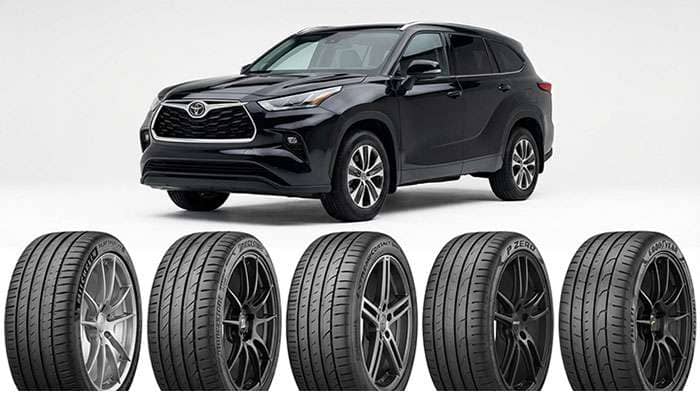
Original Equipment Manufacturer (OEM) tires offer distinct advantages and drawbacks that Highlander owners must consider when replacement time arrives.
Toyota doesn't manufacture tires. The company creates detailed specifications and partners with manufacturers like Bridgestone, Toyo, Yokohama, and Goodyear to meet those requirements. These tire companies compete for contracts, with Toyota frequently choosing the lowest bidder that satisfies their specifications.
Car manufacturers reportedly invest close to $1 million developing tires that complement specific vehicle features. Your Highlander's original tires were selected to enhance its unique driving characteristics and performance profile.
OEM tires often fall short on longevity despite their custom design. Highlander owners frequently report replacements needed after only 20,000-30,000 miles, even with proper maintenance. Some 2008 Highlander drivers experienced peeling and shredding problems at just 11,000 miles.
OEM tires sometimes prioritize manufacturing cost over performance quality. One forum user described their Highlander's Yokohama Geolanders: "We have been extremely disappointed... Nothing smooth about them. We feel every bump enter the cabin and they can be so loud".
Aftermarket alternatives deliver:
Superior tread life and durability
Better ride comfort or handling characteristics
Enhanced performance for specific conditions
Wider selection of price points
Aftermarket tires can transform your Highlander's driving experience. Automotive experts note: "It's amazing how different the same vehicle will perform on different tires, so it's important to pick the right set".
The right aftermarket tire improves ride quality dramatically. One Highlander owner switched from Geolanders to Michelin Defenders and reported: "Ride is a lot quieter and smoother. Got 108k out of a set of these on my van that weighs more than this Highlander".
Your priorities determine which performance characteristics matter most. Winter driving requires different tread patterns than highway cruising. Understanding these trade-offs helps select the best tires for your specific needs.
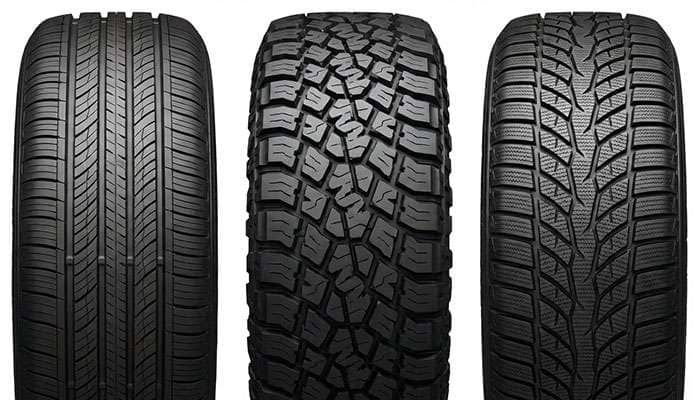
Your driving environment should determine which tire category fits your Highlander best. Each tire type delivers specific advantages suited to different climate zones and driving conditions.
All-season tires work well for most Toyota Highlander drivers in moderate climates. These tires feature symmetrical tread patterns and rubber compounds engineered to perform acceptably across different weather conditions. Many Highlander owners select all-season tires because they provide:
Balanced performance in dry, wet, and light snow conditions
Smooth, quiet highway driving
Extended tread life compared to specialized options
Year-round usability without seasonal changes
However, all-season tires compromise some performance capabilities. They don't match dedicated winter tire traction in serious snow or ice, and they won't deliver the same off-road capability as all-terrain alternatives.
All-terrain tires suit Highlander owners who regularly drive unpaved roads, encounter muddy conditions, or frequently tow heavy loads. These tires feature aggressive tread patterns with deeper grooves that:
Provide excellent traction on dirt, gravel, and mud
Handle light snow conditions effectively
Deliver stronger sidewalls for rough terrain
Improve towing and hauling performance
The trade-offs include increased road noise, reduced fuel efficiency, and less comfortable highway rides. Most Highlander drivers don't need all-terrain tires unless off-road driving represents a significant portion of their vehicle usage.
Winter tires become necessary when temperatures consistently drop below 45°F or when you regularly face heavy snow and ice. These tires use special rubber compounds that remain flexible in freezing temperatures, while their unique tread designs feature:
Deep tread grooves for snow evacuation
Thousands of biting edges for ice traction
Siping patterns that improve grip on slippery surfaces
Rubber compounds optimized for cold weather flexibility
Winter tires dramatically outperform all-season options in snow and ice. One automotive expert notes: "No tire offers the best performance in all types of weather. You really need to select the tire that best matches your typical driving conditions".
Install winter tires in sets of four for balanced handling. Switch back to all-season tires when temperatures consistently stay above 45°F, as winter tire compounds wear quickly in warm weather.
Your location and driving patterns should guide this decision:
Choose all-season if you live in moderate climates with minimal snow
Select all-terrain for regular unpaved road driving or off-road adventures
Pick winter tires when facing extended cold weather or frequent heavy snowfall
Some Highlander owners maintain two tire sets, switching between all-season and winter options seasonally. This approach maximizes performance while extending tire life through appropriate seasonal usage.
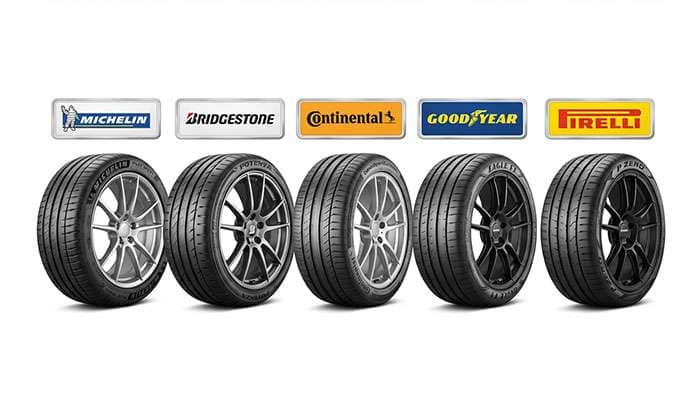
Selecting among the many tire brands available for your Toyota Highlander requires understanding which manufacturers consistently deliver quality, performance, and value. Expert reviews and owner experiences reveal clear leaders in each category.
Premium tire manufacturers invest heavily in research, technology, and testing to deliver superior performance. These brands typically cost more but offer advantages worth considering:
Michelin - The Michelin Defender series earns consistent praise from Highlander owners. One satisfied customer reports getting 108,000 miles from their previous set. Michelin tires deliver excellent longevity, quiet rides, and strong all-weather traction. The Michelin Premier LTX comes standard on many Highlanders, reflecting Toyota's confidence in their quality.
Bridgestone - The Bridgestone WeatherPeak receives high marks for all-season versatility. This tire handles wet roads exceptionally well while maintaining comfortable ride quality. Bridgestone's partnership with Toyota makes their tires a natural OEM replacement choice.
Continental - Continental's CrossContact LX25 combines comfort with performance. This tire excels in dry and wet conditions while delivering impressive treadwear ratings. Continental tires often provide the best balance between premium quality and reasonable pricing.
Mid-range tires offer solid performance at more accessible price points. These brands provide reliable service without premium price tags:
Goodyear - Goodyear's Assurance WeatherReady delivers strong all-weather capability at moderate cost. Many Highlander owners appreciate Goodyear's widespread availability and extensive dealer network.
Pirelli - The Pirelli Scorpion AS Plus 3 provides excellent handling and traction. Pirelli tires suit drivers who prioritize responsive steering and sporty feel over maximum tread life.
Yokohama - While some factory Yokohama tires disappoint, their aftermarket offerings perform better. The Geolandar lineup includes options for both highway and light off-road use.
Budget tire brands work for drivers prioritizing initial cost over extended tread life. These options serve well for vehicles with lower annual mileage:
General Tire - General's Altimax RT43 provides decent all-season performance at attractive prices. These tires work well for city driving and moderate highway use.
Kumho - Kumho tires deliver acceptable performance for basic transportation needs. Their Crugen lineup offers reasonable quality for budget-conscious buyers.
Hankook - Hankook has improved quality significantly in recent years. Their Kinergy line provides better-than-expected performance for the price point.
Brand reputation matters, but specific tire models within each brand vary considerably in performance. Focus on:
UTQG ratings for objective performance metrics
Customer reviews specific to your Highlander model
Warranty coverage and treadwear guarantees
Local dealer support and service availability
The "best" tire brand depends entirely on your priorities. Premium brands justify higher costs through superior longevity and performance. Mid-range options balance quality and value effectively. Budget brands work when upfront cost matters most.
Consider your typical driving conditions, annual mileage, and replacement timeline when evaluating brands. A premium tire costing $200 that lasts 80,000 miles delivers better value than a $100 budget tire requiring replacement at 40,000 miles.
Ready to find the perfect Toyota Highlander tires? The perfect tire balances your specific driving needs, local weather conditions, and budget requirements.
Evaluating tire quality and longevity for your Toyota Highlander ensures you get maximum value from your aftermarket tire investment. Understanding tire specifications helps you make smart decisions that go beyond brand recognition alone.
The Uniform Tire Quality Grade (UTQG) system reveals crucial performance expectations for any tire. This three-part rating displays as three digits and two letters like "620 AA" on tire sidewalls and product specifications.
Toyota Highlander owners should read these ratings as:
Treadwear number: Higher numbers mean longer-lasting tread
Traction letter: AA, A, B, or C (AA provides the best traction)
Temperature letter: A, B, or C (A offers superior heat resistance)
Highlander factory Michelin Premier LTX tires carry a solid 620 AA UTQG rating, giving you a reliable baseline for comparing replacement options.
Every tire displays a Department of Transportation (DOT) code containing vital manufacturing details. Finding your tire's production date requires just a few simple steps:
Locate "DOT" printed on the tire sidewall
Check the final four digits of this code
First two digits show manufacturing week (1-52)
Last two digits indicate the manufacturing year
A code reading "1319" means production during the 13th week of 2019. This date matters because tires over 6 years old need replacement regardless of apparent condition.
Several warning signs indicate it's time for new Toyota Highlander tires, even when tread looks acceptable:
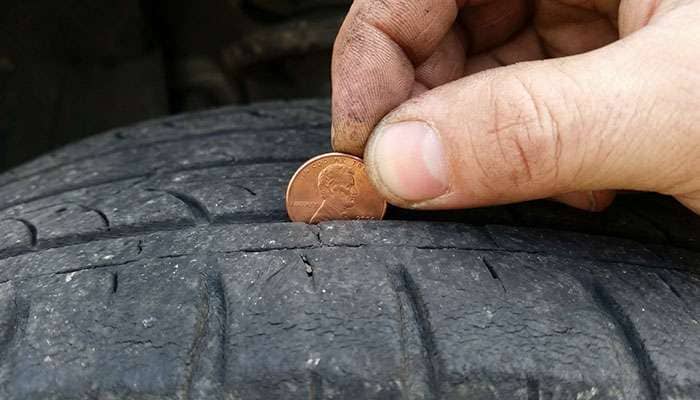
Tread depth below 1/16 inch - The penny test works perfectly here. Insert a penny with Lincoln's head pointing down into the tread. Visible hair on Lincoln's head means immediate replacement.
Visible sidewall damage - Cracks, bulges, or deep cuts create serious blowout risks.
Age-related deterioration - Rubber compounds break down over 6-10 years, making replacement necessary regardless of tread depth.
Uneven wear patterns - These indicate alignment or inflation problems requiring prompt attention.
Excessive vibration - High-speed vibrations often signal internal tire damage.
Regular Toyota Highlander tire inspections extend tire life while maintaining optimal safety and performance standards.
Choosing the right aftermarket tires for your Toyota Highlander comes down to matching your specific vehicle requirements with your driving needs. Tire size specifications vary significantly between different Highlander models and trim levels. We've seen how aftermarket options often deliver superior longevity and performance compared to factory-installed versions.
Your driving conditions should guide the selection process. All-season tires work well for most Highlander owners, while all-terrain or winter-specific options become necessary for specialized conditions. Factors like tread patterns, UTQG ratings, and manufacturing dates help ensure you get the best value and performance from your investment.
Check your tires regularly for signs of wear and replace them before they become unsafe, regardless of apparent tread depth. Tires with adequate tread should be replaced after 6-10 years due to rubber compound deterioration.
Ready to find the perfect tires for your Highlander? Browse the extensive selection of Toyota Highlander tires at Performance Plus Tire where you'll find options perfectly matched to your specific model year and trim level. The right set of replacement tires will enhance your driving experience while providing peace of mind that comes from making a choice that balances performance, safety, and longevity for your Toyota Highlander.
Master these essential factors to select the perfect aftermarket tires for your Toyota Highlander and maximize performance, safety, and value.
• Check your door jamb placard first - Your exact tire size (like 235/65R18 or 235/55R20) varies by trim level and year, making proper sizing crucial for AWD systems.
• Consider aftermarket over OEM replacements - Factory tires often prioritize cost over performance, while aftermarket options typically offer better longevity and ride quality.
• Match tires to your driving conditions - All-season tires work for most drivers, but switch to winter or all-terrain tires when conditions consistently exceed all-season capabilities.
• Evaluate UTQG ratings and tire age - Higher treadwear numbers indicate longer life, but replace any tire over 6 years old regardless of tread depth remaining.
• Replace tires in complete sets of four - This prevents AWD system damage and ensures consistent handling, especially important for Toyota Highlander's all-wheel-drive models.
The right tire choice transforms your Highlander's performance while ensuring safety and maximizing your investment through proper evaluation of size, type, and quality factors.
The correct tire size depends on your Highlander's specific model and trim. Recent models typically use 235/65R18 for base trims and 235/55R20 for higher trims. Always check your vehicle's door jamb placard or owner's manual for the recommended size.
Aftermarket tires often offer better performance and longevity compared to OEM tires. Many Highlander owners report improved tread life, ride comfort, and handling with quality aftermarket options, while OEM replacements may disappoint in terms of durability.
Replace your Highlander's tires when the tread depth falls below 1/16 inch, or every 6-10 years, even if tread appears adequate. Regular inspections for wear, damage, and age are crucial for maintaining safety and performance.
Top-rated all-season tires for the Highlander include the Bridgestone WeatherPeak, Pirelli Scorpion AS Plus 3, and Continental CrossContact LX25. These options offer a good balance of performance, longevity, and all-weather capability.
It's best to stick with the manufacturer-recommended tire size, especially for AWD Highlanders. If you must change sizes, stay within 3% of the original tire's diameter to maintain proper vehicle handling and avoid potential drivetrain issues.