
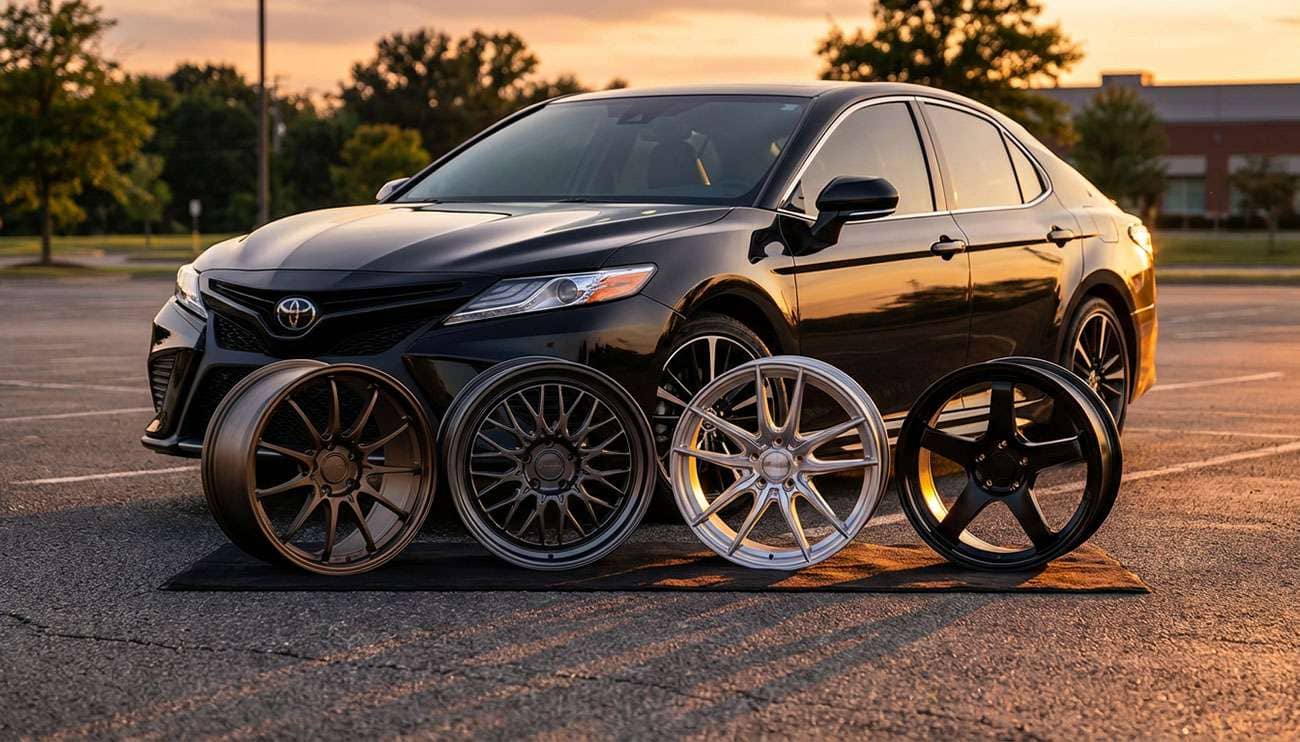
Custom wheels are one of the most effective upgrades you can make to your Toyota Camry Aftermarket Wheels. The right set of wheels can completely change how your Camry looks and performs, giving it an entirely new personality.
We've noticed more Camry owners are upgrading their wheels for daily driving rather than just show purposes. This trend shows up clearly in the increased searches for "black rims for Camry" and "aftermarket wheels for Camry XSE" that we see every month. When choosing toyota camry wheels, you'll find options ranging from 16 inches to 20 inches in diameter, with popular finishes including machined black, matte black, silver, and gloss black.
Recent forum discussions reveal something interesting: many owners are actually downsizing from 19-inch factory wheels to 17-inch setups for better ride comfort. We recommend 17-inch or 18-inch alloys for most daily drivers unless you specifically want the aggressive look over comfort. Most importantly, you need to know your toyota camry bolt pattern (5x114.3) to ensure proper fitment.
This guide walks you through everything you need to know about selecting the perfect aftermarket wheels for your Toyota Camry. We'll cover fitment requirements, performance considerations, and style options to help you make the right choice for your needs and budget.
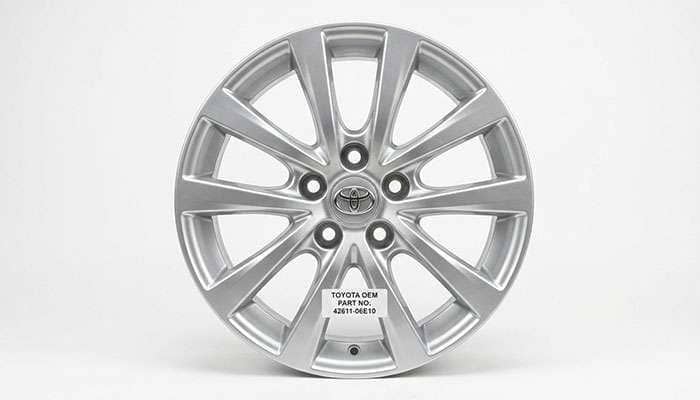
Understanding custom wheels starts with knowing what Toyota installed on your Camry from the factory. Factory specifications provide the essential baseline for any wheel upgrade decision you'll make.
Your Camry came with wheels engineered specifically for its weight, suspension geometry, and intended use. These specifications aren't random numbers—they represent tested combinations that ensure safety, comfort, and performance. When you know these factory measurements, you can make informed choices about aftermarket options that maintain or improve your driving experience.
Image Source: Toyota Parts
Factory wheel specifications provide your baseline for any aftermarket wheel selection. Understanding what Toyota engineered for your Camry helps you make informed upgrade decisions that maintain performance and safety.
Toyota offers different wheel sizes across Camry trim levels to match each model's intended purpose. Modern Camrys feature alloy wheels ranging from 17 inches to 19 inches in diameter. Base trims start with 17-inch aluminum alloy wheels, while premium models get larger, more aggressive designs.
Current generation Camry (2018-2025) wheel specifications:
LE/SE trims: 17-inch alloys (standard)
XLE/XSE trims: 18-inch alloys (standard)
TRD models: 19-inch black alloys (standard)
Wheel size affects more than appearance. Smaller 17-inch wheels deliver smoother ride quality thanks to taller tire sidewalls that absorb road imperfections better. Larger 19-inch wheels create sportier handling and more aggressive styling at the cost of ride comfort. Factory designs range from multi-spoke patterns to various finishes including chrome, silver, and black depending on your trim level.
The bolt pattern represents the most critical fitment specification for toyota camry wheels. All modern Camrys (1990-present) use a 5x114.3 bolt pattern. This measurement breaks down as:
5 = number of lug nuts/bolts
114.3 = diameter in millimeters of the circle formed by the lug holes
This 5x114.3 pattern (also called "5x4.5" in inches) has remained consistent across multiple generations. Toyota standardized this pattern starting with the third-generation Camry in 1990. Earlier generations (1982-1991) used a different 5x100 pattern, making wheel swapping impossible between old and new models.
The measurement appears as "5x4.5" in some North American aftermarket catalogs. Both designations refer to identical specifications - the bolt pattern must match exactly for safe installation.
Correct wheel specifications directly impact safety, comfort, and vehicle performance. Key measurements beyond bolt pattern include:
Offset: Typically +35 to +50mm for Camrys
Hub bore: 60.1mm for proper centering
Wheel width: Factory ranges from 6.5 to 8 inches
Wrong specifications create serious problems. Incorrect offset can cause tires to rub against fenders during turns or hit suspension components during compression. This rubbing damages both tires and body panels over time.
Proper fitment maintains speedometer accuracy. Overall diameter should stay within 1-2% of factory specs to prevent speedometer errors and potential ABS malfunctions. This becomes crucial when plus-sizing (larger wheels with lower-profile tires).
Wheel size directly affects ride comfort. Many owners actually downsize from factory 19-inch wheels to 17-inch setups specifically for better daily driving comfort. Understanding these specifications ensures your toyota camry aftermarket wheels enhance rather than compromise your driving experience.
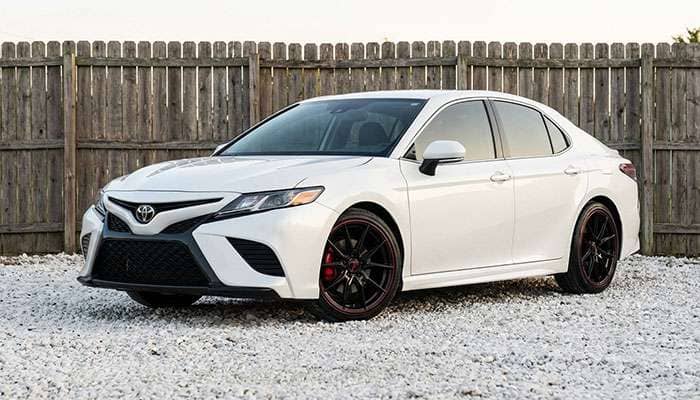
Understanding the different types of Toyota Camry Aftermarket Wheels available helps you make the right choice for your vehicle, budget, and driving style.
The wheel market offers several distinct categories, each designed to meet different needs and budgets. OEM wheels (Original Equipment Manufacturer) are built either by Toyota or by third-party manufacturers following Toyota's exact specifications. These wheels undergo rigorous testing, including x-ray inspections and pressurized immersion tests, ensuring the highest quality and reliability.
Replica wheels copy OEM designs but come from third-party manufacturers. While typically more affordable than OEM options, quality varies significantly between manufacturers. Quality replicas for your Camry should come from trusted sources that perform proper safety testing.
Aftermarket wheels include any non-OEM option, spanning from budget-friendly to premium choices. The price range shows this incredible variety—basic wheels start under $100 per wheel while premium forged options can exceed $1000 each. Mid-tier aftermarket wheels often provide the best value for Camry owners, offering enhanced performance without the premium price tag.
Budget wheels typically use simpler manufacturing processes like gravity casting to keep costs low, though this may affect strength and durability compared to higher-end options.
Need help finding compatible wheels? Check out Performance Plus Tire's Toyota Camry selection for quality aftermarket options specifically designed for your vehicle.
Your Camry can accommodate both steel and alloy wheels, each offering distinct advantages.
Steel wheels come standard on base models like the Camry L. These wheels feature two stamped steel sheets welded together—one forming the barrel and one creating the face. Steel wheels offer several benefits:
More affordable than alloy alternatives
Superior durability and easier repair (they bend rather than crack)
Excellent resistance to winter salt, making them ideal for winter setups
Can often be straightened if damaged
Alloy wheels, standard on higher Camry trims, provide different advantages:
Lighter weight improves handling, braking performance, and fuel efficiency
Better heat dissipation keeps brakes cooler during demanding driving
Available in countless styles and designs
Enhanced rigidity under high-load cornering situations
For most daily drivers, alloy wheels deliver the best combination of performance and appearance, though quality differs between manufacturers.
The finish you choose dramatically affects your Camry's overall appearance. Popular current options include:
Gloss black wheels deliver a sleek, modern appearance at various price points (USD 629-901 for a complete set). This finish pairs exceptionally well with darker vehicle colors.
Machined face wheels (typically with gloss black accents) feature polished metal surfaces contrasted against painted recesses. These wheels generally range from USD 510-839 per set, creating a distinctive two-tone look that emphasizes the wheel's design details.
Matte finishes offer a sophisticated, understated appearance. Matte black options (USD 613-901 per set) and matte gunmetal (USD 523-1040 per set) have become increasingly popular among Camry owners wanting a custom look.
Other finish options include chrome-plated (the most reflective and brightest option), powder-coated (providing superior durability), and polished aluminum (delivering a smooth metallic appearance).
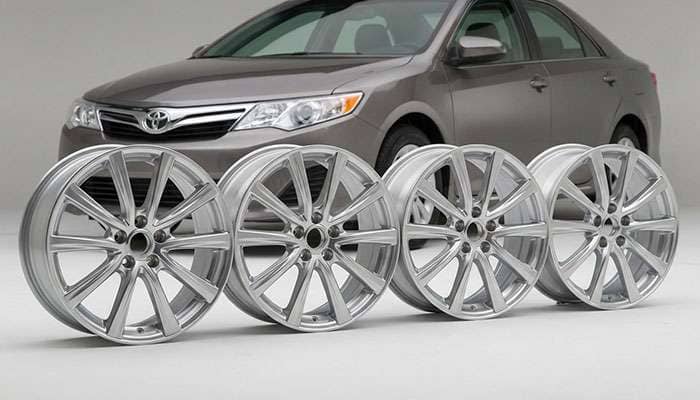
Getting fitment specifications correct is essential for your Camry's safety and performance. These measurements determine whether wheels will fit properly and function as intended. Each specification must match your vehicle's requirements precisely.
The toyota camry bolt pattern is 5x114.3mm across most modern generations. This represents five lug nuts arranged in a circle measuring 114.3mm in diameter. You'll sometimes see this written as 5x4.5" in American markets, which is the same measurement converted to inches. This pattern became standard in 1990 and remains consistent today, allowing wheel compatibility between different Camry model years. The toyota camry lug pattern must match exactly - even small differences make wheels unsafe and incompatible.
Offset controls how your wheels position relative to the fenders and suspension components. Stock Camry offset typically measures +45mm, but aftermarket options usually range from +35mm to +50mm. For a flush look where wheels align with fender edges, consider +35mm to +45mm offset. Avoid offsets between +45mm and +48mm on wheels wider than 8 inches, as this can cause rubbing against suspension struts. Lower offsets (+35mm) with wider wheels may require fender modifications on lowered vehicles.
Hub bore is the center hole diameter that centers your wheel on the vehicle's hub. Toyota camry wheels require 60.1mm hub bore consistently. This specification ensures proper centering and weight distribution. Wheels with larger hub bores can work with hub-centric rings, but smaller bores won't fit at all. All Toyota and Lexus vehicles use this same 60.1mm specification, making some wheel interchange possible across different models.
Wheel diameter and width significantly affect both appearance and driving characteristics. Factory Camry wheels range from 16 to 19 inches in diameter with widths from 6.5 to 8 inches. The 2018+ Camry SE uses 18x8-inch wheels rated for 2500 lbs per wheel. Larger diameter wheels reduce tire sidewall height, creating a sportier look but firmer ride quality. Wider wheels accommodate wider tires for better grip but may cause clearance problems. Stay close to factory dimensions to maintain speedometer accuracy and proper suspension geometry.
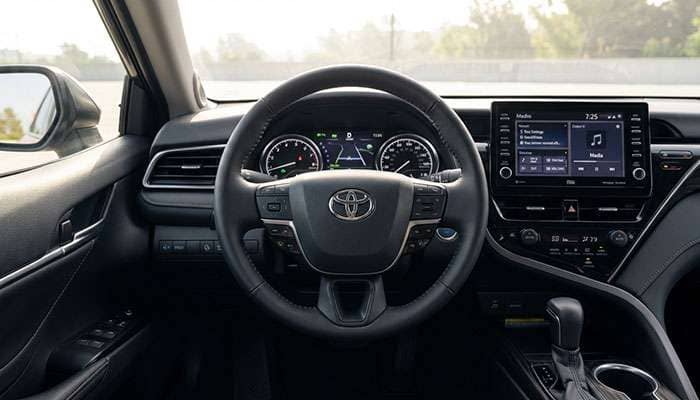
Ready to find your perfect wheels? Here's our proven process for choosing toyota camry wheels that deliver both style and performance.
Check your tire sidewall for markings like "P235/45R18" - the last number tells you the wheel diameter. The door jamb sticker on your driver's side gives you the most accurate factory specifications. This beats guessing based on aftermarket wheels that might already be installed.
Know what you want before you shop. Direct replacement means stick with factory specs. Style upgrade? Go up one inch maximum from stock. Winter wheels work best in steel - they handle salt better and straighten out when bent instead of cracking.
Your new wheels must match these critical toyota camry aftermarket wheels specifications:
Bolt pattern: 5x114.3 (or 5x4.5") - no exceptions
Offset: +35mm to +50mm range (check your model year)
Center bore: 60.1mm for proper centering
Load rating: Minimum 1,300 pounds per wheel
Look for manufacturers that offer fitment guarantees or return policies. Budget sets start around $200-400, while premium options range from $760-800 but deliver 2-3 times longer life and better safety features. Performance Plus Tire's Toyota Camry collection offers wheels specifically designed for your vehicle with proper fitment verification.
Proper installation protects your investment. Toyota specifies exactly 76 ft-lbs (103 Nm) for Camry wheel nuts. Some shops use 100 ft-lbs by mistake - this can crack alloy wheels, warp rotors, or break studs. Check your torque again after 100 miles of driving to catch any loose nuts before they cause problems.
Choosing toyota camry wheels requires careful attention to avoid costly mistakes that can compromise your safety and budget. These warning signs help you identify unreliable sellers and potentially dangerous products.
Sellers claiming "universal fit" without providing Camry-specific details should raise immediate concerns. Reputable wheel vendors always provide complete specifications including offset, bolt pattern, and hub bore measurements. Move on quickly if a seller won't confirm these critical details. Vague product descriptions without precise measurements often indicate compatibility problems waiting to happen.
Quality wheels display proper certification marks like DOT, JWL, or VIA. Without these certifications, you risk wheel failure during normal driving conditions. Always verify the published load rating meets or exceeds your Camry's requirements. Underrated load capacity creates serious safety risks, especially when carrying passengers or cargo.
Prices far below market value often signal stolen or defective merchandise. For example, 18-inch alloy wheels priced around $90 should trigger immediate suspicion. These apparent bargains frequently hide compromised structural integrity or counterfeit materials that can fail without warning.
Proper center caps protect wheel bearings from dirt and debris contamination. Many budget wheels don't support TPMS systems, creating additional expenses for tire pressure monitoring. Always confirm your chosen wheels include compatible center caps and work with your Camry's existing TPMS sensors before making a purchase.
Selecting the right aftermarket wheels for your Toyota Camry is straightforward when you follow the proper steps. This guide covers the essential specifications you need to know—from the 5x114.3 bolt pattern to the 60.1mm hub bore—giving you the foundation for a successful wheel upgrade.
We always recommend prioritizing safety when choosing toyota camry wheels. Look for proper load ratings and certifications rather than falling for deals that seem too good to be true. Proper installation with the correct 76 ft-lbs torque specification protects your investment and prevents costly problems down the road.
Your goals should drive your wheel selection. Whether you want better style, improved comfort, or winter functionality, having clear objectives helps you make the right choice. This focused approach saves both time and money.
Quality aftermarket wheels can completely change your Camry's appearance and performance when you choose wisely. The key is staying within reasonable limits of factory specifications to maintain ride quality and vehicle systems. Most Camry owners find their perfect balance between looks, performance, and daily comfort.
At Performance Plus Tire, we understand that the right wheels make all the difference in how your vehicle looks and performs. With the knowledge from this guide, you can confidently select toyota camry aftermarket wheels that enhance your Camry while maintaining the safety and reliability you expect.
Ready to upgrade your ride? The perfect set of wheels for your Camry is waiting.
Selecting the right aftermarket wheels for your Toyota Camry requires understanding critical specifications and avoiding common pitfalls that could compromise safety and performance.
• Know your Camry's exact specs: All modern Camrys use 5x114.3 bolt pattern, 60.1mm hub bore, and +35 to +50mm offset range for proper fitment.
• Match wheel size to your driving goals: Stick with 17-18 inch wheels for comfort, or choose 19+ inch for sportier appearance with firmer ride.
• Verify load ratings and certifications: Quality wheels display DOT, JWL, or VIA marks and support at least 1,300 pounds per wheel for safety.
• Avoid "universal fit" claims without specs: Legitimate sellers provide complete measurements; vague descriptions indicate potential compatibility issues.
• Install with proper torque: Use exactly 76 ft-lbs torque specification and recheck after 100 miles to prevent wheel damage or failure.
Remember that proper wheel selection balances esthetics, performance, and safety. When in doubt, consult with reputable dealers who offer test-fit guarantees and can verify compatibility with your specific Camry model year and trim level.
The most important specifications are the bolt pattern (5x114.3), hub bore (60.1mm), and offset range (+35 to +50mm). Ensure the wheels match these specs for proper fitment and safety.
Larger wheels (18-19 inches) offer a sportier look but may compromise ride comfort. Alloy wheels are lighter and improve handling, while steel wheels are more durable and better suited for winter use. Choose based on your priorities of style, performance, or practicality.
The factory-specified torque for Toyota Camry wheel nuts is 76 ft-lbs (103 Nm). It's crucial to use this exact specification and recheck the torque after driving 100 miles to ensure safety and prevent damage.
Be cautious of "universal fit" claims without specific measurements. Reputable sellers will provide complete specifications for Camry-specific fitment. Always verify the bolt pattern, offset, and hub bore before purchasing.
Look for proper certifications like DOT, JWL, or VIA on the wheels. Verify the load rating meets or exceeds your Camry's requirements. Be wary of suspiciously low prices, and choose reputable brands and sellers that offer warranties or test-fit guarantees.



