
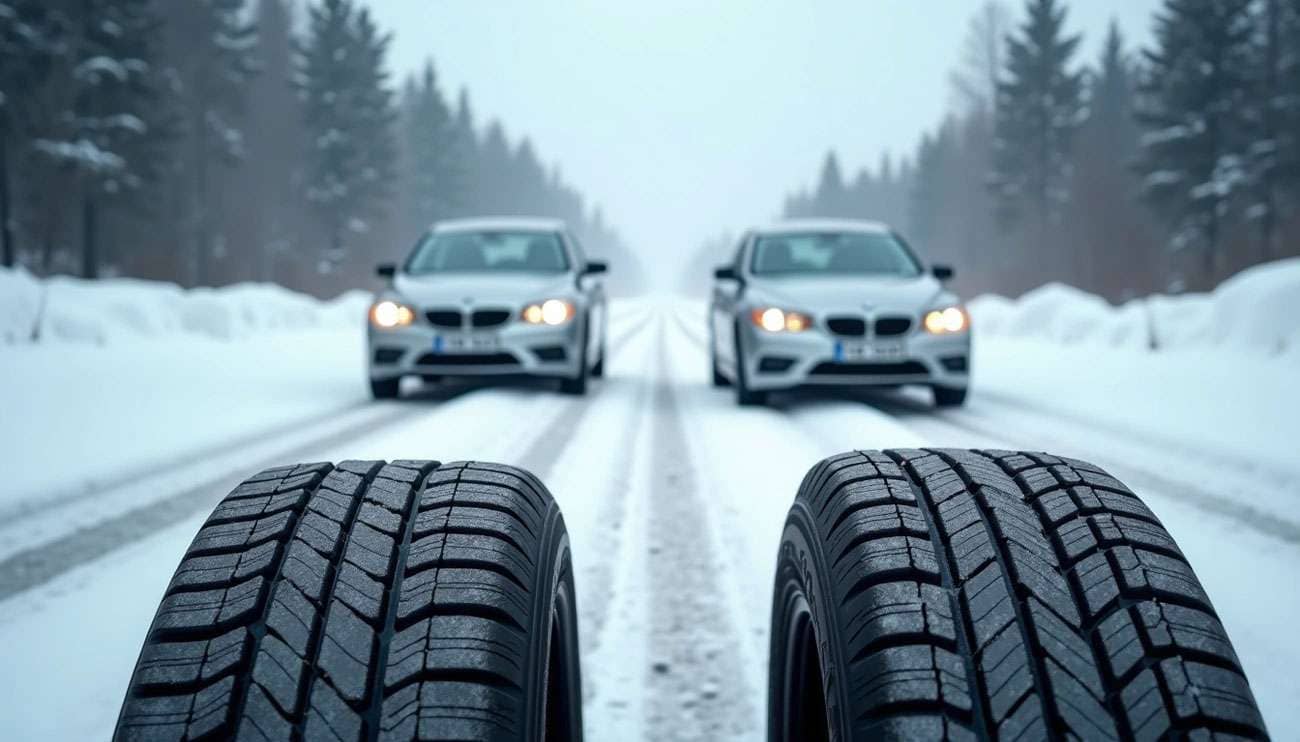
A front-wheel-drive vehicle with snow tires can grip a snowy road better than an all-wheel-drive car with all-season tires. This fact surprises many drivers who place too much confidence in their vehicle's drivetrain while overlooking what actually matters most - the tires that connect their car to the road.
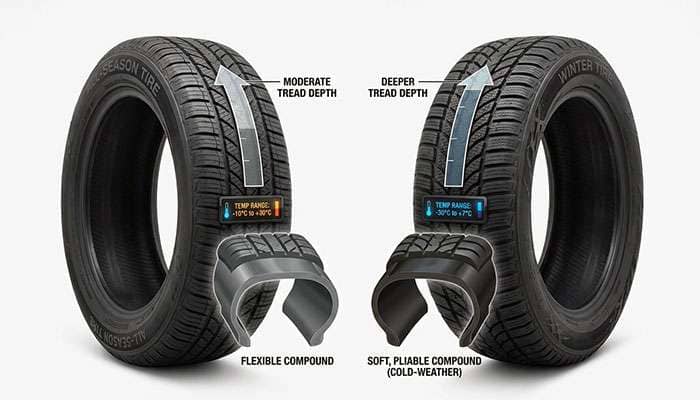
Winter tires are specifically engineered to perform better on wet roads, snow, and ice. They can reduce your braking distance by up to 30 percent compared to all-season tires in snowy conditions. The science behind this performance advantage is straightforward: winter tires use soft rubber compounds that stay flexible below 45°F. When temperatures drop, all-season tire rubber stiffens dramatically and loses grip. Winter tires also feature deeper tread patterns designed to channel snow and slush away from the tire surface.
Choosing the right winter tires can make a significant difference in your safety and driving confidence during colder months. With a typical set of snow tires costing up to $800, understanding how to select tires that match your vehicle and local driving conditions becomes essential preparation for winter driving.
This guide covers everything you need to know about selecting the perfect winter tires. We'll explain the different types available, key features to consider, and how to make smart decisions based on your specific vehicle and climate conditions.
Winter isn't just about snow - it's about temperature. Snow tires (often called winter tires) are specialized tires designed to perform at temperatures below 45°F (7°C), whether on snowy, icy, or even dry cold roads. Understanding what makes these tires different helps explain why they're essential for cold weather driving.
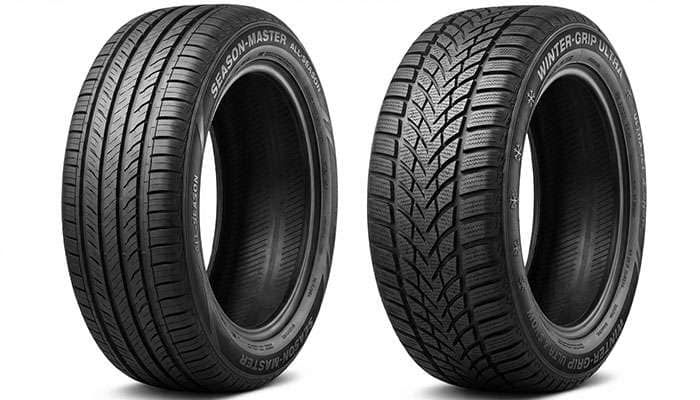
The key differences between winter tires and all-seasons lie in their construction and materials. Winter tires use specialized rubber compounds containing natural rubber, silica, and specific oils that prevent stiffening in cold conditions. They feature deeper tread depths with unique patterns designed to channel snow, slush, and water away from the tire's surface.
All-season tires use parallel tread patterns, while winter tires employ horizontal and zig-zag patterns that create extra "biting edges". Winter tires also contain thousands of tiny slits called "sipes" that act as additional gripping edges on ice. These design elements work together to provide up to 50% shorter stopping distances on ice compared to all-season tires.
All-season tire rubber begins to harden when temperatures drop below 45°F, dramatically reducing traction. This happens due to what scientists call the "glass transition temperature" - the point where rubber compounds change from flexible to rigid.
Winter tires are engineered to remain flexible even in freezing temperatures. This flexibility allows the tire to conform to road irregularities, creating micro-level contact points that generate friction on slippery surfaces. The tire essentially "molds" around small road surface variations rather than skipping over them.
The contact patch represents where your tire meets the road - small rectangular areas that determine how well your vehicle corners, accelerates, stops, and handles. Maximum surface contact between the tire and road is critical for optimal winter performance.
Winter tires enhance this contact through their flexible compounds and specialized tread designs. Deeper grooves and sipes allow the tire to bite into snow and ice while pushing slush away, maintaining essential road contact. This becomes particularly important during braking, where winter tires can grip the road more effectively, resulting in shorter stopping distances in snow and ice.
Understanding the different types of winter tires available helps you make the right choice for your specific driving needs and local conditions.
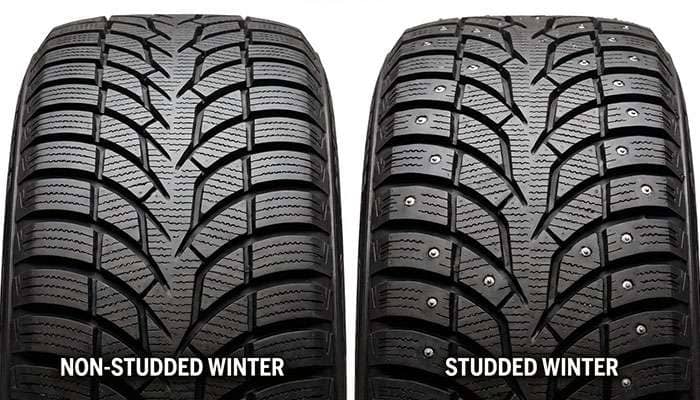
Studded tires feature metal studs embedded in the tread that dig directly into ice for maximum traction on icy roads. These tires excel on ice but come with significant drawbacks - they damage pavement, create noise during driving, and face restrictions or bans in many states.
Studless winter tires rely on advanced rubber compounds and specialized tread technologies instead of metal studs. These tires maintain flexibility even in freezing temperatures through specially formulated rubber compounds. Deep tread depths manage snow dispersion effectively, while thousands of tiny slits called sipes create additional biting edges on ice. For most drivers, modern studless options deliver excellent winter performance without the limitations of studded tires.
Performance winter tires balance cold-weather capability with responsive handling characteristics. These tires perform best on cleared roads, offering superior wet traction and handling compared to standard winter tires. However, they typically sacrifice some deep-snow and ice performance.
Standard winter tires prioritize maximum snow and ice traction through softer compounds and more aggressive tread patterns. These tires are the best choice for regions with consistent heavy snowfall or rural areas where roads may not be plowed frequently.
Trucks and SUVs need specialized winter tires engineered for their weight and capabilities. These tires feature wider tread gaps and slightly harder compounds than car winter tires, while still remaining softer than all-season options. The design works best in deep snow conditions and provides particular benefits for rural driving where roads may stay unplowed.
Two key markings help you identify genuine winter tires. The M+S (Mud and Snow) symbol indicates basic winter capabilities based on tread design alone. This designation requires only visual inspection without actual performance testing.
Look for the Three-Peak Mountain Snowflake (3PMSF) symbol instead, which certifies tires that have passed specific winter traction performance tests. Only tires bearing this symbol can officially be called "winter tires" or "snow tires". For serious winter conditions, always choose tires with the 3PMSF symbol rather than relying on the M+S marking alone.
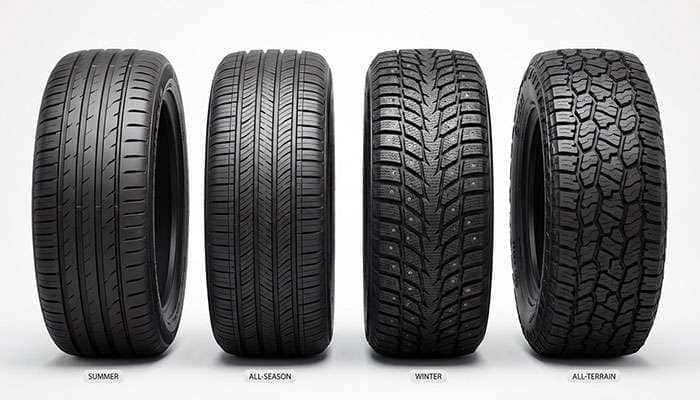
Selecting winter tires requires matching the right tire to your specific needs. Here are the key factors to consider when making your decision.
Your local weather patterns determine which winter tire type will serve you best. Areas with consistent cold temperatures and heavy snowfall benefit from standard winter tires with aggressive tread patterns. Regions with frequent ice storms require tires with superior ice traction capabilities. Drivers in milder climates with occasional winter weather might find all-weather tires provide adequate protection.
Consider where and how you drive most often. Frequent travel on unplowed rural roads or steep terrain calls for tires with maximum snow traction capabilities. City drivers who encounter mostly cleared roads might prioritize tires that balance winter performance with handling. For predominantly icy conditions, studded tires deliver the best grip, while studless options work better across varied winter surfaces.
Install winter tires on all four wheels to maintain vehicle stability and prevent dangerous handling issues. Check your owner's manual for the correct tire size, load rating, and speed rating specifications. Trucks and SUVs need winter tires specifically designed for heavier vehicles, typically featuring reinforced construction and tread patterns optimized for their weight.
Look for the Three-Peak Mountain Snowflake (3PMSF) symbol, which certifies that tires have passed rigorous winter performance testing. Check tread depth specifications - quality winter tires should have at least six millimeters of tread depth. Compare sipe patterns and tread designs between different models to find the best match for your driving conditions.
Browse our selection of winter tires at Winter Tires to find the perfect match for your vehicle and driving conditions.
Understanding winter tire costs and proper care helps you maximize your investment and ensure optimal performance throughout multiple seasons.
Quality winter tires typically cost between $400 and $800 for a set of four standard options, though prices vary based on tire type and vehicle size. Studless winter tires range from $400 to $1,200, while studded options cost $500 to $1,500. SUV and truck owners should budget more, as larger winter tires run between $800 and $1,500+. Premium brands like Bridgestone Blizzak or Michelin X-Ice command $600 to $1,800+ per set.
Install your winter tires when temperatures consistently stay below 45°F (7°C), ideally before the first snowfall. This protects your regular tires from cold damage. Remove winter tires when spring temperatures reliably exceed 45°F, typically in late March or April depending on your location. Using winter tires in warm weather accelerates wear due to their softer compounds.
Clean your tires thoroughly with mild soap and water before storage to remove road grime and brake dust. Once dry, place each tire in an airtight plastic bag with excess air removed. Store in a cool, dry, well-ventilated area away from sunlight, heat sources, and chemicals. Store unmounted tires upright and mounted tires stacked. Rotate their position monthly to prevent pressure points.
Many insurance companies offer winter tire discounts of 2-5% off premiums. All four tires must display the Three-Peak Mountain Snowflake (3PMSF) symbol to qualify. Most insurers require installation by November 1st through mid-to-late April. These discounts, combined with reduced accident risk and proper maintenance, create substantial long-term value.
At Performance Plus Tire, we offer competitive pricing on winter tires with expert installation services. Shop our complete selection at Winter Tires to find the perfect winter tires for your vehicle and budget.
Winter tires make the critical difference between safe winter driving and dangerous situations on cold roads. When temperatures drop below 45°F, your tires become the most important safety feature on your vehicle - more important than all-wheel drive, electronic stability control, or any other advanced system.
The investment in quality winter tires pays for itself through improved safety, insurance discounts, and peace of mind during harsh weather conditions. While you might spend $400 to $1,800 on a set, this cost becomes insignificant when you consider the potential consequences of sliding into an accident or getting stranded due to poor traction.
Proper timing ensures you get maximum value from your winter tire investment. Install them before consistent cold weather arrives and remove them when spring temperatures return. This approach protects both your regular tires and extends the life of your winter tires.
At Performance Plus Tire, we understand that winter tires aren't just an upgrade - they're essential safety equipment for anyone driving in cold weather conditions. Your tires are the only part of your vehicle that actually touches the road. We believe in providing the best selection of winter tires at competitive prices to keep you safe during the toughest driving conditions.
Ready to upgrade your winter driving safety? Browse our extensive selection of winter tires at Winter Tires to find the perfect match for your vehicle and driving needs. Our expert team is ready to help you make the right choice for safe winter driving.
Understanding how to choose the right snow tires can dramatically improve your winter driving safety and potentially save your life during harsh weather conditions.
Winter tires aren't just about snow—they're engineered for any cold weather driving. Their specialized rubber compounds remain flexible in freezing temperatures while deeper tread patterns and thousands of tiny sipes create superior traction on ice, snow, and even cold dry pavement. This technology can reduce your stopping distance by up to 30% compared to all-season tires in winter conditions.
Look for tires with the Three-Peak Mountain Snowflake (3PMSF) symbol, which indicates certified winter performance. Choose tires with at least six millimeters of tread depth and consider your local climate and driving habits. Match the tire size to your vehicle's specifications and install the same winter tires on all four wheels for optimal safety.
While AWD improves traction, it's not a substitute for winter tires. Snow tires provide superior grip and shorter stopping distances in cold conditions, even on dry roads. A front-wheel-drive vehicle with snow tires can often outperform an AWD vehicle with all-season tires in winter conditions.
Install winter tires when temperatures consistently drop below 45°F (7°C), typically before the first snowfall. Remove them in spring when temperatures reliably stay above 45°F, usually in late March or April, depending on your location. This timing helps protect your regular tires and prevents premature wear of winter tires.
A set of four quality snow tires typically costs between $400 and $800 for standard options, though prices can range from $400 to $1,800 or more for premium brands or larger vehicles like SUVs and trucks. Consider this an investment in safety, as many insurance companies offer discounts for using winter tires.
Studded tires have metal studs embedded in the tread for superior traction on ice but can damage pavement and are restricted in some areas. Studless winter tires use advanced rubber compounds and tread designs to provide excellent winter performance without the drawbacks of studs. For most drivers, modern studless options offer the best balance of performance and versatility.



