
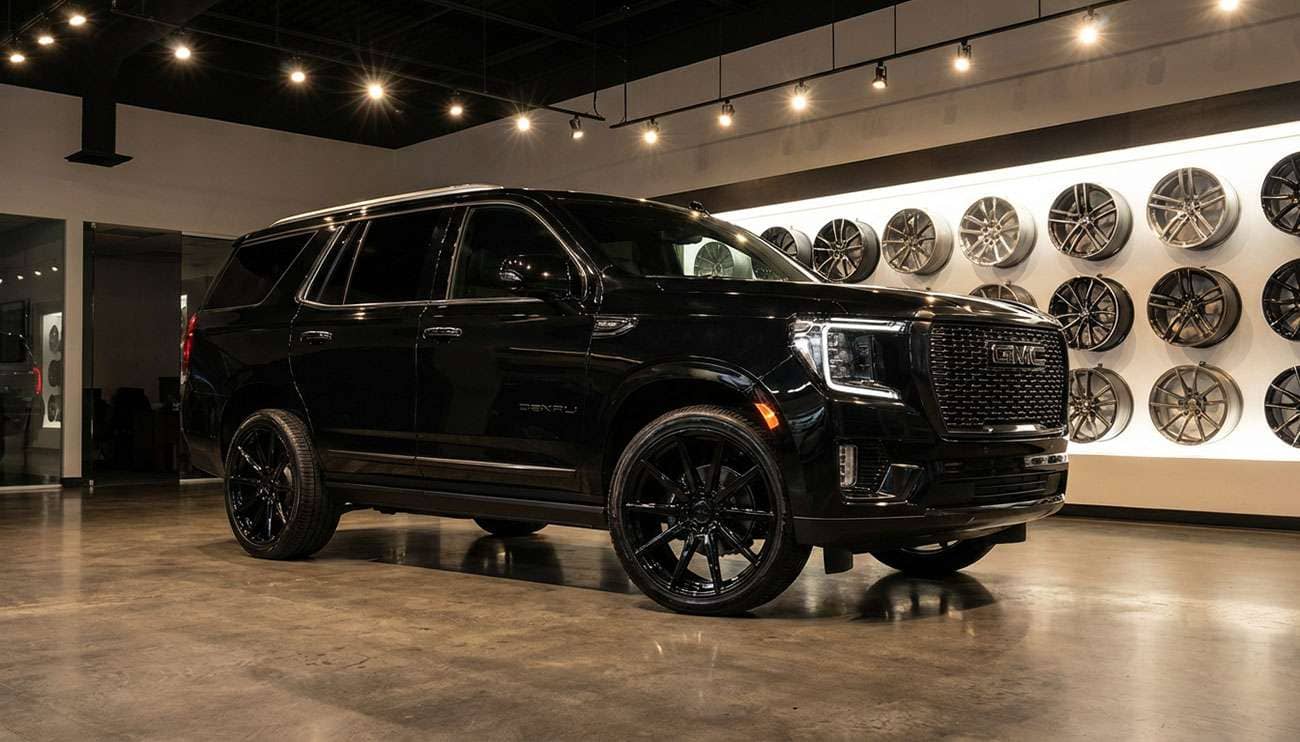
GMC Yukon aftermarket wheels do more than change your vehicle's appearance. The right wheels improve ride comfort, reduce road noise, enhance fuel efficiency, and can even upgrade braking performance. GMC expanded wheel choices for the Yukon from 14 styles to 20 for 2025, with factory pricing ranging from $1,525 to $3,795.
At Performance Plus Tire, we understand that selecting GMC Yukon wheels requires more than browsing pictures online. Whether you're considering GMC Yukon black rims for that aggressive look, exploring 2024 GMC Yukon aftermarket wheels, or researching the latest 2025 GMC Yukon aftermarket wheels, proper fitment makes the difference between a successful upgrade and costly problems.
We'll guide you through selecting the right GMC Yukon wheels based on your vehicle's exact specifications, driving needs, and budget. Our expertise ensures you get wheels that enhance both performance and appearance without compromising safety or creating expensive fitment issues.
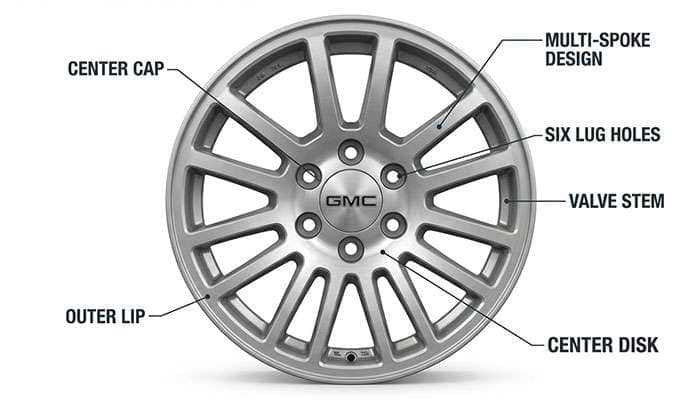
Understanding GMC Yukon wheel specifications matters before you start shopping for aftermarket options. Choosing wheels based only on appearance creates problems - rubbing against fenders, vibration during driving, or worse safety issues.
GMC Yukon wheels use consistent specifications across generations. From 2000 through 2026, all Yukon models require a 6x139.7mm (or 6x5.5") bolt pattern. This means six lug holes arranged in a circle with 139.7mm diameter. The earlier 1991-1999 GMT400 generation used a different 5x127mm pattern. Your 2024 GMC Yukon or 2025 GMC Yukon uses the standard 6x139.7mm specification across all trims - SLE, SLT, Denali, and AT4.
Center bore refers to the diameter of the center hole that fits over your vehicle's hub. Yukon models require a standard 78.1mm center bore. Aftermarket wheels often feature larger center bores up to 87.1mm. When the wheel bore exceeds 78.1mm, hub-centric rings fill the gap to prevent vibration and ensure proper centering. Wheels with smaller bores won't fit at all. Wheel fasteners use M14 x 1.5 thread size, with proper torque specification at 190 Nm or 140 lbf⋅ft.
Factory GMC Yukon rims undergo extensive engineering and testing to match your vehicle's suspension tuning, braking system, and electronic stability controls. GM invests heavily in research to ensure OEM wheels deliver optimal performance across different conditions. Factory wheels guarantee precise fitment without modifications and maintain warranty compliance.
Aftermarket wheels expand your customization options significantly. You'll find GMC Yukon black rims, chrome finishes, and sizes beyond factory offerings. Quality varies dramatically among aftermarket manufacturers. Most aftermarket wheels receive minimal quality control during production compared to OEM standards. Manufacturing ranges from basic casting to advanced forging, directly affecting strength and durability. Budget aftermarket wheels often lack the structural integrity needed for heavy SUVs, especially during towing or cargo hauling.
Load capacity determines whether wheels safely support your vehicle's weight. A fully loaded Yukon Denali exceeds 6,500 lbs, with typical curb weight around 5,800 lbs. Using 50/50 front-to-rear weight distribution, each front wheel carries approximately 2,900 lbs before passengers or cargo.
The minimum safe load rating per wheel for any Yukon stands at 2,700 lbs. Denali trims, AT4 models, or towing applications require wheels rated at 3,000+ lbs for proper safety margin. Many budget aftermarket wheels advertise only 2,500 lbs load ratings, which falls dangerously below requirements. Construction method affects this significantly. Cast aluminum wheels provide adequate strength but lower fatigue resistance compared to flow-formed or forged options.
Tire Pressure Monitoring System compatibility affects whether your new GMC Yukon wheels function properly with factory electronics. GM changed TPMS sensor frequencies during production. Models through mid-2019 use 315 MHz sensors, while 2020 and newer models require 433 MHz. Wrong frequency prevents tire pressure detection, causing constant warning lights.
Newer Yukon models starting in 2021 use different sensor part numbers than earlier generations, despite frequency compatibility. When purchasing GMC Yukon aftermarket wheels or GMC Yukon Denali aftermarket wheels, verify wheels either include TPMS-compatible valve stems or accommodate sensor installation. Adding sensors after wheel installation increases labor costs and complexity.
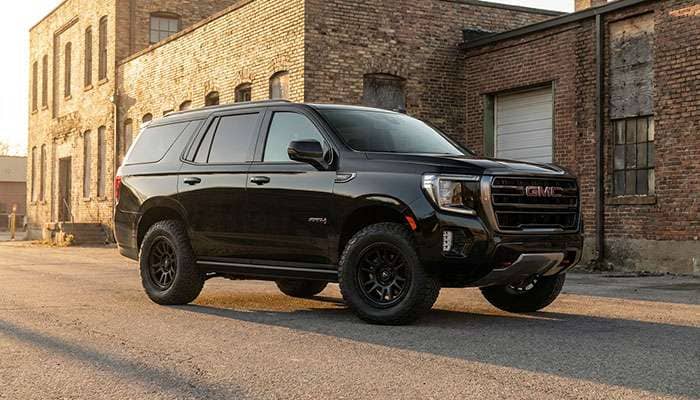
GMC Yukon aftermarket wheels fall into distinct categories based on finish, construction, and size. Each serves different priorities, whether you're after pure aesthetics, maximum performance, or the perfect balance between both.
Black finishes rule the aftermarket wheel market for the Yukon. You'll find multiple variations beyond basic gloss black. Gloss Black delivers a mirror-like shine that resembles wet paint. Satin or Matte Black eliminates reflectivity for a more subdued, stealth appearance. Low Gloss Black with machined accents combines dark surfaces with polished highlights along spoke edges.
Premium manufacturers offer Carbon Flash Metallic and After Midnight Metallic finishes that appear black under normal lighting but reveal metallic flake in direct sunlight. Black and machined combinations pair dark painted surfaces with bright machined faces, creating contrast without chrome's maintenance demands.
GMC Yukon black rims deliver an aggressive stance that works perfectly with lifted suspensions and darker paint schemes. Factory black wheel options range from $2,995 to $4,395 depending on spoke complexity and finish quality.
Chrome plating remains popular despite requiring more maintenance. True chrome involves electroplating multiple metal layers onto the wheel surface. A 22-inch chrome multi-spoke wheel from GMC Accessories costs $995 per wheel and weighs 42.33 lbs. Aftermarket chrome replicas cost between $369 and $520 depending on the supplier.
Polished aluminum differs significantly from chrome. The process involves machining and buffing raw aluminum to a mirror finish without additional coatings. Quality polishing produces shine approaching chrome appearance while maintaining lighter weight. These wheels require periodic re-polishing to maintain their brilliance.
Factory polished 22-inch aluminum wheels carry a $1,525 upcharge. For detailed fitment options across all finish types, you can search wheels specific to your Yukon model year.
Construction method determines your wheel's strength-to-weight ratio. Cast wheels begin with molten aluminum poured into molds. Modern low-pressure and counter-pressure casting produces reliable mechanical properties suitable for SUV applications. Cast wheels handle typical driving, towing, and moderate off-road use when properly rated.
Forged wheels start with solid aluminum billets compressed under extreme pressure before heat treatment. This process aligns grain structure, creating denser material with superior strength-to-weight characteristics. Forged aluminum deforms under catastrophic stress rather than shattering.
The performance advantage shows most clearly in larger 22-inch and 24-inch diameters where unsprung weight reduction affects ride quality. Price differences are substantial - a 24x14 cast wheel costs around $2,000 while comparable forged versions exceed $10,000.
The 2025 Yukon eliminated 18-inch wheels entirely, making 20-inch the smallest factory option. Twenty-inch wheels balance ride comfort with visual presence. Standard 20x9 configurations use offsets between 24mm and 31mm.
Twenty-two-inch wheels dominate the market segment. The 2026 Yukon offers 18 different 22-inch designs. Factory 22x9 specifications typically use 31mm offset with 78.1mm center bore. Aftermarket 22-inch GMC Yukon wheels range from $202 to $520 per wheel.
Twenty-four-inch options appeared in 2025 as factory and LPO additions. These wheels use 285/40/24 tire sizing and fit 1999-2026 models with the 6x139.7 bolt pattern.
Accurate measurements make the difference between a perfect wheel installation and expensive problems. Understanding offset, width, and model-specific requirements prevents costly mistakes after purchase.
Offset determines where your wheels sit relative to your vehicle's suspension and fenders. The 2024 GMC Yukon requires 26-30mm offset for 20-inch and 22-inch wheels. Earlier models with 18-inch wheels need 24-28mm offset. The 2025 model year maintains these specifications, with new 24-inch wheels using 24-28mm offset.
Factory 20-inch Yukon wheels typically measure 20x8.5 with 31mm offset. Some trims vary with 22mm or 27mm depending on the specific design. Straying outside these ranges creates serious problems. Too much positive offset forces wheels inward, causing contact with suspension components. Too much negative offset pushes wheels outward past your fenders, exposing painted surfaces to constant road debris. This bombardment pits paint and strips clear coat over time.
Proper centering requires the wheel's center bore to match your vehicle's hub diameter. The Yukon's 78.1mm center bore specification applies to both 2024 and 2025 model years. Many aftermarket wheels feature larger center bores between 78.1mm and 87.1mm. When the wheel bore exceeds 78.1mm, hub-centric rings become essential.
These rings fill the gap between the wheel's center bore and your vehicle's hub. Without them, wheels depend entirely on lug nuts for centering, creating vibration during driving. Quality hub-centric rings use aerospace-grade materials designed to handle stress. Spacer installations require matching both vehicle and wheel bolt patterns to the 6x5.5 (6x139.7) specification.
Wheel width must match your tire sizing requirements for safe operation. Eighteen-inch wheels measure 8.5J width and work with 265/65R18 tires. Twenty-inch wheels use 9J width paired with either 275/55R20 or 275/60R20 tires. Twenty-two-inch wheels maintain the 9J width but require 275/50R22 rubber. The 2025 model year introduced 24-inch wheels at 9.5J width designed for 285/40R24 tires.
The 2025 GMC Yukon brought significant wheel lineup changes. Factory choices expanded from 14 styles to 20 options. The biggest change eliminated 18-inch wheels completely from the 2025 lineup when GMC discontinued the SLE trim. GMC added four new 24-inch wheel options for 2025, including both factory-installed and LPO styles. Offset specifications stayed consistent between years, keeping the 26-30mm range for 20-inch and 22-inch sizes.
Choosing GMC Yukon aftermarket wheels requires a systematic approach that matches technical specifications with your driving needs. We'll walk you through our proven selection process.
Start by identifying your Yukon's exact specifications. Check the driver's door jamb sticker or owner's manual for trim-specific details. Your trim level (SLE, SLT, AT4, or Denali) determines factory wheel sizing and offset ranges. Write down your current wheel diameter, width, and offset measurements before shopping.
Your driving patterns determine the best wheel choice. Urban drivers benefit from 20-inch bright chrome or carbon flash designs that handle city conditions well. Family haulers should consider 22-inch factory Denali wheels for the right balance of ride quality and visual presence. Frequent towing requires staying with stock specifications or verifying a 10% load margin on aftermarket options. Cold climates call for dedicated steel wheels with snow tires to protect your alloys.
Never buy wheels marked "fits GM trucks" without Yukon-specific validation. Cross-check offset claims with fitment databases instead of accepting dealer statements alone. Avoid retailers advertising "universal fit" for full-size SUVs. For verified fitment across multiple wheel styles, you can search wheels specific to your Yukon using your exact model year and trim.
Chrome wheels need sealing to prevent pitting from brake dust. Clear-coated finishes require only car wash soap and water. Polished aluminum demands regular maintenance to prevent oxidation, and finish deterioration isn't covered under warranty. Weekly cleaning removes corrosive brake dust and moisture-trapping road grime.
Buy from suppliers that provide detailed fitment guides for your model year. Confirm return policies cover fitment errors before placing your order. Look for lifetime structural warranties - suppliers without them signal questionable quality commitment.
Twenty-inch OEM-style sets range from $800 to $1,300 for four wheels. Twenty-two-inch Denali wheels cost between $1,100 and $1,800. Factor in hub-centric rings, lug nuts, and TPMS sensors as separate expenses. These additional components can add several hundred dollars to your total investment.
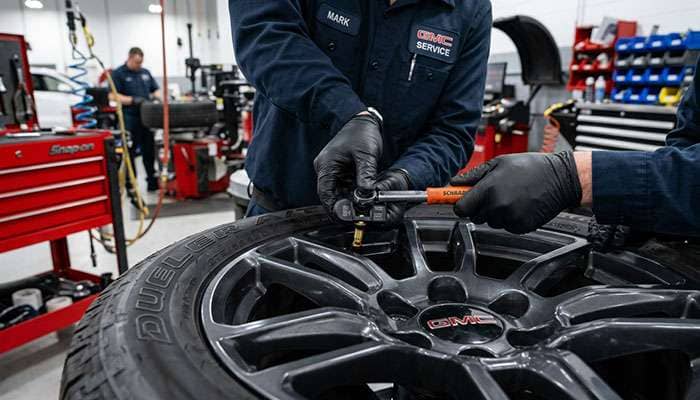
When it comes to GMC Yukon aftermarket wheels, certain mistakes can turn an exciting upgrade into an expensive problem. We see these issues repeatedly, and most are completely preventable with proper planning.
Wrong offset causes tires to rub against fenders or suspension components. Excessive positive offset forces contact with suspension parts, while negative offset pushes wheels outward, hitting fenders during turns. Stock 275/60R20 tires measuring 33.4 inches in diameter rub when paired with incorrect offset, requiring fender liner modifications.
The consequences extend beyond cosmetic damage. Changing offset alters suspension geometry and increases stress on wheel bearings. What starts as minor rubbing during parking lot turns becomes severe damage during highway driving or emergency maneuvers.
TPMS compatibility creates headaches for many Yukon owners. GM switched from 315MHz sensors to 433MHz mid-2019. Using incorrect frequency prevents pressure detection, triggering constant dashboard warnings. Newer VIP architecture requires specific sensor part numbers beyond frequency matching.
The relearn process allows two minutes for the first wheel position and five minutes total for all four positions. Some aftermarket sensors fail to program with standard shop tools, requiring dealer intervention. Budget an additional $200-400 for sensor replacement and programming when this goes wrong.
Replica wheels use gravity casting rather than low-pressure casting, producing weaker, more porous metal. These counterfeit products undergo minimal quality control and show higher failure rates. Listings use vague terms like "OEM style" or "Replacement" to disguise replica status.
Quality wheels cost more upfront but prevent catastrophic failure. We've seen replica wheels crack under normal driving conditions, creating dangerous situations at highway speeds. Stick with reputable manufacturers that provide load rating documentation and structural warranties.
Calculate minimum wheel load by dividing your highest Gross Axle Weight Rating by two. Wheels below this rating risk structural cracks and suspension damage. Towing requires ratings above the calculated minimum.
Many budget wheels advertise load ratings barely meeting empty vehicle weight. Add passengers, cargo, and trailer tongue weight, and you exceed safe limits quickly. The Yukon's substantial weight demands wheels rated at 2,700 lbs minimum, with 3,000+ lbs recommended for towing applications.
You now have the essential knowledge to choose GMC Yukon aftermarket wheels that deliver both the style you want and the performance your vehicle needs. Successful wheel selection comes down to verifying exact fitment specifications - bolt pattern, offset, center bore, and load ratings - before you make any purchase.
Whether you're looking for GMC Yukon black rims to create that aggressive stance, chrome finishes for classic appeal, or high-performance forged options, getting the specifications right matters more than appearance alone. Search for wheels specific to your Yukon's year and trim to ensure perfect fitment from day one.
Don't take shortcuts with specifications or settle for "universal fit" claims. Your Yukon deserves wheels that enhance both performance and appearance while maintaining the safety and reliability you expect. We're here to help you find the perfect wheels that match your vehicle's exact requirements and your personal style preferences.
Selecting the right aftermarket wheels for your GMC Yukon requires understanding critical specifications and avoiding common pitfalls that can lead to expensive problems.
• Verify exact specifications first: All Yukon models (2000-2026) use 6x139.7mm bolt pattern, 78.1mm center bore, and require 26-30mm offset for proper fitment without rubbing issues.
• Match load ratings to your usage: Minimum 2,700 lbs per wheel for standard driving, 3,000+ lbs for towing applications to prevent structural failure and suspension damage.
• Check TPMS compatibility before purchase: Models through mid-2019 use 315MHz sensors while 2020+ models require 433MHz sensors for proper tire pressure monitoring.
• Factor total costs beyond wheel price: Include hub-centric rings, TPMS sensors, installation, and potential programming fees when budgeting for your upgrade.
• Choose reputable suppliers with warranties: Avoid "universal fit" claims and counterfeit wheels by purchasing from verified suppliers offering detailed fitment guides and structural warranties.
Remember that proper wheel selection balances style preferences with technical requirements. Taking shortcuts on specifications or buying from questionable sources can result in rubbing issues, vibration problems, or safety concerns that far exceed any initial savings.
Twenty-inch wheels offer a better balance for the GMC Yukon. The 2025 model eliminated 18-inch wheels entirely, making 20-inch the smallest factory option. Twenty-inch wheels provide improved ride comfort compared to larger sizes while maintaining visual presence. They also reduce unsprung weight, which positively affects handling and fuel efficiency compared to 22-inch or 24-inch options.
Avoid wheels with incorrect offset outside the 26-30mm range, as this causes rubbing against fenders or suspension components. Never purchase wheels with load ratings below 2,700 lbs per wheel, or 3,000+ lbs if you tow regularly. Stay away from wheels advertised as "universal fit" without Yukon-specific validation, and avoid any wheels that don't match the required 6x139.7mm bolt pattern and 78.1mm center bore.
Yes, TPMS compatibility is critical. GMC Yukon models through mid-2019 use 315MHz sensors, while 2020 and newer models require 433MHz sensors. Using the wrong frequency prevents tire pressure detection and triggers constant warning lights. When purchasing aftermarket wheels, verify they can accommodate TPMS sensor installation or include compatible valve stems to avoid additional labor costs.
Cast wheels are made by pouring molten aluminum into molds and are suitable for typical driving, towing, and moderate off-road use when properly rated. Forged wheels are compressed from solid aluminum billets under extreme pressure, creating denser material with superior strength-to-weight characteristics. Forged wheels are significantly more expensive but offer better performance, especially in larger 22-inch and 24-inch diameters where weight reduction affects ride quality.
Budget beyond just the wheel price. Twenty-inch OEM-style sets range from $800 to $1,300 for four wheels, while 22-inch options cost between $1,100 and $1,800. Factor in additional expenses including hub-centric rings, lug nuts, TPMS sensors, installation labor, and potential sensor programming fees. Total costs can increase by several hundred dollars once all necessary components and services are included.



