

The Dodge Grand Caravan has been the benchmark for family minivans since 1987. Properly fitting tires can significantly improve handling, safety, and your vehicle's overall performance.
When it comes to tire selection, Grand Caravan owners face a common challenge. With tire sizes like 235/65R17 being the most popular and dozens of aftermarket options available at every price point, making the right choice isn't always straightforward.
We understand that finding the right dodge caravan tire size, selecting new tires for dodge grand caravan, or upgrading your grand caravan spare tire kit requires expert guidance. That's exactly what we're here to provide.
Our guide covers everything you need to know about tire specifications, performance categories, and budget options. We'll help you find the perfect tires that match your Grand Caravan's needs and your driving style.

Every tire sidewall displays a code that contains essential fitment and performance information. Take P225/65R17 100H as an example. The P designates a passenger vehicle tire, while LT would indicate light truck and ST means special trailer. You should never use a temporary or trailer tire on a road vehicle.
The three-digit number following the letter represents tire width in millimeters from sidewall to sidewall. When you see P225/65R17, that tire measures 225mm wide, roughly 8.9 inches.
After the forward slash comes the aspect ratio, which shows sidewall height as a percentage of width. A ratio of 65 means the sidewall height equals 65% of the tire's width. Larger aspect ratios create taller sidewalls and provide a softer ride, while lower ratios improve handling response.
The R indicates radial construction, where internal plies run perpendicular to the direction of travel. Radial construction delivers better road grip, lower rolling resistance, and superior durability compared to bias-ply designs.
The number 17 specifies wheel diameter in inches, representing the distance between bead seat areas where the tire seals onto the wheel. Matching this measurement precisely is critical because installing a tire on an incorrect diameter rim creates serious safety risks.
The final portion 100H combines load index and speed rating. Load index 100 corresponds to 1,764 pounds per tire. Speed rating H indicates a maximum sustained speed of 130 mph.
Tire specifications for the Grand Caravan evolved significantly across generations:
Model Years |
Common Tire Sizes |
Wheel Diameter |
|---|---|---|
1987-1995 |
195/75R14, 205/70R15 |
14-15 inches |
1996-2000 |
215/65R15, 215/65R16 |
15-16 inches |
2001-2007 |
215/70R15, 215/65R16, 215/60R17 |
15-17 inches |
2008-2013 |
225/65R16, 225/65R17, 235/60R16 |
16-17 inches |
2014-2020 |
225/65R17 |
17 inches |
Standard pressure recommendations remain consistent at 35-36 psi for both front and rear positions across most model years.
Load index numbers for passenger vehicles typically range from 75 to 105. For the Grand Caravan, common ratings include 95 (1,521 pounds), 98 (1,653 pounds), and 100 (1,764 pounds). Multiply the per-tire capacity by four to determine total vehicle load capacity, assuming even weight distribution.
Speed ratings S and T work well for most sedans, minivans, and light trucks. S-rated tires handle up to 112 mph, while T-rated versions reach 118 mph. H-rated tires, capable of 130 mph, appear on some passenger cars and sports models. When installing tires with different speed ratings, mount lower-rated tires on the front axle to prevent oversteering.
Manufacturers invest millions developing vehicles around specific tire sizes. Selecting a tire with a lower load index than original equipment affects how much weight your vehicle can safely carry. Installing larger tires with inferior load ratings could impact towing and hauling capacity.
Sidewall strength and load index become essential when carrying passengers and cargo. Factory tires weren't just selected to handle maximum weight but engineered to exceed requirements. Changing from factory specifications essentially reengineers what automakers tested extensively. Matching or exceeding factory tire load index prevents blowouts and maintains proper handling characteristics.
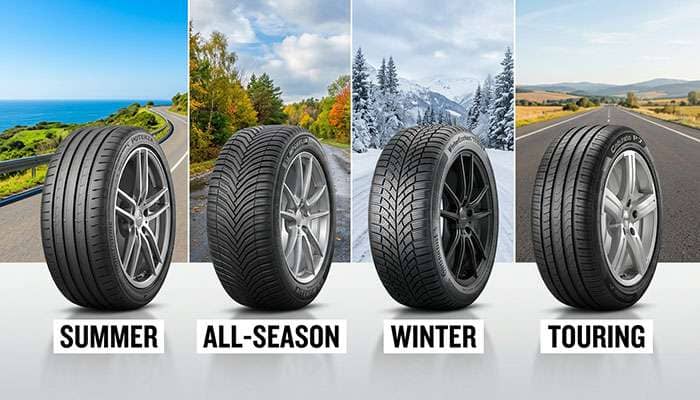
Selecting the right Chrysler Grand Caravan aftermarket tires starts with understanding your driving patterns. Four main tire categories serve different purposes, each engineered for specific road conditions and climate demands.
All-season tires remain the most popular choice for Grand Caravan owners. They deliver reliable performance in dry, wet, and light snow conditions without seasonal tire changes. You'll benefit from long tread life, quiet operation, and excellent value.
The balanced tread design provides consistent grip across varying weather conditions. Michelin CrossClimate2 features a V-formation tread pattern that adapts from sunny to stormy weather. The Cooper CS5 Ultra-Touring offers confident performance across different conditions. Goodyear's WeatherReady2 delivers smooth highway driving while maintaining wet weather capability.
For daily commuting and highway driving, all-season tires provide adequate light snow performance alongside comfortable road manners. The trade-off means accepting that specialized tires will outperform them in extreme conditions.
Touring tires focus on smooth, quiet performance for everyday family driving. These tires feature tread patterns specifically engineered to reduce road noise. Wide tread blocks create stable handling and predictable grip.
Advanced rubber compounds balance extended tread life with dependable wet and dry traction. Noise reduction technology makes these tires exceptionally quiet during family trips. Comfort and consistency define the driving experience.
The Bridgestone Turanza EverDrive offers premium touring performance with an 80,000-mile warranty. Touring options provide superior comfort, longer life, and better highway handling compared to standard all-season tires. Expect excellent high-speed stability and even wear patterns.
All-terrain options work well for Grand Caravan owners who occasionally drive on unpaved surfaces. Deeper tread patterns provide better traction on gravel and dirt roads, while higher load ratings support heavier cargo. Extended tread life helps offset the higher initial cost.
Depending on your wheel size, all-terrain tires can fit your minivan. Goodyear's Wrangler series includes several all-terrain models with different warranty coverage. These benefits come with compromises: higher purchase price, increased weight, reduced fuel economy, and potentially more road noise.
Winter tires use specialized rubber compounds and aggressive tread designs for cold weather performance. They provide improved traction in freezing temperatures and better braking on snow-covered roads. The rubber stays flexible when temperatures drop below 45°F.
Deep grooves and biting edges deliver superior grip on snow and ice. Pirelli offers winter tire options specifically designed for Dodge Caravan applications. Winter tires provide a significant safety advantage during cold months compared to all-season alternatives. Better control in slush and cold rain extends their benefits beyond just snow conditions.

When you shop for new tires for dodge grand caravan, you'll find options ranging from $99 to over $250 per tire depending on brand, features, and performance characteristics. We believe in helping you find the best value at every price point without compromising on safety.
Quality doesn't have to break the bank. We offer several reliable options below the $100 threshold that deliver solid safety and performance. The Arroyo Grand Sport A/S starts at just $50 per tire and earns an impressive 8.1 overall rating while offering a 40,000-mile warranty. The BlackHawk Street-H HH11 costs $49 per tire with a 50,000-mile warranty and delivers dependable handling and traction performance.
For performance-minded drivers on a budget, the Lexani LXUHP-207 provides ultra-high-performance capability at $57 per tire, backed by a 55,000-mile warranty. The General AltiMAX RT45 offers an excellent balance of performance and affordability for Grand Caravan owners. Budget brands like Achilles, Ironman, and Milestar provide solid options between $44 and $95 per tire across various models.
This price category often delivers the best overall value for everyday drivers. Consumer Reports testing revealed that some mid-priced options perform as well or better than expensive alternatives. The Pirelli P4 Four Seasons Plus at $100 per tire demonstrated nearly double the tread life of the more expensive Kumho Solus TA11 at $108. Mid-range selections typically cost between $100-$150 and offer an excellent balance of durability and performance.
Premium manufacturers invest heavily in advanced engineering, tread design, and rubber compounds. The performance difference is real: testing shows the worst-performing tire required 30 additional feet to stop on dry pavement and 47 extra feet on wet surfaces compared to top performers. Premium options from Goodyear, Bridgestone, and Continental deliver superior wet braking, dry handling, and noise reduction. When you shop Chrysler Grand Caravan aftermarket tires, premium choices above $150 typically include extended warranties and better fuel efficiency.
Your driving habits determine the appropriate investment level. Budget tires work well for urban driving with shorter commutes and limited exposure to extreme weather. Premium tires make sense for frequent long trips, varied road conditions, or when prioritizing maximum safety margins. Higher-quality options often provide longer tread life and improved fuel economy, reducing the actual cost difference over time.
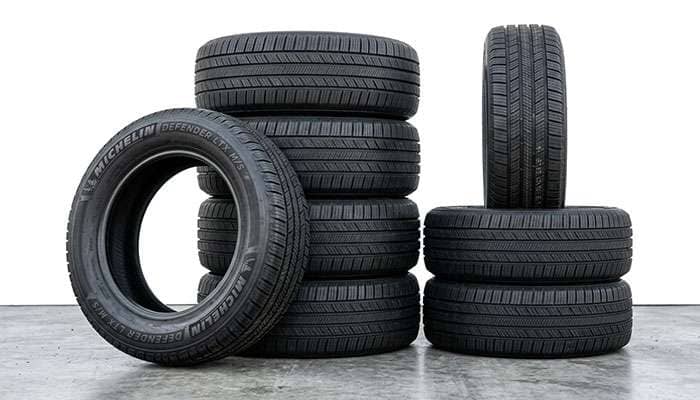
Choosing the right Chrysler Grand Caravan aftermarket tires requires a systematic approach that balances specifications, performance needs, and practical considerations. Follow these six essential steps to make an informed decision.
Check your owner's manual or the Tire and Loading Information Label located on the driver's side door edge or post to find the correct size for your vehicle. The tire sidewall displays the same information if you need a quick reference. Maintaining the same size as original equipment or another manufacturer-recommended size keeps your vehicle performing as designed.
Your typical usage patterns determine which tire characteristics matter most. City driving with frequent stops requires tires that prioritize braking distance and longevity. Highway drivers should focus on high-speed braking, comfort, and handling. Consider whether you face regular snow, occasional off-road conditions, or primarily dry pavement. Daily commuters have different needs than weekend drivers.
The Uniform Tire Quality Grading System rates tires on three criteria. Treadwear grades indicate relative wear rate, with higher numbers lasting longer. Traction grades range from AA (highest) to C, measuring wet pavement stopping ability. Temperature grades (A, B, C) reflect heat resistance. A grade of 200 should wear twice as long as the 100 control tire.
Treadwear warranties range from 30,000 to 100,000 miles. These warranties require proof of purchase, proper inflation, regular rotation, and alignment maintenance. Prorated replacement applies when tires wear to 2/32 inch before reaching warranted mileage. Most warranties expire after 4-6 years regardless of mileage.
Online fitment databases provide accurate wheel and tire specifications for your specific model year. Use tire size calculators to compare dimensions when considering different sizes. Performance Plus Tire offers vehicle-specific search tools for new tires for dodge grand caravan.
The genuine dodge grand caravan spare tire kit includes a compact spare assembly, covers, and winch tools. Fits 2014-2017 models under part number 82214036. The 17-inch spare wheel fits all Grand Caravan models 2016 and newer, unlike 16-inch versions that won't clear brake assemblies on higher trims.
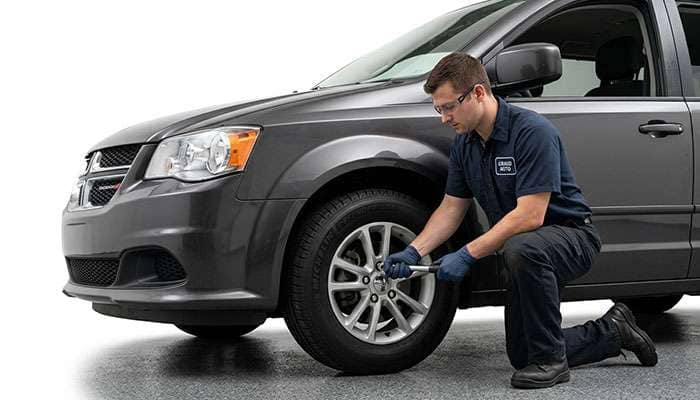
Grand Caravan owners have two main purchasing options: online retailers and local tire shops. Each offers distinct advantages that can influence your final decision and total investment.
Online platforms typically offer lower per-tire prices due to reduced overhead costs. However, installation fees ranging from $15 to $50 per tire add to your final cost. Local shops bundle mounting and balancing with purchase, creating a simpler one-stop experience.
Online retailers like Performance Plus Tire provide extensive selection and competitive pricing. When you buy online, tires ship to your home or a partner installer. This approach works well when you know exactly what you need and want maximum selection at the best prices.
Local shops offer immediate availability, same-day service, and personalized recommendations. Price matching remains possible at brick-and-mortar locations, potentially eliminating the online advantage. The convenience factor becomes important when you need tires immediately or prefer face-to-face service.
Professional installation at Goodyear costs approximately $99.80 for four tires, including mounting, balancing, and TPMS kits. Mounting and balancing typically take 60 to 90 minutes. Services include valve stem replacement, wheel inspection, and proper lug nut torque application.
Understanding what's included in installation helps you compare total costs accurately. Some shops charge separately for valve stems, disposal fees, or TPMS service, while others bundle everything together.
Balancing corrects weight distribution to prevent vibrations and premature wear. This service becomes essential for smooth highway driving and even tread wear patterns.
Alignment checks should occur annually or when your vehicle pulls to one side. Proper alignment maximizes tire longevity. Skipping alignment services often leads to premature replacement and reduced fuel economy.
Regular maintenance protects your tire investment and ensures safe operation. Check tire pressure every 3,000 miles to maintain even wear and fuel efficiency. Most Grand Caravan models require 35-36 psi for optimal performance.
Rotate tires every 6,000 to 8,000 miles. This simple service helps achieve maximum mileage from your tire investment. Visually inspect for irregular treadwear indicating alignment issues. Avoid aggressive braking and cornering, which accelerate wear.
Proper maintenance extends tire life significantly, making quality tires an even better value over time.
Choosing the right Chrysler Grand Caravan aftermarket tires comes down to matching specifications with your specific driving needs and budget. We've covered the essential factors that determine tire performance, from load ratings and speed specifications to tread patterns and price categories.
Start with your current tire size and factory specifications for safety. Consider your driving conditions - whether you need all-season versatility, touring comfort, or specialized winter performance. Set a realistic budget that balances initial cost with long-term value.
Regular maintenance makes the biggest difference in tire longevity. Check pressure monthly, rotate every 6,000 to 8,000 miles, and schedule alignment checks annually. These simple steps can extend tire life significantly and improve your Grand Caravan's performance.
We believe in helping you find the perfect tires at the right price. Whether you choose budget options under $100 or premium selections above $150, proper fitment and maintenance ensure you get maximum value from your investment.
Ready to find the perfect tires for your Grand Caravan? Our expert team is here to help you make the right choice for your vehicle and driving style.
Choosing the right aftermarket tires for your Chrysler Grand Caravan requires understanding specifications, matching your driving needs, and balancing budget with safety requirements.
• Always match factory tire specifications - Use the same size, load index, and speed rating as original equipment to maintain safety and vehicle performance.
• Choose tire type based on driving conditions - All-season for year-round use, touring for comfort, all-terrain for versatility, or winter tires for cold weather safety.
• Budget wisely across three price tiers - Under $100 for basic needs, $100-$150 for best value, or $150+ for premium performance and longevity.
• Follow the 6-step selection process - Identify current size, assess driving habits, compare ratings, check warranties, verify fitment, and consider spare tire compatibility.
• Maintain tires properly for maximum life - Check pressure every 3,000 miles, rotate every 6,000-8,000 miles, and schedule annual alignment checks.
The key to success lies in matching tire characteristics to your specific needs rather than simply choosing the cheapest or most expensive option. Proper maintenance can extend tire life significantly, making quality tires a worthwhile investment for your family's safety and your wallet.
The correct tire size depends on your model year. For 2014-2020 models, the standard size is 225/65R17. Earlier generations used different sizes ranging from 195/75R14 (1987-1995) to 235/60R16 (2008-2013). You can find your specific tire size in the owner's manual or on the Tire and Loading Information Label located on the driver's side door edge.
The tire code contains essential information about fitment and performance. For example, in P225/65R17 100H: P indicates passenger vehicle, 225 is the width in millimeters, 65 is the aspect ratio (sidewall height as percentage of width), R means radial construction, 17 is the wheel diameter in inches, 100 is the load index, and H is the speed rating indicating maximum sustained speed of 130 mph.
All-season tires provide adequate performance in light snow and moderate winter conditions for most drivers. However, if you regularly face heavy snow, ice, or temperatures consistently below freezing, dedicated winter tires offer significantly better traction and safety. Winter tires use softer rubber compounds that remain flexible in cold weather and feature aggressive tread patterns designed specifically for snow and ice grip.
Tire prices range from $50 to over $250 per tire. Budget options under $100 work well for basic needs and city driving. Mid-range tires between $100-$150 often provide the best value, balancing performance and durability. Premium tires above $150 offer superior wet braking, longer tread life, and better fuel efficiency, making them worthwhile for frequent highway driving or demanding conditions.
Check your tire pressure every 3,000 miles to maintain even wear and optimal fuel efficiency. The recommended pressure for most Grand Caravan models is 35-36 psi for both front and rear tires. Rotate your tires every 6,000 to 8,000 miles to ensure even treadwear and maximize tire lifespan. Additionally, schedule an alignment check annually or whenever your vehicle pulls to one side.



