
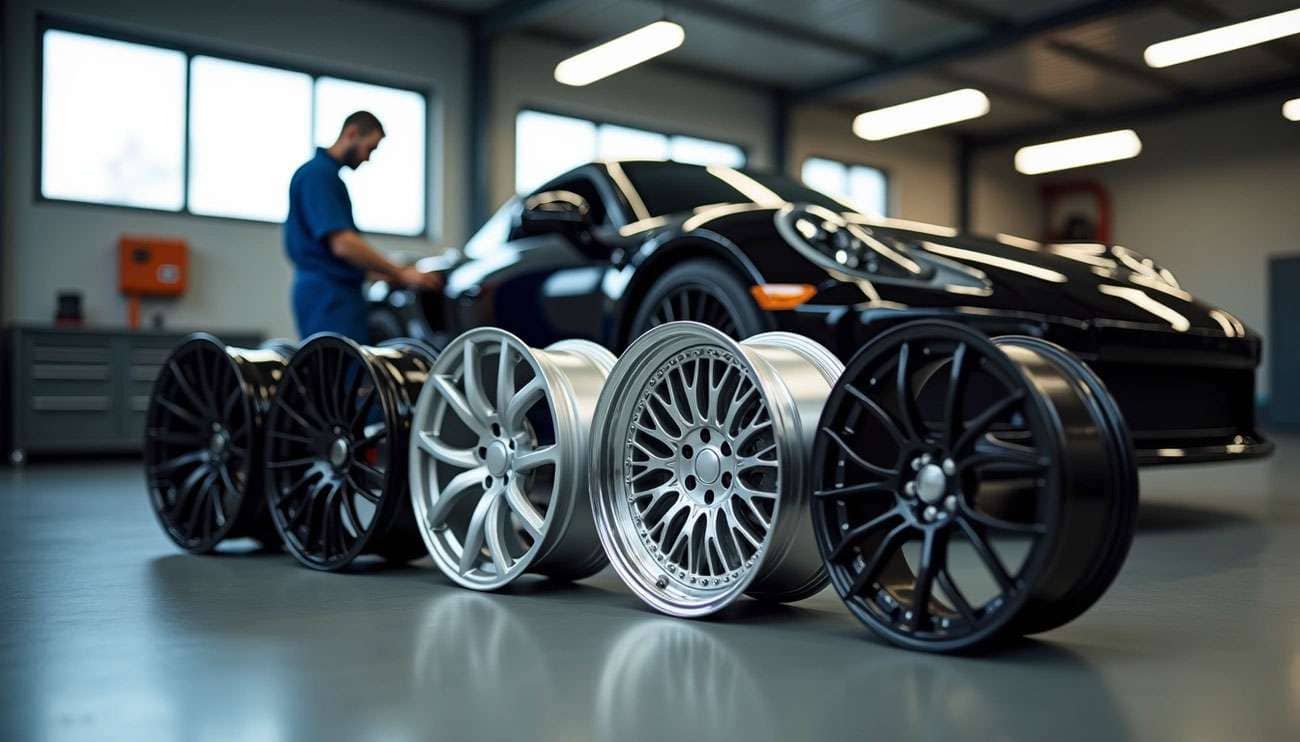
Custom rims can completely transform your vehicle's appearance and performance. When you're ready to upgrade your car or truck, choosing the right rims involves much more than just finding a style you love — proper fitment is absolutely essential for safe driving.
The wrong wheels create serious problems beyond just looks. Incorrect rim selection can compromise your vehicle's handling, damage your braking system, and create dangerous driving conditions. Whether you're upgrading from factory 17-inch wheels to 18-inch aftermarket options or exploring completely different styles, understanding compatibility requirements prevents costly mistakes.
At Performance Plus Tire, we understand that selecting custom wheels should enhance both your vehicle's style and performance. We believe every customer deserves confidence in their wheel selection and the peace of mind that comes with perfect fitment. Our expert knowledge helps you avoid the common pitfalls that cost other buyers thousands of dollars.
This guide covers everything you need to know about buying the right wheels for your vehicle. We'll explain different wheel materials, walk you through critical compatibility factors, and share the insider knowledge that ensures you make a smart purchase. By the time you finish reading, you'll have the expertise to select wheels that look great and perform safely for years to come.
Custom wheels come in four main material types, each with distinct characteristics that affect both performance and price. Understanding these differences helps you choose the right wheels for your specific needs and budget.
Steel wheels are made from carbon steel and welded together in two pieces. These are the most basic option available. Aluminum alloy wheels combine aluminum with other metals like magnesium, nickel, or silicon to create a lighter yet strong product. Forged wheels use the same aluminum alloy materials but go through a high-pressure manufacturing process that compresses the metal for superior strength. Carbon fiber wheels represent the premium category, offering the best strength-to-weight ratio available.
Each wheel material offers specific advantages that match different driving needs and budgets:
Steel Wheels
Pros: Most affordable option ($50-100 per wheel), extremely durable, resistant to bending and cracking, easy to repair
Cons: Heaviest material available, limited style choices, prone to rust, basic appearance
Aluminum Alloy Wheels
Pros: Lighter than steel, better brake cooling, wide variety of designs, improved fuel economy
Cons: Higher cost ($150-400 for cast alloy), more susceptible to impact damage
Pros: Stronger and lighter than cast alloy, excellent structural integrity
Cons: Premium pricing ($400-1,000+ per wheel), can still suffer cosmetic damage
Carbon Fiber Wheels
Pros: Lightest weight available, exceptional handling performance, corrosion-resistant
Cons: Highest cost option, cannot be repaired if damaged, can break under extreme force
Knowing what wheels you currently have provides the foundation for selecting compatible replacements. Check your owner's manual first for original equipment specifications. You can also look for markings stamped inside the wheel that show size, material, and manufacturing information.
A simple magnet test reveals whether you have steel or aluminum wheels - magnets stick to steel but not aluminum. For wheels with special coatings, apply a small amount of white polish on a clean cloth and gently rub an inconspicuous area. Bare aluminum will leave black residue on the cloth, while chrome, clear-coated, or painted wheels will show different residue patterns.
This basic knowledge about your current wheels helps you make informed decisions when shopping for new custom wheels.
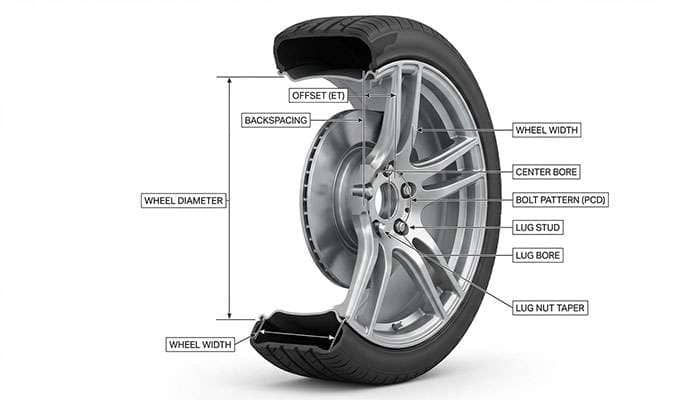
Proper wheel fitment requires understanding your vehicle's specific measurements. Getting these compatibility factors wrong leads to dangerous driving conditions and expensive repairs that could have been easily avoided.
Determining compatible wheels for your vehicle starts with identifying three critical measurements: bolt pattern, wheel offset, and backspacing. These specifications ensure your new wheels mount securely and work properly with your braking and suspension systems.
Many online retailers provide vehicle-specific search tools that make this process straightforward. Visit Performance Plus Tire to check rim compatibility with your specific vehicle make and model.
The bolt pattern consists of two key numbers that describe your wheel's mounting configuration. The first number indicates how many lug holes your wheel has, while the second shows the diameter of the circle they form. A 5x114.3 pattern means 5 lug holes arranged in a 114.3mm diameter circle.
Offset measures the distance between your wheel's centerline and its mounting surface in millimeters. Positive offset moves the wheel inward toward your vehicle's centerline, while negative offset pushes it outward. This measurement directly affects how your wheel sits in relation to your fenders and suspension components.
Backspacing measures from the wheel's back edge to its mounting surface in inches. Together with offset, this determines whether your new wheels will clear your vehicle's brake components and body panels properly. A wheel that looks perfect might still cause dangerous interference if these measurements don't match your vehicle's specifications.
Too many car enthusiasts learn expensive lessons after making poor wheel purchasing decisions. These common mistakes cost drivers thousands of dollars and create serious safety risks that could have been easily avoided.
Incorrect wheel fitment creates the most dangerous situation you can face as a driver. When bolt patterns don't match exactly, wheels can literally fall off your vehicle while driving. Even small differences in backspacing or offset cause wheels to rub against brake calipers, suspension components, or fenders, leading to catastrophic failure.
Quality certifications separate safe wheels from dangerous knockoffs. JWL (Japan Light Alloy Wheel) and VIA (Vehicle Inspection Association) certifications mean wheels have passed rigorous impact, fatigue, and stress testing. TÜV certification, highly respected in European markets, indicates wheels survived extensive destructive testing that cheaper alternatives often fail.
Proper tire-to-wheel matching directly affects your driving safety. When you mount tires on wheels that are too wide, the tire sidewalls get pinched, increasing wear and the risk of sudden failure. Wheels that are too narrow cause tire treads to round out, reducing the contact patch and compromising traction when you need it most.
Selecting wheels based purely on appearance creates performance and safety problems that affect your daily driving. Wheel size and weight influence handling, stability, fuel efficiency, and braking effectiveness. Larger wheels chosen only for looks can decrease fuel economy by approximately 10% in city driving conditions.
Professional installation provides more than just convenience—it ensures your safety through proper torque specifications and specialized equipment like calibrated torque wrenches. At Performance Plus Tire, our experienced technicians help you avoid these costly mistakes while ensuring your wheels perform safely for years to come.
Ready to make the right choice? Visit Performance Plus Tire where our wheel experts guide you through the selection process and guarantee proper fitment for your vehicle.
Selecting the right wheels for your vehicle involves understanding materials, fitment requirements, and your specific driving needs. Steel wheels offer maximum durability at budget-friendly prices, while alloy wheels provide the best balance of performance and value. Forged and carbon fiber options deliver premium performance but require larger investments.
Fitment requirements cannot be compromised. Your vehicle's bolt pattern, offset, and backspacing must match exactly with your new wheels. Size changes affect more than appearance — they directly impact handling, comfort, and fuel economy. Plus sizing improves cornering response but may reduce ride comfort, while minus sizing helps with winter traction.
Quality certifications like JWL, VIA, and TÜV ensure your wheels meet safety standards. Tire compatibility prevents premature wear and maintains proper contact with the road. Most importantly, professional installation guarantees proper torque specifications and safe mounting.
At Performance Plus Tire, our expert team helps you navigate these decisions with confidence. We provide the technical knowledge and product selection you need to make the right choice for your vehicle and budget. Our fitment guarantee ensures compatibility, while our quality standards protect your investment.
Ready to upgrade your wheels? Visit Performance Plus Tire for professional guidance and quality options. Your new wheels should enhance both appearance and performance — our experts ensure you get exactly what your vehicle needs. Make your purchase with the confidence that comes from proper knowledge and professional support.
Understanding rim compatibility and quality standards is crucial for safe, cost-effective wheel purchases that enhance both vehicle appearance and performance.
Verify fitment specifications first: Check bolt pattern, offset, and backspacing using your VIN or owner's manual before purchasing to avoid dangerous compatibility issues.
Prioritize quality certifications: Look for JWL, VIA, or TÜV certifications to ensure wheels meet rigorous safety standards and structural integrity requirements.
Consider material trade-offs carefully: Steel offers durability and affordability, alloy provides better performance, while forged and carbon fiber deliver premium lightweight benefits at higher costs.
Match tire compatibility: Ensure proper tire-to-rim sizing to prevent pinching, excessive wear, and compromised traction that affects driving safety.
Don't buy on looks alone: Factor in how wheel size and weight affect handling, fuel economy, ride comfort, and braking performance beyond visual appeal.
Professional installation and expert guidance help avoid costly mistakes while ensuring your new rims enhance both safety and performance for years to come.
When purchasing car rims, it's crucial to consider factors such as proper fitment (including bolt pattern, offset, and backspacing), material quality, tire compatibility, and safety certifications like JWL, VIA, or TÜV. Don't focus solely on esthetics, as the wrong choice can affect handling, fuel efficiency, and safety.
To determine the correct rim size for your car, check your vehicle's owner's manual or the driver's door sticker for factory specifications. You can also use your Vehicle Identification Number (VIN) with online lookup tools to verify the correct rim specifications. Remember to consider factors like bolt pattern, offset, and backspacing for proper fitment.
Plus sizing involves increasing wheel diameter while decreasing tire sidewall height to maintain overall diameter. This can improve handling but may reduce ride comfort. Minus sizing decreases wheel diameter and is beneficial for winter driving, as smaller wheels with taller sidewalls provide better traction in snow and ice.
Aftermarket rims can be safe if you choose high-quality options that meet proper fitment specifications and safety standards. Look for rims with quality certifications like JWL, VIA, or TÜV, which ensure the wheels have undergone rigorous testing for structural integrity and safety. Always prioritize proper fitment and professional installation for optimal safety.
Rim materials significantly impact performance and cost. Steel rims are affordable and durable but heavy. Aluminum alloy rims offer a good balance of weight and strength at a moderate price. Forged wheels are lighter and stronger but more expensive. Carbon fiber rims provide the best strength-to-weight ratio but come at a premium price. Choose based on your budget and performance needs.



