
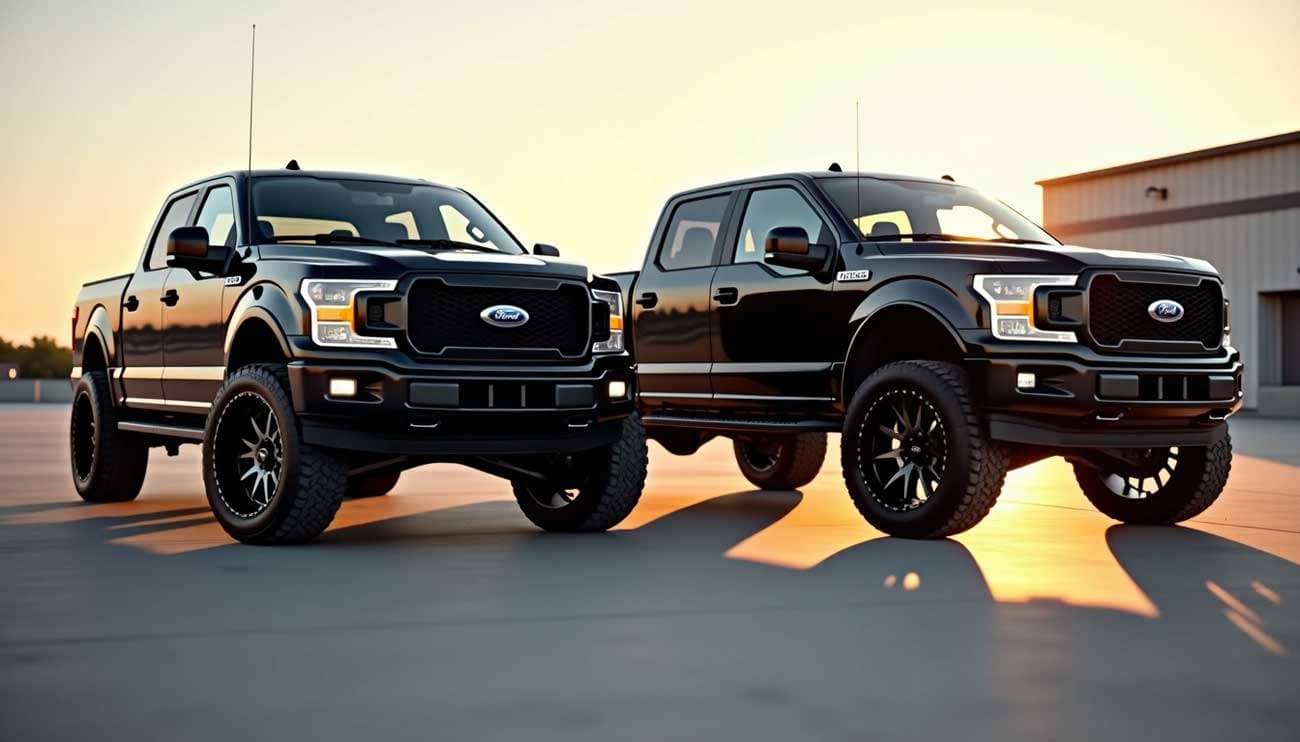
20x10 wheels represent some of the most popular aftermarket wheel sizes for trucks and performance vehicles. These substantial wheels deliver both aggressive styling and enhanced performance capabilities when properly fitted to your vehicle.
Understanding the specifications is straightforward once you know the basics. The "20" indicates the wheel diameter measured in inches, while the "10" represents the wheel width, also in inches. This 10-inch width provides an excellent foundation for wider tires that improve traction and handling performance.
Most tire manufacturers recommend widths between 295mm and 305mm for optimal fitment on 20x10 wheels. We often see customers achieving great results with 285mm tires, particularly because tire selection is more abundant in that size range. For those seeking larger options, a 305/55r20 tire fits properly since it measures just over 33 inches in height.
Off-road enthusiasts frequently run even larger combinations. The popular 35x12.5r20 tires work well on 20x10 wheels for serious off-road applications. Your specific vehicle setup determines the final fitment possibilities. A 3-inch lift typically limits you to 33-inch tires to prevent rubbing problems, although some leveling kits allow tires up to 35 inches.
This guide covers everything you need to know about 20x10 wheel specifications, compatible tire sizes, and critical fitment considerations. We'll help you make the right choice for your vehicle's performance and appearance goals.
These numbers represent critical measurements that determine both fitment and performance for your vehicle. Proper understanding of wheel dimensions is essential before selecting tires or making any modifications.
The 20x10 designation breaks down into two distinct measurements. The first number (20) indicates the wheel's diameter in inches, measured from one edge to the opposite edge across the center. The second number (10) represents the wheel's width in inches. This width measurement refers to the distance between the inside edges where the tire beads seat on the wheel.
Wheel width plays a crucial role in tire performance. A wider wheel like a 10-inch width provides better weight distribution, resulting in more balanced traction during off-road driving or heavy-duty applications. The increased width also offers improved cornering performance and enhanced stability during spirited driving.
Wheel sizes use inches while tire sizes often combine metric and imperial measurements. Converting between systems is straightforward when you know that 1 inch equals 25.4 millimeters.
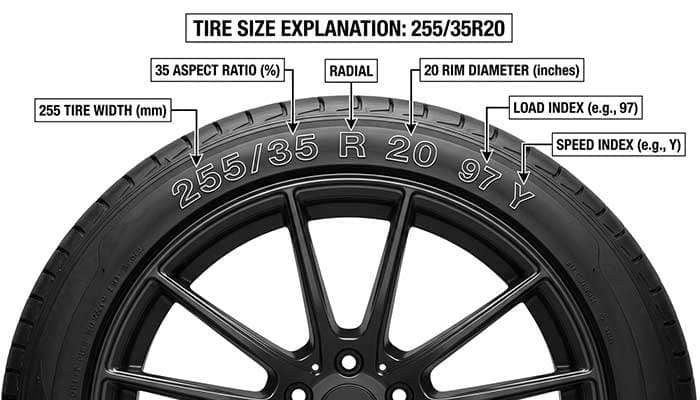
When matching tires to 20x10 wheels, you'll see tire sizes expressed as 275/35/20. The 275 represents the width in millimeters, 35 is the aspect ratio (sidewall height as a percentage of width), and 20 is the wheel diameter in inches. Converting the 10-inch wheel width to metric gives you approximately 254mm.
Wheel width significantly influences tire profile and sidewall behavior. Most tire manufacturers recommend a 255mm tire as the minimum width for a 10-inch rim. Going narrower creates a stretched appearance and potentially compromises performance.
Wheel size and sidewall height create important performance trade-offs. As wheel diameter increases, sidewall height typically decreases to maintain the same overall tire diameter. Smaller sidewalls (40-section height or lower) provide better cornering precision but deliver a harsher ride and offer less wheel protection against impacts.
Tire experts suggest that approximately 45% aspect ratio provides the best balance between performance and comfort. The wider 10-inch rim helps prevent the tire from "rolling under" during cornering, improving handling stability for trucks and performance vehicles.
Choosing the correct tire size for your 20x10 wheels determines both performance and appearance. The compatibility range spans several options, each offering distinct advantages depending on your vehicle and driving needs.
The optimal tire width for 20x10 wheels falls between 275mm and 305mm. Tire professionals consistently recommend 275/40 or 285/35 sizes for 20x10 wheels, providing excellent stability and balanced performance. Most enthusiasts discover that 285/35/20 delivers outstanding fitment on 20x10 wheels, with extensive tire selection available in this size. Those seeking an aggressive appearance often stretch to 305mm width for enhanced stance and improved contact patch.
Preventing rubbing requires careful consideration of your specific vehicle configuration. Lowered vehicles perform best with 275/35/20 fronts and 305/30/20 rears, maintaining approximately one inch clearance around the tire. Mustang owners frequently choose 285/35/20 tires on their 20x10 wheels to eliminate rubbing concerns.
Truck applications with leveling kits accommodate 305/55/20 Nitto tires (approximately 33" tall) perfectly on 20x10 MotoMetal rims. Advanced setups allow some truck owners to run 33x13.5-20 tires (equivalent to 325/50/20) when paired with 2" leveling kits.
Your intended use dictates the ideal tire selection:
Daily Driving Applications: Sizes from 275/35/20 to 285/35/20 deliver the perfect compromise between appearance and comfort. These dimensions provide sufficient sidewall protection for pothole encounters while maintaining sharp handling response.
Off-Road Applications: Serious off-road users typically select larger options like 305/55/20 (33" diameter) for enhanced ground clearance and superior traction capabilities.
Keep in mind that tire profile affects daily drivability—lower profile sidewalls (30-series) create precise handling but produce harsher rides over rough pavement.
Ready to upgrade your vehicle? Browse Performance Plus Tire's selection of 20x10 inch wheels for high-quality options that match perfectly with these proven tire sizes.
Proper wheel fitment goes beyond basic diameter and width measurements. Wheel offset and backspacing determine whether your 20x10 wheels will actually clear your vehicle's fenders, suspension components, and brake calipers.
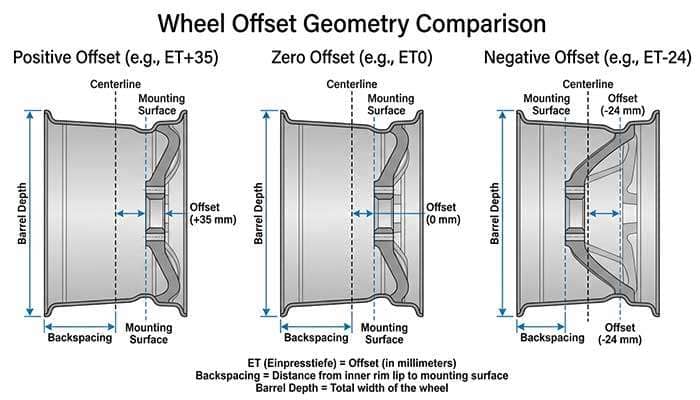
Offset measures the distance in millimeters between your wheel's centerline and the mounting surface. Positive offset tucks the mounting surface toward the face, while negative offset pushes the wheel outward for an aggressive stance. Most 20x10 wheels work best with offset around +40mm for a flush fender fit. Dropping to +25mm offset moves your wheel outward approximately 30mm, which can create clearance problems with fenders or suspension components.
Backspacing measures the distance from the mounting surface to the wheel's inner edge in inches. Trucks typically require 4.5-5 inches of backspacing with 20x10 wheels to clear larger brake components and suspension geometry. Performance cars like Mustangs need more precise fitments around 4.5 inches for optimal handling characteristics. Silverado owners commonly run 20x10 wheels with 5 inches of backspacing to maintain proper clearances.
Two main problems plague improper 20x10 wheel fitment. Fender rub occurs during suspension compression or sharp turns, particularly on lowered vehicles. Inner clearance issues happen when wheels contact struts or control arms. Solutions include fender rolling, camber adjustments, or selecting wheels with appropriate offset specifications. Getting these measurements right the first time prevents costly modifications later.
20x10 wheels work exceptionally well across different vehicle categories, but each requires specific offset and backspacing configurations to achieve proper fitment.
Full-size trucks handle 20x10 wheels with minimal modifications when you select the correct specifications. Silverado 1500 models perform best with 20x10 wheels using a -18mm offset and 4.791 inches of backspacing for perfect alignment. F-150 owners typically choose 20x10 wheels with negative offset (-12 to -24) and pair them with 295/60 or 305/60 tires, usually requiring only minor trimming even with leveling kits installed.
Jeep Wrangler owners appreciate 20x10 XFX rims because they provide excellent street-and-trail versatility. The wider footprint improves stability on highways while maintaining the aggressive stance that Wrangler enthusiasts prefer.
Sports cars demand precise fitment specifications to avoid clearance issues. Camaro models from 2016-2024 accept 20x10 wheels with 35mm offset and 6.878 inches of backspacing. Mustang applications benefit significantly from 20x10 wheels because the extra width accommodates wider performance tires that improve grip and handling.
These wheels also provide better brake clearance compared to factory options, allowing performance enthusiasts to upgrade their stopping power for track use. The enhanced brake clearance becomes particularly important for vehicles running larger brake calipers and rotors.
Suspension modifications change your wheel and tire options considerably. A 2-inch leveling kit typically accommodates 33-inch tires, though some vehicle owners successfully fit 35-inch tires with careful measurements. A 4-inch lift kit provides additional clearance but requires attention to CV joint angles and differential positioning to maintain proper driveline function.
Ready to find the perfect 20x10 wheels for your vehicle? Browse Performance Plus Tire's 20x10 wheel collection for quality options that match your specific vehicle requirements.
20x10 wheels offer an excellent upgrade path for vehicle owners seeking both enhanced performance and aggressive styling. These substantial wheels provide the foundation for wider tires that improve traction and handling capabilities.
When selecting 20x10 wheels, proper fitment remains essential for optimal results. The 20-inch diameter and 10-inch width work best with tire sizes ranging from 275mm to 305mm in width, depending on your specific application and vehicle setup.
Daily driving applications typically benefit from 275/35/20 to 285/35/20 tire combinations that deliver responsive handling without sacrificing ride comfort. Off-road enthusiasts can take advantage of larger tire options like 305/55/20, which provides approximately 33 inches of overall diameter for increased ground clearance and traction.
Offset and backspacing specifications vary significantly between vehicle types. Trucks and SUVs generally accommodate 20x10 wheels more easily than performance cars, which require precise measurements to prevent clearance issues with fenders or suspension components.
Popular applications include trucks like the Silverado and F-150, which work well with negative offset configurations, and performance vehicles like the Camaro and Mustang, which need specific offset ranges for optimal fitment.
At Performance Plus Tire, we understand that choosing the right wheel and tire combination can seem complex. Our experienced team can help you select the perfect 20x10 wheels for your specific vehicle and driving needs, ensuring proper fitment and performance for years to come.
Understanding 20x10 wheel specifications is essential for proper vehicle fitment and performance optimization.
• 20x10 means 20-inch diameter and 10-inch width - these measurements determine tire compatibility and vehicle fitment requirements.
• Optimal tire width ranges from 275mm to 305mm - with 285/35/20 being the most popular choice for balanced performance and availability.
• Offset and backspacing are critical for proper fitment - trucks typically need 4.5-5 inches backspacing while cars require more precise measurements.
• Vehicle type determines compatibility - trucks/SUVs accommodate 20x10 wheels easily, while performance cars need exact specifications to avoid rubbing.
• Suspension setup affects tire size limits - leveled vehicles can run 33-inch tires, while lifted setups allow larger options with proper clearance checks.
Proper research and measurement verification before purchase prevents costly fitment issues and ensures optimal performance for your specific vehicle setup.
A 20x10 wheel size indicates a wheel with a 20-inch diameter and 10-inch width. The first number (20) represents the wheel's diameter measured across the center, while the second number (10) refers to the width between the inside edges where the tire beads seat.
Tire sizes typically ranging from 275mm to 305mm in width are compatible with 20x10 wheels. Popular choices include 275/40/20, 285/35/20, and 305/50/20, depending on the vehicle and intended use. It's important to consider factors like offset and vehicle specifications when selecting tire sizes.
Yes, 33-inch tires can fit on 20x10 wheels, especially for trucks and SUVs. A 305/55/20 tire, which is approximately 33 inches tall, is a common choice for off-road applications. However, fitment depends on your vehicle's specific setup and may require modifications like leveling kits or lift kits.
Wheel offset significantly impacts how 20x10 wheels fit on a vehicle. For most vehicles, an offset around +40mm provides a flush fit with the fenders. Lower offsets push the wheel outward for a more aggressive stance, while higher offsets tuck the wheel inward. Proper offset selection is crucial to avoid clearance issues with fenders and suspension components.
Yes, 20x10 wheels can be suitable for both trucks and sports cars, but with different configurations. Trucks and SUVs often use 20x10 wheels with negative offsets and larger tire sizes for improved off-road capability. Sports cars typically require more precise fitment, using specific offsets and tire sizes to enhance performance while maintaining proper clearance.



