
Wheel spacers rank among the most polarizing modifications in the automotive world. Ask ten enthusiasts whether they're safe and you'll get ten different answers — some swear by them, others insist they're a guaranteed path to destroyed wheel bearings and a wheel rolling down the highway without you. The truth is more nuanced. Whether wheel spacers hurt your car comes down to three specific variables: the quality of parts you buy, how they're installed, and whether you choose the right size for your vehicle and how you actually use it.
This guide cuts through the noise and gives you the straight facts. You'll learn exactly what spacers do to your vehicle's components over time, how to separate real risks from myths, and how to make a smart purchase decision if you decide spacers are right for you. By the end, you'll know precisely where the danger lies and how to avoid it — so your decision is informed rather than driven by fear or blind enthusiasm.
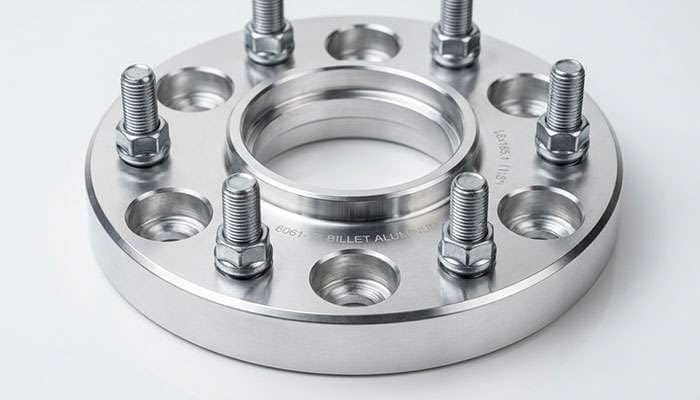
To answer whether spacers will hurt your car, you first need to understand what they actually do mechanically. A wheel spacer is a precisely machined disc — typically 6061-T6 billet aluminum, steel, or composite — that mounts between your vehicle's hub and the back face of your wheel. Pushing the wheel outward changes your effective wheel offset and widens your track. The physics are straightforward: move a rotating mass farther from its pivot point and you increase the leverage force acting on the bearings and surrounding suspension components. The real question is how much that increase matters in practice.
Quality is everything here. A properly engineered hub-centric spacer made from certified 6061-T6 billet aluminum, torqued to spec with grade 10.9 or higher hardware, installed by someone who knows what they're doing, is an entirely different product from a cheap lug-centric unit sourced from an unknown overseas supplier. The former has been running reliably on daily drivers, track cars, and lifted trucks for decades. The latter is exactly what gives spacers their bad reputation.
These specifications directly determine both fitment and safety — understanding them is not optional. Get these numbers right and your spacers will serve you well. Get them wrong and you're courting real damage.
Thickness (measured in millimeters): The most obvious spec, and the one most people focus on. Common sizes run from 3mm to 50mm or more. Thin spacers (3–10mm) solve brake caliper clearance issues or produce a subtly more aggressive stance. Mid-range spacers (15–25mm) noticeably widen your track and are popular for performance handling applications. Anything over 30mm adds meaningful stress to your wheel bearings and should only be used when clearance or stance serves a genuine functional purpose — not just because a bigger number sounds better.
Hub-centric vs. lug-centric: This is the single most important specification you'll encounter. Hub-centric spacers feature a precisely machined center bore matched exactly to your vehicle's hub diameter, so the wheel load transfers through the hub — exactly as the manufacturer engineered it. Lug-centric spacers rely solely on the lug nuts to center and support the wheel. Under real driving conditions, lug-centric designs allow microscopic movement that generates vibration, causes uneven wear, and concentrates stress on your wheel studs. Always buy hub-centric spacers. No exceptions.
Bolt pattern: Your spacer must match your vehicle's bolt pattern exactly — 5×114.3, 5×120, 6×135, whatever your hub calls for. Some spacers function as adapters, allowing you to mount wheels with a different bolt pattern than your hub. Those are a separate product category with their own set of considerations.
Center bore: The inner diameter of the spacer must match your hub's pilot diameter. Hub-centric rings can compensate for a slightly oversized bore, but starting with the correct dimensions is always the cleaner solution.
Nearly every wheel spacer horror story — wobbling wheels, sheared studs, premature bearing failure — traces back to one or more of the same avoidable errors. The first and most common is buying cheap. Budget spacers cut corners on alloy quality, machining tolerances, and hardware ratings. A quality set from H&R, Eibach, Spidertrax, or Billet Specialties costs more because the tolerances are tighter, the material is certified, and the hardware is actually rated for the application. That price difference is the difference between a modification that works and one that fails at the worst possible moment.
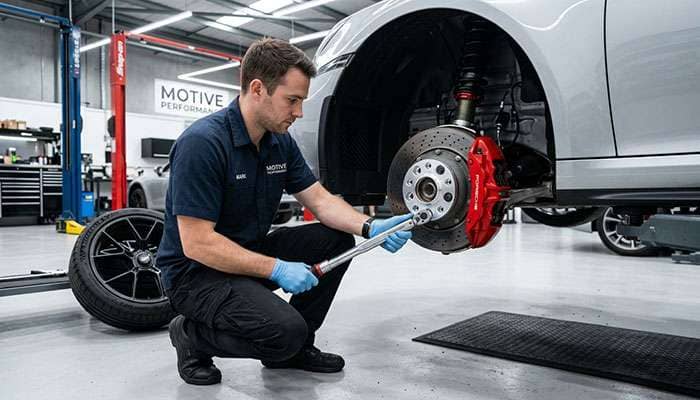
The second major mistake is improper installation. Spacers require a calibrated torque wrench — not an impact gun cranked to maximum, not "tight enough by feel." Torque both the spacer-to-hub and wheel-to-spacer interfaces to the manufacturer's specified values. Then re-torque them after the first 25–50 miles of driving, because hardware always seats slightly after initial installation. Skipping that re-torque step accounts for a disproportionate share of spacer-related failures in the field.
Third: running the wrong size for your application. A 3mm spacer on a lightly loaded passenger car is a completely different engineering scenario from a 50mm spacer on a full-size truck that regularly tows heavy loads. When your application demands very large spacers, seriously evaluate whether custom-offset wheels are the better long-term solution for your vehicle.
Wheel bearing stress is where most of the anxiety around spacers originates — so let's put real numbers to it. Adding a spacer increases what engineers call the scrub radius and lengthens the lever arm acting on your wheel bearing. For a 15mm spacer on a typical passenger car with a hub-to-load center distance of roughly 120mm, that lever arm increases by about 12.5%. For a 25mm spacer, the increase is closer to 20%.
Here's the context that matters: modern wheel bearings carry a substantial engineering safety margin above their rated load capacity. A 12–15% load increase sits comfortably within that margin on most vehicles not already operating near bearing capacity limits. The situation changes when your bearings are already worn, when you're running large spacers (30mm+), or when you regularly haul heavy loads or tow. In those scenarios, the additional stress can meaningfully shorten bearing life. The guidance from experienced mechanics is consistent and practical: inspect your bearings before installing spacers, use quality parts, don't go bigger than your goal requires, and inspect your bearings more frequently once the spacers are on.
Choosing the right wheel spacers is straightforward once you know what actually matters. Start by being honest about your goal. Are you clearing a big brake kit? Pushing your wheels flush? Widening your track for handling gains? Each objective has an ideal size range, and knowing your real target keeps you from falling into the trap of sizing up just because a bigger number sounds more aggressive. The right spacer is always the smallest one that accomplishes your specific goal — full stop.
Your vehicle's weight class, suspension geometry, and intended use drive your spacer selection more than any other factors. On a lightweight sports car or compact sedan, a 10–20mm hub-centric spacer installed with proper hardware sits well within safe operational limits. These vehicles start with relatively low bearing loads, and the additional stress from a modest spacer is easy for the suspension to absorb without complaint.
Trucks and SUVs demand more caution. Full-size pickups — especially those loaded regularly or used for towing — already put substantially higher loads on wheel bearings and suspension components under normal use. For these vehicles, 15–25mm is a reasonable ceiling for daily driving without courting accelerated bearing wear. If you're running a lifted truck with larger wheels and tires already adding rotational stress, err conservative. The truck tire and wheel combination you're running factors directly into this calculation — a heavier tire and wheel setup already taxes your bearings harder than a lighter one does.
Off-road vehicles introduce their own challenges. Articulation, side loads during rock crawling, and the sustained abuse of off-road use amplify any weakness in your spacer setup fast. For dedicated off-road applications, brands like Spidertrax engineer their spacers specifically for these conditions — buy accordingly and don't compromise.
How you drive matters as much as what you drive. If you're a daily commuter wanting a more aggressive stance and occasional spirited weekend driving, a quality 10–15mm hub-centric spacer is a low-risk modification with real, tangible benefits. The track widening genuinely improves lateral stability — it's not just cosmetic. Research shows that increasing track width by 15–20mm produces a measurable reduction in body roll and improves understeer behavior in tight corners.
If you run autocross or track days, you already know that wheel spacers are standard practice in amateur motorsport because they work. Lateral loads at track speeds exceed street use, but track cars also run stiffer suspension, lighter overall weights, and get inspected and maintained far more frequently. Running 20–30mm spacers from a quality manufacturer is common and accepted in this context. What you must commit to in a track application is consistent inspection of the spacers, hardware, and bearings — before every event if possible.
If you tow heavy loads or use your vehicle for demanding work duty, spacers deserve real scrutiny. Towing already pushes your wheel bearings harder than normal use — adding spacers on top of that requires choosing a conservative size and monitoring bearing condition more aggressively than usual. When in doubt, skip the spacers and invest in wheels engineered with the correct offset for your application. Browse our wheel catalog to find fitments that deliver the stance and clearance you need without the added mechanical stress.
The budget question with wheel spacers is genuinely simple: this is not the place to cut costs. Quality hub-centric spacers from a reputable manufacturer run $80–$200 per axle depending on size, material, and application. That's real money, but consider what's at stake — your wheel staying attached to your car. Bargain spacers at $20–$40 per pair might look appealing on the surface, but the machining tolerances are often suspect, the alloy certification is questionable, and the included hardware is rarely rated for the actual application forces involved.
That said, there's a ceiling above which you're paying for brand recognition rather than meaningfully better engineering. You don't need $400 spacers for a daily driver. The sweet spot for most street applications is a mid-tier product from a manufacturer with verifiable engineering specs, clear material certification (6061-T6 aluminum is the industry standard), and hardware rated for your vehicle's lug nut torque requirements. Prioritize brands that publish testing data and offer fitment verification tools — those are the manufacturers who actually stand behind what they sell.
Spacer Type |
Price Range |
Safety Level |
Best For |
Bearing Impact |
|---|---|---|---|---|
Hub-Centric (Quality Brand) |
$80–$200/axle |
High |
Daily driving, performance use |
Minimal with correct sizing |
Hub-Centric (Budget Brand) |
$30–$60/axle |
Moderate |
Light use only, low-stress applications |
Moderate — machining tolerance risk |
Lug-Centric (Any Brand) |
$15–$50/axle |
Low |
Not recommended for road use |
High — vibration and stud stress |
Wheel Adapters (Hub-Centric) |
$120–$300/axle |
High (when quality) |
Bolt pattern conversion |
Moderate — size-dependent |
Slip-On Thin Spacers (3–5mm) |
$20–$40/axle |
Moderate-High |
Brake caliper clearance |
Negligible |
Now that you understand the principles and specs, let's get practical. The right spacer depends on your vehicle and your goals, but these category recommendations give you a solid starting framework. In every category, quality comes first — then size, then price. Getting that priority order right is what separates enthusiasts who run spacers for 100,000 miles without incident from the ones with a story you don't want to be telling.
Daily driving demands reliability, simplicity, and genuine safety margins above all else. For commuter applications, your best move is a bolt-on hub-centric spacer in the 10–15mm range from H&R or Eibach. Both companies bring deep European motorsport engineering pedigrees to their street products. Their spacers include grade 10.9 hardware, proper hub-centric rings for common applications, and detailed installation instructions that leave nothing to guesswork.
For domestic vehicles — Chevrolet, Ford, RAM, Jeep — Spidertrax is a well-regarded option that offers vehicle-specific kits, so you're never guessing about fitment compatibility. Their one-piece design eliminates potential spacer-to-hub interface issues, and the hardware is spec'd for each specific vehicle application rather than being generic across the board. At around $120–$160 for a set, they deliver the kind of quality that rewards you with years of trouble-free use. For daily commuters: don't exceed 20mm unless you have a specific functional reason. Stance alone isn't justification for adding unnecessary bearing stress to a vehicle you depend on every day.
Performance applications — autocross, track days, hard mountain road driving — demand the tightest tolerances and the best hardware available. Eibach's Pro-Spacer series leads this category. Manufactured to aerospace tolerances, machined from certified 7075-T6 aluminum — stronger and stiffer than the 6061 used in most street spacers — and shipped with hardware properly rated for the application, these are purpose-built for high-demand use. When your car is generating significant lateral G-forces in corners, that additional strength margin of 7075-T6 over 6061-T6 is genuinely meaningful, not marketing copy.
For track-specific applications, 20–30mm spacers are standard practice to maximize track width for handling benefits. At this size range, the bearing load increase is real and needs proactive management. Inspect your wheel bearings before and after every season, re-torque spacer hardware before every event, and never run worn bearings with spacers — replace them first. The handling improvement from a properly sized, properly installed spacer at this level is real and measurable. You feel it in corner entry stability and mid-corner balance, and data logging confirms it in lap times. Pair your spacer setup with the right high performance tires and you'll have a complete system that works together rather than fighting itself.
Budget constraints don't have to mean dangerous choices. The key is going thinner. A 5–10mm slip-on spacer from a mid-tier brand puts dramatically less stress on your vehicle's components than a 25mm spacer from that same brand — so if you're watching your spend, let that reality push both your brand choice and your size choice toward conservatism. Smaller and better beats larger and cheaper every time.
For budget-conscious buyers, brands like Rough Country and Supreme Suspensions offer hub-centric spacers in the $50–$80 range per set with solid real-world track records in their target applications — primarily trucks and SUVs. They're not Eibach, but they're not $20 mystery metal either. Stick to their smaller size offerings (under 20mm), follow the installation and re-torque instructions precisely, and inspect them twice a year. Conservative sizing plus proper installation plus regular inspection is what makes budget spacers a viable option — not just hoping cheaper parts hold up under stress.
One more option worth considering: instead of adding spacers to achieve your desired fitment, check whether wheels with the native offset you want are available at a price point that works for your budget. Browse our custom wheels selection — you might find the cost difference between spacers plus your current wheels versus new wheels at the correct offset is smaller than you expect, with zero bearing stress tradeoff to manage.
So, do wheel spacers hurt your car? They can — but only under specific, avoidable conditions: cheap parts, incorrect installation, wrong size for your application, or ignoring your bearings afterward. Use quality hub-centric spacers sized appropriately for your vehicle, install them with a calibrated torque wrench, re-torque after the first 50 miles, and keep an eye on your bearings going forward. Do all of that, and wheel spacers are a safe, effective, and widely proven modification. The real danger was never the concept of spacers — it's the combination of inferior parts, sloppy installation, and zero follow-up maintenance.
The practical takeaway is this: if you need spacers for a functional reason — brake clearance, suspension fitment, track width for handling — buy quality hub-centric units from a reputable manufacturer, match the size to your actual need rather than defaulting to as large as possible, and treat the installation with the same attention you'd give any safety-critical component on your vehicle. If you're doing it purely for stance, take an honest look at whether wheels with the correct native offset serve you better long-term. Either way, make an informed decision based on facts rather than fear or impulse.
At Performance Plus Tire, we carry a wide selection of wheels in the offsets and sizes that help you achieve the fitment you're after — often without needing spacers at all. Not sure what offset or size you need? Use our Tire Size Calculator to get your numbers dialed in before you buy anything. We're here to help you make the right call for your specific vehicle and driving style.
Here are the five most important points to lock in before you decide on wheel spacers.
• Hub-centric spacers are non-negotiable: Always buy hub-centric spacers matched exactly to your vehicle's hub diameter. Lug-centric spacers rely on lug nuts alone to center the load — introducing vibration, hardware stress, and failure risk that hub-centric designs eliminate entirely.
• Size determines risk more than almost anything else: Spacers under 20mm on a properly maintained vehicle with quality parts present minimal risk. Spacers over 30mm meaningfully increase bearing load and demand more frequent inspection and more conservative use — especially on heavier vehicles or those used for towing.
• Cheap spacers are the real danger: The overwhelming majority of wheel spacer failures trace back to inferior materials, poor machining tolerances, and substandard hardware — not to the concept itself. Buying from a reputable brand is the single most impactful safety decision you can make.
• Installation and re-torque are critical: Spacers must be torqued with a calibrated wrench to manufacturer specifications, then re-torqued after the first 25–50 miles. Skipping that re-torque step accounts for a disproportionate share of all spacer-related hardware failures.
• Wheels with native offset may be the better solution: In many cases, choosing wheels engineered with the correct offset for your fitment goal eliminates the bearing stress tradeoff entirely. Before committing to spacers, check whether correct-offset wheels are available and compare total costs — the math often surprises people.
Wheel spacers increase the lever arm acting on your wheel bearings by pushing the wheel further outward from the hub. This does increase bearing load — a 15mm spacer on a typical passenger car increases the effective bearing load by roughly 10–15%. For a vehicle with healthy bearings and a quality hub-centric spacer in a conservative size, this increase falls within the normal engineering safety margin of most modern bearings. However, larger spacers (30mm+) on heavier vehicles — particularly those used for towing — can meaningfully accelerate bearing wear and require extra caution. The solution is straightforward: use quality parts, choose the smallest spacer that achieves your goal, inspect bearings before installation, and check them more frequently afterward.
Yes, quality hub-centric wheel spacers are safe for daily driving when properly sized and correctly installed. Millions of vehicles run spacers daily without incident. The keys are: buying hub-centric spacers from a reputable manufacturer (H&R, Eibach, Spidertrax, etc.), choosing a conservative size (10–20mm for most daily drivers), installing them with a calibrated torque wrench, performing a re-torque after the first 25–50 miles, and inspecting the hardware and bearings periodically. Skip any of those steps — particularly using cheap lug-centric spacers or skipping the re-torque — and the risk profile increases substantially.
There's no single universal answer — the safe maximum depends on your vehicle's weight class, current bearing condition, intended use, and wheel and tire weight. As a practical guideline: for lightweight passenger cars and sports cars, up to 25mm is commonly used without issue; for trucks and SUVs, staying under 25mm is advisable for regular use; for vehicles used for towing or heavy hauling, staying under 15mm is the conservative recommendation. Beyond 30mm on any vehicle, seriously evaluate whether custom-offset wheels are a better alternative. The smallest spacer that achieves your goal is always the right answer from a bearing stress standpoint.
Hub-centric spacers have a precisely machined center bore matched exactly to your vehicle's hub pilot diameter. The vehicle's weight and load transfer through the hub — exactly as the manufacturer designed. Lug-centric spacers have an oversized center bore and rely entirely on the lug nuts to center and support the wheel assembly. Under real driving conditions, lug-centric spacers allow microscopic movement that generates vibration, causes uneven wear, and concentrates stress on your wheel studs. Hub-centric spacers are the correct choice for any road-going application. The price difference between hub-centric and lug-centric is usually minimal — there's no good reason to choose lug-centric.
Under the Magnuson-Moss Warranty Act, a dealer cannot void your entire vehicle warranty simply because you installed aftermarket parts. However, they can deny coverage for specific components directly damaged by the aftermarket modification. In practical terms, if you install wheel spacers and subsequently experience wheel bearing failure, the manufacturer or dealer may argue that the spacers caused that specific failure and deny the related warranty claim. Other unrelated warranty claims should remain unaffected. If your vehicle is new and still under factory warranty, factor this into your decision and consider consulting your dealership before installation.



