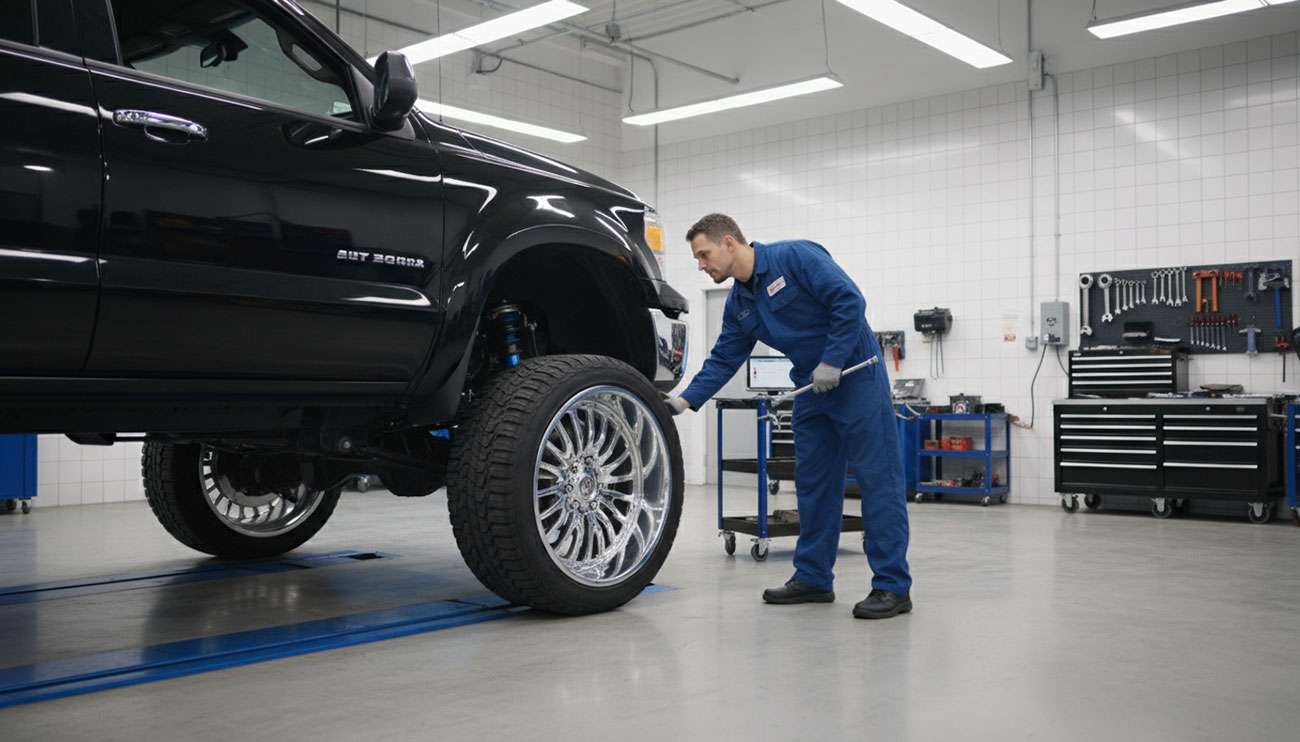
Bigger tires are popular upgrades for trucks and SUVs across the country. The question "do big rims damage transmission" represents a real mechanical concern that vehicle owners face when considering wheel upgrades.
The physics behind transmission strain are clear and direct. Larger, heavier wheels require more energy to rotate. Your vehicle's efficiency drops, fuel consumption rises, and your engine works harder to maintain the same speeds. Your transmission absorbs most of this additional stress. Taller tires create increased strain throughout the drivetrain. Clutches and bands generate excessive heat as they operate under this constant additional load. These friction surfaces begin slipping from the heat buildup, leading to transmission overhaul requirements.
We understand the appeal of larger wheels and the performance benefits they can provide. This guide examines why big rims remain popular despite transmission risks, explains exactly how wheel size affects transmission mechanics, covers essential drivetrain adjustments, and provides practical methods to prevent costly damage while enjoying the advantages of larger wheels.
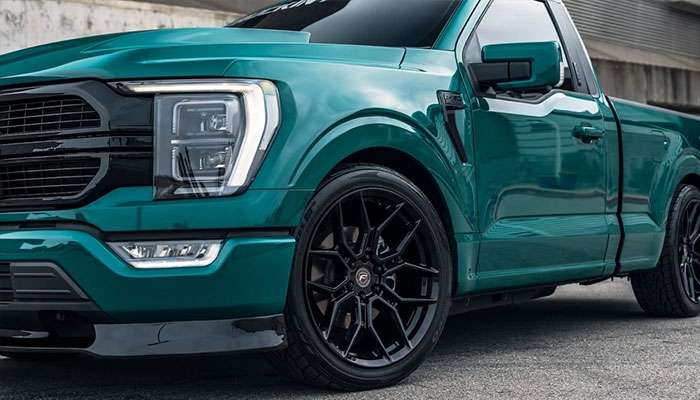
The appeal of oversized wheels goes far beyond mechanical considerations. Vehicle owners continue choosing larger rims for powerful reasons that outweigh potential transmission concerns.
Appearance drives the popularity of bigger wheels more than any other factor. Larger rims create a commanding presence and sportier look that vehicle owners find irresistible. This visual transformation explains why oversized wheels have surged in popularity recently, with enthusiasts selecting everything from 22-inch rims to impressive 24-inch designs.
The aftermarket wheel industry continues its rapid expansion, generating billions in global revenue, especially in truck and SUV segments. This growth reflects consumers' strong desire for personalization, since wheels have "the single largest effect on changing a car's appearance".
Bigger wheels deliver real performance advantages beyond looks. Most importantly, they provide increased ground clearance—essential when navigating uneven terrain, obstacles, or challenging trails.
Off-road enthusiasts value how larger wheels:
Support wider tires that create larger contact patches, improving traction on dirt, sand, and mud surfaces
Allow space for larger brake rotors and calipers, enhancing stopping power for heavy-duty trucks and towing applications
Increase ride height to improve approach and departure angles when tackling technical obstacles
A properly chosen wheel size creates the ideal balance between clearance benefits and handling performance.
Trucks and SUVs lead the big wheel market for practical reasons. These vehicles benefit most from the improved ground clearance and traction that larger wheels provide. The proportions of modern trucks and SUVs naturally accommodate bigger wheels, creating a balanced, muscular appearance.
Truck owners who frequently tow or carry heavy loads find the enhanced brake cooling and performance from larger wheel setups particularly valuable. Off-road enthusiasts discover that larger wheels paired with appropriate tires dramatically improve capability on rock crawling expeditions, mudding adventures, and extended overlanding trips.
Smart off-road enthusiasts recognize that wheel upgrades deliver exceptional value—often under $1,000 for a complete set that significantly enhances vehicle performance.
Larger wheels create more than visual changes. The mechanical relationship between tire size and transmission function affects every aspect of drivetrain operation.
Larger wheels significantly increase the rotational mass your drivetrain must move. This creates a mechanical disadvantage that forces your transmission to work considerably harder. Increasing tire radius requires more torque from your driveline to turn that larger tire. Engine components typically handle additional strain better than transmission components, which directly absorb this increased stress. Bigger wheels create a leverage disadvantage that transmission systems weren't originally designed to manage.
Automatic transmissions suffer the most damage from oversized wheels. The torque converter and clutch packs bear the greatest burden when wheel size increases. Higher rolling inertia forces clutches and bands to work harder. The clutches and bands create excessive heat as they struggle under this constant stress. These friction surfaces start slipping from thermal degradation over time. Drivers report torque converter delayed lockup problems after moving to 35-inch tires without proper drivetrain adjustments.
Heat damages transmission components more than any other factor. Added strain from larger wheels raises transmission fluid temperatures beyond manufacturer specifications. Excessive heat cycles cause friction surfaces to fail, requiring complete transmission overhaul. Problems recur repeatedly after repairs if the root cause isn't addressed. This creates a costly cycle of repairs that could have been prevented.
Larger tires create operational problems beyond physical damage. Your transmission relies on accurate speed readings to shift correctly. Larger tires rotate slower for every mile traveled, confusing your transmission into thinking you're moving slower than you actually are. This delays upshifts and locks the torque converter too late. A larger tire's increased circumference means one rotation covers more ground than stock tires. A tire that's just 3% larger would show 60 mph on your speedometer when you're actually traveling at 63.3 mph.
Re-gearing represents the most effective solution to transmission strain from larger wheels. The process rebalances your drivetrain to compensate for the mechanical disadvantage larger tires create.
When you install larger tires, your effective gear ratio becomes numerically lower. Your driveshaft spins more rotations for each tire revolution. This forces your transmission to work harder throughout its entire operating range. Your vehicle performs as if it were always pulling in high gear, even during low-speed acceleration. Re-gearing restores the original relationship between engine RPM and wheel speed. The result? Your transmission operates within its designed parameters once again.
A simple formula determines the correct gear ratio for your upgrade: (New Tire Size ÷ Old Tire Size) × Current Gear Ratio = Target Gear Ratio. For example, if you install 35-inch tires to replace stock 31-inch tires on a vehicle with 3.73 gears, you'd need approximately 4.21 gears. This calculation maintains the original drivetrain balance your vehicle was engineered to provide.
Four-wheel-drive vehicles require gear changes in both front and rear axles. Mismatched gear ratios between axles create severe problems in transfer cases and center differentials. The front and rear drivelines must spin at identical speeds to prevent binding and premature wear. Most vehicle manufacturers recommend replacing ring and pinion sets in pairs whenever you modify tire size. Professional installation ensures proper bearing preload, backlash adjustment, and gear pattern verification—critical factors that determine longevity.
Protection strategies combine mechanical upgrades with proper maintenance. Smart vehicle owners implement multiple safeguards to extend transmission life when running oversized wheels.
High-quality synthetic transmission fluids with EP (Extreme Pressure) additives provide superior protection under increased loads. These specialized fluids resist thermal breakdown better than conventional options. They maintain proper viscosity across wider temperature ranges. Modern synthetic ATF formulations include friction modifiers that prevent clutch pack lock-up, directly improving shift quality and extending component life. Look for fluids with anti-foaming properties and thermal stability for consistent stall speeds. For your next purchase of performance parts including quality transmission fluid, check out Performance Plus Tire, who offer everything needed for safe rim upgrades.
Transmission coolers are essential when running oversized tires. These external cooling systems transfer heat from transmission fluid to passing air through fins and cooling plates. Most coolers mount in front of the radiator, effectively reducing transmission temperatures during heavy loads. There are three main types: tube-and-fin coolers are affordable but less efficient, plate-and-fin models are moderately priced, and stacked plate coolers offer the best efficiency but cost more. Models are rated by Gross Vehicle Weight (GVW), with options ranging from 18,000 to 30,000 GVW.
ECU reprogramming corrects shift point issues caused by larger tires. Without calibration, transmissions shift at inappropriate RPMs as they rely on accurate wheel speed data. Drivers report more appropriate shift points between gears, especially during highway driving, after proper calibration. This programming also affects other vehicle systems like ABS and traction control. Drivers notice significant differences in shift behavior, with transmissions upshifting at approximately 2,000 RPM instead of 2,100-2,200 RPM after proper calibration.
Professional installation ensures proper wheel fitment and prevents transmission issues. Experts can accurately calculate optimal tire diameter relative to your specific vehicle model. They can recommend appropriate gear ratios based on your driving habits and tire size. They'll also verify whether your vehicle needs additional modifications beyond just the wheels themselves.
Big rims and transmission health represent a manageable relationship when you understand the mechanics involved. Larger wheels create additional strain through increased rotational mass, requiring transmission components to work beyond their original design parameters. Without proper modifications, premature wear and failure become legitimate concerns for vehicle owners.
The visual appeal and performance advantages of oversized wheels make them valuable upgrades when you implement the right precautions. Re-gearing provides the most critical adjustment, rebalancing your drivetrain to handle the mechanical disadvantage larger wheels create. Performance transmission fluids with EP additives offer essential protection against heat damage, while aftermarket coolers provide additional safeguards during demanding conditions.
Expert guidance makes the difference between successful upgrades and costly repairs. Professional installers can determine the optimal combination of tire size, gear ratios, and supporting modifications for your specific vehicle and driving requirements. Quality preparation prevents problems before they develop.
At Performance Plus Tire, we carry the best selection of custom wheels at the lowest prices. Our expert team can help you find the right balance between style and drivetrain protection. We understand the importance of proper fitment and supporting modifications to ensure your wheel upgrade delivers both performance and reliability.
Big rims don't spell automatic transmission failure. With proper gear ratio adjustments, cooling solutions, quality fluids, and ECU calibration, you can enjoy the commanding presence and performance benefits of larger wheels while maintaining drivetrain longevity. The key lies in understanding these mechanical relationships and making informed decisions that protect your investment.
Ready to upgrade your wheels? Our knowledgeable staff can guide you through the selection process and recommend the modifications needed to protect your transmission while achieving the look and performance you want.
Big rims can damage your transmission, but proper precautions make them safe to install. Here's what every car owner needs to know about protecting their drivetrain while enjoying larger wheels:
• Big rims increase transmission strain through added rotational mass, forcing clutches and bands to work harder and generate excessive heat that can cause slipping and failure.
• Re-gearing both axles is essential for 4WD vehicles - use the formula: (New Tire Size ÷ Old Tire Size) × Current Gear Ratio to calculate optimal ratios.
• Install transmission coolers and use synthetic ATF with EP additives to manage heat buildup and protect friction surfaces from premature wear.
• ECU reprogramming corrects shift points and speedometer accuracy - larger tires confuse transmission computers, causing delayed upshifts and torque converter lockup issues.
• Professional consultation prevents costly mistakes - experts can recommend proper tire sizes, gear ratios, and supporting modifications based on your specific vehicle and driving needs.
The bottom line: bigger wheels don't automatically spell transmission doom. With proper gear ratio adjustments, cooling solutions, quality fluids, and ECU calibration, you can safely enjoy the esthetic and performance benefits of larger rims while maintaining drivetrain reliability.
While larger rims themselves don't directly damage transmissions, they can increase strain on the drivetrain. The added rotational mass and changes in effective gear ratios can cause transmissions to work harder, potentially leading to increased wear if not properly compensated for.
The primary concerns with oversized wheels include reduced fuel economy, altered acceleration, speedometer inaccuracies, and faster wear on drivetrain components. Larger wheels require more power to turn, which can strain the engine and transmission, especially during low-speed acceleration and on inclines.
To safely upgrade, consider re-gearing your vehicle to match the new wheel size, installing a transmission cooler, using high-quality synthetic transmission fluid with EP additives, and having your ECU reprogrammed to adjust for the new wheel size. It's also crucial to consult with professionals to ensure proper fitment and necessary modifications.
Yes, larger wheels can impact various aspects of your vehicle's performance. They may improve ground clearance and traction for off-road use, but can also affect handling, braking distances, and ride comfort. Additionally, they can alter your vehicle's suspension geometry and put extra stress on components like wheel bearings and CV joints.
As a general rule, staying within 3% of your stock wheel diameter helps minimize the need for major drivetrain adjustments. However, the exact tolerance depends on your specific vehicle and intended use. It's best to consult with a professional or refer to manufacturer guidelines when considering significant wheel size changes.