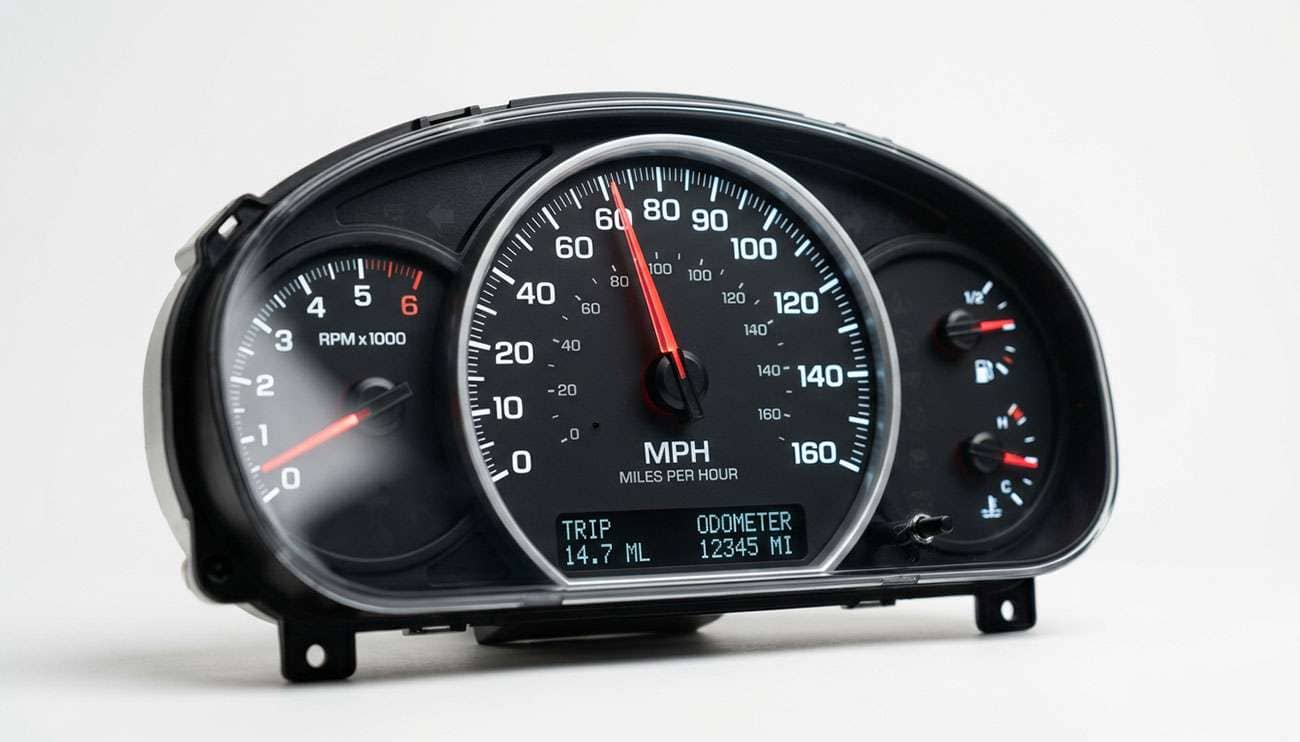
Short version: yes, bigger tires absolutely affect your speedometer, and the effect is completely predictable. Your speedometer was calibrated at the factory for one specific tire size. Change the overall height of the tire and you change the math the gauge depends on, which throws the reading off by a percentage you can calculate to the decimal. Let's walk through exactly how it works, how much error you're looking at, and how to put it right.
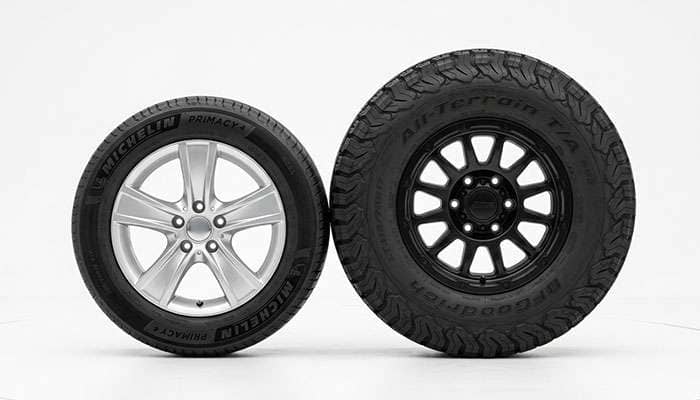
Install a taller tire and your speedometer will read slower than you're actually going. Install a shorter tire and it reads faster than your true speed. The same goes for the odometer: taller tires make it undercount your miles, shorter tires make it overcount.
One critical distinction: it's the tire's overall diameter, its height, that matters here, not its width. A wider tire that keeps the same overall diameter won't touch your speedometer at all. That's why the number on the sidewall you care about for this is the height, which you can work out from the size code if you know how to read a tire size and find its diameter.
Your speedometer doesn't measure how fast the ground is moving past you. It counts how fast your wheels (or the driveshaft, on most vehicles) are rotating, then converts that into a speed using one fixed assumption: how far the car travels per rotation. That distance-per-rotation is set by the factory tire's circumference, and the gauge is calibrated to it.
So the system isn't really tracking distance, it's counting revolutions and trusting that each one covers a known amount of ground. Put a taller tire on and each revolution now covers more ground than the gauge assumes. The wheel turns fewer times to travel the same mile, the speedometer sees fewer rotations, and it concludes you're going slower than you really are. That's the whole mechanism in one sentence.
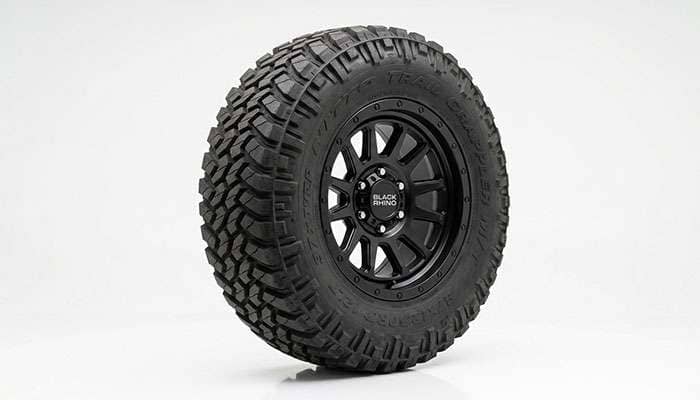
The error tracks the change in diameter, one to one. The formula is simple:
Percent error = (new diameter − old diameter) ÷ old diameter × 100
And to find your true speed at any reading: actual speed = indicated speed × (new diameter ÷ old diameter).
Here's a real-world example. Say a truck comes from the factory on 265/70R17 tires and you move up to 285/70R17. To get each diameter, take the section width, multiply by the aspect ratio for the sidewall height, double it, and add the rim diameter (our guide to tire aspect ratio decoded walks through this step). The 265 works out to about 31.6 inches tall; the 285 to about 32.7 inches. That's a 3.5% increase. So when your dash reads 60 mph, you're actually doing about 62 mph, and the gap widens the faster you go because the error is a percentage, not a fixed number.
This table shows how a few common diameter changes play out:
Diameter Change |
Speedometer Reads |
True Speed When Dash Shows 60 |
Odometer After 100 Real Miles |
|---|---|---|---|
+2% taller |
About 2% low |
61 mph |
About 98 miles |
+4% taller |
About 4% low |
62 mph |
About 96 miles |
+10% taller |
About 10% low |
66 mph |
About 91 miles |
-3% shorter |
About 3% high |
58 mph |
About 103 miles |
A common rule of thumb is that a diameter change under about 3% is small enough that most drivers won't notice it day to day, while anything beyond that is worth correcting. But "won't notice" isn't the same as "doesn't matter," especially in a speed-enforced zone, so I'd rather you know the number than guess.
Here's the good news for anyone chasing a different look. You can go to a larger-diameter wheel without affecting your speedometer at all, as long as you keep the tire's overall diameter the same. That's the whole idea behind proper plus-sizing: as you step up in wheel diameter, you step down in sidewall height by the same amount, so the total package height stays put. Do it right and the speedometer never knows the difference. Our plus-size wheels and tires calculator guide shows you how to keep that diameter matched.
Because the odometer runs off the same revolution count, it drifts right along with the speedometer. With taller tires, every real mile registers as slightly less than a mile, so your odometer steadily falls behind reality. Over 100 actual miles with a 4% taller tire, the odometer logs only about 96.
That undercount isn't just trivia. It stretches out the apparent interval between oil changes and other mileage-based service, it understates the true miles for warranty and resale purposes, and it can quietly skew any per-mile records you keep. None of it is catastrophic, but it's worth knowing your odometer is reading optimistically once you go bigger.
The speedometer is the obvious casualty, but it's not the only one. A taller tire effectively raises your final gearing, because the wheel has to turn fewer times to cover the same distance. That drops your engine RPM at a given speed and softens acceleration, since the engine now has more leverage to overcome. Go far enough and you'll feel the truck working harder to get moving and the throttle response go lazy.
That's why a serious tire upsize often calls for regearing the differential to restore the original feel, a topic I covered in our guide to regearing after bigger tires. The same dynamics also feed into fuel economy in ways that aren't always intuitive, which we get into in whether larger tires get better gas mileage.
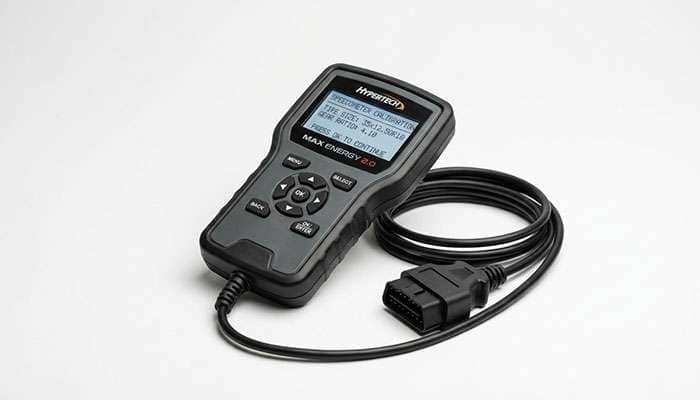
The fix is to tell the vehicle about its new tire size so the gauge does the corrected math. How you do that depends on the vehicle:
Whichever route applies, recalibrate any time you make a meaningful change in tire diameter. It's a small step that restores accurate speed and mileage readings and keeps you honest with the posted limits.
This is one of those modifications where the physics is on your side if you do the homework. The speedometer error from a tire change isn't a mystery or a gremlin, it's a percentage you can calculate before you ever bolt the tires on, and it always points the same way: taller reads slow, shorter reads fast. Run the diameter numbers, decide whether the change is big enough to correct, and recalibrate if it is. Do that, and you get the look or the capability you wanted without driving around guessing at your real speed.
Bigger (taller) tires make the speedometer read slower than your actual speed. Because a taller tire covers more ground per revolution, the wheel turns fewer times per mile, and the gauge, which counts revolutions, concludes you are going slower than you really are. Shorter tires do the opposite and make the speedometer read faster than true speed.
The error matches the change in overall tire diameter. Use percent error = (new diameter − old diameter) ÷ old diameter × 100. If your new tires are 4% taller, your speedometer reads about 4% low, so it shows 60 mph when you are actually doing about 62 mph. The faster you drive, the larger the absolute gap becomes.
No. Only the tire's overall diameter (its height) affects the speedometer. A wider tire that keeps the same overall diameter will not change your readings. This is also why correct plus-sizing, where you raise wheel diameter but lower sidewall height to keep total diameter constant, leaves the speedometer accurate.
Yes. The odometer uses the same revolution count as the speedometer, so taller tires cause it to undercount distance. Over 100 actual miles with a 4% taller tire, the odometer records only about 96. That can stretch out mileage-based service intervals and understate true miles for warranty and resale.
On modern vehicles, recalibration is electronic: a handheld tuner or programmer lets you enter the new tire size, or a dealer can reflash the module. On older cable-driven vehicles, you typically swap the speedometer drive gear in the transmission. A GPS speedometer or phone app is a quick way to confirm your true speed before and after the fix.