

Performance wheels deliver up to 30% weight reduction compared to factory wheels, providing genuine improvements in handling, acceleration, and overall driving performance. Many drivers consider aftermarket wheels purely for appearance upgrades, but the performance benefits go far beyond looks. Testing demonstrates that wheel weight directly affects your vehicle's performance — heavier wheels can slow 0-60 mph times from 7.6 seconds to 7.9 seconds in the same vehicle.
Manufacturing methods make a significant difference in performance gains. Flow-formed wheels cut weight by 15-25% versus cast wheels, while forged wheels eliminate an impressive 25-30% of excess weight. These performance improvements require careful consideration of cost, fitment requirements, and how they match your driving style. Proper wheel offset ensures your new wheels not only look great but fit correctly on your vehicle.
Upgrading your wheels ranks among the most effective modifications for transforming your vehicle's appearance. We'll examine whether the performance advantages justify the investment based on your specific driving needs and vehicle type.
Factory wheels come directly from your vehicle's manufacturer, engineered specifically for your car's make and model. These OEM wheels undergo extensive testing to meet manufacturer safety standards and feature precise specifications for bolt patterns, wheel offset, and diameter.
OEM wheels are manufactured using two primary methods: steel construction for base models and trucks, or aluminum alloy for higher trim levels using low-pressure casting techniques. They prioritize reliability and balanced performance for everyday driving conditions, emphasizing safety over specialized performance capabilities.
Performance wheels are produced by aftermarket companies with focused objectives: weight reduction, enhanced strength, and improved handling characteristics. These custom options span various materials, from standard aluminum alloy to premium choices like magnesium alloy, titanium, and carbon fiber.
Manufacturing quality differs significantly between options: High-performance wheels employ advanced construction methods such as forged or flow-formed techniques rather than basic casting. Forged wheels—created from aluminum compressed under extreme pressure—offer the strongest and lightest construction available. Flow-formed wheels provide an excellent balance between performance gains and cost.
The core difference comes down to intended purpose: OEM wheels ensure proper compatibility and safety standards, while performance wheels target specific improvements like reduced weight, enhanced appearance, or specialized capabilities for particular driving applications.
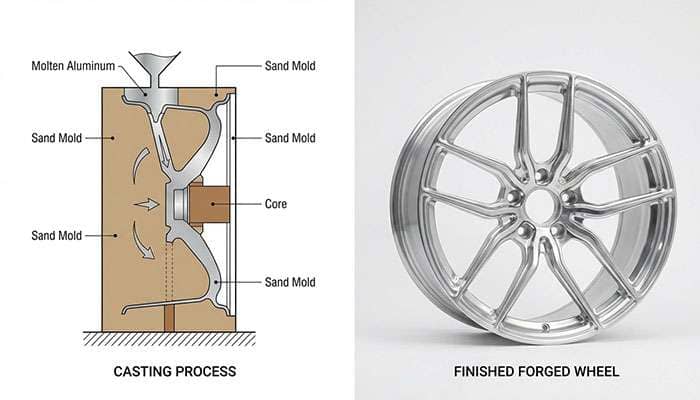
Performance wheels affect your driving experience through what engineers call "unsprung weight" reduction—the weight not supported by your vehicle's suspension system. This creates immediate improvements you'll notice every time you drive.
Acceleration becomes noticeably quicker because lighter wheels have less rotational inertia, meaning your engine works less to get them spinning. Real-world testing proves this—reducing wheel weight by just 12 pounds per corner improved a Mazda Miata's 0-60 time by 0.29 seconds. Braking performance improves too, as adding 10 pounds per wheel reduces braking effectiveness by approximately 1%.
Your steering response becomes more precise with lightweight wheels. When you replace heavy factory wheels with performance alternatives, your suspension reacts faster to road conditions and steering inputs. Every pound removed from wheel weight affects performance similar to removing 5-10 pounds from your vehicle's total weight.
Fuel economy benefits surprise many drivers. Heavy wheels consumed 7.5% more fuel than stock setups in controlled testing, primarily due to increased rolling resistance. For spirited driving, performance wheels provide better heat management during aggressive use, maintaining strength under stress.
Daily driving improves with reduced wheel mass creating better suspension response. This puts more control in your hands during lane changes or when taking corners. The difference becomes apparent whether you're commuting to work or enjoying weekend drives.
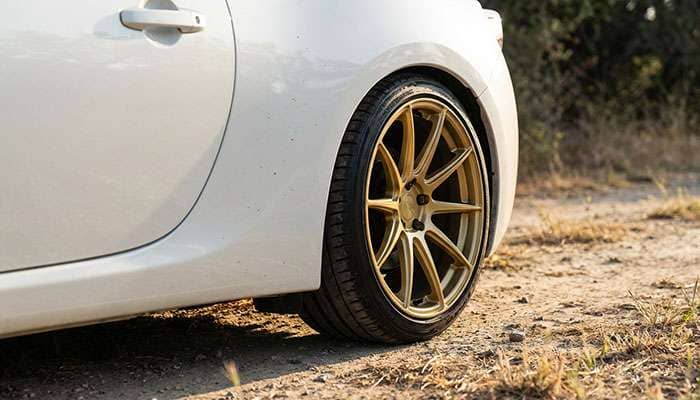
Performance wheels represent a significant investment that varies widely based on construction quality and manufacturing methods. Entry-level options start around $500 per wheel, while mid-range selections typically run between $700 and $1200. Premium forged wheels command $1500 to over $2000 each, with complete sets ranging from $887 to $1672.
Smart buyers look beyond the initial purchase price to long-term value. Quality performance wheels can increase your vehicle's resale value, especially when they enhance both appearance and driving performance. However, some modifications may discourage mainstream buyers who prefer original factory configurations.
Insurance coverage requires careful attention. Most standard auto policies don't automatically protect aftermarket wheels. Custom parts and equipment coverage typically costs about 10% of your modification value annually, with coverage limits usually between $2000 and $10000 per incident.
Warranty protection differs significantly between manufacturers. Premium brands like American Racing provide lifetime structural warranties with one-year finish coverage, while budget options offer limited protection. The Magnuson-Moss Warranty Act protects consumers by requiring manufacturers to prove your wheel modifications directly caused any component failure before denying warranty claims.
Customization options range from classic chrome to modern matte finishes. Some high-end custom wheels feature hand-brushed finishes that require up to 8 hours of specialized work per wheel. Made-to-order wheels can be manufactured in virtually any width and up to 22 inches in diameter.
When selecting performance wheels, consider your budget alongside your performance goals and aesthetic preferences. The investment pays off most for drivers who value enhanced handling, improved appearance, and the satisfaction of personalizing their vehicle.
Performance wheels deliver genuine benefits that extend well beyond appearance upgrades. The weight reduction creates real improvements in acceleration, handling, and driving dynamics that stem from solid engineering principles rather than marketing claims.
The investment requires careful consideration for any vehicle owner. Entry-level options start around $500 per wheel, while high-end forged wheels can exceed $2000 each. However, the performance gains often justify the cost for drivers who value responsive handling and improved acceleration.
Manufacturing methods offer different options to match your needs and budget. Flow-formed wheels provide excellent middle-ground performance, while forged options deliver maximum weight savings and strength. These differences translate into meaningful improvements in 0-60 times and fuel efficiency.
Your driving style should guide your decision. Daily drivers might appreciate improved fuel economy and smoother ride quality, though factory wheels often serve normal driving conditions well. Weekend enthusiasts and track drivers will notice significant improvements in cornering ability, braking performance, and overall vehicle responsiveness.
Quality performance wheels can increase your vehicle's resale value, though insurance considerations require attention through custom parts coverage. The appearance transformation combined with driving experience enhancements creates compelling value for those willing to make the investment.
Performance wheels represent one of the most effective modifications for changing both how your car looks and performs. The decision comes down to your priorities—whether you value enhanced performance, customized appearance, and improved driving experience enough to justify the premium investment.
Ready to upgrade your ride? Explore our selection of performance wheels to find the perfect match for your vehicle and driving style.
Performance wheels deliver measurable improvements beyond esthetics, with weight reductions of up to 30% creating noticeable gains in acceleration, handling, and fuel efficiency for serious drivers.
• Weight reduction drives real performance gains: Lighter wheels reduce unsprung mass by 15-30%, improving 0-60 times by up to 0.3 seconds and fuel economy by 7.5%
• Investment ranges from $500-$2000+ per wheel: Flow-formed wheels offer mid-range performance benefits, while forged wheels provide maximum weight savings and strength
• Manufacturing method determines value: Forged wheels are strongest and lightest, flow-formed provides good balance, while cast wheels prioritize affordability over performance
• Consider insurance and warranty implications: Aftermarket wheels require custom parts coverage and may affect manufacturer warranties, adding 10% annually to modification costs
• Best suited for enthusiast drivers: Performance wheels justify their cost for those who value responsive handling and track performance over basic transportation needs
The decision ultimately depends on whether you prioritize enhanced driving dynamics and customization enough to invest in premium wheel technology over standard OEM options.
Performance wheels can offer benefits like improved handling and esthetics, but for most daily drivers, the advantages may not outweigh the higher costs. Unless you frequently push your car's limits or prioritize looks, standard wheels are often sufficient for everyday use.
Lightweight performance wheels can slightly improve fuel efficiency by reducing unsprung mass. However, wider performance wheels with larger tires may increase rolling resistance and negatively impact fuel economy. The overall effect is usually minimal for typical driving.
High-quality performance wheels can enhance safety by improving braking distances and handling, especially in emergency maneuvers. However, the safety benefits are most noticeable during high-performance driving or in extreme conditions, not necessarily in everyday situations.
Performance wheels often have a shorter lifespan than standard wheels due to their softer compounds and more aggressive tread patterns. While standard wheels might last 50,000-70,000 miles, performance wheels may need replacement after 30,000-40,000 miles, depending on driving habits.
Installing performance wheels typically won't void your entire car warranty. However, if the wheels are improperly sized or installed, resulting in damage to other components, those specific repairs might not be covered. It's best to consult your vehicle's warranty terms and a professional installer.



