
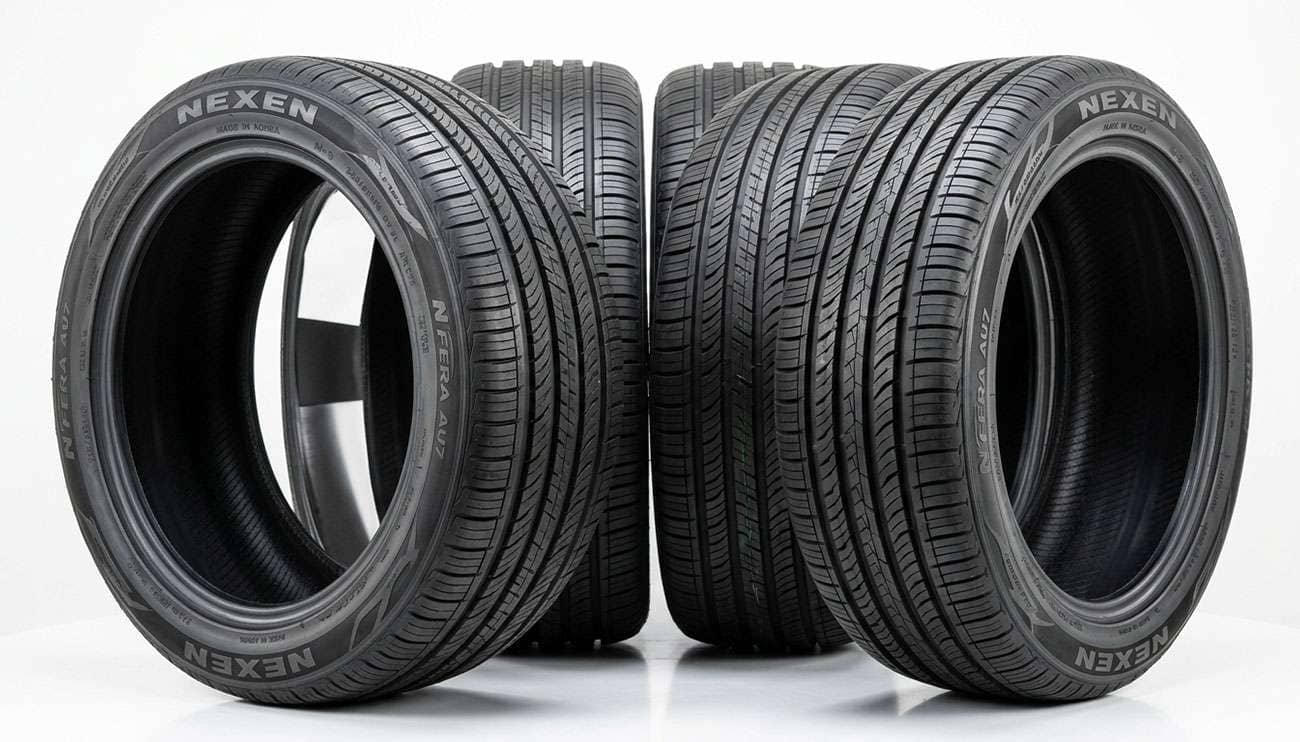
When a customer asks me whether Nexen tires are any good, I don't reach for a gut feeling — I reach for the data. And the data on Nexen is more interesting than most people expect from a brand that sits below the premium names on price. We're talking about a manufacturer that's been building tires since 1942, holds original-equipment contracts with Porsche, and entered the U.S. market with a clean recall record. Those aren't marketing claims; they're verifiable facts that tell you something about the engineering and quality control behind the rubber.
So let's run the numbers. In this review I'll walk through Nexen's pricing, tread-life specs, warranty terms, OEM credibility, and the one distinction that catches a lot of buyers off guard — and then give you a clear verdict on whether they belong on your vehicle.
Nexen has a longer track record than its value pricing suggests. The company was founded in 1942 as Heung-A Tire Co. — the first tire manufacturer in Korea — and adopted the Nexen name, short for "Next Century," in 2000. It began producing radial tires in 1985 and has since expanded to operations spanning roughly 120 to 150 countries.
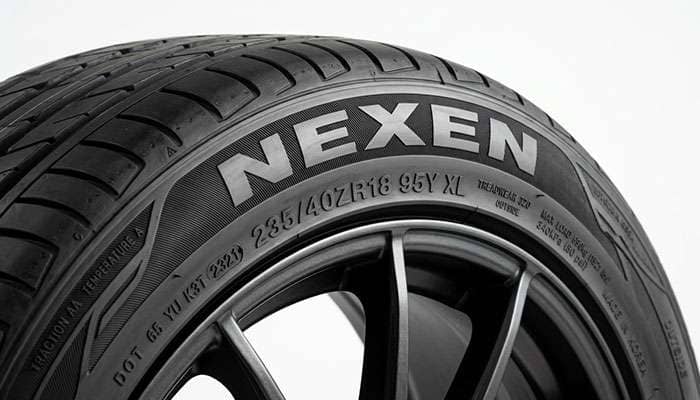
Production is spread across facilities in South Korea, China, the Czech Republic, and a growing U.S. footprint, supported by R&D centers that include one in Richfield, Ohio for North American validation. Two data points stand out for me as an engineer. First, Nexen was the first tire brand to distribute in the U.S. market with zero recalls — a meaningful indicator of consistent compound and construction quality. Second, the company's OEM client list runs through Porsche, Volkswagen, Hyundai, Kia, and Stellantis. When a performance brand like Porsche signs off on a tire for factory fitment, it has cleared strict standards for uniformity, durability, and ride. That doesn't make Nexen a premium tire — but it disqualifies the "cheap junk" label outright.
Yes — for the right driver and the right expectations. Nexen occupies the value-to-mid range of the market and performs accordingly: dependable dry traction, solid wet grip, comfortable and quiet ride quality, and competitive tread life, all at a price well below the premium tier. Independent test placements back this up; the Nexen Primus AS T1 took second place in a 2026 mid-range comfort tire test, and the N'Fera SUR4G has placed in extreme-performance testing.
Where Nexen does not win is at the limit. It trails Michelin, Bridgestone, and Goodyear in wet braking distance, long-term tread durability, severe winter traction, and high-performance handling precision. The honest framing is this: Nexen is a dependable value brand, not a premium tire disguised as a bargain. If your driving is daily commuting, highway miles, errands, and the occasional road trip, it covers that ground well. If you're chasing track-day grip or guaranteed traction in deep snow, look further up the ladder.
Here's where the value case gets concrete. Across the lineup, Nexen prices typically run from about $90 for standard passenger sizes up to roughly $320 for large-diameter off-road fitments. That's generally 20–40% below comparable premium tires depending on model and size.
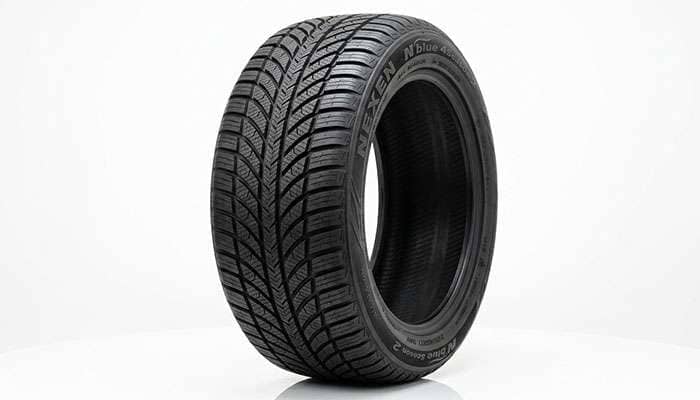
On longevity, real-world and warranty figures land between 40,000 and 80,000 miles. The Aria AH7 touring tire is the standout, pairing an 80,000-mile treadwear warranty with prices around $140 in common sizes. Nexen backs its tires with a limited warranty that typically extends up to six years from the date of manufacture, or roughly five years from purchase, depending on the program and region. For a brand at this price point, an 80,000-mile warranty on a touring line is genuinely competitive — and reflects confidence in the compound. If you want the broader math on value tires, I've covered whether cheap tires are worth it in detail.
Let me break the performance down by category, since "good" depends entirely on what you're asking the tire to do.
Dry traction: Strong. Nexen's all-season and summer models deliver steady grip, predictable handling, and confident braking for everyday use. The 3D block-edge and multi-pitch tread designs do real work here.
Wet traction: Good for the price. Multi-angle sipes and wide grooves move water efficiently and reduce hydroplaning risk, though wet braking still trails the premium benchmarks.
Comfort and noise: A genuine strength. Touring lines prioritize a smooth ride, and select premium models use a Noise Reduction System with sound-absorbing material to keep cabin noise low.
Winter: Adequate in all-season form for light snow. The Roadian AT Pro RA8 carries the Three-Peak Mountain Snowflake certification for more serious conditions, but Nexen is not a substitute for a dedicated winter tire where snow and ice are routine.
The honest weak spots: Owners occasionally report sidewall wear and faster-than-expected tread loss on certain fitments, and average consumer ratings sit around 3.8 out of 5 — solid, not class-leading. None of this puts Nexen in the category of tire brands to avoid, but it does mean you should match the model to your use carefully.
This is the single most important thing to understand about Nexen, and it explains most of the polarized reviews you'll find online. The Nexen tires that come pre-installed on a new car are built to an automaker's specification — and automakers frequently prioritize rolling resistance and fuel-economy targets over outright grip and tread life. The result is that some factory-fit Nexens wear quickly and feel underwhelming in the rain, leaving owners frustrated by 30,000 miles.
That experience does not represent Nexen's retail replacement lineup. Aftermarket models like the N5000 Platinum are engineered for retail buyers, with better tread warranties, improved wet traction, and longer durability. So if you drove on OEM Nexens and weren't impressed, don't write off the brand — the replacement tires are a different, more capable product. This is exactly the kind of spec nuance that's worth knowing before you judge any value brand by its factory rubber alone.
Matching the right Nexen line to your vehicle is where the value actually materializes. Here's how the core lineup breaks down.
Nexen Model |
Best For |
Key Specs |
|---|---|---|
Aria AH7 |
Sedans, hybrids, daily commuters |
Standard touring all-season; up to 80,000-mile warranty; ~$140 |
N5000 Platinum |
Drivers wanting touring comfort with sportier looks |
All-season grip, refined ride, strong replacement-tier value |
Roadian GTX |
SUVs and crossovers |
Quiet highway all-season touring; even wear; long tread life |
Roadian AT Pro RA8 |
Light trucks and mild off-road |
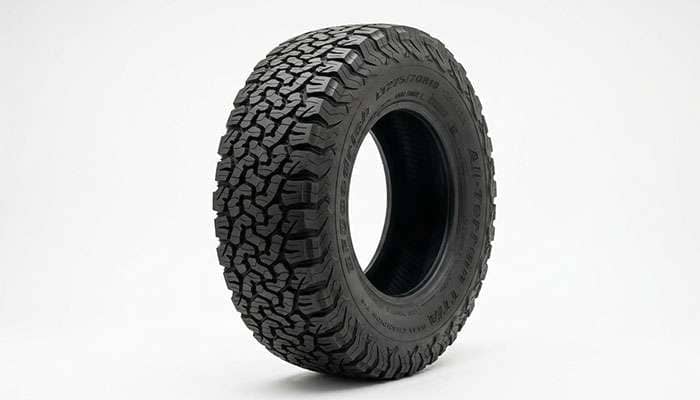
All-terrain; 3PMSF winter-rated; on-road manners retained |
The Aria AH7 is the value benchmark for passenger cars. SUV and crossover owners should look at the Roadian GTX, while the Roadian AT Pro RA8 is the pick for trucks that see dirt without giving up highway comfort. For a deeper fitment walkthrough on larger vehicles, see my guide on how to choose the best tires for your SUV.
Against the premium crowd, Nexen gives up wet-braking performance, last-tenth handling precision, and some long-term durability — but undercuts them by 20–40%, which is why it's such a common value choice. The closer comparison is against fellow Korean and mid-tier brands. People frequently weigh Nexen against Hankook; if you want to see where the Korean makers land relative to the gold standard, read how Hankook stacks up against Michelin.
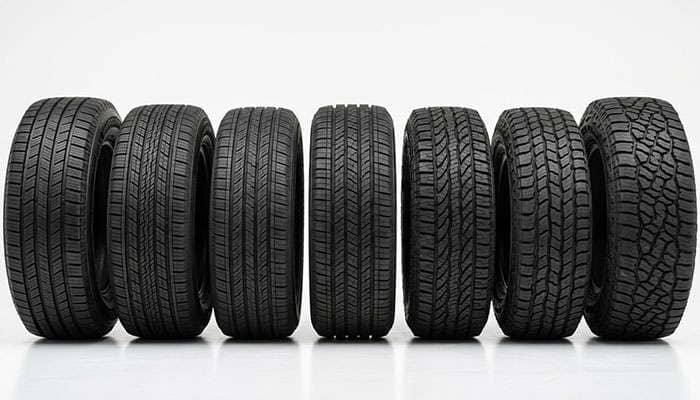
Within the value tier specifically, Nexen sits alongside other dependable picks I've reviewed — Falken, General Tire, and Uniroyal's budget-friendly range. One spec detail worth checking before you buy any of these: confirm you're getting the right speed rating for your vehicle, since value lines often offer the same size in multiple ratings. My breakdown of H vs. V speed ratings explains why that choice matters.
Run the numbers and Nexen makes a strong case. You get an 80-plus-year manufacturer with a clean U.S. recall record, OEM contracts that include Porsche, 40,000-to-80,000-mile tread life, and a 20–40% discount to the premium names. It won't lead a track test or replace a dedicated snow tire, but for the daily-driving majority, it delivers safe, comfortable, durable performance that punches above its price. Just buy the right replacement model for your vehicle — and don't judge the brand by its factory-spec rubber.
Ready to spec a set for your car, SUV, or truck? You can shop Nexen tires at Performance Plus Tire and we'll match the right model to your fitment.
Yes. Nexen is an established South Korean manufacturer founded in 1942 that supplies original-equipment tires to automakers including Porsche, Volkswagen, Hyundai, and Kia. It's a dependable value-to-mid-tier brand that delivers solid everyday performance at prices well below premium competitors.
Most Nexen tires last between 40,000 and 80,000 miles depending on the model and driving conditions. Touring lines like the Aria AH7 carry treadwear warranties up to 80,000 miles. Regular rotations and correct inflation are essential to reaching those figures.
Nexen manufactures tires in South Korea, China, the Czech Republic, and the United States. The company is headquartered in South Korea and operates R&D centers including one in Richfield, Ohio that validates tires for the North American market.
Factory OEM tires are built to an automaker's specification, which often prioritizes fuel economy over tread life and grip. That can cause some OEM-spec Nexens to wear faster than expected. Nexen's retail replacement models, like the N5000 Platinum, are engineered for buyers and typically offer better warranties and durability.
Nexen's all-season models handle light snow reasonably well, and the Roadian AT Pro RA8 carries the Three-Peak Mountain Snowflake rating for tougher winter conditions. For routine deep snow and ice, however, a dedicated winter tire is the safer choice.



