
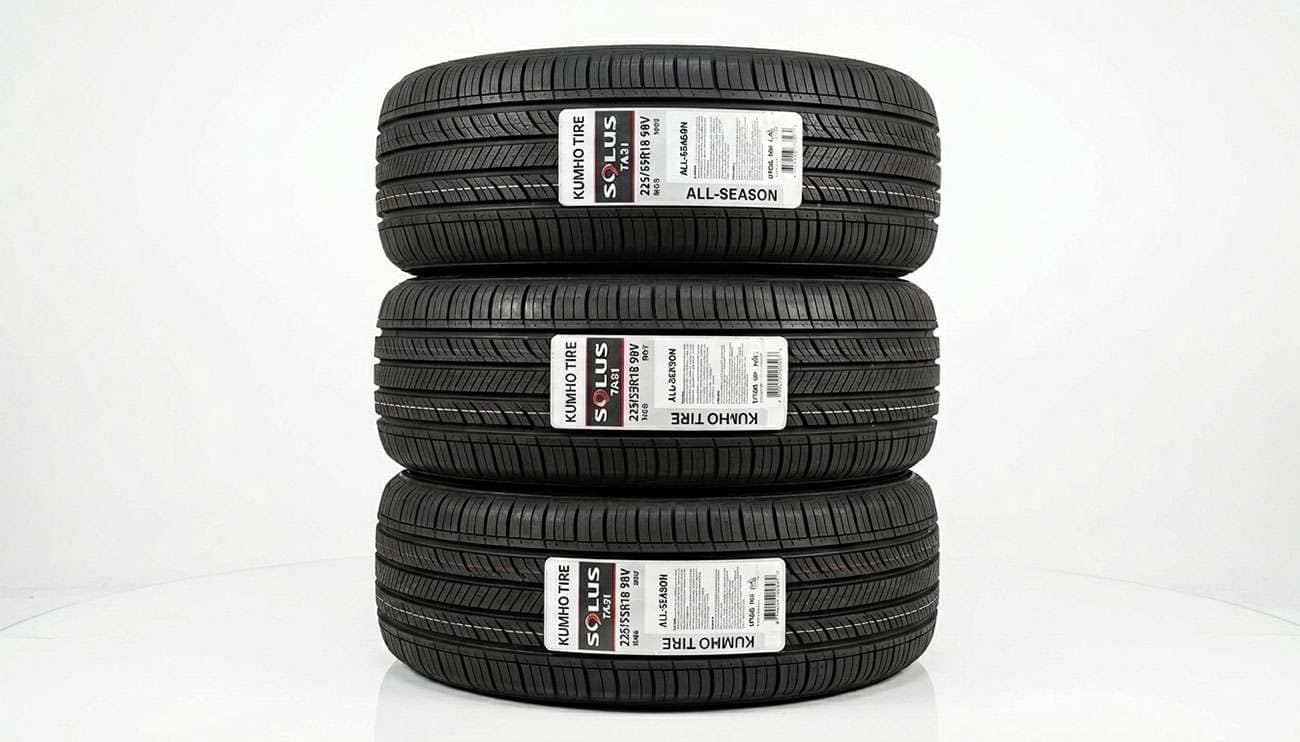
I've been around tires long enough to remember when a "value brand" usually meant you'd be back in six months wondering where your tread went. So when Kumho started showing up on the racks and customers started asking me about them, I'll admit I raised an eyebrow. A Korean tire at a Korean price — was it the real deal, or just cheap rubber dressed up nice?
Turns out that question — are Kumho tires any good? — is one I get asked just about every week now. Folks see the name pop up next to Michelin and Goodyear, notice the price is a good chunk lower, and they want to know if they're about to make a smart move or a mistake. So let me give you the straight version, the kind I'd give a buddy leaning on my counter, not the marketing brochure.
First thing worth knowing: Kumho isn't some fly-by-night outfit slapping a logo on whatever rolls off a factory line. The company started back in 1960 in Gwangju, South Korea — it was originally called Samyang Tire before taking the Kumho name in 1981. Six decades later it's the second-biggest tire maker in Korea, cranking out somewhere north of 70 million tires a year and selling in around 180 countries.
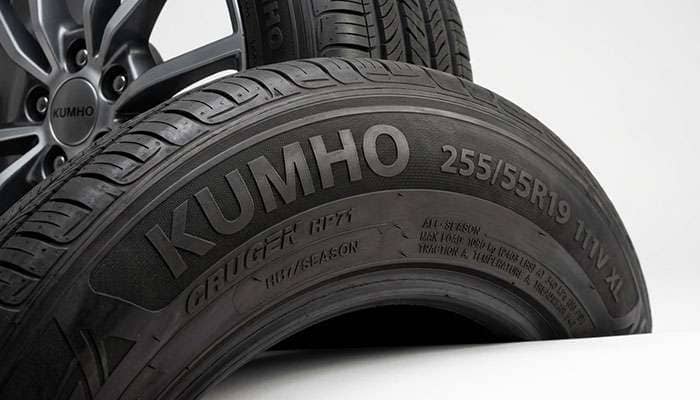
Here's the part that usually settles people down when they're nervous about an unfamiliar name: Kumho runs factories across South Korea, China, Vietnam, and even here in the United States, and they build original-equipment tires for automakers like Hyundai and Kia — and a handful of select Mercedes-Benz models. When a carmaker signs off on putting your rubber on their brand-new vehicles, that tells you the quality control is real. You don't earn an OEM contract by cutting corners.
This is the heart of it, so I'll answer plainly: yes, Kumho tires are good — for what they are. They're not pretending to be a $300 ultra-high-performance tire, and you shouldn't expect them to be. What they are is a dependable, well-built tire that does the everyday job and asks for less of your money to do it.
The way Kumho keeps the price down isn't by skimping on safety. It's by leaning on proven, mature tread designs and engineering their manufacturing to be lean rather than chasing the bleeding edge of tire technology. That's a sensible trade for most of us. The vast majority of drivers aren't autocrossing on the weekends — they're commuting, running errands, and getting the kids to practice. For that life, Kumho's "good enough that you forget about them" approach is exactly right. If you want the longer conversation on that math, I've written before about whether cheap tires are worth it.
Let me tell you what actually impresses me about these tires after seeing plenty of them come through the shop.
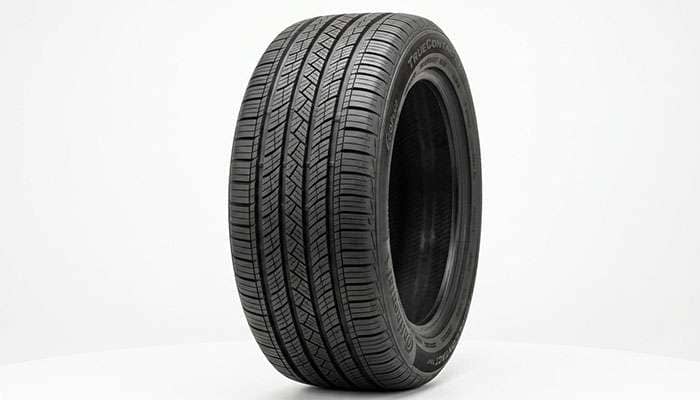
Value, plain and simple. A popular Kumho all-season can run somewhere around $130 a tire where a comparable Michelin might be closer to $180. Spread that across four corners and you're keeping real money in your pocket without dropping into junk-tire territory.
Wet grip that punches above its price. Kumho leans hard on silica tread compounds and well-thought-out grooving in lines like the Solus and Ecsta. The result is solid water evacuation and braking in the rain — and around here, that matters more than people think. A tire that stops short on a wet off-ramp is worth every penny.
Tread life that holds up. Owners regularly report 50,000 to 70,000 miles out of their Kumho touring tires, and the wear tends to be nice and even — no chewed-up shoulders or cupped centers if you keep up with rotations. That even wear is the fingerprint of decent manufacturing.
A quiet, comfortable ride. When they're fresh, Kumhos are genuinely smooth and quiet. The sidewall and tread engineering soak up rough pavement well, which makes a longer haul a lot less tiring.
I'm not in the business of selling anybody a tire that's wrong for them, so here's the honest other side.
Real winter is the weak spot. Kumho makes winter tires, but good luck finding their dedicated snow lineup through most big retailers in the States. If you live somewhere that gets hammered with snow and ice, you're better off with a purpose-built winter tire — their all-seasons handle light snow fine, but that's the ceiling.
Not a premium-handling tire. If you're used to the razor-sharp steering response of a top-tier sport tire, a touring Kumho is going to feel a touch softer and less precise. That's the trade for the comfort and the price. For a spirited canyon run in a sports car, look up the ladder.
Some models get louder as they age. A few owners notice more road noise once the tread's worn down a ways, especially on coarse pavement. Not a dealbreaker, but worth knowing.
And as always, a brand being good doesn't mean every tire under it is right for you. Picking the wrong model for your driving is how folks end up unhappy — same as it'd be with any maker. If you want a sense of where the genuinely problematic stuff lives, here are some tire brands worth steering clear of — Kumho is not on that list.
Kumho isn't one tire — it's a whole family, and matching the line to your vehicle is where the magic happens. Here's how I'd break it down for a customer.
Kumho Line |
Best For |
What You Get |
|---|---|---|
Solus (TA11, TA51, 4S) |
Sedans, coupes, daily commuters |
All-season touring comfort, long tread life, strong value |
Ecsta (PA51, Sport, V720) |
Performance cars and enthusiasts on a budget |
Sharper grip in wet and dry, asymmetric tread, sportier feel |
Crugen (HP71) |
Crossovers and SUVs |
Quiet year-round ride, even wear, all-season traction |
Road Venture (AT52, A/T51, MT KL71) |
Trucks, Jeeps, and off-roaders |
All-terrain to mud-terrain grip; the AT52 is 3PMSF winter-rated |
If you're a daily driver, the Solus is the bread and butter. Got a crossover hauling the family? The Crugen's your friend. Driving something with a little fire in it? The Ecsta line is where the fun lives. And if your weekends involve dirt and rock, the Road Venture range covers everything from mild all-terrain to serious mud.
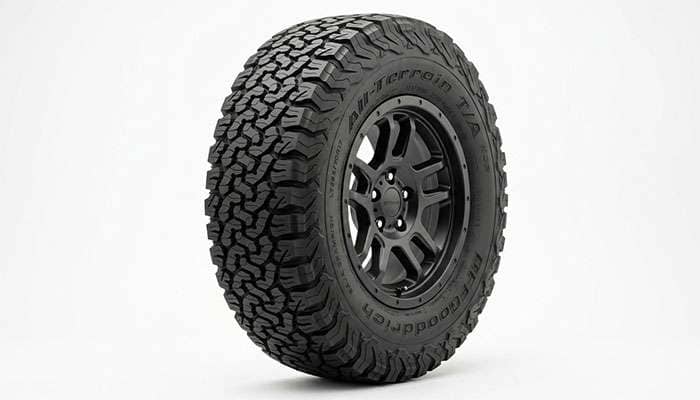
Against the premium crowd — your Michelins and Bridgestones — Kumho gives up a little outright refinement and that last sliver of grip at the limit. But you're paying 20 to 30 percent less, and for everyday driving the gap is a lot smaller than the price difference suggests. That's a deal a lot of smart folks happily take.
The more interesting comparison is against Kumho's fellow Koreans and the other value players. Plenty of people ask me how Kumho measures up to Hankook — and in my experience, Kumho holds its own and then some, even though Hankook gets more of the motorsport spotlight. If you're curious where that rivalry lands against the gold standard, take a look at how Hankook compares to Michelin.
And compared to the genuinely budget tier — the names you've never heard of — Kumho is a clear step up in consistency, safety, and durability. If you're weighing value brands, it sits right alongside other dependable picks I've reviewed like Falken, General Tire, and Uniroyal's budget-friendly range. If you've been eyeing the truly cheap imports instead, it's worth understanding the best Chinese tire brands before you decide — Kumho usually comes out ahead on peace of mind.
So — are Kumho tires any good? My honest answer, after all the sets I've seen come and go: yes, and they're one of the better value plays out there right now. They won't win a track day and they won't conquer a blizzard, but for the way most of us actually drive, they deliver safe, comfortable, long-lasting rubber at a price that leaves money for the rest of life. That eyebrow I raised years ago? It's been back down for a long while.
If you're ready to see what fits your ride, you can shop Kumho tires at Performance Plus Tire and we'll get you set up right.
Yes. Kumho is a reputable South Korean manufacturer that's been building tires since 1960 and supplies original-equipment tires to automakers like Hyundai and Kia. For everyday driving, they deliver solid quality and value, sitting comfortably in the mid-tier rather than the no-name budget bin.
Most drivers get between 40,000 and 75,000 miles depending on the model and how they drive. Touring lines like the Solus are on the longer end, and the better models carry treadwear warranties to match. Regular rotations and correct air pressure are the keys to hitting those numbers.
Kumho operates manufacturing facilities across South Korea, China, Vietnam, and the United States. The company is headquartered in South Korea and sells in roughly 180 countries worldwide.
Their all-season models handle light snow reasonably well, and the Road Venture AT52 carries the Three-Peak Mountain Snowflake rating for tougher conditions. But Kumho's dedicated winter tires are hard to find through most U.S. retailers, so if you face heavy snow and ice regularly, a purpose-built winter tire is the better call.
Both are strong Korean brands at similar price points. Hankook has more name recognition thanks to its motorsport presence, but Kumho's tires are right there with it — and in several categories just as good or better. The right pick usually comes down to the specific model and the deal you can get.



