
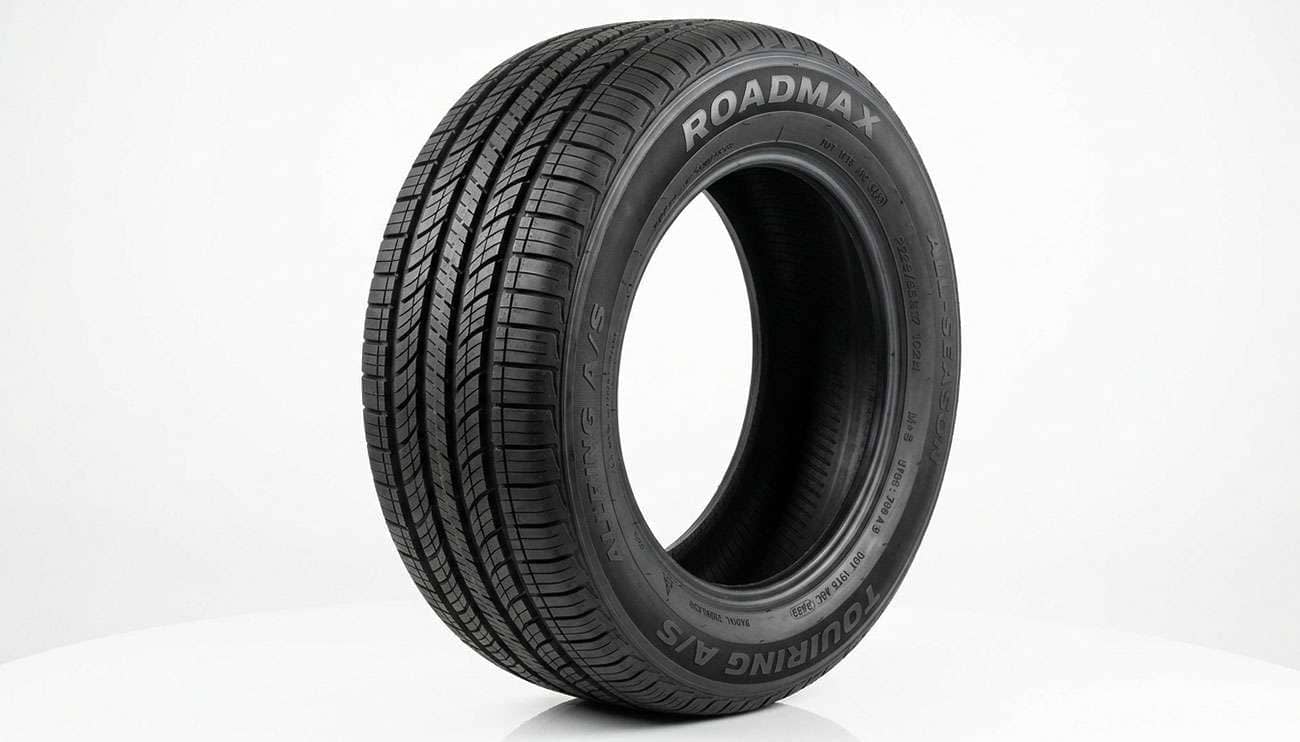
I've been mounting tires since before some of you were born, and I'll tell you the question I hear most at the counter isn't about grip or noise or looks. It's money. Folks set a budget tire down on the rack and ask me, plain as day, "Hank, how long is this thing gonna last me?" Fair question. You're not buying a wheel to hang on the wall — you want to know how many miles you're getting for your dollar.
So let me give you the straight answer the way I'd give it to a buddy in the bay, no salesman fluff.
An affordable tire — what most people call a budget or economy tire — generally runs you somewhere between 20,000 and 40,000 miles. Put another way, with average driving you're looking at roughly two to four years before it's time to think about a new set. A few of the better value brands will stretch toward 50,000 if you treat them right, but I wouldn't bank on it.
Now, premium tires? Those routinely run 50,000 to 70,000 and sometimes more. So a budget tire is giving you about half the rope of the expensive stuff. That's not me knocking cheap tires — it's just the trade you're making, and it's an honest one as long as you go in with your eyes open.
I'm not going to bury you in a wall of mileage figures here, because we've already chewed on that in detail. If you want the deep numbers on how the clock ticks across every tire type, go read how many miles do car tires last and the broader breakdown on how long do car tires last. What I want to do on this page is talk about why the affordable stuff sits where it sits, and how to keep yours from dying young.
Affordable Tire Type |
Typical Lifespan |
Best For |
|---|---|---|
Budget all-season |
30,000-45,000 miles |
Daily commuters who want the most miles per dollar |
Economy touring |
25,000-40,000 miles |
Sedans and crossovers wanting a quieter, comfier ride |
Low-cost performance |
20,000-35,000 miles |
Sporty cars where grip matters more than mileage |
Notice the pattern there: the more a tire is built for grip, the softer the rubber, and the faster it wears. That's true at every price point, but it stings more on a budget tire because you've got less tread to give away in the first place.
People assume cheap tires wear fast because the factory is cutting corners to be mean. Most of the time it's simpler than that — it's chemistry and physics. A budget tire is built to a budget, and that shows up in three places I can show you with my own two hands.
First, the rubber compound. Premium makers blend in more silica and tougher polymers that resist heat and abrasion. Cheaper compounds soften quicker and shed faster — same as a cheap pencil eraser versus a good one.
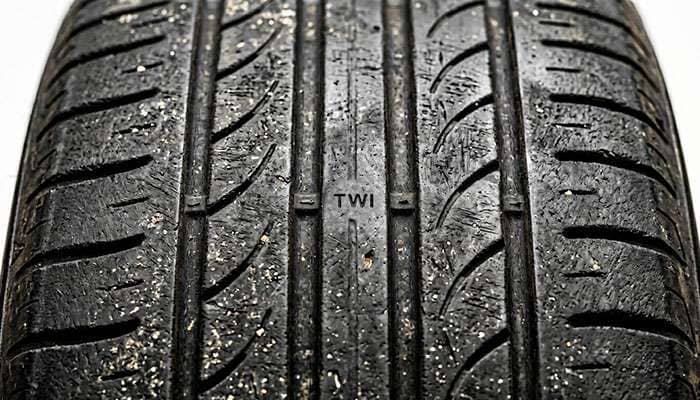
Second, tread depth and casing. A lot of value tires start life with shallower tread and a lighter internal casing. Less tread means fewer miles to give before you hit the wear bars. A lighter casing also flexes more, and flex builds heat, and heat is what kills rubber.
Third, consistency. The big premium plants hold tighter tolerances, so the tire is more uniform and wears more evenly. A budget tire that's even slightly out of round will scrub itself down quicker in spots, and once it starts wearing unevenly it goes downhill fast.
Here's the part most folks don't want to hear: the tire isn't the whole story. I've seen a cheap set go 45,000 miles on a careful driver and a premium set get butchered to the cords in 18,000. The car, the roads, and the hands on the wheel matter just as much as the price tag.
The big lifespan killers, in the order I see them roll into my shop:
None of that is exotic. It's just the boring maintenance nobody brags about. But it's exactly where a budget tire either earns its keep or lets you down.
Want to know how long a tire will last before you ever bolt it on? Flip it over and read the sidewall. Every tire sold here carries a UTQG treadwear rating — a number stamped right into the rubber.
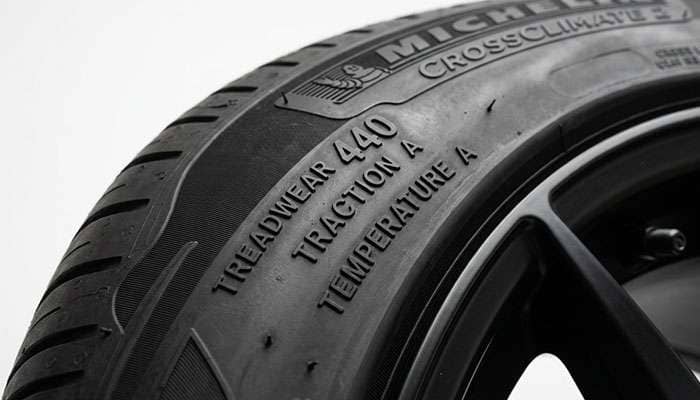
Bigger number, longer the tire is rated to last. A 700 treadwear tire is built to go a good while; a 300 is a softer, grippier tire that'll wear out faster. It's not a perfect mileage guarantee — every maker scores their own — but it's the closest thing to an honest spec you'll get. We break the whole system down in how to read tire treadwear ratings, and it's worth two minutes before you buy anything.
Now, I'm not going to start naming brands to steer clear of — that's a fool's game and every tire has its place. But I'll tell you the red flags I look for on a spec sheet, and you can judge for yourself:
Check those three things and you've already dodged most of the genuinely disposable junk out there, no matter the brand name.
Here's the good news, and I mean this as a guy who's sold tires for decades: the budget tire of today is a whole lot better than the budget tire of twenty years ago. Brands like Sailun, Milestar, Nankang, Kenda, Accelera, Ironman, and Travelstar have come a long way, and plenty of them will give you 40,000-plus honest miles if you maintain them. You can browse the value-tier lineup over at our tire store and see what fits your ride and your wallet.
The trick is matching the tire to the job. If you've got a long daily commute, lean toward a budget all-season with a higher treadwear number and let mileage do the talking. If you mostly run errands around town, you've got more room to pick on price. For a curated look at which value brands actually hold up, we put together affordable good quality tire brands for exactly this kind of shopper.
And don't let anybody tell you cheap automatically means a worse deal. Whether budget tires actually save you money over the long haul depends entirely on how you drive and how you maintain them — we ran the real cost math in are budget tires worth it, and the answer surprised a few people.
Mileage is a guideline, not a law. There are times you replace a tire even if the tread looks fine, and on cheaper rubber these show up sooner because the compounds don't age as gracefully.
Pull the trigger when:
If your tread's getting thin and you're weighing whether the cheap set was a smart buy this time around, the honest field test we ran in is it worth it to buy cheap tires is the one I'd point you to before you decide on round two.
So, what's the lifespan of an affordable tire? Two to four years, or 20,000 to 40,000 miles for most folks — about half what you'd get from a premium set. But that number isn't carved in stone. Rotate them, keep them aligned, run the right pressure, and check the treadwear rating before you buy, and a good budget tire will pay you back every mile it can. Treat it like an afterthought and it'll quit on you early. The tire's only doing half the work — the rest is on you. Come see us at 3910 Cherry Ave in Long Beach and we'll set you up with a value tire that's right for how you actually drive.
Most affordable tires last between 20,000 and 40,000 miles, with some better value brands reaching 50,000 miles when maintained well. That's roughly two to four years of average driving, or about half the lifespan of premium tires.
Yes, as long as the tire carries the correct load and speed rating for your vehicle and you keep up with maintenance. Today's value-tier tires meet the same safety standards as premium tires; they simply trade some tread life and high-end grip for a lower price.
Budget tires usually use softer rubber compounds, start with shallower tread depth, and have lighter casings that flex and build more heat. All three reduce how many miles the tire can give before it reaches the wear bars.
Rotate them on schedule, keep your alignment dialed in, maintain the correct tire pressure, and avoid hard cornering and curb hits. Good maintenance can push a budget set toward the higher end of its mileage range and is the cheapest way to protect your investment.
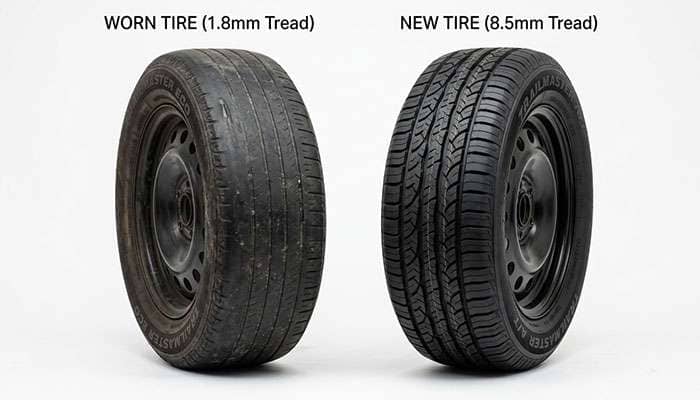
Replace any tire once tread depth reaches 2/32 of an inch, when you see sidewall cracking or dry rot, or once the tire is six years or older based on the sidewall date code. Bulges, blisters, or repeated flats also mean it's time for a new tire.



