

245 vs 265 tires represent one of the most common tire size decisions drivers face, and this 20mm width difference creates notable impacts on vehicle performance, handling, and fuel efficiency. The numbers in tire sizing tell you the exact width in millimeters - a 245 tire measures 245mm wide, while a 265 tire measures 265mm wide. This difference affects far more than just appearance.
What makes the difference between 245 and 265 tires more significant than the width alone suggests? A 265 tire stands about 2 inches taller in diameter than a 245 tire, creating substantial changes in vehicle dynamics. The wider 265mm tire delivers the largest contact patch with the road surface, directly affecting traction, braking, and fuel consumption.
The narrower 245 tires excel at fuel economy and provide a smoother ride with reduced rolling resistance. Meanwhile, 265 tires offer superior grip, enhanced stability, and an aggressive appearance that works perfectly for off-road driving or heavier vehicles. The load capacity difference proves substantial - a 265mm tire can handle roughly 440-660 lbs more weight per tire, representing a significant 30-40% increase in load capacity.
We'll break down the real-world performance differences between these popular tire sizes. Whether you need everyday city driving efficiency or require additional traction for off-roading adventures, you'll understand exactly how these tire sizes compare and which one delivers the best performance for your specific driving needs.
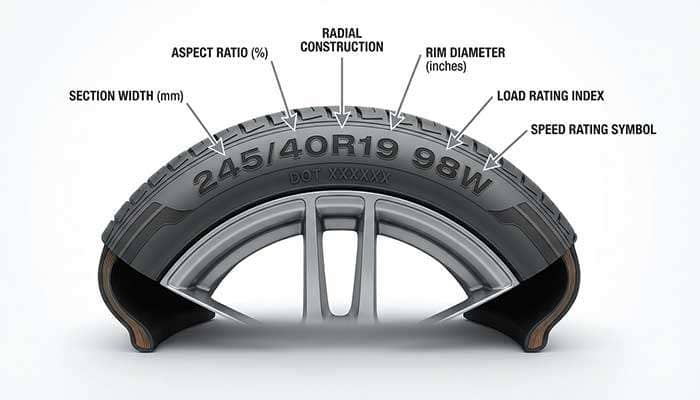
Understanding tire sizing is important before making a purchase decision between 245 vs 265 tires. The numbers in tire sizes provide crucial information about dimensions and performance characteristics that directly affect your vehicle's capability.
The first number indicates tire width measured across the tread in millimeters. The 20mm difference between 245 and 265 tires (about 0.79 inches) creates notable performance variations. The wider 265 tires provide a larger contact patch with the road surface, enhancing traction during acceleration, braking, and cornering. The narrower 245 tires offer lighter, more agile steering response. For drivers seeking a balanced compromise between quick handling and sufficient grip, 245 tires often represent the middle ground.
The second number in tire sizing (like 70 in 245/70R16) represents the aspect ratio - the sidewall height as a percentage of the tire's width. This measurement substantially affects overall tire dimensions. With the same aspect ratio, wider 265 tires have taller sidewalls compared to 245 tires. A 265/50R17 tire has a sidewall approximately 20mm taller than a 225/50R17, contributing to better impact absorption and ride comfort. Overall diameter differences can be significant - a 265/65R17 measures about 30.6 inches in diameter compared to a 225/65R17 at 28.5 inches.
Proper rim width is essential when choosing between these tire sizes. The 245 tires fit 6.5-8.5 inch wide rims, while 265 tires require 7-9.5 inch wide rims. Using too narrow a rim with wider tires can cause the tread to arch, creating wear issues and making the vehicle susceptible to wandering and crosswind sensitivity. Clearance must be considered since the wider 265 tires might rub against fenders or suspension components. Most experts recommend staying within 3% of the original tire diameter when changing sizes to maintain proper speedometer readings and prevent fitment issues.
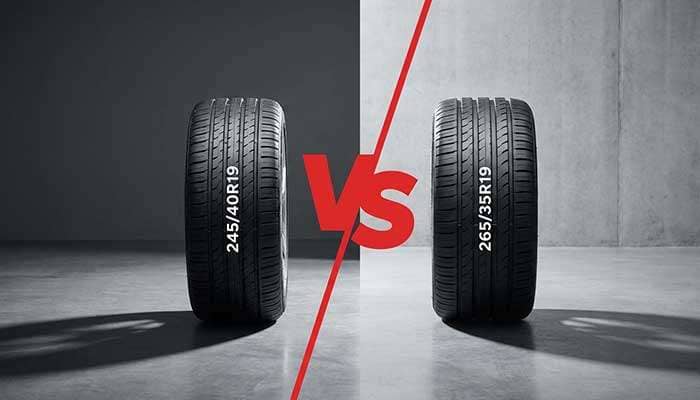
Real-world performance differences between 245 vs 265 tires become apparent the moment you start driving. These variations directly impact your daily driving experience and operating costs.
245 tires deliver superior fuel economy through reduced rolling resistance. The smaller contact patch requires less energy to move forward, translating to measurably higher MPG. Switching from a 245 to a 265 tire can decrease fuel efficiency by approximately 1-4 MPG. This occurs because wider 265 tires generate more friction with the road surface, demanding additional engine power to maintain speed.
265 tires provide superior grip and stability during cornering through their wider footprint. Nearly 10 inches of width delivers markedly improved traction on wet or slippery roads. They offer stronger grip on rugged terrain. However, 245 tires excel with sharper control on paved roads and more responsive steering thanks to their lighter, more direct feel.
245 tires typically deliver a smoother, quieter ride, particularly on highways. 265 tires excel at absorbing shocks off-road through their taller sidewalls that better cushion impacts. For long-distance driving comfort, 245/75R16 tires often provide a more comfortable experience.
245 tires generate noticeably less road noise, especially at high speeds. Their narrower profile creates less friction and reduced noise. 265 tires produce more noise at highway speeds but offer improved shock absorption that minimizes vibration on rough surfaces.
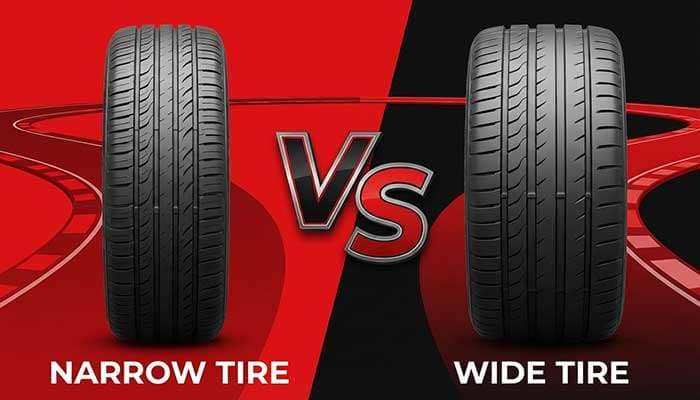
Selecting the right tire size directly impacts your daily driving experience. The choice between 245 vs 265 tires depends on your specific driving conditions and vehicle use patterns.
Daily commuters benefit most from 245 tires. These narrower tires deliver superior fuel economy with measurable MPG improvements over wider alternatives. Highway driving becomes quieter and more comfortable, while paved road handling feels sharper and more responsive. When efficiency and comfort matter most during routine driving, 245 tires provide the ideal balance.
Heavy-duty applications demand the enhanced capabilities of 265 tires. The wider footprint grips loose or rocky surfaces more effectively, while wet weather traction improves significantly. Towing stability increases with the larger contact patch. For drivers who prioritize maximum grip over fuel efficiency, 265 tires excel in challenging conditions.
Commercial and heavy-duty applications require the superior higher load ratings that 265 tires provide. These tires support approximately 440-660 pounds more weight per tire, representing a substantial capacity increase. SUVs and trucks that regularly haul heavy cargo or equipment benefit from this enhanced load-carrying capability.
Vehicle appearance changes dramatically with tire choice. The 265 tires create an aggressive, muscular stance that gives vehicles a commanding road presence. Alternatively, 245 tires maintain a balanced, proportional appearance that many drivers prefer for everyday vehicles.
The right choice balances your practical needs with personal preferences - whether you prioritize efficiency, capability, or appearance in your tire selection.

When shopping for new tires, understanding both performance specifications and current market prices helps you make the best decision about 245 vs 265 tires. We've compiled pricing information on popular models to help you find the perfect match for your vehicle and budget.
The Mastertrack M-Trac HT (245/70R16) delivers reliable handling on both dry and wet roads, making it perfect for daily commuters. At approximately $145.08 per tire, it features engineered sidewalls for steady highway control. The Michelin Defender LTX M/S stands out with superior durability, offering a 50,000-mile tread warranty and advanced siping for wet conditions. This premium option starts at $258.99 per tire. Other quality options like Armstrong Tru-Trac HT provide 65,000-mile warranties at competitive prices.
For those requiring wider tires, the Lexani LXHT-206 (265/70R17) offers excellent highway performance with a 40,000-mile tread life and water evacuation design, starting at $151.88. Off-road enthusiasts choose the BFGoodrich All-Terrain T/A KO2, featuring CoreGard™ sidewall technology and 3D sipes for superior traction. This rugged option costs approximately $297.99 per tire. Cooper offers all-terrain 265/70R17 options around $160.
Tire retailers offer flexible payment plans through services like Affirm, allowing you to choose payment schedules that fit your budget. Discount Tire provides promotional financing for 6, 9, or 12 months on qualifying purchases with their credit card. Understanding warranty coverage is crucial—most manufacturers offer treadwear warranties ranging from 40,000 to 65,000 miles, with prorated replacements if tires wear out prematurely.
At Performance Plus Tire, we carry the best selection of both 245 and 265 tire options at the lowest prices. Our huge selection includes all the top brands, and we offer flexible financing options to help you get the tires you want without breaking the bank. Visit https://www.performanceplustire.com/ to find your perfect tire match.
Here's a side-by-side breakdown of the key differences between 245 and 265 tires to help you make the right choice for your vehicle:
Characteristic |
245 Tires |
265 Tires |
|---|---|---|
Width |
245mm |
265mm |
Compatible Rim Width |
6.5-8.5 inches |
7-9.5 inches |
Load Capacity |
Lower (base reference) |
440-660 lbs more (30-40% increase) |
Fuel Efficiency |
Better (1-4 MPG advantage) |
Lower due to increased friction |
Road Noise |
Quieter, especially at high speeds |
More noise at highway speeds |
Handling Characteristics |
Sharper control on paved roads, More responsive steering, Lighter, more agile feel |
Better grip and stability, Superior traction in wet conditions, Better cornering performance |
Ride Comfort |
Smoother, quieter ride on highways |
Better shock absorption off-road |
Best Suited For |
Daily commuting, City driving, Highway use, Fuel economy priority |
Off-road driving, Heavy towing, Rugged terrain, Heavy cargo loads |
Starting Price Range* |
$145.08 - $258.99 |
$151.88 - $297.99 |
*Based on specific models mentioned in the article
Use this comparison to match your tire choice with your specific driving needs and vehicle requirements. The decision comes down to whether you prioritize fuel economy and highway comfort or need maximum traction and load capacity for demanding driving conditions.
The choice between 245 and 265 tires comes down to matching your specific driving priorities with the right tire performance characteristics. This 20mm width difference creates distinct advantages for different driving situations and vehicle uses.
For drivers who prioritize fuel economy and daily driving comfort, 245 tires deliver clear benefits with their improved efficiency and quieter highway operation. These tires work best for city commuters and highway drivers who value responsiveness and lower operating costs.
When you need maximum traction and load-carrying capability, 265 tires provide the superior grip and stability required for off-road driving, heavy towing, and challenging terrain. The enhanced contact patch and higher load ratings make them ideal for trucks and SUVs that work hard.
Vehicle compatibility plays a crucial role in your decision. Check your rim width requirements - 245 tires work with 6.5-8.5 inch rims while 265 tires need 7-9.5 inch rims for proper fitment. Consider fender clearance and suspension components to avoid rubbing issues with wider profiles.
Price differences between these sizes remain modest, with quality options available in both categories. The performance benefits you gain typically outweigh the small price premium for wider tires.
Ready to find the perfect tires for your vehicle? Browse our complete selection of 245 and 265 tires at Performance Plus Tire to discover the ideal match for your driving needs and budget. Our expert team can help you select the right size and model to enhance your vehicle's performance and appearance.
The real-world impact of choosing the right tire size affects your daily driving experience, vehicle capabilities, and long-term satisfaction. Whether you prioritize efficiency, capability, or appearance, the perfect tire choice balances your practical requirements with your driving preferences.
Understanding the 20mm width difference between 245 and 265 tires helps you choose the right option for your specific driving needs and vehicle requirements.
• 245 tires deliver 1-4 MPG better fuel economy with quieter highway operation, making them ideal for daily commuting and city driving.
• 265 tires provide 30-40% higher load capacity (440-660 lbs more per tire) with superior traction for off-road driving and heavy towing.
• Wider 265 tires offer better grip and stability in wet conditions and cornering, while narrower 245 tires provide sharper steering response on paved roads.
• Check rim compatibility before switching - 245 tires fit 6.5-8.5 inch rims while 265 tires require 7-9.5 inch rims for proper fitment.
• Price differences are modest with quality 245 tires starting around $145 compared to $152 for comparable 265 models, making performance the primary deciding factor.
The choice ultimately comes down to prioritizing fuel efficiency and comfort (245) versus maximum traction and load capacity (265), with your specific driving conditions and vehicle use determining the best fit.
The key differences are width (265 tires are 20mm wider), contact patch size (265 tires have a larger footprint), and performance characteristics. 265 tires generally offer better traction and stability, while 245 tires provide better fuel economy and a smoother ride.
Switching to 265 tires typically results in heavier steering, slightly reduced acceleration, and a stiffer ride. This is due to the increased width, weight, and rolling resistance of the larger tires.
Yes, upgrading to 265 tires can decrease fuel efficiency by approximately 1-4 MPG due to increased rolling resistance and weight.
Not always. 265 tires typically require wider rims (7-9.5 inches) compared to 245 tires (6.5-8.5 inches). It's crucial to check rim compatibility before making the switch.
265 tires generally have a higher load capacity. They can support approximately 440-660 pounds more weight per tire, which is a 30-40% increase compared to 245 tires.



