
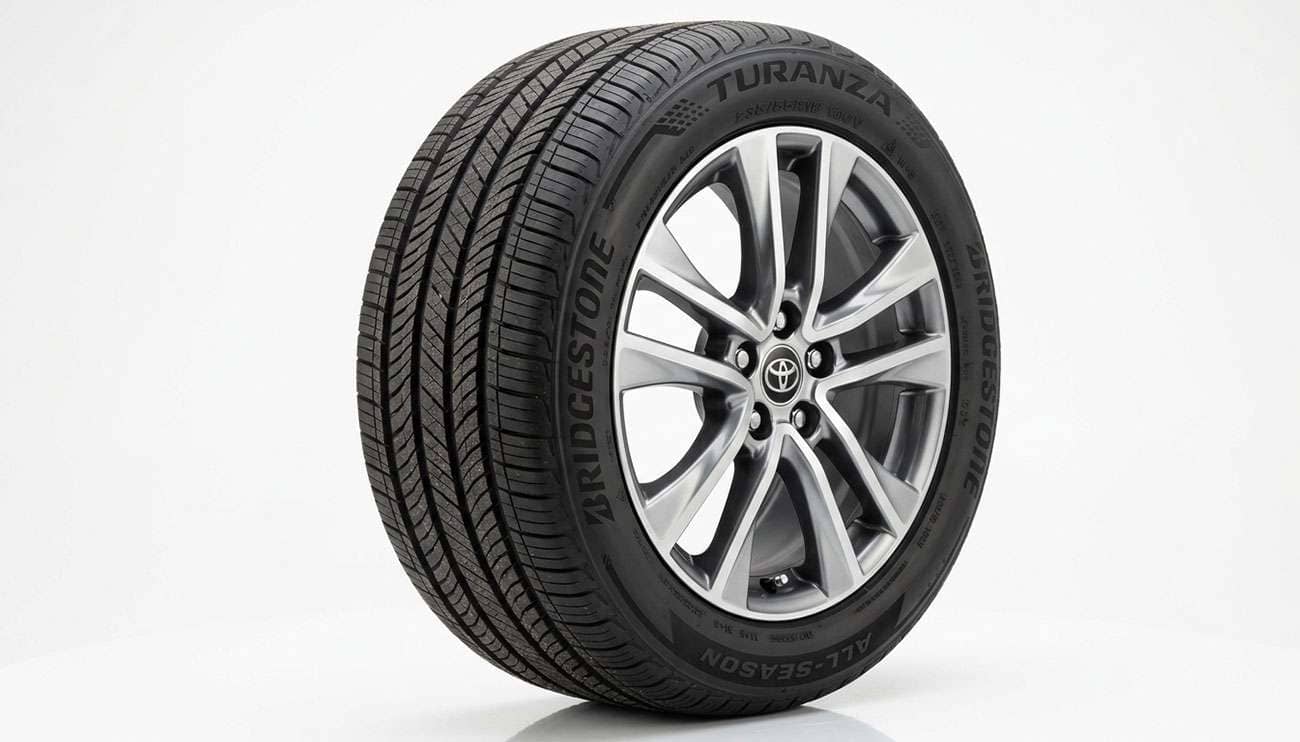
A 235/55R18 tire has an overall diameter of 28.2 inches (28.18 in, or 715 mm), a section width of 9.3 inches (235 mm), and a sidewall height of 5.1 inches (129 mm). It mounts on an 18-inch wheel, measures 88.5 inches around, completes 716 revolutions per mile, and is approved for rim widths from 6.5 to 8.5 inches. This is a mid-profile, 55-series size, and it is one of the most common fitments on compact and midsize crossovers and SUVs.
I am Dennis Feldman, and fitment is what I do here at Performance Plus. The 235/55R18 is a size I quote every day, because it sits at the center of the crossover market. Below is the exact data, the vehicles that run it, a straight answer on whether 55 counts as low profile, and precisely what you can and cannot safely swap it for.
Here is the full dimensional breakdown in both inches and millimeters. These are the industry-standard reference figures derived from the size code. Real-world numbers vary slightly by manufacturer, but these are the values your speedometer and fitment math are built on.
Measurement |
Inches |
Millimeters |
|---|---|---|
Overall diameter (height) |
28.18 in (about 28.2 in) |
715 mm |
Section width (tread) |
9.25 in (about 9.3 in) |
235 mm |
Sidewall height |
5.09 in (about 5.1 in) |
129 mm |
Circumference |
88.5 in |
2245 mm |
Wheel (rim) diameter |
18 in |
457 mm |
Approved rim width |
6.5 to 8.5 in |
165 to 216 mm |
Revolutions per mile |
716 |
445 per km |
In flotation shorthand, a 235/55R18 converts to roughly a 28.2x9.3R18. That tall 55-series sidewall is exactly what a crossover wants: enough cushion for a compliant ride and pothole protection, while keeping an 18-inch wheel and reasonable handling.
Every character in the size code is standardized. Once you can read one, you can read them all. For the complete framework, we maintain a full guide to reading tire numbers, but here is this size decoded.
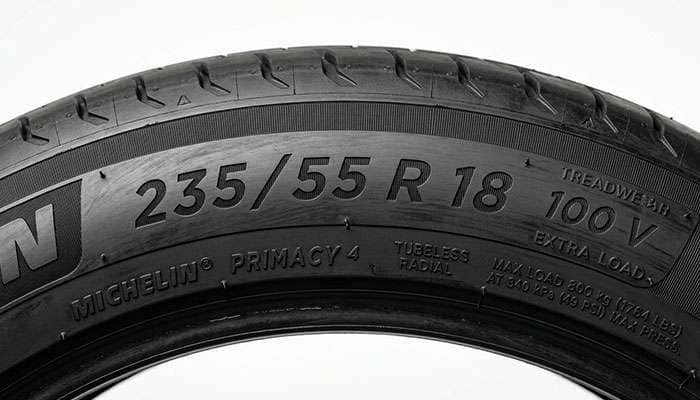
235 is the section width in millimeters, sidewall to sidewall. Divided by 25.4, that is 9.25 inches. 55 is the aspect ratio: the sidewall height is 55 percent of the section width. R denotes radial construction. 18 is the wheel diameter in inches, and it must match your wheel exactly. You will usually see a service description after the size, such as 235/55R18 100V, where 100 is the load index and V is the speed rating.
No, not really. A 55-series tire is a mid-profile, or standard-profile, tire. True low-profile tires are generally 50-series and below, with the sportiest cars running 45, 40, or even 35. The 55 aspect ratio is deliberately taller, striking a balance between the crisp handling of a low profile and the comfort and durability of a taller sidewall. That is exactly why it is so common on crossovers, which prioritize ride quality. If you want to go deeper on that middle number, we broke down the tire aspect ratio separately.
This is a crossover and SUV staple. If your vehicle rides on 18-inch wheels and leans toward comfort, there is a strong chance it uses this size. Common fitments include:
Because it is such a high-volume size, every brand from value to premium builds a strong lineup here. Always confirm your exact size against the placard in the driver door jamb before ordering, since trim and package changes can shift the factory fitment.
The industry standard for a safe size change is to stay within 3 percent of the original overall diameter. Inside that window your speedometer, odometer, ABS, and traction control stay accurate. Here is how the 235/55R18 compares to the sizes drivers ask about most.
Size |
Overall Diameter |
Difference vs 235/55R18 |
Verdict |
|---|---|---|---|
235/55R18 |
28.2 in |
Baseline |
Your size |
225/55R18 |
27.7 in |
About -1.6% |
Safe swap, slightly narrower |
245/55R18 |
28.6 in |
About +1.5% |
Safe swap, slightly wider |
235/50R18 |
27.3 in |
About -3.3% |
Just outside the safe window |
235/60R18 |
29.1 in |
About +3.3% |
Just outside the safe window |
The key difference is width. Both share the 55 aspect ratio and 18-inch wheel, but the 225/55R18 is 10 millimeters narrower. That makes it about 1.6 percent smaller in overall diameter, which is well inside the safe window, so a 225/55R18 is a legitimate swap. Expect a slightly smaller contact patch, a hair less grip, and a negligible change in speedometer reading. It is a common downsize when a narrower, often cheaper tire is fine for the driving you do.
This one is borderline. A 235/50R18 is about 27.3 inches tall, roughly 3.3 percent smaller than your 235/55R18, which just edges past the 3 percent guideline. The shorter sidewall firms up the ride and gives sharper steering, but your speedometer will read about 3 to 4 percent fast and you should confirm there is no clearance issue. I would not call it a clean swap. If you want that lower-profile look, verify the fitment on your specific vehicle first.
Also borderline, in the other direction. A 235/60R18 stands about 29.1 inches tall, roughly 3.3 percent larger than your size, again just past the guideline. It raises the vehicle slightly and makes the speedometer read a touch slow, and you must check for rubbing at full lock and over bumps. If you are considering it, our roundup of the best 235/60R18 tires covers that size in detail. When in doubt, our guide to plus-sizing tires walks through the math.
Because this size spans value crossovers to premium SUVs, pricing covers a wide band. Value and mainstream all-season tires generally run from about 120 to 180 dollars each. Premium touring and all-weather tires land in the 190 to 260 dollar range. What you pay tracks the tire type and brand, not the size itself. Here are five solid options from our inventory.
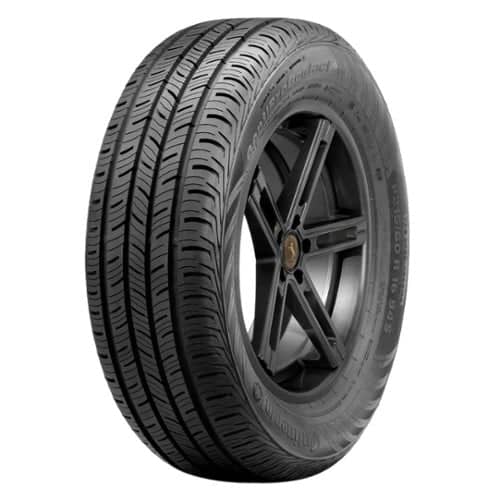
Continental ContiProContact (around 177 dollars). A refined all-season touring tire and a common original-equipment fit. Quiet, balanced, and dependable for the daily commute.
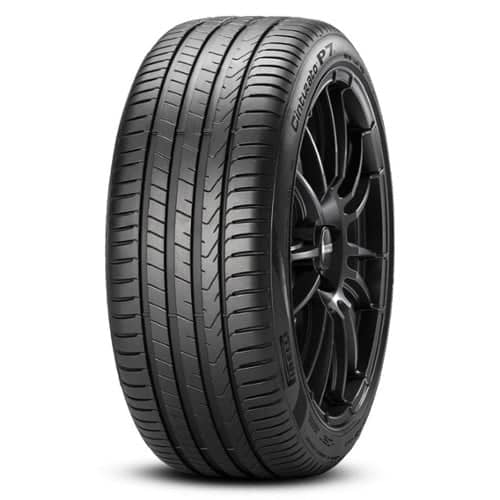
Pirelli Cinturato P7C2 (around 179 dollars). A premium grand-touring tire with low rolling resistance, quiet manners, and confident wet grip. Strong value at this price.
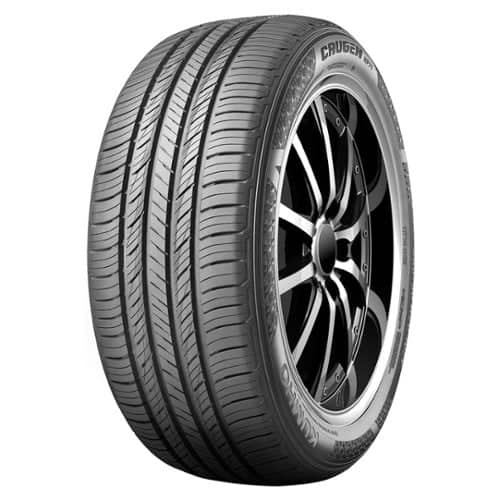
Kumho Crugen HP71 (around 196 dollars). A crossover and SUV all-season built for comfort and long wear. A smart, well-rounded pick for a RAV4 or CX-5.
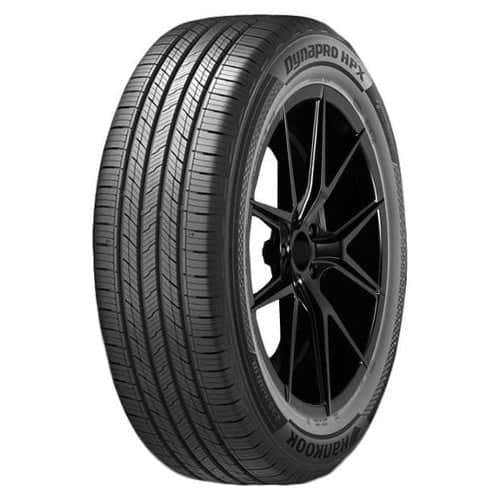
Hankook Dynapro HPX RA43 (around 218 dollars). A highway all-season tuned specifically for crossovers and SUVs. Quiet, stable, and built to carry the extra weight.
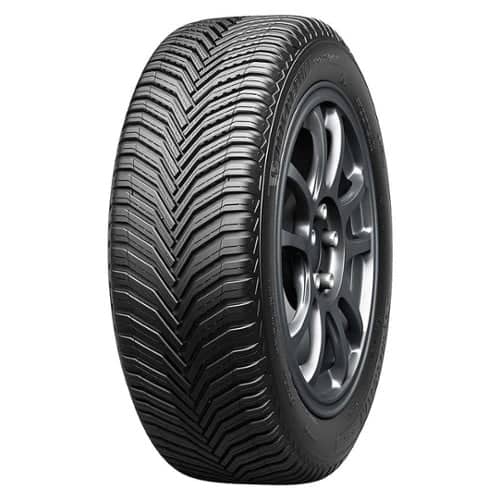
Michelin CrossClimate2 (around 252 dollars). The premium do-it-all choice. A true all-weather tire with the 3-peak mountain snowflake rating, so it handles light winter without a dedicated snow set.
Ready to compare the full lineup and check pricing for your vehicle? Shop every 235/55R18 tire we carry here.
The 235/55R18 earns its high-volume status by balancing ride comfort, handling, and a huge range of tire choices at every price point. You now have the exact measurements, the vehicles it fits, a clear answer on the profile question, and the precise tolerances that govern any size change. Confirm your fitment on the door placard, stay inside the 3 percent window when you swap, and match at least your factory speed rating. If you want a second set of eyes on your specific vehicle, our fitment team is here to help.
A 235/55R18 is about 28.2 inches tall (28.18 in), 9.3 inches wide (235 mm), with a 5.1-inch sidewall, mounted on an 18-inch wheel. Its circumference is 88.5 inches and it turns 716 times per mile.
It is a common crossover and SUV size, found on vehicles like the Toyota RAV4, Mazda CX-5, Nissan Rogue and Murano, Ford Edge, Subaru Outback, Hyundai Santa Fe, and Kia Sorento. Confirm your exact size on the door-jamb placard.
Value and mainstream all-season tires run about 120 to 180 dollars each, while premium touring and all-weather tires land in the 190 to 260 dollar range, depending on brand and tire type.
No. A 55-series tire is a mid-profile or standard-profile tire. Low-profile tires are generally 50-series and below. The taller 55 sidewall favors ride comfort, which is why it is common on crossovers and SUVs.
The main difference is width. The 225/55R18 is 10 millimeters narrower and about 1.6 percent smaller in diameter, which is a safe swap. Expect a slightly smaller contact patch and a negligible speedometer change.
It is borderline. A 235/50R18 is about 3.3 percent smaller in diameter, which just exceeds the safe 3 percent window. It gives sharper handling but reads about 3 to 4 percent fast on the speedometer. Confirm clearance before switching.
Also borderline. A 235/60R18 is about 3.3 percent larger in diameter, just past the safe window. It raises the vehicle slightly and reads a touch slow on the speedometer. Check for rubbing at full lock before switching.
The 235/55R19 is a separate, larger-wheel size, not an 18-inch fitment. It appears on some crossovers and SUVs with 19-inch wheels, such as certain higher-trim and hybrid models. It is not interchangeable with a 235/55R18.



