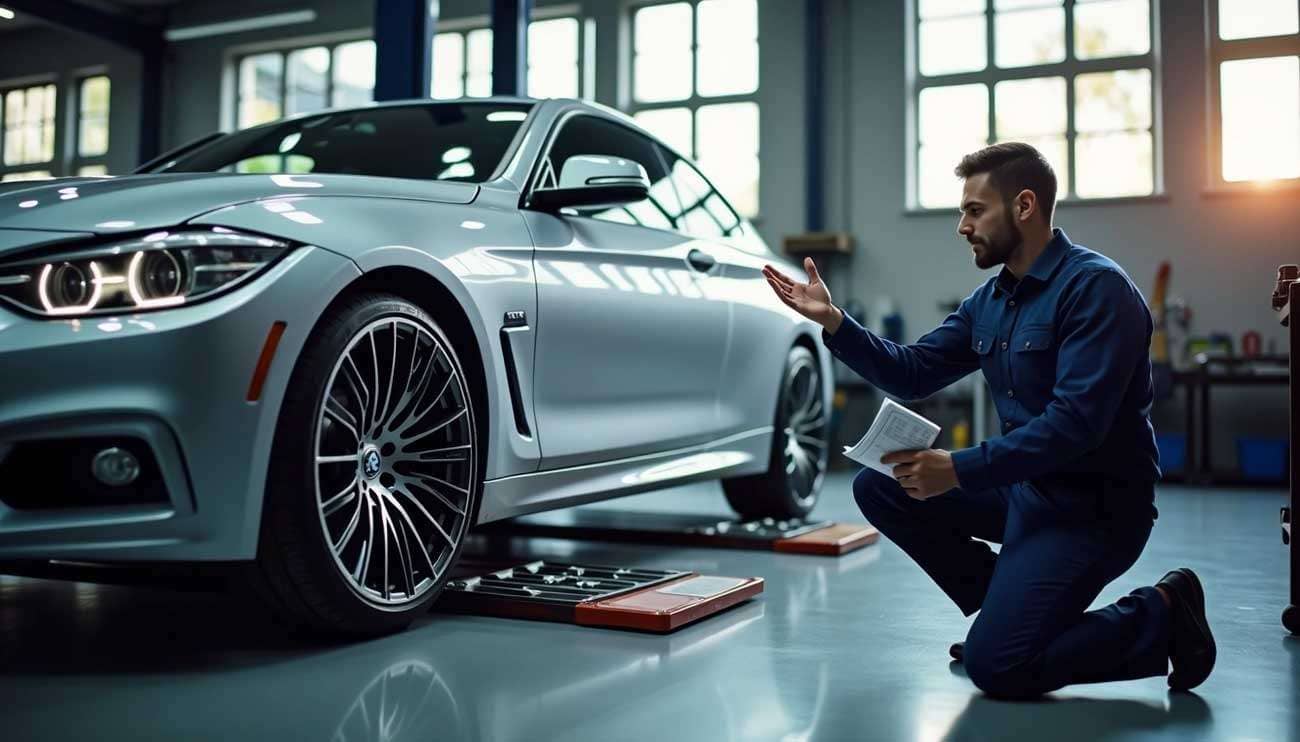
Do aftermarket wheels void warranty? The short answer is no – despite what many dealerships want you to believe. This common concern stops countless vehicle owners from upgrading to custom rims or wheels, but the reality is much different than what service advisors often suggest.
Installing aftermarket wheels does not void your entire vehicle warranty. Federal regulations protect consumers from this kind of warranty manipulation, giving vehicle owners important legal safeguards. Your warranty coverage stays in place unless the manufacturer can demonstrate that your aftermarket wheels directly caused a specific failure. Simply upgrading your wheels cannot result in complete warranty denial.
The key distinction here involves partial versus complete voiding. While manufacturers might refuse coverage for issues directly related to your wheel modification, this limitation doesn't extend to the rest of your vehicle's warranty coverage. Understanding this difference can save you from unnecessary worry and help you make informed decisions about customizing your ride.
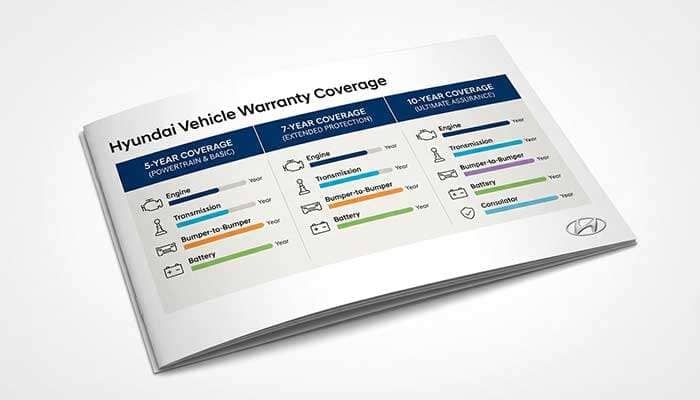
Car warranties represent a manufacturer's commitment to fix specific defects that occur within a defined timeframe after purchase. Getting familiar with warranty coverage becomes crucial when planning modifications like custom wheels for your vehicle.
Understanding the difference between these two warranty types helps you make smarter decisions about wheel upgrades.
Basic warranties cover nearly everything between your front and rear bumpers. Your electrical systems, air conditioning, infotainment, and most factory-installed components fall under this protection. Most manufacturers offer basic coverage for 3 to 5 years or 36,000 miles, whichever comes first.
Powertrain warranties focus specifically on the components that move your vehicle forward. This coverage includes:
Engine and internal components
Transmission systems
Driveshafts and axles
Transfer case (for 4WD/AWD vehicles)
Powertrain coverage typically extends much longer than basic warranties—usually 5 to 10 years or 60,000 to 100,000 miles depending on the brand. Hyundai leads the pack with powertrain coverage extending up to 10 years or 100,000 miles.
Even comprehensive "bumper-to-bumper" warranties have notable exclusions that every vehicle owner should understand:
Regular maintenance items like oil changes, tire rotations, and filter replacements
Wear items including brake pads, tires, and wiper blades
Accident damage, weather-related issues, or theft (your insurance handles these)
Cosmetic elements like upholstery, trim, and paint scratches
Misuse damage from racing, extreme off-roading, or exceeding towing capacity
Vehicle modifications can affect warranty coverage for related systems. The good news? Custom wheels don't automatically eliminate your entire warranty protection. Manufacturers must honor warranties for unrelated components even when you've modified your vehicle, unless they can demonstrate your modification directly caused the specific failure.
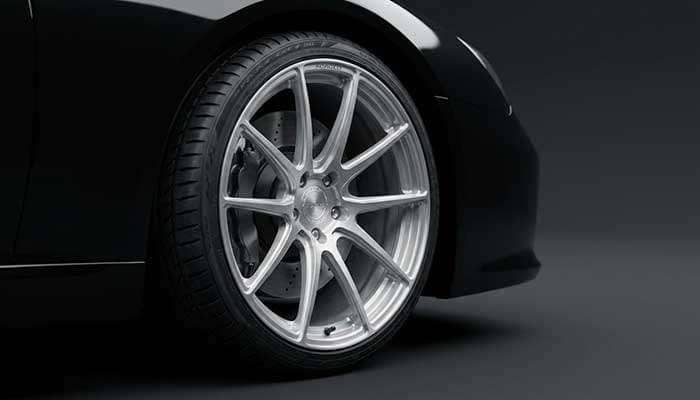
Car dealers often tell customers that installing aftermarket wheels automatically cancels their warranty coverage. We're here to set the record straight on what the law actually says about this popular vehicle upgrade.
Service advisors frequently claim that warranty protection disappears the moment you install custom wheels. This simply isn't accurate. While manufacturers may discourage aftermarket modifications by suggesting complete warranty loss, this approach violates federal consumer protection laws. No manufacturer can legally require you to use only their branded parts under threat of warranty cancellation.
The Magnuson-Moss Warranty Act, enacted in 1975 under President Gerald Ford, provides essential protections for consumers using aftermarket parts. This federal legislation specifically:
Prevents manufacturers from mandating branded parts for warranty maintenance
Prohibits companies from voiding warranties solely due to aftermarket part usage
Requires manufacturers to prove that non-OEM parts caused specific failures
This law ensures that aftermarket wheels cannot automatically void your entire warranty. Manufacturers must maintain coverage for unrelated components.
Installing new rims does not void your complete warranty. However, manufacturers can deny coverage for specific issues when aftermarket modifications contribute to problems. For example, oversized rims that affect speedometer accuracy might result in denied reprogramming coverage. Similarly, if your wheel choice leads to accelerated brake wear, related warranty claims could be rejected.
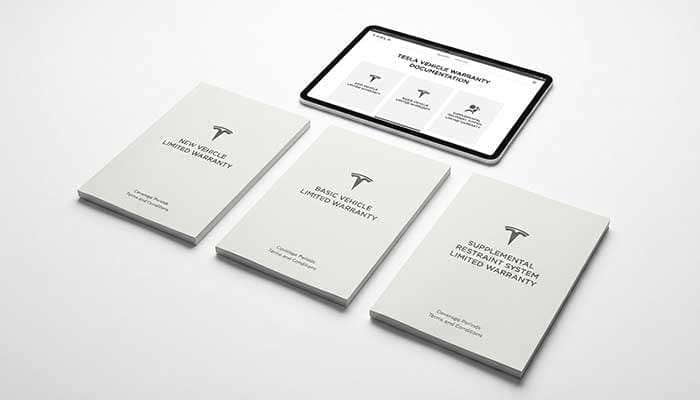
Tesla owners have the same protections as other vehicle owners—aftermarket wheels cannot void your Tesla warranty. Tesla must comply with the Magnuson-Moss Warranty Act just like every other manufacturer. Tesla bears the responsibility to demonstrate that aftermarket wheels directly caused any component failure before denying coverage. Even with powertrain concerns, Tesla must prove your wheel selection specifically created the problem.
Aftermarket wheels won't automatically void your warranty, but manufacturers can legally deny coverage under specific circumstances. Knowing these exceptions protects your investment and helps you avoid costly mistakes.
Manufacturers can deny warranty claims when they prove your aftermarket wheels directly caused the problem. The burden of proof stays with them, not you. However, if you install a turbo kit that damages your engine, expect related warranty coverage to be denied. The same principle applies to wheels that contribute to specific component failures.
Vehicles with salvage titles lose their warranty protection completely. Once declared a total loss or receiving a salvage title, manufacturers void the entire warranty. Lexus clearly states that vehicles with salvage, scrapped, or dismantled titles lose New Vehicle Limited Warranty coverage. This represents one of the few situations where complete warranty voiding occurs.
Altering, disconnecting, or replacing your vehicle's odometer immediately voids your warranty. This practice constitutes fraud and carries legal consequences beyond warranty issues. The National Highway Traffic Safety Administration estimates more than 450,000 vehicles are sold annually with false odometer readings, costing Americans over $1 billion each year.
Damage from fires, floods, earthquakes, or other natural disasters falls outside warranty coverage. Your insurance company handles these situations, not your vehicle warranty. Severe environmental damage can result in complete warranty voiding.
Racing, competitive driving events, or overloading your vehicle can void warranty coverage. Most warranties specifically exclude track use, even for high-performance vehicles that seem designed for it. Some manufacturers allow limited track driving for vehicles with track packages, but competitive events remain excluded.
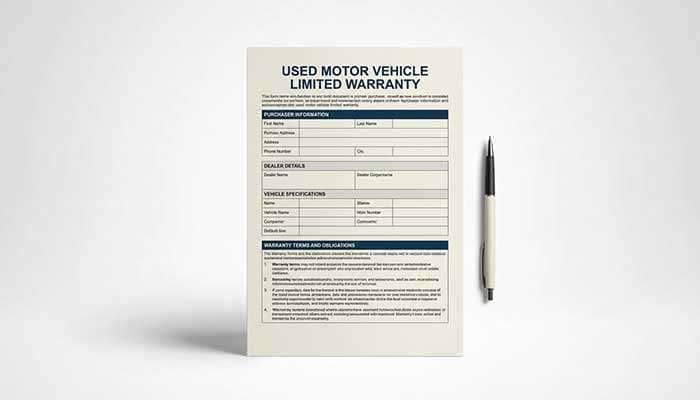
Smart planning before installing aftermarket wheels gives you the best protection for your warranty rights. These proven strategies help you maintain full coverage while enjoying your custom wheel upgrade.
Documentation provides your strongest defense against warranty disputes. California's Consumer Warranty Protection requires thorough documentation to support warranty claims. We recommend saving these critical items:
Itemized receipts showing part numbers and costs
Before and after installation photos (with timestamps)
Technical specifications of the wheels
Warranty information for the aftermarket parts themselves
Professional installation creates the most solid warranty position. Qualified technicians ensure wheels are properly mounted, balanced, and torqued according to specifications. Dealerships find it much harder to deny claims when reputable shops perform installations with proper documentation.
Knowledge of the Magnuson-Moss Act isn't enough – you need to actively use these protections. Federal law requires manufacturers to demonstrate that your aftermarket wheels specifically caused the failure in question. The Federal Trade Commission supports consumers' rights to install aftermarket parts without automatic warranty voiding.
Building good relationships with your service department pays off when issues arise. Consider paying for occasional inspections to maintain connections with service advisors. When disputes happen, request written explanations of denied coverage—consumer advocates are working to make this mandatory. If needed, contact state consumer affairs offices or the manufacturer directly with formal complaints.
Custom wheels are among the most popular vehicle upgrades, but dealer misinformation keeps many owners from making the modifications they want. The reality is simple: aftermarket wheels do not automatically void your entire vehicle warranty. Federal law protects your rights as a consumer.
Car manufacturers would prefer you stick with their original equipment, but they cannot legally force this choice through warranty threats. You have every right to upgrade your wheels while maintaining warranty protection for unrelated components. The key lies in understanding that manufacturers must prove your modification caused any specific failure before denying coverage.
Documentation, professional installation, and knowing your legal rights create the strongest protection against unwarranted claim denials. These steps ensure you can confidently customize your vehicle without sacrificing essential warranty coverage.
The burden of proof stays with the manufacturer, not you. This fundamental protection should give you confidence when selecting those custom rims you've been considering. Your warranty remains your shield against manufacturing defects, regardless of which wheels you choose.
Ready to upgrade your ride? You can make your vehicle truly yours without the worry of voiding your entire warranty. Understanding your rights makes all the difference between hesitation and action.
Understanding your warranty rights when installing aftermarket wheels can save you thousands in potential repair costs and protect you from dealer misinformation.
• Aftermarket wheels don't void your entire warranty - Federal law protects consumers from complete warranty cancelation due to modifications • Manufacturers must prove causation - Under the Magnuson-Moss Warranty Act, companies must demonstrate your wheels directly caused any failure • Document everything thoroughly - Keep receipts, photos, and installation records to protect your warranty rights during disputes • Use certified installers - Professional installation strengthens your warranty position and reduces claim denial risks • Know your legal protections - The burden of proof lies with manufacturers, not vehicle owners, when warranty claims arise
The bottom line: You can customize your vehicle with confidence while maintaining warranty protection for unrelated components. Don't let dealer intimidation tactics prevent you from personalizing your ride.
No, installing aftermarket wheels does not automatically void your entire car warranty. Under the Magnuson-Moss Warranty Act, manufacturers must prove that aftermarket parts directly caused a specific failure to deny warranty coverage for that issue. Your warranty remains intact for unrelated components.
Changing to significantly different sized wheels may affect warranty coverage for related components if it causes issues. For example, if larger wheels lead to speedometer inaccuracies or premature brake wear, related warranty claims could potentially be denied. However, the entire warranty is not voided.
To protect your warranty when installing aftermarket wheels, keep detailed documentation of the modification, use certified installers, understand your rights under consumer protection laws, and maintain open communication with your dealer. This creates a strong position if any warranty disputes arise.
Yes, there are situations where a car warranty can be completely voided, such as if the vehicle receives a salvage title, the odometer is tampered with, or if there's severe environmental or accidental damage. However, simply installing aftermarket wheels does not fall into this category.
No, luxury brands like Tesla must follow the same federal warranty laws as other manufacturers. Installing aftermarket wheels on a Tesla does not automatically void the warranty. Tesla would need to prove that the aftermarket wheels directly caused a specific failure to deny a related warranty claim.