
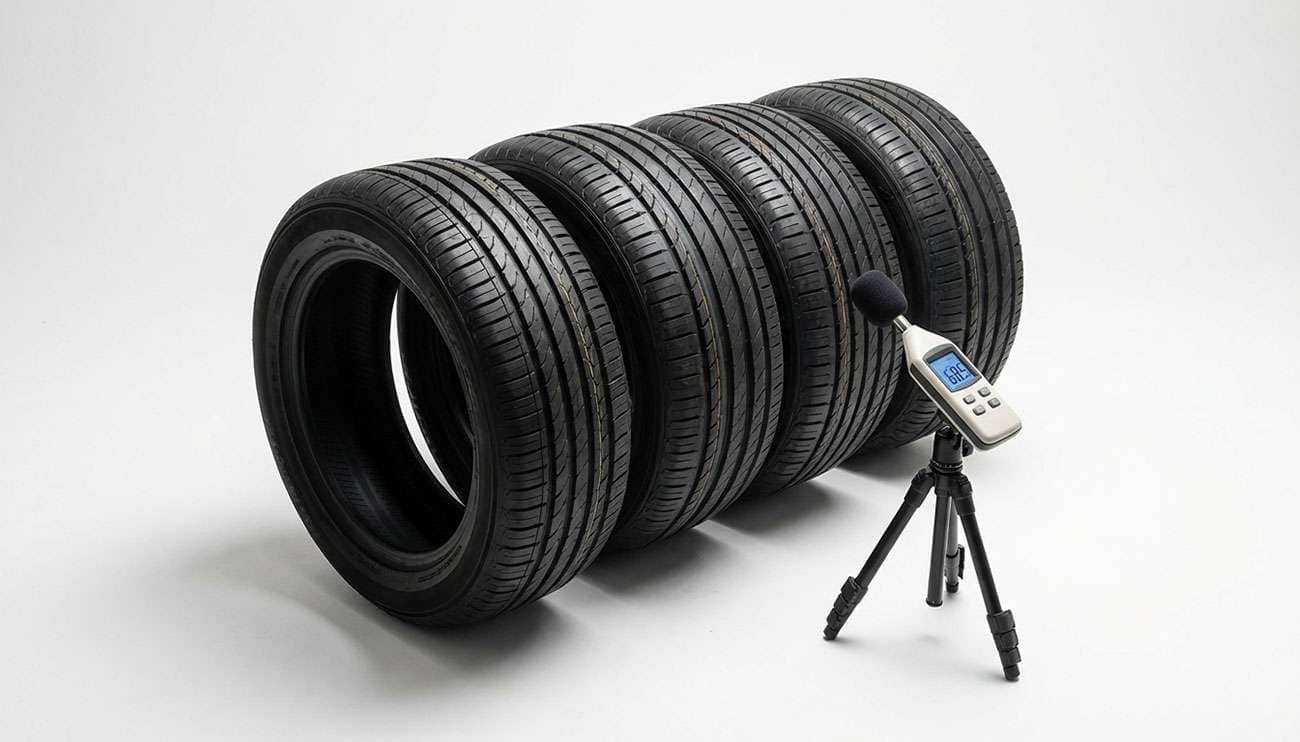
Tire road noise can make or break your daily driving experience. The right tire choice creates up to a 10 dB(A) difference in cabin noise—enough to turn a peaceful commute into a conversation-friendly ride without any measuring equipment needed. That's the difference between enjoying quiet conversation and having to raise your voice just to be heard.
Tire noise transforms your driving experience more than most people realize. Excessive road noise turns what should be a relaxing drive into a stressful journey. Most tire noise becomes noticeable between 30 km/h and 100 km/h, where pattern and cavity noise can dominate your entire driving experience. Quality quiet tires reduce cabin noise levels by up to 10 decibels, making conversations effortless and long drives genuinely enjoyable.
Understanding tire road noise comes down to smart engineering. Modern quiet tires feature optimized tread patterns, softer rubber compounds, and innovative designs that minimize air turbulence and vibrations. Advanced technologies like computer-designed tread patterns, longitudinal channels, and sound-absorbing foam work together to create the quieter ride you want.
We'll examine which tires create the most noise and explain exactly why, giving you the essential information needed to make the right choice for your vehicle and driving preferences.
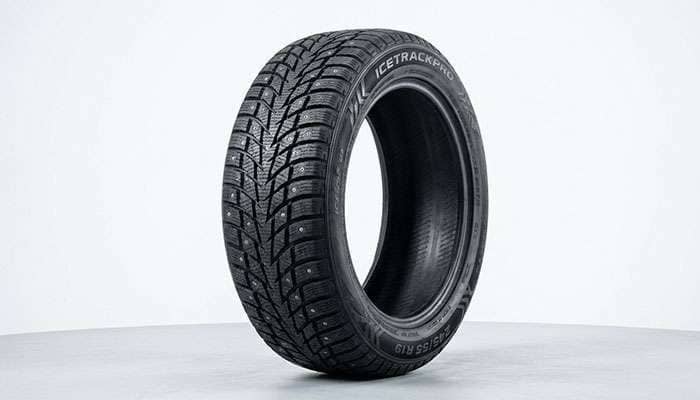
Studded winter tires produce that distinctive clicking sound every winter driver recognizes. These specialized tires contain small metal studs embedded into the tread that create a unique acoustic signature completely different from standard tires. When those metal studs contact bare pavement, they generate a continuous roar or clicking that transforms your entire cabin experience.
Studded winter tires generate measurably higher noise levels than standard winter tires. Research shows that studded tires increase traffic noise levels anywhere from 2 to 10 decibels compared to studless winter tires. The decibel scale works logarithmically, so even small increases represent substantial sound intensity differences—a 10-decibel increase corresponds to a 10-fold increase in sound energy and feels like doubled loudness to your ears.
This noise difference becomes especially noticeable at highway speeds. The characteristic clatter of studded tires on bare pavement qualifies as significant noise pollution with documented effects on human health and quality of life. The World Health Organization identifies traffic noise as a major environmental health burden, ranking second only to air pollution.
Tread design directly influences noise production in studded winter tires. Each passenger tire typically contains approximately 80 to 120 metal studs strategically positioned throughout the tread pattern. These studs protrude about 0.03 to 0.06 inches beyond the tread surface, creating hundreds of tiny contact points that generate noise with every revolution.
Modern manufacturers work to optimize stud placement for reduced noise while maintaining performance. The fundamental design creates an inevitable tradeoff—the very feature that provides exceptional ice grip simultaneously generates the characteristic road noise many drivers find bothersome.
Material composition contributes significantly to both performance characteristics and noise profile. Studs typically consist of two components: a pin made from extremely hard metal (usually tungsten carbide) and a softer metal jacket that anchors the stud to the tire. Studs for passenger vehicles measure about 0.4 inches overall length, while light trucks use slightly longer studs at approximately 0.63 inches.
Tungsten carbide, the primary material in stud pins, is geochemically scarce and considered a critical raw material. Beyond noise concerns, this raises environmental considerations—nearly 100% of tungsten in Swedish tire studs gets dissipated, with 67% released during use as particles worn off on roadways.
Studded winter tires consistently rank as the loudest winter tire option. Subjective noise evaluations from comparative tests show studded tires generally produce the most intrusive cabin noise, with some models creating sounds similar to "a bad wheel bearing".
Noise profiles vary between brands. Triangle and Michelin studded tires rated as the quietest and most pleasant-sounding in one comparative test, whereas Nexen produced notably more intrusive cabin noise. Brand-new studded tires typically produce the most pronounced noise, with some drivers reporting they "will drive you nuts if you don't have music on".
The noise characteristics of studded winter tires present a clear tradeoff against their performance benefits. When driving on ice or snow, the exceptional grip provided by metal studs often outweighs noise considerations. As one driver noted about Cooper studded tires: "My wife had some Cooper studded tires on her car the last 2 winters and it would go anywhere".
On dry or wet pavement—which represents most winter driving even in snowy regions—the noise becomes more pronounced without corresponding performance benefits. Studded tires can actually decrease traction potential on dry or wet roads. This happens because studs interrupt the crucial interaction between tire tread and road surface, potentially increasing stopping distances.
The noise impact becomes particularly noticeable in vehicles with less sound insulation. Honda Fit owners reported: "When I first drove my car after putting in on the studs in October I seriously thought something was wrong. Honda did very little to dampen road and tire noise in this car". The issue becomes more pronounced in electric vehicles, which lack the masking effect of engine noise.
Over time, many drivers report becoming somewhat accustomed to the sound. As one user described: "This winter I don't really notice them, or I'm not paying attention to them". Manufacturers continue working to address the noise issue, with modern studded tire innovations focusing specifically on reducing road noise while maintaining ice performance.
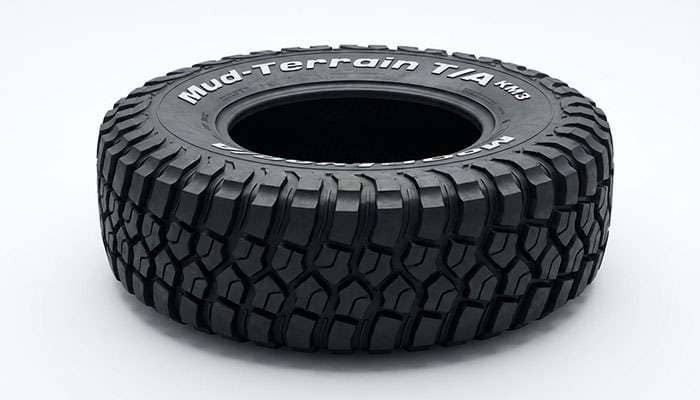
Mud terrain tires growl, rumble, and roar. These aggressive performers create one of the loudest on-road experiences among all tire types. Built for off-road adventures through mud, rocks, and sand, they sacrifice quiet comfort for superior traction in challenging conditions. Their distinctive sound profile comes from design elements that prioritize off-road capability over highway comfort.
The noise difference between mud terrain tires and standard options is substantial and measurable. Controlled testing with a decibel meter on smooth roads at 50 mph shows all-terrain tires registering 71dB, while mud-terrain tires measure approximately 74dB. This 3dB increase might seem minor, but the logarithmic nature of decibel measurement means you'll notice a significant difference in perceived loudness.
Highway speeds make the noise levels climb even higher. Tests with Nitto Mud Grapplers showed readings of 68dB at 45 mph, climbing to 70dB at 70 mph. Some drivers compare the sound to "an airplane trying to take off from underneath you". Another report describes mud tire noise as exceeding "OSHA threshold for requiring hearing protection by 40mph".
Mud terrain tire noise doesn't just increase with speed—it transforms in character. The deep, rhythmic humming becomes pronounced even at modest speeds, with the characteristic rumble clearly audible at just 25 mph.
The aggressive tread pattern stands as the primary culprit behind mud terrain tires' notable noise. These tires feature large, deep, and widely-spaced tread blocks designed specifically to dig into soft surfaces like mud and dirt. Wide gaps between tread blocks prevent clogging by ejecting mud and debris, ensuring continuous off-road traction.
These same design elements that excel off-road create problems on pavement. As tires rotate on hard surfaces, air gets compressed and released through the wide channels between tread blocks, generating the distinctive roaring sound. Each tread block creates a small percussion as it contacts the road surface, multiplied across the entire tire's footprint.
Highway tires feature narrower channels that direct air away from the center. Mud terrain tires use open, block-style patterns that maximize off-road grip at the expense of noise control. The more aggressive and larger the tread blocks, the more pronounced this effect becomes.
Material composition contributes significantly to both performance and noise characteristics. Mud terrain tires typically utilize softer rubber compounds that react better to uneven surfaces. This softer composition enhances off-road grip but creates tradeoffs—faster wear rates and potentially increased noise generation as rubber flexes and rebounds against pavement.
Tire construction involves complex engineering with multiple components. Modern passenger car tires contain up to 25 components and as many as 12 different rubber compounds. Mud terrain tires specifically focus on durability factors like reinforced sidewalls that withstand punctures from sharp rocks and other hazards encountered during off-roading.
Some premium manufacturers incorporate noise-reduction technologies into their designs. Continental developed ContiSilent technology featuring polyurethane foam absorbers attached to the inner surface of the tread area, which can reduce interior vehicle noise by up to 9 dB(A). Such noise-reduction features remain less common in the mud terrain category, where off-road performance typically takes precedence over comfort considerations.
Mud terrain tires consistently rank among the loudest tire types available on standardized noise rating scales. User ratings on various forums place mud terrain tires at the highest end of noise production. On a 10-point noise scale where all-terrain tires rate as a 1, mud terrain tires often score between 7-10, depending on the specific model and tread aggressiveness.
Brand differences exist even within this category. Real-world testing shows some brands manage the noise-performance balance better than others. Certain models like the Badak X-treme reportedly produce "a lot less noise than rival tires" despite their aggressive appearance. Other brands in testing "generated more noticeable road noise than the others".
The noise profile changes throughout the tire's lifecycle. Many owners report that mud terrain tires can suddenly increase in noise after a certain point in their lifespan. This occurs as wear patterns develop and the initial smooth edges of tread blocks become more irregular through use.
The real-world impact of mud terrain tire noise varies considerably based on vehicle type, driving habits, and personal tolerance. Many drivers report needing to raise their car stereo volume to compensate for the additional noise. Others find the noise becomes less noticeable over time as they acclimate—"When you leave the house, your wife's gonna know you left".
Noise level impacts conversation within the vehicle cabin. At highway speeds, passengers can still hold conversations without shouting, but the constant drone requires raising voices compared to standard tires. Vehicles with poor sound insulation experience this effect even more.
Mud terrain tires bring other on-road compromises beyond noise. These include reduced fuel economy from higher rolling resistance, shorter tread life (typically 20,000-40,000 miles versus 40,000-70,000 for highway tires), less precise steering feel, and diminished wet-weather performance on pavement. One Reddit user reported maintaining 19-20 mpg with aggressive tires while "driving like a grandma".
The ultimate question becomes whether off-road capability justifies these tradeoffs. For dedicated off-roaders who regularly tackle challenging terrain, the answer is often yes. As one reviewer noted about mud terrain tires: "They claw through mud like no other, and held up great over rocky trails on my last camping trip". For those primarily driving on paved roads, the noise and performance compromises may outweigh the occasional off-road benefit.
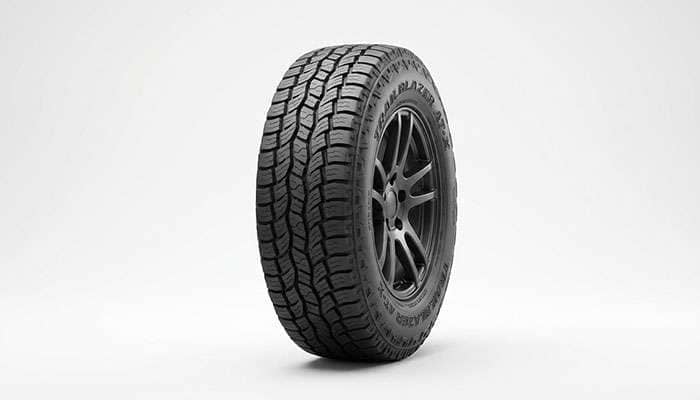
All-terrain tires sit right in the sweet spot of the tire noise spectrum—offering reasonable quiet performance without sacrificing off-road capability. These versatile performers have become the go-to choice for SUV and truck owners who want the best of both worlds. You get off-road confidence without the constant highway drone that comes with more aggressive options.
All-terrain tires deliver moderate road noise that most drivers find acceptable for daily use. Objective measurements show all-terrain tires registering approximately 71dB at 50 mph on smooth roads, notably quieter than mud-terrain alternatives at 74dB. This 3dB difference represents a substantial reduction in perceived loudness due to how decibel measurement works.
The sound character differs significantly from aggressive tire types. All-terrain tires produce a consistent hum rather than the growling associated with mud terrain models. This difference becomes most apparent at highway speeds between 45-70 mph, where the noise character stays relatively stable instead of climbing dramatically with speed.
Manufacturers have made impressive improvements in noise reduction. Modern all-terrain tires often incorporate computer-sequenced tread patterns that create a pleasant "white noise" effect rather than intrusive tones. The result is a tire that won't dominate your driving experience with unwanted sound.
Tread design directly controls noise production in all-terrain tires. These tires feature moderately spaced tread blocks with open channels that allow controlled air compression and release, creating manageable sound levels as they roll. The design strikes a careful balance—unlike aggressive mud terrain patterns with widely spaced lugs, all-terrain designs use more closely positioned blocks that reduce air compression effects.
Smart engineering elements work together to minimize noise:
Multi-pitch tread designs with subtly varied block sizes that randomize road contact
Offset circumferential block placement that aligns lateral grooves with adjacent tread blocks
Fine and dense sipes that help expel water quickly while reducing noise
Zigzag tread patterns common in quality all-terrain tires serve dual purposes—enhancing traction while disrupting the airflow patterns that create harsh harmonics. Stabilized shoulders add high-speed cornering stability while reducing the tread block movement that contributes to noise.
Material composition plays a crucial role in balancing performance with acceptable noise levels. All-terrain tires use complex blends of natural and synthetic rubber compounds optimized for durability and grip across various surfaces. A modern all-terrain tire contains up to 25 different components and as many as 12 different rubber compounds.
The construction starts with natural rubber from specialized trees, combined with synthetic rubber created through laboratory processes. This foundation gets supplemented with:
Textile reinforcement (rayon, nylon, polyester, aramid fibers)
High-strength steel for belts and bead cores
Specialized compounds for tread cap, base, and shoulder areas
All-terrain tires utilize moderately soft rubber compounds that provide necessary grip without the excessive noise generation associated with extremely soft materials used in mud terrain tires. This balanced approach delivers the versatility most drivers need.
Consumer ratings position all-terrain tires squarely in the middle of the noise spectrum. Tire Rack's extensive consumer survey data shows popular all-terrain models receiving noise ratings from 7.6 to 8.6 on a 10-point scale (with higher scores indicating less noise).
The BFGoodrich All-Terrain T/A KO3 earns exceptional ratings with an 8.8 noise score, while the Goodyear Wrangler TrailRunner AT rates lower at 8.3. These variations demonstrate that significant differences exist between brands even within the same tire category.
"Pitch" design affects these ratings significantly—the careful variation of tread block sizes prevents monotonous tones. Tire engineers use sophisticated algorithms to sequence multi-pitch patterns that randomize road contact and resulting noise, creating more pleasant acoustic profiles that won't irritate you during long drives.
The practical driving experience with all-terrain tires depends on your specific model choice and driving conditions. Most drivers report that tire noise becomes noticeable primarily at highway speeds above 60 mph or on rough pavement.
Noise levels increase gradually as tires wear, particularly if uneven wear patterns develop. Regular rotation every 6,000-8,000 miles prevents the irregular wear that can amplify noise over time. This simple maintenance step keeps your tires performing quietly throughout their lifespan.
All-terrain tires generally add approximately 1.5 decibels more noise than standard highway tires at typical driving speeds—a noticeable but rarely overwhelming difference for most vehicles. This represents a reasonable compromise considering the versatility these tires provide across different terrains.
Looking for the quietest options within the all-terrain category? Models like the Michelin LTX A/T2, Continental TerrainContact A/T, and Yokohama Geolandar A/T G015 consistently rank among the best performers. Drivers prioritizing both off-road capability and reasonable noise levels often choose these "mild all-terrain" options that sacrifice minimal acoustic comfort for improved capability.
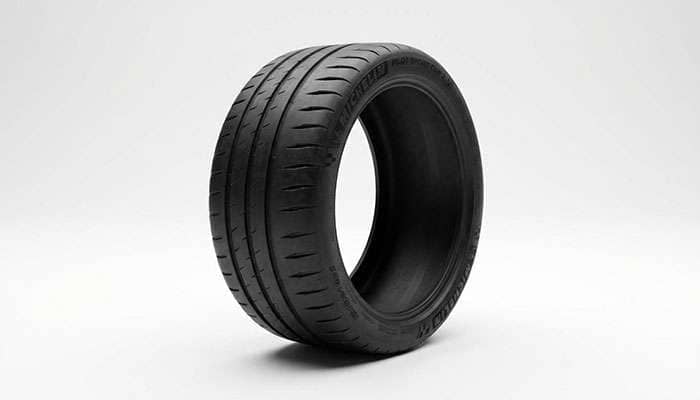
Performance tires create distinctive sound signatures that set them apart from other tire categories. These specialized tires focus on grip, handling, and high-speed stability, making specific noise compromises that directly affect your driving experience.
Performance tires generate moderate to high road noise levels, depending on their specific design priorities. Testing shows that many performance models produce "omnipresent" noise with "growling over crosscut concrete" and "resonant high frequency cyclical noise on smooth highway portions". This constant sound becomes particularly noticeable during sustained highway driving.
The noise character typically presents as a "cyclical pattern and light growl on smoother surfaces," with increased "buzz at highway speeds over crosscut concrete". You'll also notice distinctive "hollow ringing over tar strips" and a characteristic "sizzle" over textured pavement.
Tread design plays the biggest role in performance tire noise generation. Performance models feature larger tread blocks and fewer "pitches" (tread blocks around the circumference) specifically to "enhance steering response and handling". This design prioritizes maximum grip over noise reduction.
Performance tire designers face a fundamental challenge: if roads never had moisture, we could build perfectly smooth tires without tread patterns, which would produce significantly less noise. The need for wet traction requires tread patterns that inevitably create sound as they contact the road.
Several tread elements contribute to noise:
Tread blocks successively hitting the road surface create "rhythmic percussion"
Short, repetitive patterns generate a characteristic "whine"
Micro-slippage of rubber elements produces audible "sizzling" sounds
Material composition directly influences both performance capabilities and noise characteristics. Performance tires use specialized rubber compounds optimized for grip rather than silence. These tires often feature "shallow tread depth" that "enhances the contact patch with the road".
Rubber compounds contain both natural and synthetic components. Natural rubber provides "specific performance characteristics" including "tear and fatigue crack resistance," combined with synthetic polymers like butadiene rubber and styrene butadiene rubber. Carbon black and silica serve as reinforcement fillers that improve traction and tensile strength.
Performance tires typically rate in the middle-to-high range for road noise generation. Ratings vary substantially between models, with premium offerings often including noise-reduction technologies.
Some manufacturers have developed specialized noise-reducing innovations. Continental's ContiSilent technology, featuring polyurethane foam absorbers attached to the inner tread surface, can reduce interior noise by up to 9 dB(A). Performance models with such technology offer substantially improved acoustic comfort compared to standard offerings.
Performance tires present clear tradeoffs in real-world driving. These tires deliver "superior traction, handling, and responsiveness compared to standard tires". They offer enhanced grip during high-speed maneuvers thanks to their specialized compounds and design.
However, performance tires commonly "compromise ride comfort" with their "stiffer" construction leading to a "harsher ride on uneven surfaces". This stiffness results in "some jumpiness over impacts" that can feel like "being tossed around".
Upgrading to premium performance tires typically yields noticeable improvements. One real-world test found that replacing original equipment tires with higher-performance Bridgestone models made the ride "smoother and quieter" while significantly improving handling. The specific tire model you choose can substantially impact both noise levels and overall driving satisfaction.
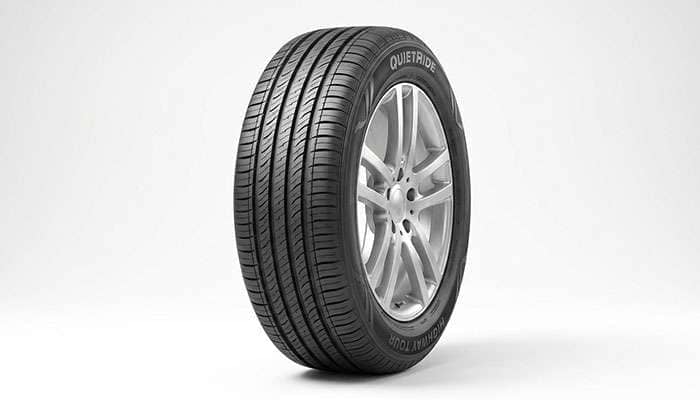
SUV highway tires deliver the quietest driving experience available in the tire market today. Purpose-built for everyday comfort and smooth commuting, these exceptional performers serve crossovers, SUVs, pickups, and vans with unmatched noise control for routine travel.
Highway tires for SUVs produce significantly less noise than any other tire category. Among all light truck and SUV tire options, highway touring models rank as the quietest choice available. Controlled testing shows these tires deliver "muted" sound over smooth roads while maintaining a "consistent blended tone" across different surfaces.
Premium highway models offer "noise control among some of the best in the test". Even within this quiet category, differences exist—some models still show "higher volume tread slap and a vague pitter-patter tone" during the smoothest driving conditions.
Smart tread design makes highway tires the clear winners for noise reduction. These tires feature smooth tread patterns specifically engineered to minimize road noise. Computer-designed patterns with varying pitch and size help eliminate harmonic resonance and high-frequency "tread slap" noise.
Advanced noise-reduction technologies set highway tires apart. Longitudinal channels and silo grooves allow air to escape smoothly instead of creating noise waves. Tread groove serrations break up sound waves before they reach your cabin, contributing to the exceptionally quiet ride.
The materials used in highway tires focus on comfort and noise reduction. These tires utilize slightly softer rubber compounds that excel at absorbing vibrations, though this comes with modestly reduced tread life. The complex construction involves up to 25 different components and as many as 12 different rubber compounds.
Construction combines natural rubber from specialized trees with synthetic rubber created in laboratories, plus various reinforcement materials. Manufacturers precisely balance these materials to create products that deliver both durability and superior noise control.
Highway tires consistently earn the highest ratings for quiet performance. Premium models like the Bridgestone Turanza QuietTrack feature built-in QuietTrack technology and receive excellent noise reduction ratings. The Michelin Defender LTX and Continental TrueContact Tour excel in TireRack highway tests, where they "stood out for quietness".
Top manufacturers incorporate specialized noise-reduction technologies. Bridgestone's QuietTrack technology, combined with ComfortCruise features, delivers substantial interior noise reduction.
Highway tires provide the most comfortable driving experience you can get. Models like the Michelin Defender LTX M/S2 consistently earn praise for "exceptionally quiet and smooth ride comfort". TikTok content creator Jojo Sim described the Michelin Defender LTX MS2 experience as "insanely smooth, quiet and comfortable".
The steering feels "particularly nice and solid on-center," delivering "appropriate feedback, heft, and precision". Beyond exceptional quietness, these tires provide "strong traction and reliable attempts at emergency lane change maneuvers". Some models do show "a bit more vertical undulation post-impact than we'd like".
Tire Type |
Noise Level (at ~50mph) |
Noise Characteristics |
Primary Design Features |
Key Material/Construction |
Performance Impact |
|---|---|---|---|---|---|
Studded Winter Tires |
2-10 dB higher than standard winter tires |
Distinctive clicking sound, continuous roar |
80-120 metal studs per tire, 0.03-0.06 inch protrusion |
Tungsten carbide pins with metal jacket, 0.4-0.63 inch studs |
Excellent ice grip, reduced dry/wet traction |
Mud Terrain Tires |
~74 dB |
Growl, rumble, roar; airplane-like noise |
Large, deep, widely-spaced tread blocks |
Soft rubber compounds, reinforced sidewalls |
Superior off-road capability, reduced fuel economy |
All-Terrain Tires |
~71 dB |
Consistent hum, "white noise" effect |
Moderately spaced tread blocks, multi-pitch design |
Complex blend of natural/synthetic rubber, 12 different compounds |
Balance between off-road capability and on-road comfort |
Performance Tires |
Moderate to high |
Cyclical pattern, growling, sizzle over texture |
Larger tread blocks, fewer pitches |
Specialized grip-optimized compounds, shallow tread depth |
Superior traction and handling, harsher ride |
SUV Highway Tires |
Lowest in category |
Muted sound, consistent blended tone |
Smooth tread patterns, longitudinal channels |
Slightly softer rubber compounds, complex 25-component construction |
Exceptional comfort, smooth ride, reduced tread life |
Road noise differences between tire types create real impacts on your driving comfort and satisfaction. Studded winter tires and mud terrain options generate the most noise—metal studs clicking against pavement versus aggressive tread blocks creating that characteristic roar. All-terrain tires deliver reasonable balance, offering moderate off-road capability without excessive highway noise. Performance tires fall in the middle range despite their grip focus, while SUV highway tires reign as the quietest champions.
These noise differences matter more than most drivers realize. A 10-decibel jump between the quietest and loudest options feels like doubled loudness—enough to turn peaceful driving into a strain. Some drivers adapt to louder tires over time, but constant drone makes conversation difficult and increases fatigue on long trips.
Your tire choice should match your driving priorities. Studded winter tires trade quietness for unmatched ice grip when safety demands it. Mud terrain tires sacrifice highway comfort for exceptional off-road capability when adventure calls. All-terrain options provide versatility without extreme compromises for those who want both worlds.
Weather conditions and driving habits guide the right decision. Winter drivers facing regular ice conditions often accept studded tire noise for the safety benefits they deliver. Off-road enthusiasts tackling challenging terrain find mud terrain noise worthwhile for the capability gained. Most everyday drivers seeking comfort naturally choose quieter highway options.
Smart tire selection balances noise against other crucial factors—traction, handling, tread life, and fuel economy all matter for your specific situation. The best choice matches these considerations to your driving environment and personal preferences rather than simply picking the quietest option available.
We understand choosing the right tires means weighing multiple factors that matter to your driving experience. The noise information we've covered helps you make informed decisions that deliver the performance you need with the comfort level you want.
Understanding tire noise levels helps you make informed decisions that balance performance needs with driving comfort preferences.
• Studded winter tires are the loudest option, producing 2-10 dB more noise than standard tires due to metal studs clicking against pavement • Mud terrain tires create aggressive roaring sounds at 74 dB, with their deep, widely-spaced tread blocks designed for off-road grip • All-terrain tires offer the best noise-performance balance at 71 dB, providing moderate off-road capability without excessive highway noise • SUV highway tires are the quietest choice, featuring smooth tread patterns and noise-reduction technologies for maximum comfort • A 10-decibel difference feels like doubled loudness, significantly impacting conversation ability and driver fatigue during long trips
The key is matching your tire choice to your driving priorities—winter safety, off-road adventures, versatility, or daily comfort—while understanding the noise tradeoffs each category brings to your driving experience.
SUV highway tires are generally the quietest option, featuring smooth tread patterns and noise-reduction technologies designed for maximum comfort during everyday driving.
Mud terrain tires are among the loudest, producing around 74 dB of noise at 50 mph. Their aggressive tread pattern with large, widely-spaced blocks creates a distinctive roar, especially at highway speeds.
Studded winter tires generate significant noise due to the metal studs (80-120 per tire) that protrude from the tread surface. These studs create a clicking sound against the pavement, resulting in 2-10 dB more noise than standard winter tires.
All-terrain tires offer a good compromise, producing about 71 dB of noise at 50 mph. They provide moderate off-road capability without excessive highway noise, making them versatile for various driving conditions.
Tire noise can significantly affect driving comfort, especially on long trips. A 10-decibel increase between the quietest and loudest options feels like a doubling in perceived loudness, potentially making conversations difficult and increasing driver fatigue.



