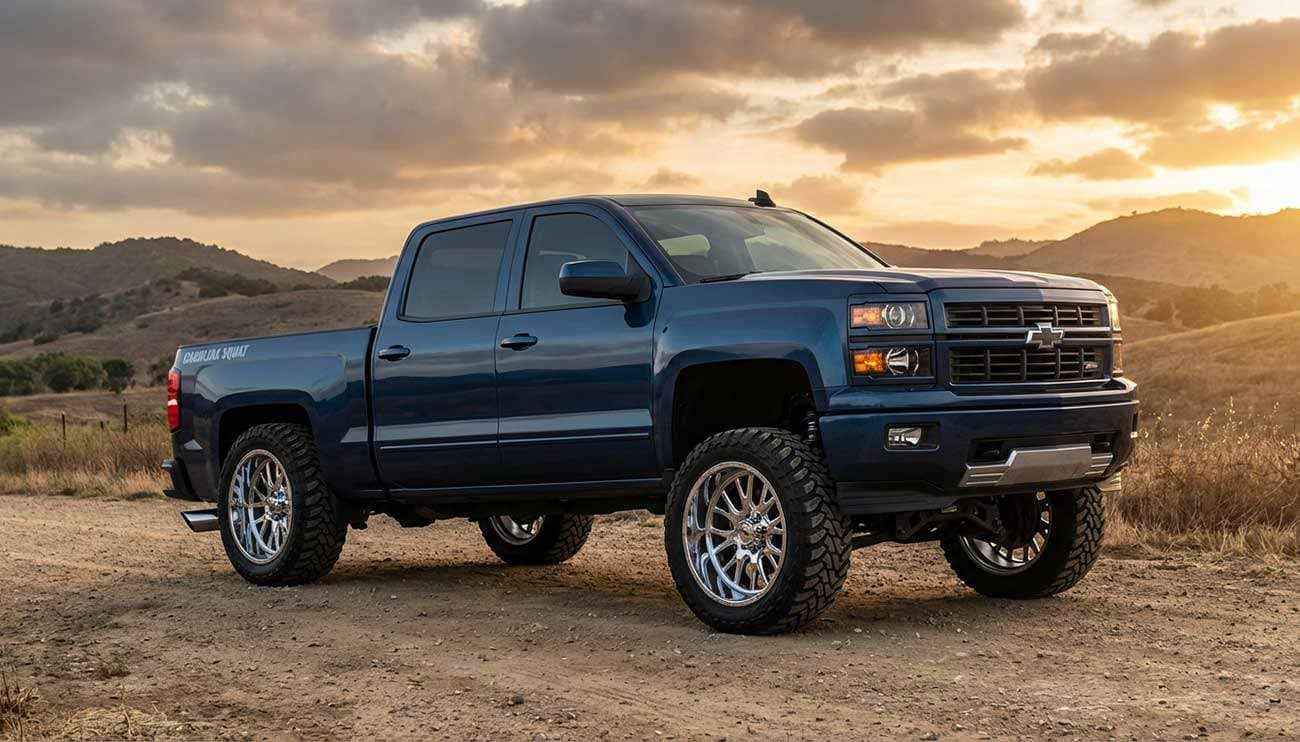
Squatted trucks are modified vehicles where the front end sits dramatically higher than the rear, creating an unmistakable angled stance that turns heads wherever they go. Also called "Carolina Squats," these eye-catching pickups feature front lift kits that raise the nose skyward while keeping the rear end low to the ground.
The modification started in the off-road desert racing scene during the early 2000s, where it served a practical purpose before becoming a style statement. Desert racers discovered that lifting the front end helped their vehicles absorb impacts when landing jumps at high speeds. What began as functional engineering quickly caught the attention of truck enthusiasts across Southern states like North and South Carolina.
Today, squatted trucks appear on full-sized pickups including the Chevrolet Silverado, Ford F-150, and Ram 1500. The trend has sparked intense debate nationwide, with safety concerns leading multiple states to take action. North Carolina made headlines when senators voted 33-1 in December 2021 to ban squatted trucks after a petition garnered over 72,000 signatures.
We'll walk you through everything about squatted trucks - from their desert racing roots and cultural impact to the safety issues that prompted legislative bans. Whether you're curious about the appeal or need to know the legal status in your area, you'll find all the essential information about this divisive automotive trend right here.
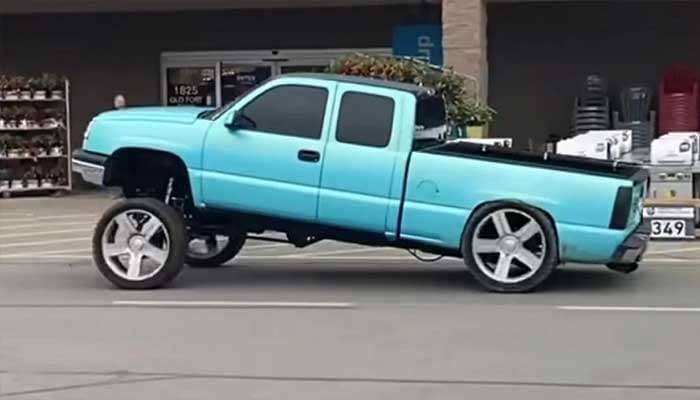
A squatted truck features a dramatic front lift kit—typically six to eight inches—combined with stock or lowered rear suspension, creating an unmistakable angled stance. The modification produces what's known as a "reverse rake" appearance, where the front end points skyward while the rear sits low to the ground. This extreme height difference makes these vehicles instantly recognizable from blocks away.
The defining characteristic of squatted trucks lies in their exaggerated front-to-rear height disparity. Some extreme builds feature front ends sitting up to ten inches higher than their rears. This creates a profile that looks like the truck is constantly launching forward, with the nose aimed at the clouds and the tail nearly scraping pavement.
Most squatted trucks go beyond just the stance modification. You'll find oversized wheels paired with low-profile tires, especially on Carolina Squat builds. Popular additions include roof racks, straight-pipe exhaust systems, and CB radio whip antennas mounted prominently in the bed. The combination creates a look designed to command attention on any road.
Squatted truck modifications go by several regional names, each reflecting local variations and cultural preferences:
Carolina Squat/Carolina Lean - The extreme front-high, rear-low stance most associated with North and South Carolina
Cali Lean/California Lean - West Coast version featuring a more moderate 2-3 inch rear drop
Baja Stance - Named after desert racing origins that inspired the look
CenCal - Central California trucks with region-specific styling
Tennessee Tilt - Regional variation popular in Tennessee
Truck Lean - Generic term covering all variations
Each name describes the same basic concept—lifted front, lowered rear—but regional execution and severity can vary significantly.
Full-sized pickups like the Chevrolet Silverado, Ford F-150, and RAM 1500 dominate the squatted truck scene, but the modification isn't limited to trucks. SUVs built on truck chassis can receive similar treatment.
Pickups offer several advantages for squatting modifications. Their separate cab and bed design allows for more dramatic rake angles without compromising structural integrity. The longer wheelbase also makes the visual impact more pronounced than on shorter vehicles.
SUVs follow the same modification principles—lifted front suspension with stock or lowered rear components. However, their unified body construction and shorter wheelbase typically produce less dramatic visual results compared to pickup trucks.
The core method remains consistent across vehicle types: modifying the suspension system to create intentional front-to-rear height differences. Builders achieve this through coilovers, airbags, hydraulic systems, or traditional lift kits, depending on the desired look and budget.
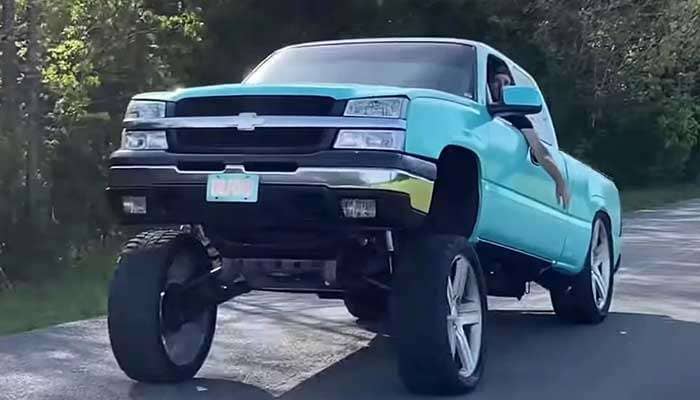
The Carolina Squat didn't start in Carolina at all. This distinctive truck modification actually traces back to the dusty desert tracks of California, where off-road racing teams first developed the technique for purely functional reasons.
The squatted truck concept originated directly from the Baja racing scene in California. When the first Baja 1000 race launched on November 1, 1967, it marked the beginning of specialized off-road competition that would eventually influence street truck culture. Desert racing teams quickly discovered that lifting the front end higher than the rear served a critical purpose—protecting their vehicles during high-speed jumps.
These racing conditions demanded trucks that could land rear-first after clearing obstacles at speed. The elevated front suspension combined with longer rear travel meant the truck's rear wheels would consistently contact the ground first when airborne. This setup protected the front axle from impact damage and prevented costly front-end repairs during competition.
The early 2000s brought a shift as the practical racing modification caught the eye of truck enthusiasts who had never set foot on a desert track. The aggressive, nose-up stance appealed to drivers who admired the look but had no intention of actual off-road competition. What started as functional engineering became pure style preference.
During the 1990s, this modification remained relatively unknown outside dedicated off-road circles. However, by the mid-2010s, the look had spread throughout Southern states, particularly North and South Carolina. The trend gained momentum through local truck meets and social media exposure, transforming a niche racing technique into a broader cultural phenomenon.
Social media platforms, particularly Instagram and YouTube, accelerated the Carolina Squat's popularity after 2017. Truck enthusiasts shared photos and videos of their builds, inspiring others to create their own squatted setups. The trend became particularly strong among younger truck owners looking to stand out.
Regional truck meets and car shows provided gathering spots where owners could display their builds and connect with like-minded enthusiasts. The modification became a form of automotive identity in Southern truck culture, representing individuality and membership in a specific community of truck owners.
The extreme angle created by squatted truck modifications introduces multiple safety hazards that affect both the driver and other road users.
Squatted trucks severely compromise driver visibility. The elevated front end forces drivers to look upward at an unnatural angle, while the lowered rear places the driver's eye level well below typical sedan and SUV sight lines. This positioning makes it difficult to see vehicles directly ahead, pedestrians, and road obstacles.
The problem worsens at night when headlights point skyward rather than illuminating the road surface. Other drivers face blinding high beams aimed directly at their windshields while squatted truck drivers struggle to see pavement markings, debris, and hazards in their path.
The modification shifts weight distribution dramatically toward the rear axle, fundamentally changing how the truck handles in emergency situations. Front wheels lose traction during braking as weight transfers away from the primary steering and stopping components.
Cornering stability suffers significantly, with the altered center of gravity increasing rollover risk during sudden maneuvers. The combination of reduced front-end grip and compromised visibility creates dangerous conditions during emergency responses.
Squatted trucks place extraordinary stress on components never designed for such extreme angles. Drivetrain components including CV joints and U-joints wear prematurely when forced to operate at non-factory angles. Suspension parts face loads beyond their design specifications.
Oil starvation becomes a serious risk as fluids pool away from pickup tubes, potentially causing catastrophic engine damage.
The uneven weight distribution also causes rapid, irregular tire wear that further reduces handling and braking performance. These mechanical problems compound the safety issues already present from the modification itself.
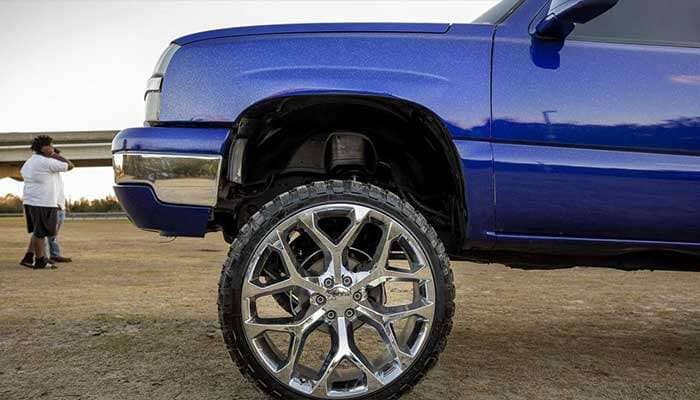
The legal status of squatted trucks has changed rapidly as states respond to documented safety hazards with new legislation and enforcement measures.
Squatted trucks face outright bans in North Carolina (effective 2021), Virginia (2022), South Carolina (2023), Georgia, Tennessee, Louisiana, and Arkansas. Mississippi's ban becomes active in July 2024, while Tennessee implements additional restrictions simultaneously.
Florida maintains vehicle height regulations rather than specific squat prohibitions. Alabama's proposed legislation HB35 remains under consideration after previous bills stalled in the Senate. California enforces strict lift kit laws that effectively prevent extreme squat modifications, despite being where the trend originated.
Penalty structures follow consistent patterns across jurisdictions. South Carolina uses a graduated system: $100 for first violations, $200 for second offenses, and $300 plus one-year license suspension for third violations.
Most states provided compliance periods before active enforcement. South Carolina allowed six months for owners to modify their vehicles before enforcement began May 10, 2024. Law enforcement officers determine violations through visual inspection and measurements between front and rear fender heights.
Fatal accidents involving squatted trucks prompted lawmakers to act. Documented crashes in multiple states demonstrated how impaired visibility, headlight misalignment, and compromised handling create dangers for all drivers. The combination of safety data and public pressure resulted in swift legislative responses across the Southeast and beyond.
Squatted trucks have evolved from practical desert racing tools into cultural symbols that sparked nationwide debate. What started as functional modifications to help Baja racers land jumps safely became a form of personal expression across Southern automotive communities. Social media amplified this transformation, turning a niche racing technique into a widespread trend that caught the attention of lawmakers and safety experts alike.
The evidence speaks clearly about the safety risks these modifications create. Compromised visibility, unpredictable handling, and dangerous headlight alignment have led to documented accidents and fatalities. When faced with these documented hazards, multiple states chose public safety over individual expression, implementing bans that carry real penalties including fines and license suspensions.
The legal tide has turned decisively against squatted trucks. States continue adding restrictions each year, making it increasingly difficult for enthusiasts to legally operate these modified vehicles on public roads. What once represented regional pride and automotive creativity now faces an uncertain future as regulatory pressure mounts.
For truck enthusiasts seeking to express their individuality, safer modification options exist that don't compromise vehicle safety or legal compliance. The automotive aftermarket offers countless ways to customize your ride without creating the hazards that prompted legislative action against squatted trucks.
The Carolina Squat phenomenon demonstrates how automotive trends can quickly shift from functional innovation to cultural statement to regulatory target. As more states implement bans, this controversial modification appears destined to remain primarily in off-road racing environments where it originated, rather than on public highways where safety concerns outweigh aesthetic appeal.
Understanding squatted trucks reveals a complex intersection of automotive culture, safety concerns, and evolving legislation that affects drivers nationwide.
• Squatted trucks feature dramatically lifted front ends (6-8 inches) with lowered rears, creating a distinctive angled stance that originated from Baja desert racing functionality.
• The trend exploded on social media after 2017, transforming from practical racing modification into cultural identity symbol, particularly in Southern states.
• These modifications create serious safety hazards including severely impaired visibility, compromised braking, headlight misalignment, and increased rollover risk.
• Multiple states have banned squatted trucks since 2021, with penalties ranging from $100-300 fines to license suspension for repeat offenses.
• Despite their cultural appeal as expressions of regional pride and individuality, documented fatal accidents have prompted widespread legislative action prioritizing road safety over esthetic preferences.
The Carolina Squat phenomenon demonstrates how automotive trends can rapidly evolve from functional racing applications to controversial cultural statements, ultimately facing regulatory restrictions when safety concerns outweigh esthetic appeal.
A squatted truck is a vehicle modification where the front end is lifted significantly higher than the rear, creating an angled stance. This style originated from Baja desert racing but has since become a popular esthetic trend, particularly in Southern states.
People squat their trucks primarily for esthetic reasons and as a form of cultural expression. It's seen as a way to stand out and showcase individuality within certain automotive subcultures, especially in the Southern United States.
The legality of squatted trucks varies by state. Several states, including North Carolina, Virginia, and South Carolina, have banned them due to safety concerns. Other states have restrictions on vehicle height or are considering legislation to regulate these modifications.
Squatted trucks pose several safety risks, including severely impaired driver visibility, compromised handling and braking, headlight misalignment, increased rollover risk, and potential for more severe damage in collisions. These factors have led to accidents and prompted legislative action in multiple states.
The Carolina Squat originated from Baja racing in California, where lifting the front end served a practical purpose in off-road competitions. It transitioned from a functional modification to a style trend in the early 2000s, gaining widespread popularity after 2017 through social media, particularly in Southern states.