
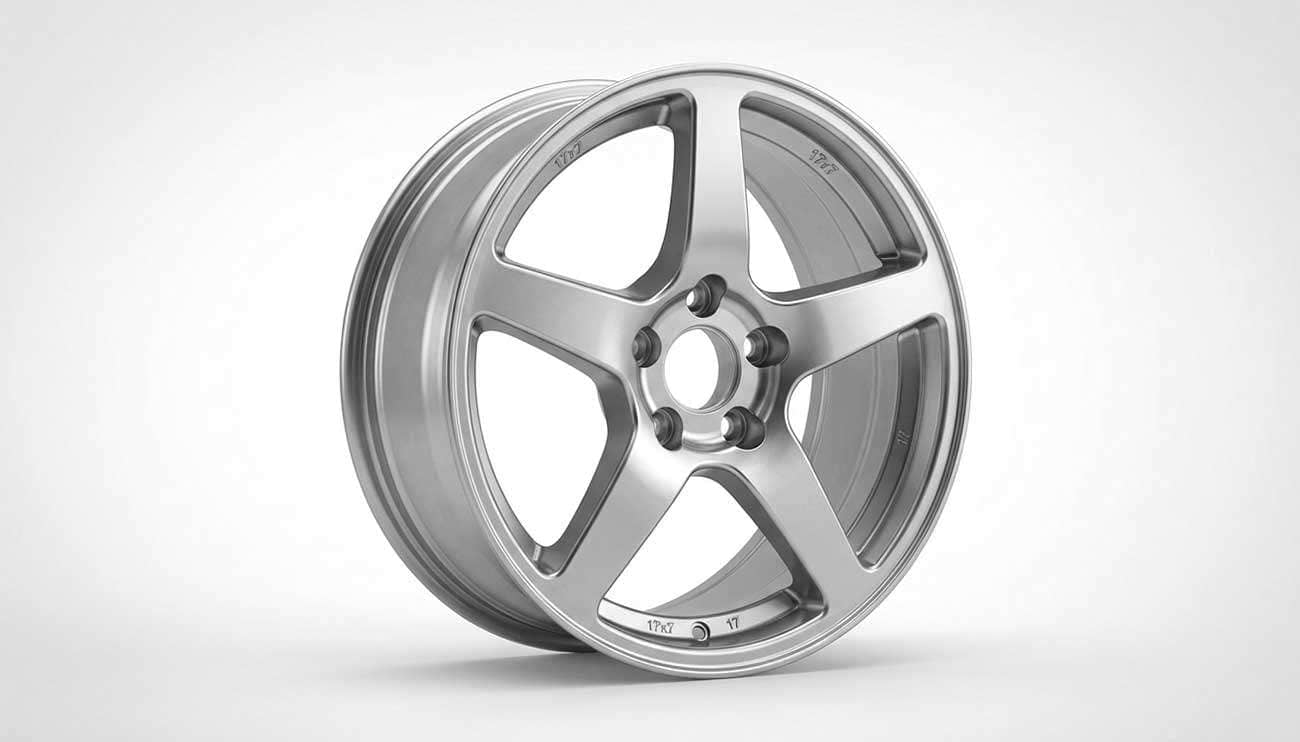
When it comes to wheel specifications, understanding the 17x7 designation is essential for proper fitment and performance. The 17x7 marking indicates a wheel with a 17-inch diameter and 7-inch width. These two numbers represent the most critical dimensions of any wheel configuration.
The first number (17) refers to the wheel diameter measured across the center from one edge to the opposite edge. The second number (7) specifies the rim width measured from one bead seat to the other. This measurement directly affects how tires mount and perform on your vehicle.
Wheel markings appear on the inside of the rim as coded information that tells the complete story of your wheel's specifications. A typical marking reads "7Jx17H2 ET48". Here's what each element means: 7 indicates width in inches, J shows the tire bead profile type, x serves as a separator, 17 represents diameter in inches, and ET48 reveals the offset in millimeters.
The 17x7 configuration has become standard equipment for many vehicles, including MINI models that typically use 17x7 rims with a +48mm offset. This widespread adoption makes finding compatible tires and replacement wheels much easier for vehicle owners.
For 17x7 rims, the appropriate tire width ranges between 205mm to 225mm. Here's the breakdown: 205/45-17 tires fit perfectly on 6.5-7.5" rims and create an 8.1" section width on 7" rims. The 215/45-17 size works ideally for 7-8" rims, producing an 8.5" section width on 7" rims. For slightly wider applications, 225/45-17 tires fit 7-8.5" rims and are perfect for 7.5" rims with an 8.9" section width.
Rim width plays a crucial role in tire performance and handling characteristics. Each 0.5" increase in rim width changes the tire's section width by approximately 0.2". Mounting the same tire on a wider rim stretches it slightly, which can improve certain performance aspects while adding wheel weight.
Proper understanding of the 17x7 designation helps ensure correct fitment with both your vehicle and compatible tires. These measurements directly impact clearance with suspension components, brake calipers, and wheel arches. Beyond these basic dimensions, other vital specifications like bolt pattern, offset (ET), and center bore size must also match your vehicle's requirements for safe, proper wheel selection.
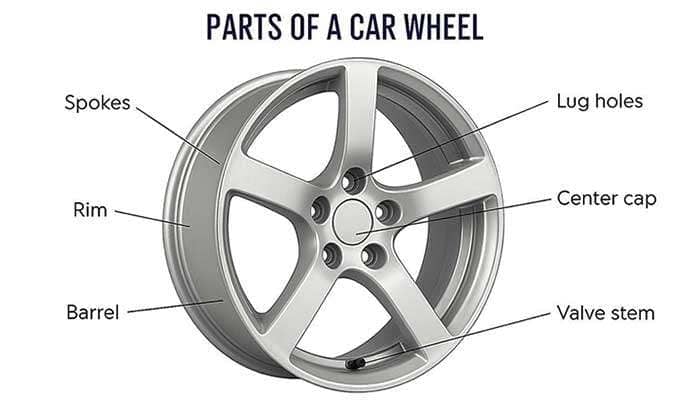
Rim markings contain critical wheel specifications that determine whether a wheel will fit your vehicle properly and safely. These alphanumeric codes typically appear on the inside of the wheel rim or backside of spokes. Reading these markings correctly ensures you select compatible wheels and avoid costly fitment issues.
Rim diameter measures the wheel's size across its widest point from edge to edge. When you see a marking like "7.5Jx16H2 ET35," the number 16 represents the wheel diameter in inches. For 17x7 rims, the first number (17) specifies the 17-inch diameter. This measurement must match your tire's internal diameter exactly for proper mounting.
Diameter also determines brake clearance. Wheels that are too small won't clear larger brake calipers, while oversized wheels may require low-profile tires that compromise ride comfort. Getting diameter right is essential for both performance and safety.
Rim width measures the distance between the inner surfaces of the rim flanges, from bead seat to bead seat. The 7 in 17x7 rims indicates a 7-inch width. However, the overall flange-to-flange measurement typically runs about 1 inch wider—so a 7-inch rim measures roughly 8 inches total.
Width directly affects tire performance by controlling the contact patch size. Wider rims support wider tires, which can improve handling and cornering grip. However, wider setups also increase weight and rolling resistance, affecting fuel economy.
The flange profile, marked with letters like "J," defines the wheel's collar shape. This profile must match your tire's bead design for secure mounting. Most passenger vehicles use J-profile flanges, though you'll also find JJ, K, JK, B, P, and D profiles on different applications.
The flange prevents the tire from separating from the wheel during operation. Wheel markings such as "7Jx17H2" show the J flange type right after the width measurement. Using the wrong profile can lead to mounting problems or tire failure.
Bolt patterns use two numbers, such as "5x114.3". The first number shows how many bolt holes the wheel has, while the second indicates the diameter of the circle formed by these holes. For 4, 6, or 8-lug patterns, you measure center-to-center between opposite holes. Five-lug patterns require special tools or calculations since the holes aren't directly opposite.
Bolt pattern compatibility is non-negotiable for safety. Even small differences prevent proper mounting and can lead to wheel failure.
ET indicates offset—the distance between the mounting surface and the wheel's centerline, measured in millimeters. "ET35" means a 35mm positive offset. Positive offset moves the mounting surface toward the outside, pulling the wheel inward toward the vehicle.
The center bore is the diameter of the wheel's central opening that fits over your vehicle's hub. This measurement ensures the wheel centers perfectly before the lug nuts are tightened. Center bore compatibility prevents vibration and ensures proper weight distribution across all mounting points.
When it comes to custom wheels, rim size directly affects how your vehicle performs on the road. The 17x7 configuration influences everything from handling characteristics to fuel economy.
Larger wheels with low-profile tires deliver superior cornering grip and more precise steering response. The stiffer sidewalls flex less during turns, providing better road feel. Wider wheels increase the tire's contact patch with the road surface, improving overall stability and traction.
However, larger wheels add unsprung weight to your vehicle, which can reduce suspension responsiveness to road imperfections. Heavier wheels require more effort from your steering system, potentially affecting the quick turn-in response that smaller wheels typically provide.
The 17-inch diameter of your rims determines brake compatibility. Larger wheels accommodate bigger brake rotors and calipers, which can improve stopping power. Testing shows that a 10% increase in wheel diameter can reduce braking distance by approximately 10%.
Proper fitment requires at least 3mm clearance between your brake calipers and wheel in all directions. Wheel size also affects suspension performance by changing the unsprung mass your system must control, potentially accelerating wear on shocks, struts, and bushings.
Weight plays a crucial role in fuel efficiency. Tests reveal up to a 10% decrease in fuel efficiency when comparing 19-inch to 15-inch wheels. Larger wheels increase rolling resistance, requiring more energy to maintain highway speeds. Your engine must work harder with heavier wheels, especially during acceleration.
Each additional pound of wheel weight increases unsprung mass, forcing your engine to consume more fuel. This is why we recommend considering both style and efficiency when selecting your custom wheels.
For 17x7 rims, appropriate tire widths typically range from 205mm to 235mm. Understanding this relationship helps you make the right tire selection. Each 0.5" increase in rim width changes tire section width by approximately 0.2".
Mounting the same tire on a wider rim stretches it slightly, which can improve handling characteristics but may increase rolling resistance. The key is balancing sidewall height for ride comfort against tire width for enhanced traction. Our experts can help you find the perfect tire match for your 17x7 wheels.
Locating rim size information requires knowing where manufacturers place these crucial specifications. Rim size markings primarily appear on the inside of the wheel as embossed numbers and letters that decode diameter, width, and other essential specifications. These alphanumeric codes typically show up on the backside of the hub or spokes, though some manufacturers place them on the inside edge of the rim.
Getting to these markings usually means removing the wheel completely. Here's the proper inspection process: remove the wheel, clean it thoroughly, flip it face down, and carefully examine all surfaces for markings. Keep in mind that manufacturers use different placement strategies—steel rim markings often appear on the front of the rim instead.
You don't always need to remove the wheel to determine rim size. Check your vehicle's owner's manual, the driver's side door jamb, or inside the glove box door for tire size codes. A code like P215/65 R15 95H tells you the R15 indicates 15-inch rims.
Tire sidewalls also contain this information if you already have tires mounted. When markings aren't visible or present, direct measurement becomes your backup option. Multiple information sources provide redundancy when determining whether you have 17x7 rims or another configuration.
At Performance Plus Tire, we understand that finding the right wheel specifications can be challenging. That's why we offer expert guidance to help you identify your current setup and find the perfect replacement or upgrade wheels for your vehicle.
Understanding rim measurements is essential for proper wheel selection, vehicle performance, and safety. Here are the critical insights every driver should know:
• 17x7 means 17-inch diameter and 7-inch width - the two fundamental measurements that determine tire compatibility and vehicle fit.
• Rim markings are located inside the wheel - look for embossed codes on the backside of spokes or hub for complete specifications.
• Wider rims improve handling but reduce fuel efficiency - each 0.5" width increase changes tire section by 0.2" and affects performance.
• Proper tire width for 17x7 rims ranges 205-225mm - staying within this range ensures optimal performance and safety.
• Larger wheels require bigger brakes and affect suspension - diameter impacts brake clearance and unsprung weight distribution.
When upgrading or replacing wheels, always verify bolt pattern, offset (ET), and center bore compatibility alongside the basic 17x7 dimensions. This comprehensive approach ensures proper fitment and maintains vehicle safety standards.
A 17x7 rim size means the wheel has a 17-inch diameter and a 7-inch width. The first number (17) represents the wheel's diameter measured across its widest point, while the second number (7) indicates the width of the wheel from one bead seat to the other.
Rim markings are typically found on the inside of the wheel and contain coded information. For example, in a marking like "7Jx17H2 ET35", 7 is the width in inches, J is the tire bead profile type, 17 is the diameter in inches, and ET35 indicates a 35mm offset.
Rim size affects various aspects of vehicle performance. Larger wheels can improve cornering grip and steering response but may reduce fuel efficiency. The rim width influences tire fitment and handling characteristics. Additionally, wheel size impacts brake clearance and suspension performance.
For 17x7 rims, appropriate tire widths typically range from 205mm to 225mm. Specifically, 205/45-17, 215/45-17, and 225/45-17 tires are suitable options, depending on the desired performance characteristics and vehicle specifications.
Larger and heavier wheels can significantly impact fuel economy. Tests have shown up to a 10% decrease in fuel efficiency when comparing 19-inch to 15-inch wheels. This is because larger wheels increase rolling resistance, requiring more energy to maintain speed and forcing the engine to work harder during acceleration.



