
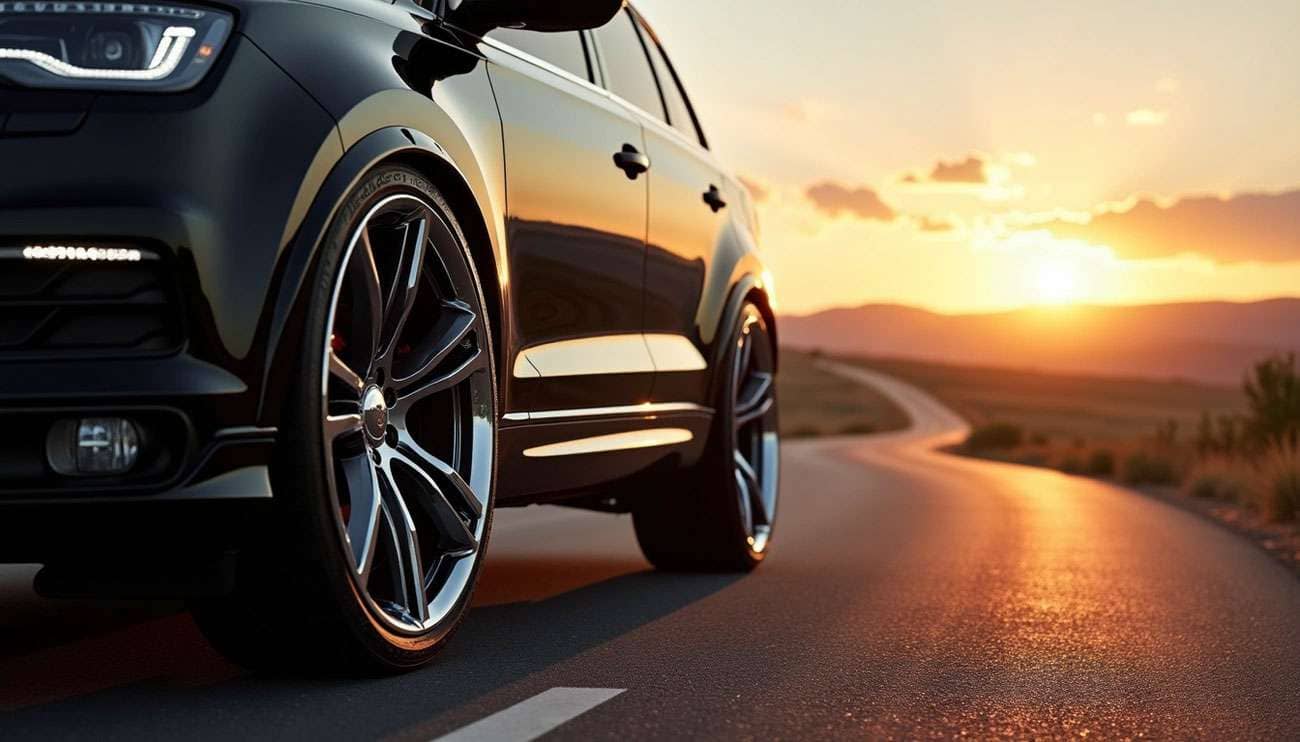
22 inch rims deliver real performance advantages beyond their aggressive appearance. Many vehicle owners question whether larger wheels justify the investment or simply serve as show pieces. These wheels actually provide substantial visual impact combined with measurable functional improvements that enhance your driving experience.
22 inch wheels offer superior off-road capabilities, increased stability, and better handling compared to factory options. The thin, low-profile sidewall on a 22-inch tire delivers greater stiffness than sidewalls found on tires with identical overall diameter but smaller inner diameter. These wheels also create a shorter yet wider contact patch that improves rubber grip during cornering. When comparing 20 vs 22 inch wheels, drivers typically notice minimal difference in ride quality between the two sizes. However, 22 inch off road wheels significantly boost both visual appeal and vehicle performance.
We'll cover everything you need to know about 22 inch wheels in this guide. You'll learn about their visual benefits and performance gains, plus important technical factors and real-world uses. Whether you're upgrading your truck, SUV, or luxury sedan, we'll help you determine if 22-inch wheels make sense for your vehicle.
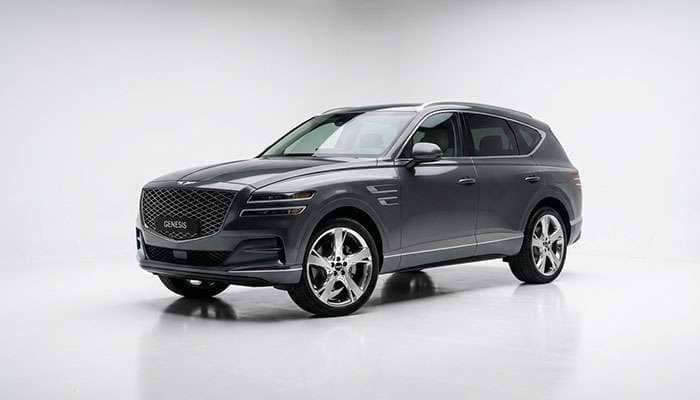
Visual appeal drives most vehicle owners to upgrade to 22 inch rims. These larger wheels completely transform how your vehicle looks, creating an aggressive stance that demands attention on the road.
22 inch wheels fill out wheel wells perfectly, eliminating the unsightly gaps that smaller factory wheels often leave behind. This creates a sportier, more dynamic appearance that commands respect wherever you drive. Vehicle enthusiasts choose this size specifically because it amplifies their ride's style while delivering that enhanced road presence they're after.
The larger diameter gives wheel designers space to incorporate detailed styling elements that would look cramped on smaller wheels. You get a show-stopping appearance that makes a bold statement – perfect when you want your vehicle to stand out in any crowd.
22 inch wheels work exceptionally well on larger vehicles where proportions matter most. Luxury SUV and full-size truck owners have made this size their go-to choice because it simply looks right. The visual upgrade on models like the Chevy Silverado and GMC Sierra is dramatic.
"These trucks are big; you don't want to be rolling around on small wheels and tires". Larger diameter wheels create balanced proportions that look much better than 20 inch options on substantial vehicles. This size has become the favorite for SUVs, trucks, and aggressive street builds. Popular applications include Ford F-150, Ram 1500, Chevy Tahoe, and Cadillac Escalade.
Your wheel finish dramatically impacts the overall look. Chrome 22 inch rims deliver luxurious gleam and commanding presence on pickups and SUVs. Alternative options include gloss black wheels that offer a modern, menacing appearance complementing any body color.
We offer 22 inch wheels in numerous finishes including black milled, bronze, machined face, polished, and silver. This variety ensures you'll find the perfect match for your vehicle's color and personal style.
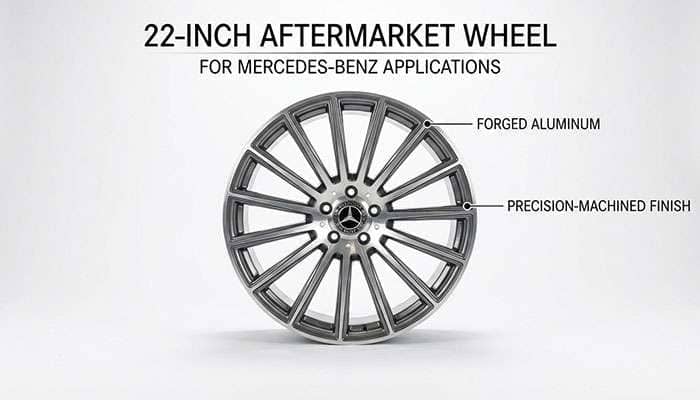
22 inch wheels deliver measurable performance gains that extend far beyond their visual appeal. The engineering advantages of larger wheels translate directly into noticeable improvements in vehicle handling and road response.
Reduced sidewall height on 22 inch wheels creates more immediate and precise steering input. When the wheel replaces much of the sidewall, the tire flexes less under load, resulting in increased steering precision. This improved responsiveness is instantly noticeable – turn the wheel and your vehicle reacts faster, feeling more agile and capable of sharp turns with less effort.
22 inch wheels provide superior lateral support, creating enhanced stability at high speeds. This makes them ideal for highway driving where confident handling matters most. The larger diameter increases rotational inertia, which despite requiring more acceleration energy, contributes to that planted highway feel.
Drivers experience sharper handling and improved stability during high-speed lane changes. These wheels particularly excel in long corners where the increased stability becomes most apparent.
Stiffer sidewalls on 22 inch wheels dramatically reduce tire flex under cornering forces. This maintains a flatter, more consistent contact patch with the road surface. The tire grips pavement more effectively, especially during aggressive cornering.
The larger barrel also accommodates wider tires, creating a greater contact patch that enhances traction in dry conditions. This shorter yet wider footprint helps rubber stick better in corners.
22 inch rims are unlikely to directly damage your transmission. However, they can create secondary effects that increase drivetrain stress if improperly managed. Key considerations include:
Wheel weight and rotational mass: Heavier wheels require more torque to accelerate, potentially increasing transmission load over time.
Overall diameter changes: Significant rolling diameter changes can alter automatic transmission shift logic.
To minimize transmission stress, choose lightweight 22 inch wheels, maintain proper fitment, and consider ECU recalibration if rolling circumference changes exceed 2-3%.
Understanding the technical aspects of 22 inch wheels helps you make an informed decision about whether they're right for your vehicle. These considerations directly affect your driving experience and long-term satisfaction.
The reduced sidewall height on 22 inch wheels provides less cushioning between you and the road. This thinner profile absorbs less energy when hitting bumps, creating a more connected yet potentially harsher road feel. Some drivers report noticeable "shaking" or vibrations, particularly on rough pavement. However, pairing these wheels with air suspension can significantly improve comfort. As one owner noted, "Air works great on the bumps", although others still find the ride "too firm" regardless of suspension type.
Larger 22 inch wheels increase unsprung weight—the mass not supported by your suspension. This additional weight reduces your suspension's ability to absorb impacts effectively. According to automotive engineers, even slight increases change suspension reaction speed noticeably. Additionally, rotational inertia grows substantially with larger wheel diameter. This combination affects how quickly your suspension can respond to road imperfections.
Fuel economy typically decreases with 22 inch wheels due to increased rolling resistance from heavier rotating mass. Real-world testing showed vehicles with heavyweight wheels averaged 21.1 mpg versus 22.8 mpg with stock wheels—approximately 7.5% worse fuel economy. The effect is more pronounced during city driving with frequent stops. The actual decrease depends on wheel weight, tire compound, and overall diameter change.
Common tire sizes for 22 inch off-road wheels include 275/50R22, 285/45R22, and 275/40R22. When selecting tires, maintain an appropriate overall diameter to preserve proper speedometer function and gearing. For off-road use, consider tires with adequate load ratings and reinforced construction to withstand impacts. Remember that wider tires enhance cornering but increase rolling resistance.
Purchasing 22 inch wheels requires significant financial planning beyond the upfront wheel cost. Understanding the total investment helps you make an informed decision about these statement wheels.
22 inch wheels carry a substantial price tag—basic aftermarket options run $200 to $500 per wheel, while premium choices exceed $1,000 each. A complete set typically costs $4,800 to $7,200 over three years including tires and maintenance. Compare this to 21-inch setups averaging $3,500 to $5,500 over the same timeframe. Tire replacements also cost more, with 22-inch rubber ranging from $1,100 to $2,000 per set.
Long-term ownership includes a 2-4% annual fuel cost increase (approximately $80-160 yearly) plus reduced tire lifespan of 35,000-45,000 miles versus 40,000-50,000 miles on smaller wheels.
Need quality 22-inch wheels with expert fitment advice? Check out Performance Plus Tire's extensive selection for competitive pricing and professional guidance.
Proper fitment depends on understanding key measurements. Offset—the distance from mounting surface to wheel centerline—dramatically impacts handling and clearance. Positive offset positions the mounting surface forward (street-oriented), while negative offset creates that coveted "deep dish" look.
Your bolt pattern must match vehicle specifications exactly. Common patterns include 5x114.3 (5x4.5) for many cars and SUVs, 6x139.7 for trucks, and 8x180 for heavy-duty applications.
Clearance problems can develop with brake calipers, suspension parts, and fenders. We recommend professional consultation for aggressive fitments since modifications may be required.
Different vehicle types benefit from 22-inch wheels in distinct ways. Luxury sedans use these wheels mainly for visual enhancement while preserving decent comfort. Performance SUVs gain improved handling response and highway stability—Audi RS6 and RS7 models even include 22-inch wheels as standard equipment.
Full-size SUVs like the Chevrolet Tahoe and trucks such as the Silverado adopt 22-inch wheels for their bold presence. These wheels work particularly well on larger vehicles where proportions create visual balance.
For off-road use, tire selection becomes critical. Serious off-roaders often select 275/50R22 or 285/45R22 sizes to preserve adequate sidewall protection.
Owner experiences with 22-inch wheels vary considerably based on vehicle type and driving conditions. Many luxury SUV owners express satisfaction with the visual transformation, dramatically changing their vehicle's appearance.
However, comfort issues surface regularly. Multiple forum users mention the ride becomes "noticeably rougher," especially on deteriorated roads. One Denali owner noted that his previous vehicle with 17-inch wheels "feels better" over bumps compared to his newer model with 22-inch wheels.
Urban drivers on well-maintained roads typically report fewer problems, while those in areas with poor road conditions experience more wheel damage and discomfort. Overall satisfaction generally depends on your priorities—style-focused enthusiasts usually accept the comfort compromises, while comfort-priority drivers often regret the upgrade.
22-inch wheels deliver impressive visual impact alongside measurable performance improvements. These larger wheels create an aggressive stance that transforms vehicle appearance, with SUVs and trucks benefiting most from the proportional balance they provide.
The performance gains are clear. Sharper steering response, better cornering stability, and improved grip during spirited driving make 22-inch wheels attractive for drivers who prioritize handling precision. Luxury SUV owners and truck enthusiasts have embraced this size for solid reasons.
However, these advantages come with important trade-offs. Ride comfort generally suffers due to shorter sidewalls, particularly on rough pavement. Fuel economy drops because of added weight and rolling resistance. The upfront cost plus ongoing maintenance expenses exceed smaller wheel alternatives significantly.
Your vehicle type and driving preferences determine whether 22-inch wheels suit your needs. Drivers seeking visual enhancement and handling improvements typically find the upgrade worthwhile, while those prioritizing comfort, fuel efficiency, and lower costs often prefer smaller options.
Consider your regular driving conditions, budget limitations, and whether you value appearance over comfort before deciding. Once you evaluate these factors, you'll understand if 22-inch wheels provide the right combination of style and performance for your vehicle.
Understanding the benefits and trade-offs of 22-inch wheels helps you make an informed decision about whether this upgrade aligns with your driving priorities and budget.
• Enhanced visual impact and performance: 22-inch wheels dramatically improve vehicle appearance while delivering sharper steering response and better cornering stability through reduced sidewall flex.
• Significant cost considerations: Expect to invest $4,800-$7,200 over three years including tires and maintenance, plus 2-4% higher annual fuel costs due to increased weight.
• Comfort trade-offs are real: Reduced sidewall height means less cushioning from road imperfections, resulting in a noticeably firmer ride quality, especially on rough pavement.
• Best suited for larger vehicles: SUVs and trucks benefit most from 22-inch wheels as the proportions create better visual balance and the vehicles can better handle the performance characteristics.
• Proper fitment is crucial: Success depends on correct offset, bolt pattern, and clearance measurements - professional consultation recommended to avoid costly mistakes and ensure optimal performance.
The decision ultimately comes down to your priorities: choose 22-inch wheels if you value aggressive styling and enhanced handling over ride comfort and fuel economy.
22-inch wheels typically improve steering response and cornering stability due to reduced sidewall flex. The larger wheels provide better lateral support, especially during high-speed driving and aggressive turns.
Yes, 22-inch wheels often result in a firmer ride due to the reduced sidewall height, which provides less cushioning from road imperfections. However, this can be mitigated to some extent by pairing with air suspension systems.
Generally, yes. 22-inch wheels and tires are typically more costly to purchase and replace. Additionally, they may lead to slightly increased fuel consumption due to higher rolling resistance and weight.
22-inch wheels can reduce off-road capability due to the lower profile tires, which offer less protection against impacts and reduced traction in rough terrain. For serious off-roading, smaller wheels with taller sidewalls are usually preferred.
Larger vehicles like full-size SUVs and trucks often benefit most from 22-inch wheels. These wheels provide a more balanced visual appearance on larger vehicles and can enhance their road presence without looking disproportionate.



