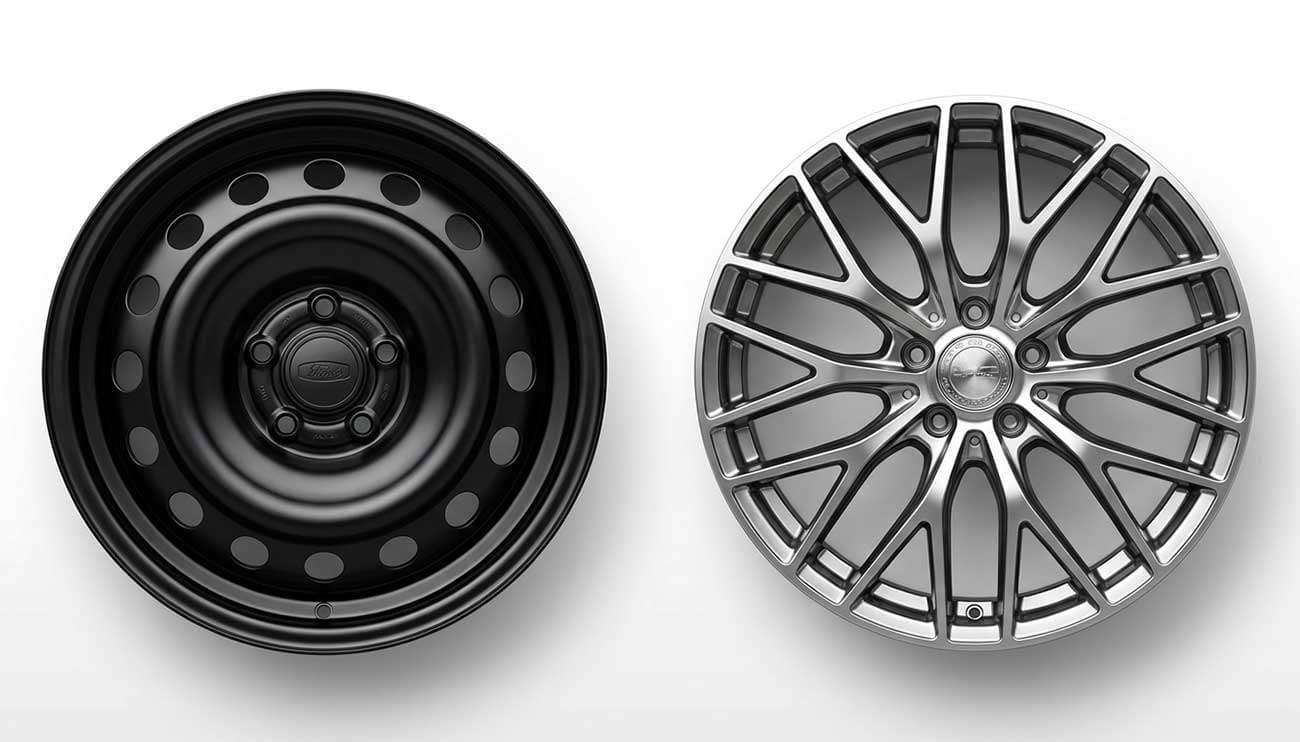
Steel wheels typically cost between $55 and $95 per wheel without tires - making them one of the best values in the wheel market today. Steel wheels, commonly called "steelies," are the durable, no-nonsense option that smart car owners choose when they want maximum performance for their dollar.
We've seen steel wheels prove themselves time and again. These wheels are welded together from two pieces of steel, creating a heavier but significantly stronger wheel than aluminum alternatives. While fancy alloy wheels get all the attention, steelies deliver outstanding durability at a fraction of the cost. Steel wheels consistently cost less than aluminum wheels while providing superior resistance to impact damage. They can withstand serious abuse, which makes them the top choice for off-road driving and work vehicles.
Steel wheels really shine during winter conditions. When steelies get bent, they can often be hammered back into shape - something you can't do with alloy wheels that crack under similar stress. They also offer better protection against corrosion damage, making them the sensible choice when roads are covered with salt and slush.
At Performance Plus Tire, we understand that choosing the right wheels for winter driving means finding the perfect balance of durability, performance, and value. Steel wheels deliver on all three counts. Whether you're looking to protect your expensive alloy wheels during harsh winter months or simply want a reliable, cost-effective wheel solution, steelies offer unbeatable value that's hard to ignore.
Steel wheels represent the foundational wheel technology in automotive history. Understanding their construction, identification methods, and key differences from alloy wheels helps you make informed decisions for your vehicle needs.
Steel wheels are primarily constructed from carbon steel and iron, with manufacturers often adding manganese to increase durability. This material combination creates wheels that handle significant pressure and impact without failure. The manufacturing process involves stamping and pressing steel sheets into the desired wheel shape. This straightforward production method keeps costs low while maintaining structural integrity.
The welded construction creates a robust wheel that performs reliably under demanding conditions. Steel's natural properties make these wheels particularly suitable for heavy-duty applications and harsh driving environments.
Determining whether your vehicle has steel wheels involves several simple inspection methods:
The magnet test provides the most reliable identification method. A magnet will stick firmly to steel wheels but won't adhere to aluminum alloy wheels since aluminum contains no iron. This test works every time and requires no special knowledge.
Visual characteristics offer clear identification clues. Steel wheels display a plain, functional appearance with mostly solid construction and small holes around the edges. Many come with plastic hubcaps that attempt to mimic more expensive alloy wheel designs.
Construction features include flat spokes and thinner overall profiles compared to alloy alternatives. Steel wheels maintain a practical, utilitarian look with limited design variations.
Steel wheels provide exceptional impact resistance and rarely crack under stress that would damage alloy wheels. They typically cost 70-80% less than comparable alloy options, making them an economical choice for many drivers.
The weight difference presents the main performance consideration. Steel wheels weigh significantly more than aluminum alternatives, which affects vehicle handling, fuel efficiency, and acceleration. Steel wheels also offer fewer aesthetic customization options due to manufacturing limitations compared to the complex styling possibilities of alloy wheels.
When you need reliable steel wheels for winter driving or budget-conscious applications, Performance Plus Tire's selection of steel rims provides durable options designed to keep you moving safely through challenging conditions.
Winter driving creates serious challenges that demand practical solutions. Steel wheels solve these problems with benefits that go far beyond basic transportation.
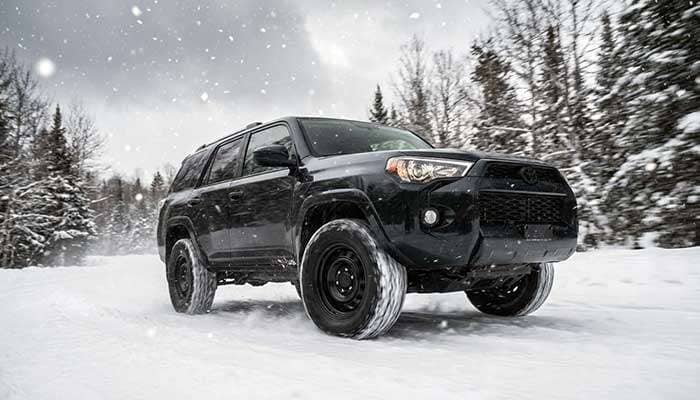
Road salt attacks wheels relentlessly during winter months, causing expensive damage that many drivers don't discover until spring. Steelies offer better protection against corrosion caused by road salt. Modern steel wheels come with corrosion-resistant finishes like ArcticArmor that protect against moisture and salt damage.
Proper painting provides maximum protection for your steelies. With the right coating, they resist rust from road salt effectively. When rust does appear, steel wheels cost significantly less to repair or replace than alloy alternatives. A simple end-of-winter maintenance routine involves wire-brushing off any flaking paint and touching up with spray paint.
Steel wheels mounted with winter tires as complete sets make seasonal changeovers straightforward. You avoid the tire shop visits that involve removing tires from one rim and mounting them on another - a process that can damage tires.
This approach saves time and eliminates the temptation to delay essential winter preparation. Your expensive alloy wheels stay protected from winter damage.
Steelies work perfectly for drivers who handle their own vehicle maintenance. The straightforward design and robust construction make them ideal for garage winter prep.
Here's the basic process:
Break lug nuts loose while the car sits on the ground
Jack up the vehicle and secure it properly on jack stands
Remove summer wheels and install your winter set
Tighten lugs to specification and check tire pressure
The extra weight of steel wheels actually improves traction on snow and ice by helping winter tires bite into slippery surfaces. You get better performance while handling the job yourself.
When choosing between steel wheels and alloy wheels, understanding their key differences helps you select the right option for your driving needs and budget.
Steel wheels offer exceptional durability that's hard to beat. Their strength and impact resistance make them ideal for tough driving conditions. Steelies can last up to 10 years or more with proper maintenance.
The main advantage of steel wheels is their ability to bend without breaking. When damaged, steelies can often be hammered back into shape, while alloy wheels typically crack under similar pressure. This repairability factor makes steel wheels more economical over time.
Aluminum alloy wheels generally last around 5-7 years with proper care, making them less suitable for extreme conditions despite their other advantages.
The weight difference between these wheel types is significant. Steel wheels weigh approximately 78lbs, while aluminum wheels average around 47lbs – about 30lbs difference per wheel. A complete set of steel wheels adds roughly 300lbs to your vehicle.
This additional weight affects performance. Lighter alloy wheels improve acceleration, braking, and handling. They can reduce fuel consumption by up to 3% when paired with low-rolling resistant tires.
However, steel's extra weight provides benefits for winter driving – it helps tires grip snow more effectively.
Steel wheels offer limited styling choices due to their manufacturing process. They're typically stamped into shape, while alloy wheels use casting molds that allow for complex, detailed designs.
Alloy wheels provide superior customization possibilities. They can be polished, painted, machined, or chromed, while steel wheels generally maintain their functional appearance. For drivers who prioritize personalization, alloys offer significantly more options.
Aluminum wheels also resist corrosion better, maintaining their appearance longer than steel, which can develop rust spots if the coating wears off.
The choice between steel and alloy wheels depends on your priorities. Steel wheels excel in durability, repairability, and cost-effectiveness, while alloy wheels offer better performance and appearance options.
For budget-conscious drivers, steelies deliver exceptional value that goes far beyond their initial price point. Understanding their costs, maintenance needs, and long-term benefits helps you make the smartest wheel decision for your vehicle.
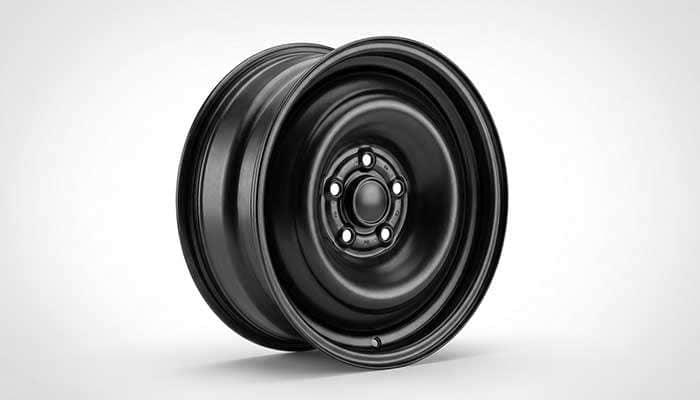
Steel wheels provide remarkable affordability compared to other wheel options. You can expect to pay $50 to $200 per wheel. A complete set of four steelies runs between $200 and $800. When damage happens - and it will with winter driving - steel wheels cost significantly less to replace than alloy alternatives.
The cost advantage comes from simpler manufacturing and steel's abundance as a raw material. Many smart drivers buy steelies specifically for winter use, protecting their expensive alloy wheels from salt damage while saving money.
Proper painting makes the difference between steel wheels that last and ones that rust out quickly. Here's what you need to know:
Painting dramatically reduces rust risk from road salt
Black steel wheels look particularly sharp and hide minor imperfections
Start with thorough cleaning to remove all dirt and debris. Use a wire brush to eliminate any existing rust spots. Apply self-etching primer first, then wheel-specific paint. Finish with clear coat spray for maximum protection.
Steel wheels can last 10-20+ years with proper care - often outlasting the vehicle itself. Replace your wheels when you see:
Severe radial cracking that affects structural integrity
Significant pitting or notching around the rim
Bending that cannot be repaired
For quality replacement steel wheels at reasonable prices, Performance Plus Tire's selection of steel rims offers durable options that provide excellent long-term value.
Steel wheels represent a smart investment for drivers who value practical performance over flashy appearance. When you need wheels that deliver reliable service season after season, steelies provide the perfect solution at a price that makes sense for your budget.
The numbers speak for themselves. Steel wheels cost $50-$200 per wheel compared to hundreds more for alloy alternatives, yet they often outlast the vehicles they're mounted on. Their ability to bend rather than crack means you can keep driving when alloy wheels would leave you stranded. For winter driving, this durability becomes even more valuable when road conditions turn harsh.
Many of our customers choose steel wheels specifically for winter use, and we understand why. They protect expensive alloy wheels from salt damage while providing the reliable performance you need when the weather gets rough. The extra weight that some see as a disadvantage actually helps winter tires grip better on snow and ice.
Whether you're looking for a dedicated winter wheel set or need durable wheels for year-round use, steel wheels deliver the kind of practical value that smart drivers appreciate. They might not win any beauty contests, but they'll get you where you're going safely and affordably.
At Performance Plus Tire, we carry a huge selection of steel wheels at the lowest prices. Our team can help you find the perfect size and style for your vehicle, ensuring proper fitment and reliable performance. Ready to experience the practical benefits of steel wheels for yourself? Browse our selection of steel rims today and discover why so many drivers choose steelies for their winter driving needs.
Steel wheels (steelies) offer unmatched value for winter driving, combining durability, affordability, and practical benefits that make them a smart choice for budget-conscious drivers.
Steelies cost 70-80% less than alloy wheels at $50-200 per wheel, making them an affordable winter solution that protects expensive alloys from salt damage.
Steel wheels resist road salt better and can be hammered back into shape when bent, unlike alloy wheels that crack under similar stress.
Complete winter wheel sets simplify seasonal swaps - mount winter tires on steelies once and swap entire wheel-tire combinations instead of remounting tires twice yearly.
Steel wheels last 10-20+ years with proper maintenance and rust prevention through painting, often outlasting the vehicles they're mounted on.
Extra weight improves winter traction by helping tires grip snow and ice more effectively, offsetting the slight fuel efficiency penalty.
While steelies sacrifice esthetics and performance compared to alloy wheels, their exceptional durability, repairability, and cost-effectiveness make them the practical choice for winter driving and budget-minded vehicle owners.
Steel wheels are popular for winter driving due to their durability, affordability, and resistance to road salt damage. They can often be bent back into shape if damaged, unlike alloy wheels which may crack. The extra weight of steelies can also improve traction on snow and ice.
Steel wheels are significantly cheaper than alloy wheels, typically costing 70-80% less. They also tend to last longer, with a lifespan of 10-20+ years with proper maintenance, compared to 5-7 years for alloy wheels. This makes steelies a cost-effective choice for winter use.
Narrower steel wheels can be beneficial in winter as they are more likely to cut through snow and reach solid ground, rather than "floating" on top of it. This can provide better traction in snowy conditions. Additionally, the narrower width allows for more affordable tire options.
Using steel wheels for winter tires allows for easier seasonal swaps. Instead of remounting tires twice a year, you can simply exchange the entire wheel-tire combination. This saves time and reduces the risk of damaging tires during the mounting process.
To prevent rust on steel wheels, it's important to clean them thoroughly and apply a protective coating. This can involve removing any existing rust with a wire brush, applying self-etching primer, wheel-specific paint, and a clear coat spray. Regular cleaning and touch-ups, especially after exposure to road salt, can significantly extend the life of steel wheels.