
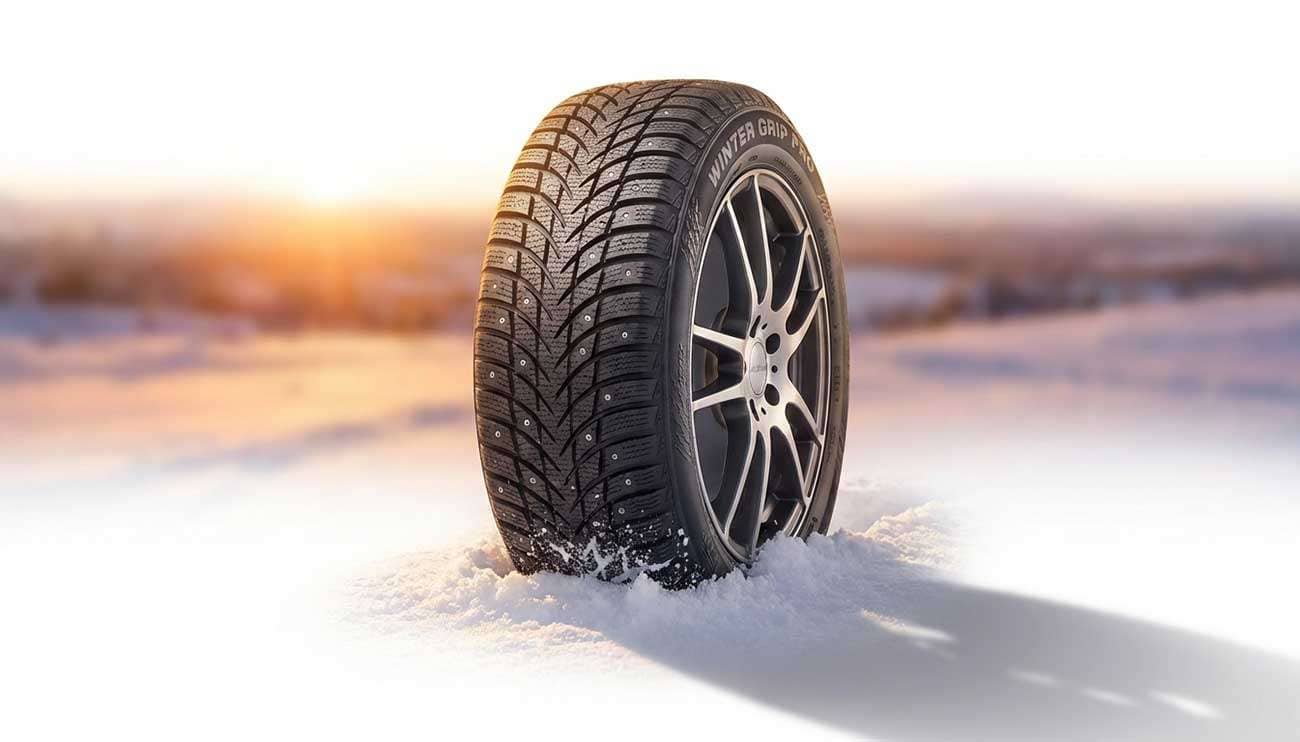
When John F. Sipe developed tire siping back in 1923, he created one of the most effective ways to improve vehicle tire performance through enhanced road contact. These precision-cut slits in tire tread deliver remarkable traction improvements on challenging winter surfaces. Properly siped tires can mean the difference between safe winter driving and dangerous slides on ice and snow.
The performance data speaks for itself. Studies demonstrate that sipes dramatically improve both stopping distance and traction on icy surfaces. Nokian Tires research proves that sipe-activated tires deliver a 5% improvement in braking distance on snow and a 3% improvement on ice compared to standard tires without siping. These aren't small gains - they're the kind of improvements that can prevent accidents.
Sipes are thin, strategic slits cut into tire tread blocks - the raised rubber sections that make contact with the road surface. As your tire rolls across winter driving surfaces, these small openings flex and collect snow or water, then expel it from the contact area. This action creates hundreds of additional gripping edges that bite into slippery surfaces.
Understanding tire siping pros and cons is essential for making the right choice for your winter driving conditions. We'll guide you through everything you need to know about whether this tire modification makes sense for your specific driving needs and help you determine if siping delivers real value for your vehicle.
Sipes are precision-engineered slits measuring between 0.015 to 0.030 inches wide that cut partially through tire tread block depth. These thin incisions differ completely from the larger grooves that channel water away from your tires. Instead, sipes create hundreds of additional biting edges designed to grip road surfaces.
The mechanics of tire siping are both simple and brilliant. When your tire rolls across wet pavement, snow, or ice, these narrow slits flex open slightly, exposing sharp edges that dig into the surface. Think of it like the difference between a serrated knife and a smooth blade - the serrated edge cuts more effectively because it has multiple contact points.
This flexible design transforms ordinary tread blocks into adaptive gripping surfaces. Each sipe acts as a tiny anchor point that can conform to road irregularities and grab onto slippery surfaces.
Tire manufacturers use different sipe designs for specific performance goals. Straight sipes deliver basic traction improvements, while zigzag patterns provide enhanced grip without sacrificing tread block stability. The most advanced 3D sipes feature interlocking designs that maximize surface contact while preventing excessive tread movement.
Temperature plays a crucial role in sipe effectiveness. Cold weather makes tire rubber stiffer, causing sipes to open more and create pronounced gripping edges on icy surfaces. When temperatures rise, the rubber softens and allows sipes to close more completely in the contact patch. This temperature-responsive behavior maintains consistent performance across different weather conditions.
Factory siping uses precision molds during tire manufacturing to ensure optimal sipe placement for maximum performance, durability, and safety. This controlled process creates the exact sipe patterns needed for specific tire applications.
The numbers don't lie when it comes to siping performance on winter driving conditions. US National Safety Council testing delivers impressive results: siping improved stopping distances by 22%, breakaway traction by 65%, and rolling traction by 28% on glare ice. These aren't marginal improvements - they're the kind of performance gains that can save lives.
Snow traction sees similar benefits. Adding thin-slit sipes to tire treads enhances snow grip by over 20% on average. Consumer Reports testing backs up these claims, confirming measurable improvements in both snow-traction and ice-braking performance with siped tires.
The mechanics are straightforward. Sipes create additional biting edges that grab snowy and icy terrain effectively. These small slits flex open under pressure, expanding the tire's contact area with slippery surfaces. Properly siped tires also excel at clearing water, snow, and slush from the contact patch, reducing hydroplaning risks.
Military testing provides real-world validation of these benefits. Soldiers reported significantly better control at higher speeds with siped tires. Standard tires became "uncontrollable at lower speeds when steering and cornering in snow", while siped versions maintained control and stability.
The science is clear: siping delivers measurable performance improvements when winter conditions demand maximum traction and control from your tires.
Making the right choice about tire siping requires understanding both the benefits and limitations. Here's what you need to know before making this investment.
The Benefits Are Real
Properly siped tires deliver measurable improvements where it counts most. Snow traction increases by 20%+ on average, while braking performance and ride quality see noticeable gains over rough winter roads. The heat dispersion properties of siping can also promote more even wear patterns, potentially extending your tire's usable life.
The Drawbacks You Should Consider
Aftermarket siping comes with costs beyond the $10-15 per tire price tag. Most manufacturers void treadwear warranties when you modify their tires. Consumer Reports testing showed that while siped tires excel in snow and ice conditions, they actually increase braking distances on wet and dry pavement.
Dry pavement performance takes a hit because siping increases tread squirm, generating excess heat and accelerating wear. Additionally, aftermarket siping may violate DOT regulations in many states since it alters the approved tire footprint.
When Siping Makes Sense
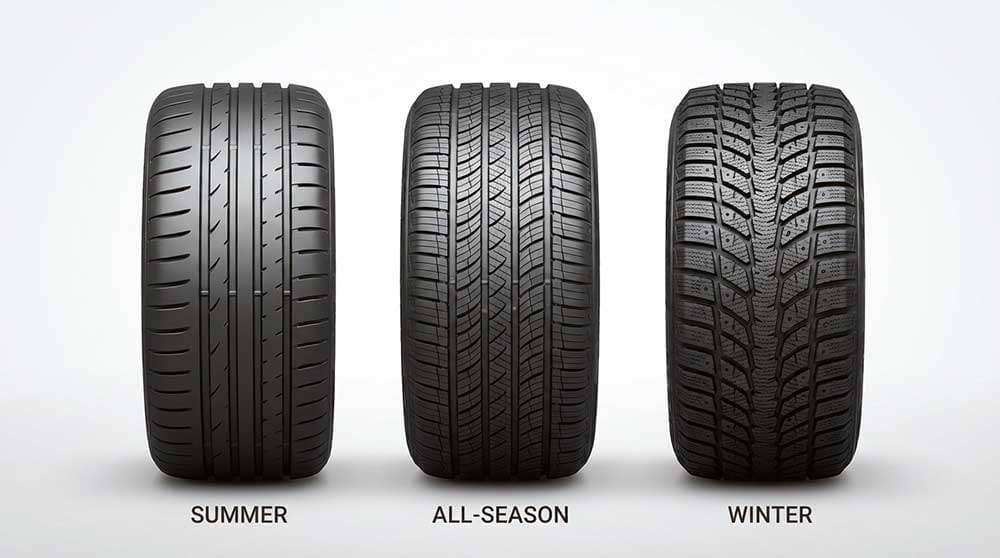
Your driving conditions determine whether siping provides real value. If you regularly tackle snow, ice, or challenging winter roads for most of the year, factory-siped winter tires are your best option. For drivers who occasionally encounter winter storms, adding sipes to all-season or all-terrain tires might be worthwhile.
For those who primarily drive on dry pavement, the costs and drawbacks outweigh the limited benefits. The key is matching your tire choice to your actual driving environment rather than preparing for worst-case scenarios that rarely occur.
Tire siping delivers real benefits for drivers who regularly face challenging winter conditions. The performance improvements are measurable - better stopping distances, enhanced traction, and improved control on snow and ice. These gains can make the difference between confident winter driving and white-knuckle trips on icy roads.
The key question isn't whether siping works, but whether it works for your specific situation. If you live in regions with extended winter seasons and frequently encounter snow, ice, or slippery back roads, factory-siped winter tires are worth the investment. The performance advantages clearly outweigh the costs when winter driving is a regular part of your routine.
However, tire siping makes less sense if you primarily drive on dry pavement. The drawbacks - increased tread wear, higher costs, and potential warranty issues - simply don't justify the modest gains for drivers who rarely encounter winter conditions. Standard all-season tires often provide better overall value for these driving patterns.
Your driving environment should guide this decision. Those dealing with harsh winters will find factory-siped tires provide crucial safety advantages when conditions turn treacherous. Drivers in milder climates might benefit more from quality all-season tires without additional modifications.
Safety remains the most important factor in any tire choice. Whether you choose siped tires or stick with standard options, understanding how this technology works helps you make informed decisions about your vehicle's winter performance. The right tire choice for your specific conditions can provide the confidence and control you need when winter weather challenges your driving skills.
Understanding tire siping can significantly improve your winter driving safety and help you make informed decisions about tire modifications for challenging weather conditions.
• Tire siping creates hundreds of additional biting edges that improve snow traction by 20%+ and reduce ice braking distances by up to 22%
• Factory-siped winter tires are ideal for harsh winter climates, while aftermarket siping voids warranties and may be illegal in some states
• Siped tires excel in winter conditions but can increase braking distances on dry pavement due to increased tread squirm and heat generation
• The $10-15 per tire aftermarket siping cost is only worthwhile if you regularly drive in snow, ice, or challenging winter conditions
Your driving environment should determine whether siping benefits outweigh the drawbacks. For occasional winter driving, standard all-season tires may be more practical, while those in snow-prone regions will find factory-siped winter tires provide crucial safety advantages when navigating treacherous conditions.
Tire siping significantly improves winter driving performance. Studies show that siped tires can enhance snow traction by over 20% and reduce stopping distances on ice by up to 22%. This makes them particularly effective for navigating snowy and icy road conditions.
A good rule of thumb is the "7-7 rule": switch to winter tires when temperatures consistently stay below 7 degrees Celsius (about 45°F) for at least seven consecutive days. This ensures optimal performance and longevity of your winter tires.
Yes, tire siping can improve overall traction, especially in wet, icy, and snowy conditions. The small slits create additional gripping edges that enhance the tire's ability to grip the road surface, improving both traction and braking performance.
While siping offers benefits in winter conditions, it can have drawbacks. Siped tires may experience increased tread movement and heat build-up, potentially shortening tire life. Additionally, siping can increase braking distances on dry pavement and may void manufacturer warranties if done aftermarket.
The value of aftermarket tire siping depends on your driving conditions. If you frequently drive in snowy or icy environments, the $10-15 per tire cost may be worthwhile for improved winter performance. However, for those who primarily drive in dry or mild conditions, the benefits may not justify the expense and potential drawbacks.



