
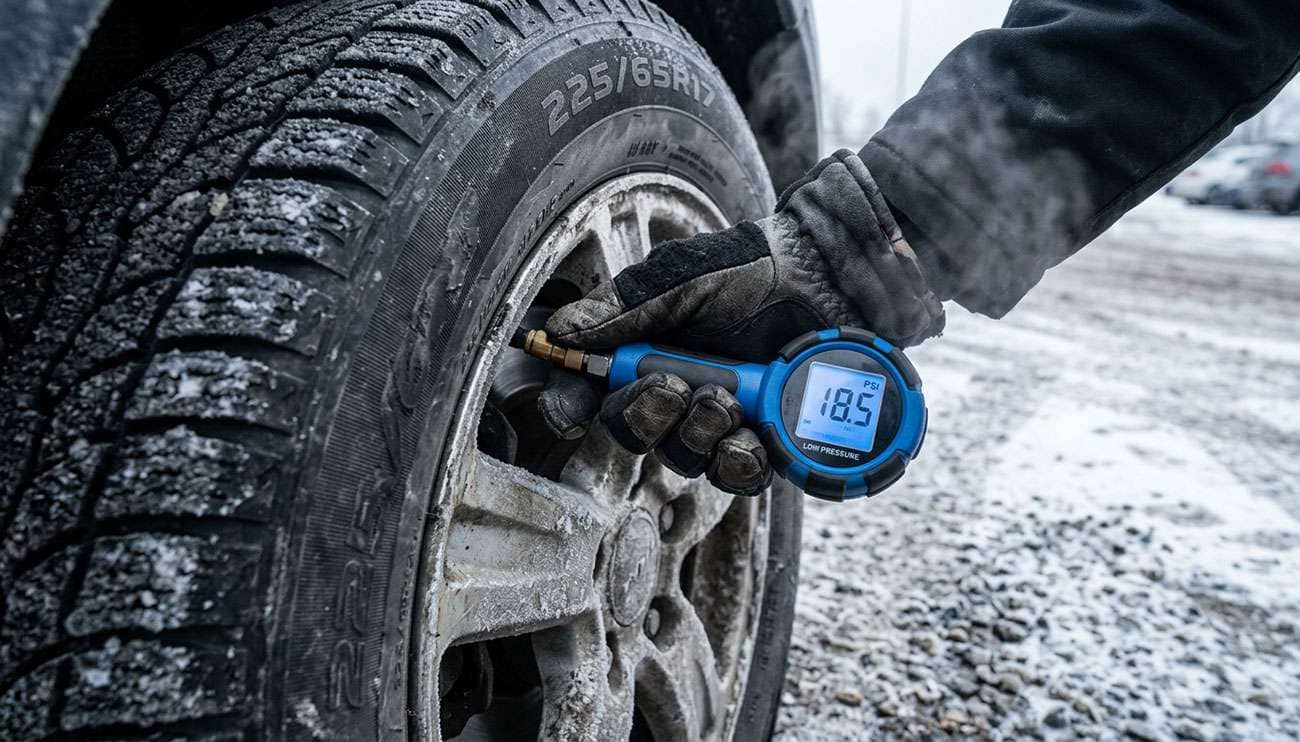
Cold weather causes tire pressure to drop predictably and substantially, and the resulting underinflation creates measurable safety, performance, and economic consequences that most drivers don't fully understand. The engineering principle behind the phenomenon is straightforward: air molecules in tires move slower at lower temperatures, exert less force against the tire walls, and produce reduced pressure readings on the gauge. The math is predictable — approximately 1 PSI of pressure drop for every 10°F decrease in ambient temperature, or roughly 2% of total pressure per 10°F change. The implications are not as predictable, because most drivers don't track their tire pressure across seasonal temperature swings.
The practical impact: a tire inflated to 35 PSI at 70°F autumn afternoon ambient temperature drops to approximately 30 PSI when the temperature falls to 20°F overnight in winter. That 5 PSI drop represents 14% below recommended pressure — well within the 20-25% threshold that triggers TPMS warning lights, and well within the range where measurable handling degradation, accelerated tire wear, and fuel economy losses begin. A tire inflated to 35 PSI in summer heat (90°F+) drops to 28-29 PSI by mid-winter (10-20°F), which is approximately 20% below recommended — TPMS warning territory and approaching genuinely unsafe operation.
This guide explains the physics, provides the specific measurement strategy that prevents cold-weather pressure problems, identifies the warning signs that demand action, and recommends specific tires where pressure management matters most. The data comes from Gay-Lussac's Law (the foundational gas physics principle), tire manufacturer engineering guidelines (Michelin, Bridgestone, Continental, Goodyear), and decades of accumulated cold-weather operating experience. Every recommendation is data-driven rather than rule-of-thumb estimation.
The headline rule for cold weather tire pressure:
Temperature Drop |
Pressure Drop (35 PSI start) |
TPMS Status |
Action Required |
|---|---|---|---|
10°F (70°F → 60°F) |
34 PSI (-1) |
Normal |
Note for next check |
20°F (70°F → 50°F) |
33 PSI (-2) |
Normal |
Check at next opportunity |
30°F (70°F → 40°F) |
32 PSI (-3) |
Approaching threshold |
Add air this week |
40°F (70°F → 30°F) |
31 PSI (-4) |
Likely triggered |
Add air immediately |
50°F (70°F → 20°F) |
30 PSI (-5) |
Triggered |
Add air immediately |
60°F (70°F → 10°F) |
29 PSI (-6) |
Triggered (well below) |
Add air immediately |
70°F (70°F → 0°F) |
28 PSI (-7) |
Triggered (well below) |
Add air immediately, safety risk |
The rule scales linearly: 1 PSI of pressure drop per 10°F of temperature decrease, or approximately 2% of total pressure per 10°F. A tire inflated to 40 PSI experiences slightly larger absolute drops (1.0-1.2 PSI per 10°F) due to the higher baseline pressure, but the proportional drop remains approximately 2%. The rule works in reverse too — temperatures rising 10°F adds approximately 1 PSI to the gauge reading.
Note that the rule applies to changes in ambient temperature, not changes between cold tires and warm-from-driving tires. Driving heats tires substantially (5-10 PSI increase typical) through friction with the road surface, but that's separate from the ambient temperature effect this rule addresses. Pressure measurements should be taken on cold tires (before driving or after sitting for 3+ hours) to get readings that reflect the ambient-temperature pressure rather than the heated-driving pressure.
The engineering principle behind cold-weather pressure drop is Gay-Lussac's Law, named after the French chemist Joseph Louis Gay-Lussac, who established the relationship between gas pressure and temperature in 1802. The law states that the pressure of a gas at constant volume is directly proportional to its absolute temperature.
The molecular mechanism: Air molecules inside a tire are in constant motion, striking the inner tire walls millions of times per second. The cumulative force of those impacts produces the pressure that the gauge measures. The speed of molecular motion is directly determined by temperature — warmer air molecules move faster, colder air molecules move slower. When ambient temperature drops, the molecules slow down, strike the inner walls with less force, and produce lower pressure readings on the gauge.
The mathematical formula: P1/T1 = P2/T2, where pressure and temperature must be in absolute units (Rankine for temperatures in Fahrenheit). Converting Fahrenheit to Rankine: add 459.67 to the Fahrenheit reading. Converting gauge PSI to absolute PSI: add 14.696 to the gauge reading. The math gets simpler with a working example: a tire inflated to 35 PSI at 70°F (529.67°R, 49.696 absolute PSI). When temperature drops to 20°F (479.67°R), the new pressure becomes 49.696 × (479.67/529.67) = 45.0 absolute PSI, which converts back to 30.3 gauge PSI. The 4.7 PSI drop matches the "approximately 1 PSI per 10°F" rule of thumb almost exactly.
The practical implication: Pressure drops are predictable and physics-based rather than indicating tire damage or air loss. A TPMS warning light triggered by a cold morning is most likely Gay-Lussac's Law at work, not a puncture or leak. The air hasn't escaped the tire — it has simply become denser and exerts less force against the tire walls.
This is why driving the vehicle for a few miles often extinguishes the TPMS warning light. The friction between tire and road generates heat, the air inside the tire warms up, the molecules speed up, the pressure rises, and the TPMS sensor reads normal pressure again. The light goes out not because the underlying pressure problem is solved, but because the driving has temporarily warmed the tires above the cold-soak temperature. Once the vehicle parks and the tires cool back to ambient temperature, the pressure drops again and the light may return on the next cold-start.
Tire Pressure Monitoring Systems (TPMS) have been federally required equipment on all new vehicles sold in the United States since September 2007, and they're the most visible indicator that something has changed with tire pressure.
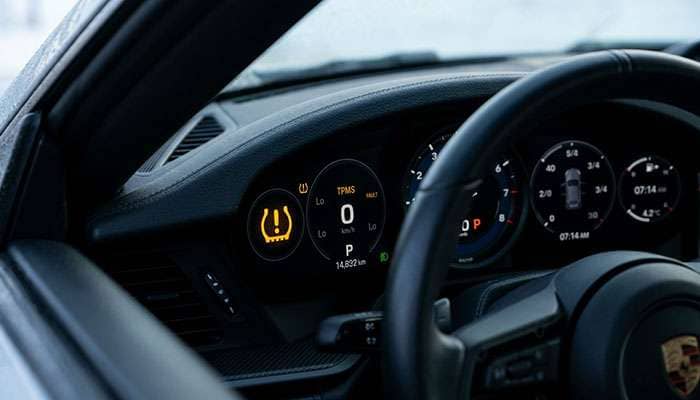
TPMS trigger threshold: Most TPMS systems are calibrated to illuminate the dashboard warning light when tire pressure drops 20-25% below the placard recommendation. For a vehicle with 35 PSI placard pressure, the warning typically triggers at 26-28 PSI. For a vehicle with 30 PSI placard pressure, the warning typically triggers at 23-24 PSI. The exact threshold varies by manufacturer and model — consult the owner's manual for the specific threshold on your vehicle.
The cold-morning trigger pattern: Many drivers experience the TPMS light illuminating consistently on cold mornings during fall and winter, then extinguishing within 5-15 minutes of driving. This pattern is the predictable result of Gay-Lussac's Law combined with driving-generated heat. The pressure on cold tires dropped below the TPMS threshold overnight; driving warmed the tires enough to push pressure back above the threshold and extinguish the light. The system isn't malfunctioning — it's accurately reporting a pressure problem that gets temporarily masked by driving heat.
What to do when TPMS triggers:
If the TPMS light remains illuminated after pressure check and adjustment, consult a tire professional. Persistent TPMS warnings after proper pressure adjustment indicate either a TPMS sensor problem (sensor battery typically lasts 5-10 years, then requires replacement) or an underlying tire problem that requires inspection. For deeper TPMS technical context, see our TPMS comprehensive guide.
All tire pressure specifications are based on cold-tire measurements, but most drivers don't fully understand what "cold tire" means in this context.
Definition of cold tire: A tire that hasn't been driven for at least 3 hours, allowing the temperature to equalize with ambient conditions. The 3-hour threshold ensures the tire has cooled completely from previous driving heat. Cold-tire measurement also implies the vehicle has not been parked in direct sunlight, which can warm the tire beyond ambient temperature even without driving. Garage-parked vehicles in winter typically equalize to garage temperature (which may be warmer or colder than outdoor ambient depending on heating).
Why cold-tire measurement matters: Driving heats tires through friction with the road surface, internal flexing of the tire structure under load, and engine heat radiating through the wheel wells. The heating effect is substantial — 5-10 PSI pressure increase is typical for tires driven 30+ minutes at highway speeds. If you measure pressure on warm tires from driving and adjust to placard specification, you'll end up with tires that are 5-10 PSI underinflated when they cool back to ambient temperature.
Practical cold-tire measurement strategy:
For owners who can only check pressure when warm tires are unavoidable (limited time, no morning routine), an acceptable workaround: add 5 PSI to the placard specification as a target for warm-tire measurement. A 35 PSI placard vehicle gets adjusted to 40 PSI when warm, which becomes approximately 35 PSI when cooled. This isn't ideal practice but produces better results than ignoring the warm-vs-cold distinction entirely.
The most effective cold-weather pressure management strategy uses planned seasonal adjustments rather than reactive responses to TPMS warnings.
Fall transition (September-November): Check tire pressure when ambient temperatures first drop into the 50°F range overnight. Pressure will likely be 2-3 PSI below summer measurements. Add air to placard specification to start winter with correctly inflated tires. Some drivers add an extra 2-3 PSI beyond placard as a preventive measure for cold weather operation — Mickey Thompson, Continental, and other manufacturers note this approach is acceptable practice, particularly for vehicles operating in regions with significant winter temperature swings.
Mid-winter check (December-February): Check pressure once per month during winter, more frequently in regions with significant temperature variability. Cold snaps that drop overnight temperatures 20-30°F below typical winter ambient can produce 2-3 PSI pressure drops within 24 hours. The TPMS warning light should not be the primary indicator — proactive checks prevent the underinflated operating periods that lead to accelerated wear and reduced fuel economy.
Spring transition (March-May): Check pressure when ambient temperatures consistently warm into the 60-70°F range. Pressure will likely have risen 3-5 PSI from mid-winter low readings. If you added extra PSI in fall as preventive measure, this is when to release that extra air back to placard specification. Failing to release the extra pressure produces overinflated tires in summer heat, which creates its own problems (harsh ride, accelerated center-tread wear, reduced wet traction).
Summer check (June-August): Check pressure monthly during summer. High ambient temperatures combined with driving heat can push tire pressure 5-10 PSI above cold-morning measurements. Don't bleed pressure when tires are warm — measure cold and adjust to placard specification.
The fundamental strategy: tire pressure is dynamic rather than static. Setting tire pressure once and expecting it to remain correct across seasonal temperature variations is unrealistic. Plan for quarterly major checks (fall transition, mid-winter, spring transition, summer) supplemented by monthly verification, and the cold-weather pressure problem essentially solves itself.
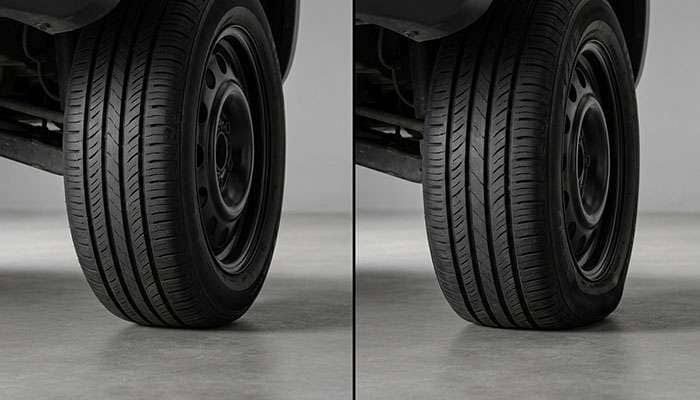
Underinflated tires in cold weather create five specific risks that compound the dangers already present in cold-weather operation.
1. Reduced traction on already-compromised winter surfaces. Cold-weather road conditions (wet, icy, snowy) already demand more from tires than warm dry conditions. Underinflated tires deform improperly under load, reducing the contact patch where rubber meets road and concentrating pressure on the tire's edges rather than the full tread width. The reduced effective contact patch combined with winter surface challenges produces stopping distances substantially longer than properly inflated tires would deliver.
2. Accelerated tire wear specifically on the shoulders. Underinflated tires wear faster on the outer edges (shoulders) of the tread because the tire deforms outward under load, putting more weight on the edges than the center. The shoulder wear pattern is visible after just a few hundred miles of significantly underinflated operation. Once shoulder wear starts, even returning to proper inflation doesn't reverse the damage — the worn shoulders remain worn, requiring earlier tire replacement.
3. Increased rolling resistance and reduced fuel economy. Underinflated tires deform more under load than properly inflated tires, which means more of the engine's power goes into deforming the tire rubber rather than moving the vehicle forward. The result is measurable fuel economy reduction — typically 1-3% per 5 PSI of underinflation. Across an entire winter season of consistently underinflated operation, this translates to 50-150 gallons of additional fuel consumption for typical driving patterns.
4. Heat buildup during driving. The deformation that causes rolling resistance also generates heat through friction within the tire structure. Underinflated tires run substantially hotter than properly inflated tires, which can lead to tire failure — particularly during extended highway driving where the heat doesn't dissipate quickly. Cold weather provides some compensating cooling, but the heat-related failure risk doesn't disappear in cold conditions.
5. Reduced sidewall integrity over time. Repeatedly running tires at significantly low pressures stresses the sidewall plies and bead area. The tire flexes more than designed at low pressures, and the repeated overflexing can produce sidewall damage that's invisible from the outside but compromises tire safety. Tires that have been driven extensively at very low pressures may show no visible damage but have internal structural compromise that becomes apparent only when the tire fails. For deeper context on the safety implications, see our proper tire pressure guide.
Five mistakes appear consistently in cold-weather pressure management.
1. Ignoring TPMS warnings as "just cold weather." The reasoning isn't entirely wrong — Gay-Lussac's Law does explain most cold-morning TPMS triggers. But "just cold weather" still means the tires are underinflated at the TPMS threshold (typically 20-25% below placard), and underinflated tires still create the risks covered above regardless of why the pressure is low. Address the pressure rather than dismissing the warning.
2. Inflating to maximum sidewall PSI instead of placard PSI. The pressure number molded into the tire sidewall (typically 44-51 PSI for passenger tires) is the maximum pressure the tire can safely hold, not the recommended pressure for your vehicle. The vehicle's tire placard (driver's door jamb, typically 30-36 PSI for passenger vehicles) is the manufacturer's recommended cold-tire pressure. Always inflate to placard specification, not sidewall maximum.
3. Measuring pressure when tires are warm from driving. Driving heats tires 5-10 PSI above cold-morning ambient pressure. Measuring after driving and adjusting to placard creates underinflated tires when they cool. Measure cold (3+ hours of no driving, vehicle out of direct sunlight) and adjust to placard at that time.
4. Adding nitrogen-filled tires to the "no maintenance needed" category. Nitrogen-filled tires do experience smaller seasonal pressure variations than air-filled tires (nitrogen molecules are larger and permeate the tire less readily). However, "smaller variation" doesn't mean "no variation" — nitrogen-filled tires still need seasonal pressure checks. The benefit is reduced check frequency, not eliminated check frequency.
5. Releasing pressure when tires read above placard on hot days. Tires warmed by hot pavement and ambient summer heat naturally read 3-7 PSI above their cold morning pressure. Releasing the warm pressure to bring tires back to "placard reading" creates underinflated tires when they cool back overnight. Always make pressure adjustments based on cold-tire measurements, not warm-tire measurements.
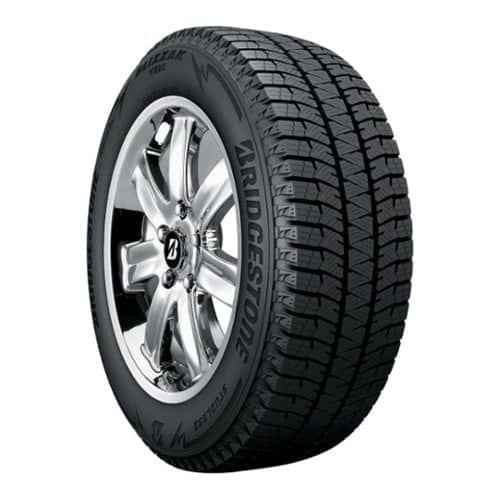
Category: Dedicated Winter / Studless Ice & Snow • Pressure Sensitivity: High • Cold Weather Use: Primary application
Dedicated winter tires operate in the temperature range where Gay-Lussac's Law has the largest practical impact, which makes cold-weather pressure management particularly important for Blizzak WS90 applications. The tire ships with manufacturer-specified placard pressures matching the vehicle application, and the winter operating environment (sustained sub-45°F temperatures) means pressure drops are continuous rather than just morning events. For Toyota Camry, Honda Accord, Hyundai Sonata, Toyota RAV4, and similar passenger car and crossover applications running dedicated winter tires through serious winter conditions, monthly pressure checks during the winter operating period are essential rather than optional.
The NanoPro-Tech multi-cell compound and aggressive tread pattern that produce the WS90's exceptional ice and snow traction work properly only when the tire is correctly inflated. Underinflated Blizzak tires deform improperly, reduce the contact patch, and compromise the snow grip that justifies the seasonal tire investment. Browse Bridgestone Blizzak WS90 sizes.
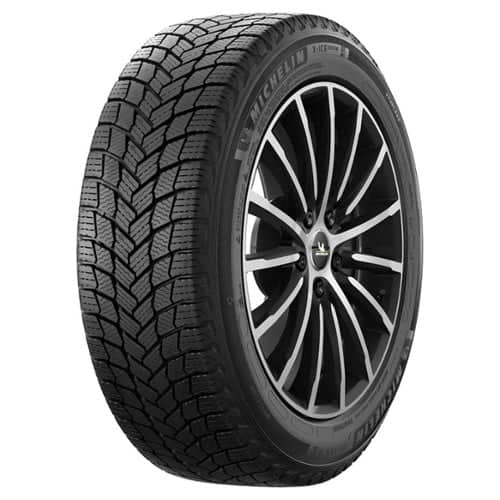
Category: Premium Winter / Studless Ice & Snow • Pressure Sensitivity: High • Cold Weather Use: Primary application
The Michelin X-Ice Snow brings premium engineering to the winter tire category, which makes pressure management equally important for protecting the tire investment and the performance characteristics that justified the premium pricing. The Flex-Ice 2.0 compound stays pliable in extreme cold but still requires proper inflation to deliver the engineering benefits Michelin built into the design. For BMW, Mercedes-Benz, Audi, Lexus, and similar luxury sedan applications running X-Ice Snow through winter, the pressure management strategy needs to match the tire's premium positioning — monthly checks at minimum, more frequent during major cold snaps.
The X-Ice Snow also delivers longer tread life than typical winter tire alternatives (approximately 8,000 miles longer than the previous X-Ice Xi3 generation), which means more total seasons of service from each set — and more total time during which pressure management discipline pays dividends. Browse Michelin X-Ice Snow sizes.
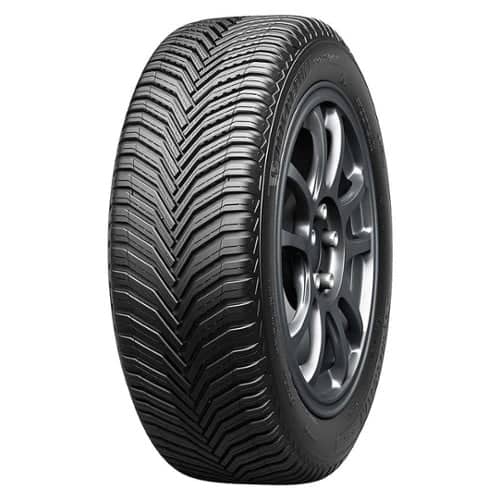
Category: Grand Touring All-Season (3PMSF Rated) • Pressure Sensitivity: Standard • Cold Weather Use: Year-round including winter
The Michelin CrossClimate2 occupies a unique position relative to cold-weather pressure management: it's an all-season tire used year-round through winter conditions rather than being swapped seasonally. This year-round use means pressure management discipline matters across the full annual temperature swing rather than just during dedicated winter periods. CrossClimate2 owners experience the full 50-70°F seasonal temperature variation, which translates to 5-7 PSI pressure swings between summer high readings and winter low readings.
For drivers in transitional climate zones (Pacific Northwest, mid-Atlantic, parts of California mountain regions) running CrossClimate2 year-round, the seasonal pressure adjustment strategy from fall (add air) through spring (release air) becomes the standard tire maintenance pattern. The 3PMSF certification means winter performance matters meaningfully to the tire's design intent — and that performance depends on proper inflation through the cold months. Browse Michelin CrossClimate2 sizes.
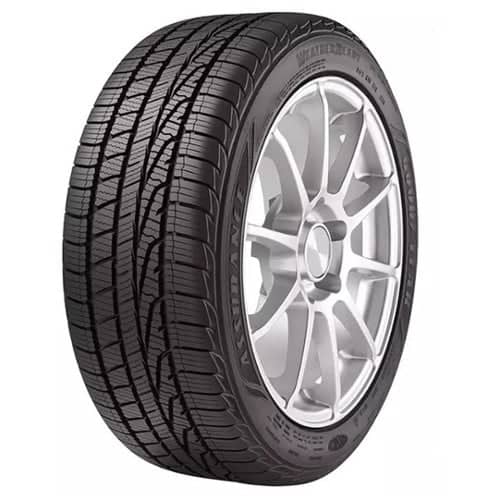
Category: Grand Touring All-Season (3PMSF Rated) • Pressure Sensitivity: Standard • Cold Weather Use: Year-round including winter
The Goodyear Assurance WeatherReady is the value-tier alternative to the CrossClimate2 in the 3PMSF all-weather category, and the cold-weather pressure considerations are essentially identical. Year-round use through winter conditions demands seasonal pressure adjustment strategy. The Soybean Oil-infused tread compound stays pliable in cold conditions, which combines with proper inflation to deliver the winter capability that 3PMSF certification implies.
For Honda Accord, Toyota Camry, Subaru Outback, Honda CR-V, Toyota RAV4, Mazda CX-5, and similar mainstream applications running Assurance WeatherReady year-round, monthly pressure checks during winter operation prevent the cumulative effects of underinflated cold-weather driving. The tire typically prices 15-25% below the CrossClimate2 at equivalent sizes, which makes the pressure management value proposition particularly important — protecting a value-tier tire from premature replacement through underinflated operation. Browse Goodyear Assurance WeatherReady sizes.
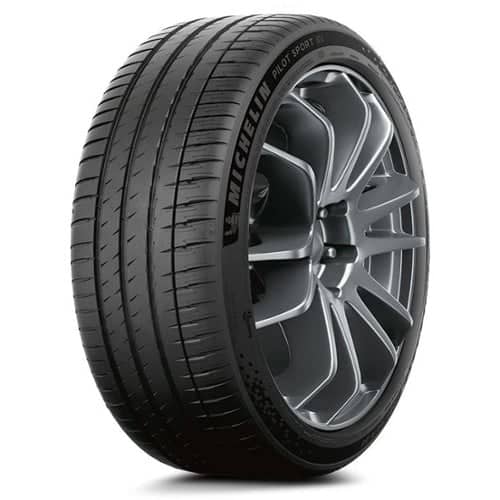
Category: EV-Specific Ultra-High Performance • Pressure Sensitivity: Very High • Cold Weather Use: Year-round on EVs in cold climates
EV-specific tires deal with two cold-weather pressure factors that make management more important than typical applications: substantially higher vehicle weight from battery packs (800-1,500+ pounds heavier than equivalent ICE vehicles) and instant torque delivery that loads tires more aggressively at launch. The combination means underinflated EV tires deform more severely under load and generate more heat than underinflated tires on conventional vehicles. Cold-weather pressure drops on EVs translate to more substantial operating consequences than on equivalent ICE applications.
The Michelin Pilot Sport EV is engineered specifically for the load and torque characteristics of high-performance EV applications (Tesla Model 3 Performance, Tesla Model Y Performance, BMW i4 M50, Mercedes-Benz EQS, Lucid Air, and similar premium EV applications). The reinforced sidewall construction provides additional structural support for the EV load profile, but proper inflation remains essential for the engineering to work as designed. Tesla Model Y owners typically replace tires at 20,000-25,000 miles versus 35,000-45,000 for equivalent ICE crossovers — managing cold-weather pressure prevents the additional wear acceleration that underinflated operation would produce. Browse Michelin Pilot Sport EV sizes.
Season |
Check Frequency |
Trigger Events |
Action Pattern |
|---|---|---|---|
Fall (September-November) |
Monthly + at first frost |
Overnight 50°F dips, first freeze, TPMS warnings |
Add air to placard, consider preventive +2-3 PSI |
Winter (December-February) |
Monthly + at cold snaps |
20-30°F overnight drops, TPMS warnings |
Verify placard pressure, add air as needed |
Spring (March-May) |
Monthly + at first warm spell |
Sustained 60-70°F days, preventive PSI removal |
Release preventive air, verify placard |
Summer (June-August) |
Monthly |
Sustained 90°F+ ambient, road trip preparation |
Measure cold tires, adjust to placard |
Transitional weeks |
Weekly during 20°F+ swings |
Major temperature shifts in either direction |
Adjust as needed to match seasonal pattern |
The schedule scales with climate variability. Drivers in regions with stable temperatures throughout the year (much of California, Florida, Arizona) can extend the check intervals beyond monthly without meaningful risk. Drivers in regions with major temperature swings (Northeast, Midwest, Mountain West) benefit from tighter check schedules and proactive seasonal adjustments. The check itself takes 5 minutes per vehicle if you have a quality gauge and an air source available.
Tire |
Category |
Pressure Sensitivity |
Best For |
|---|---|---|---|
Bridgestone Blizzak WS90 |
Dedicated Winter |
High |
Severe winter applications |
Michelin X-Ice Snow |
Premium Winter |
High |
Luxury vehicle winter applications |
Michelin CrossClimate2 |
All-Weather (3PMSF) |
Standard |
Year-round including winter |
Goodyear Assurance WeatherReady |
All-Weather (3PMSF) |
Standard |
Year-round value alternative |
Michelin Pilot Sport EV |
EV-Specific Ultra-High Performance |
Very High |
Performance EV applications |
Tire pressure drops approximately 1 PSI for every 10°F decrease in ambient temperature, or approximately 2% of total pressure per 10°F change. A tire inflated to 35 PSI at 70°F summer temperature drops to approximately 30 PSI at 20°F winter temperature — a 5 PSI loss representing roughly 14% below recommended pressure. The relationship is predictable physics (Gay-Lussac's Law) rather than tire damage or air leakage. The same effect works in reverse — warming temperatures restore some of the pressure lost in cold conditions. Drivers in regions with major seasonal temperature swings (Northeast, Midwest, Mountain West) typically experience 5-7 PSI seasonal variation between summer high and winter low pressure readings on the same tires.
The TPMS warning light typically illuminates when tire pressure drops 20-25% below the placard recommendation. Overnight cold temperatures cause tire pressure to drop predictably (Gay-Lussac's Law), and the drop can push pressure below the TPMS threshold. The light extinguishing after 5-15 minutes of driving is also predictable — friction heating from driving raises tire temperature, increases internal pressure, and pushes the reading back above the TPMS threshold. The cycle repeats every cold morning until you add enough air to raise the cold-tire pressure above the TPMS threshold even on the coldest expected mornings. The fix: check cold-tire pressure with a quality gauge and add air to placard specification. Some drivers add 2-3 PSI above placard as preventive measure for cold-weather operation, which is acceptable practice.
Adding 2-3 PSI above placard specification at the start of winter is acceptable practice and addresses the typical cold-weather pressure drop without exceeding safe operating ranges. This preventive approach prevents the cycle of cold-morning TPMS triggers and provides margin for unexpected cold snaps. Continental Tires, Bridgestone, and other manufacturers note this approach is appropriate for vehicles operating in regions with significant winter temperature swings. The key constraint: don't exceed the maximum pressure molded into the tire sidewall (typically 44-51 PSI for passenger tires). Most vehicles with 32-36 PSI placard specifications can safely run 35-39 PSI as winter preventive measure. Release the extra air during spring transition when temperatures consistently warm into the 60-70°F range — leaving preventive winter air in summer creates overinflated tires that wear improperly (center-tread wear) and ride harshly.
Yes, meaningfully more dangerous than underinflated tires in summer conditions. Three factors compound the risk. First, winter road surfaces (wet, icy, snowy) already demand more from tires than warm dry conditions — underinflated tires further compromise the contact patch where rubber meets road, increasing stopping distances and reducing cornering grip. Second, underinflated tires generate heat through internal flexing, and while cold ambient provides some cooling, extended highway driving on significantly underinflated tires can still produce dangerous heat buildup. Third, the combination of reduced contact patch and any winter weather event (sudden snow, black ice, slush) produces handling characteristics that may exceed the driver's ability to control. The combined risk is substantial — drive on placard-pressure tires through winter conditions, address any TPMS warnings promptly, and check pressure proactively rather than waiting for warnings.
Monthly pressure checks at minimum during winter operating periods, with more frequent checks during major cold snaps. The check itself takes 5 minutes per vehicle with a quality gauge — set a recurring monthly reminder (first day of each month works well) and verify all four tires plus the spare. Some specific events warrant out-of-cycle checks: any TPMS warning, any cold snap that drops overnight temperatures 20-30°F below typical winter ambient, any unusual handling (vibration, pulling, soft response), and before any extended winter driving trip. Drivers in stable winter climates (much of California valleys, Pacific Northwest coastal regions) can extend to bi-monthly checks. Drivers in regions with major temperature variability (Northeast, Midwest, Mountain West) benefit from bi-weekly checks during peak winter months.
Nitrogen-filled tires reduce but don't eliminate cold-weather pressure variations. Nitrogen molecules are larger than oxygen and water vapor molecules, which means nitrogen permeates the tire material more slowly. This produces two benefits: less natural pressure loss over time (typically 0.3-0.5 PSI per month versus 1 PSI per month for air-filled tires) and slightly smaller seasonal temperature-related pressure variations. However, the Gay-Lussac's Law relationship between gas temperature and pressure applies to nitrogen just as it applies to air — nitrogen-filled tires still experience pressure drops in cold weather, just somewhat smaller than air-filled tires would experience under the same conditions. Don't treat nitrogen-filled tires as "no maintenance needed" — they still require seasonal pressure checks, just slightly less frequently. The cost-benefit of nitrogen filling is real but modest, particularly for typical driving applications.
The recommended tire pressure is on the vehicle's tire information placard, typically located on the driver's door jamb (the metal frame visible when the door is open) or inside the driver's door itself. The placard lists the manufacturer's recommended cold-tire pressure for the original equipment tire size — typically 30-36 PSI for passenger vehicles, 35-40 PSI for light trucks and SUVs, and higher pressures for heavy-duty applications. The placard pressure is the correct specification regardless of which tire brand you have installed, as long as the tire size matches the original specification. If you've changed tire sizes from original (plus-size wheels, off-road tires, performance tires), the appropriate pressure may differ from the placard recommendation — consult your tire dealer for the correct specification. Never use the pressure number molded into the tire sidewall — that's the maximum the tire can safely hold, not the vehicle's recommended pressure. For more detail, see our guide on finding your recommended tire pressure.
Driving warms tires 5-10 PSI above their cold morning pressure through friction with the road surface, and this temporary warming can push cold-tire pressure back above the TPMS threshold and extinguish the warning light. However, the underlying pressure problem hasn't been solved — once you park and the tires cool back to ambient temperature, pressure drops again and the TPMS warning will likely return on the next cold start. Additionally, short commutes in extreme cold may not generate enough heat to push pressure back into proper range, leaving the tires running underinflated even while driving. The correct response to cold-weather TPMS warnings is adding air to placard specification (measured on cold tires), not relying on driving heat to mask the pressure problem. Driving on underinflated tires waiting for them to "warm up" produces accelerated wear and reduced fuel economy during the time they're operating below proper pressure.



