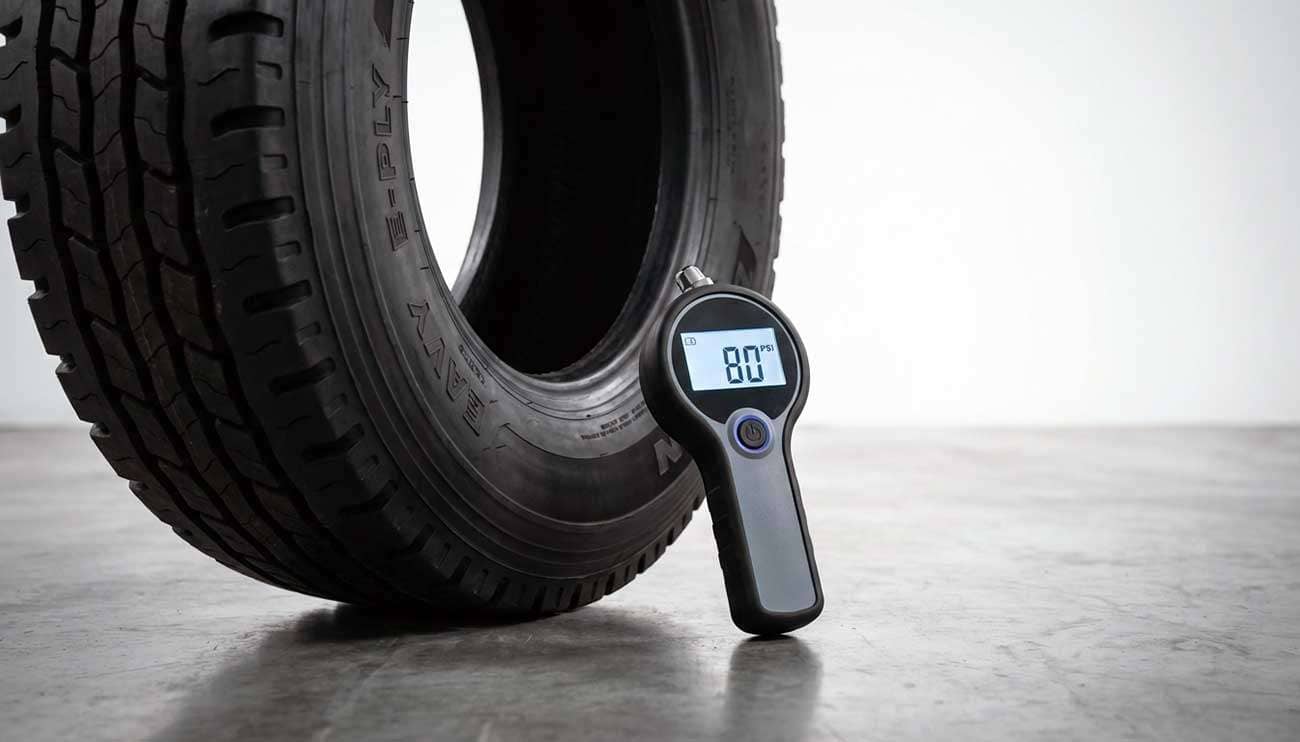
Tire E Load Rating stands among the strongest durability ratings you'll find for standard consumer vehicles. These heavy-duty tires feature reinforced internal construction designed to handle higher air pressures and significantly heavier loads. When properly inflated, Load Range E tires can support an impressive 3,000–3,750 pounds per tire.
E-rated tires deliver exceptional strength that becomes immediately apparent when you examine any tire load rating chart. These tires carry a 10-ply equivalent rating, but here's what you need to understand - they don't actually contain 10 layers of material. Modern tire construction achieves equivalent strength to traditional 10-ply design through advanced engineering. E load range tires operate at maximum pressures of 80 PSI (550 kPa), making them the go-to choice for demanding applications like tow trucks, delivery vehicles, and school buses.
Understanding tire load ratings becomes crucial when your vehicle handles serious weight or towing duties. We'll walk you through the weight capacity limits, show you how E-rated tires compare with other load ranges, and help you decide whether these heavy-duty options match your vehicle's needs. Whether you're hauling heavy loads regularly or simply want to decode those sidewall markings, this guide provides the essential knowledge you need to make the right tire choice.
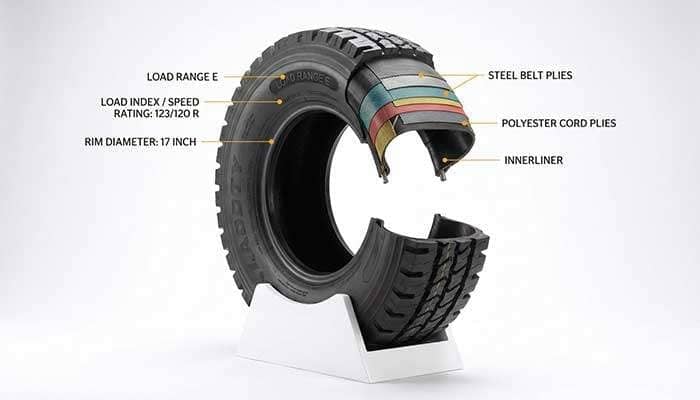
Load range E represents a specific tire rating that indicates maximum load capacity and durability levels. These tires serve vehicles that require higher load-carrying capabilities, particularly heavy-duty trucks and commercial applications.
Load range E occupies the middle position in the tire load rating chart, delivering more strength than C and D ratings while remaining below F and H options. This classification directly correlates to a tire's weight-handling ability at specific inflation pressures. Load range E specifically designates that a single tire can handle approximately 1,520 pounds at 80 PSI. The rating system evolved from older "ply rating" designations to provide standardized weight capacity information across tire manufacturers.
E-rated tires are commonly called "10-ply tires," yet this terminology requires clarification. Most modern E-rated tires actually contain only 1-2 physical plies that deliver strength equivalent to traditional 10-ply construction. Tire technology has advanced significantly, allowing manufacturers to achieve greater strength with fewer material layers.
The "10-ply" designation serves primarily as a reference to historical tire construction standards. Today, the term indicates the tire's strength category rather than actual internal structure. This equivalent strength rating ensures all tires with an E designation offer comparable load-carrying abilities regardless of their specific construction methods.
E-rated tires operate at significantly higher pressures than standard passenger tires. The 80 PSI maximum inflation standard enables load range E tires to handle their full weight capacity safely. Standard passenger tires typically operate at 35-40 PSI, while load range C tires run at 50 PSI and load range D at 65 PSI.
Proper inflation becomes critical with E-rated tires because load capacity connects directly to correct pressure levels. Operating these tires below recommended pressure drastically reduces weight-carrying abilities and can cause premature wear or failure.
Looking for quality E-ply rated tires for your heavy-duty vehicle? Find the best selection of E-ply rated tires to ensure your vehicle maintains optimal performance and safety under heavy loads.
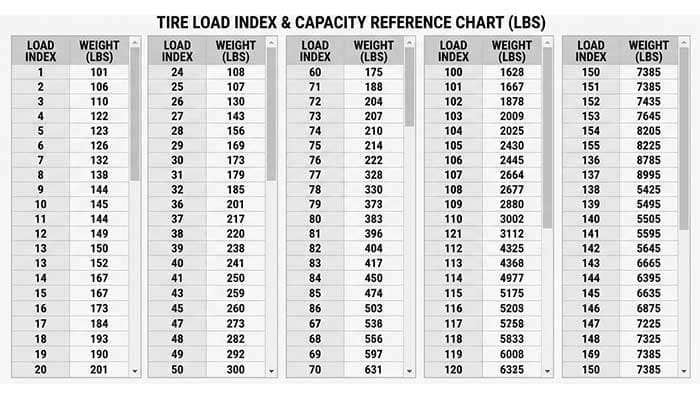
Weight capacity becomes the deciding factor when you're hauling heavy loads or towing regularly. E-rated tires deliver substantial load-bearing capabilities that far exceed what standard passenger tires can handle.
Load Range E tires handle serious weight. Each tire supports between 3,042-3,640 pounds when properly inflated to their recommended pressure. Some manufacturers push this range even higher, up to 3,750 pounds per tire. This robust capacity means vehicles equipped with these tires maintain stability even under demanding load conditions.
The actual weight capacity depends on your specific tire size and model. Maximum capacity only happens when tires reach their full 80 PSI rating. Drop below recommended pressure and you significantly reduce their weight-carrying abilities.
Two different rating systems work together to tell the complete story:
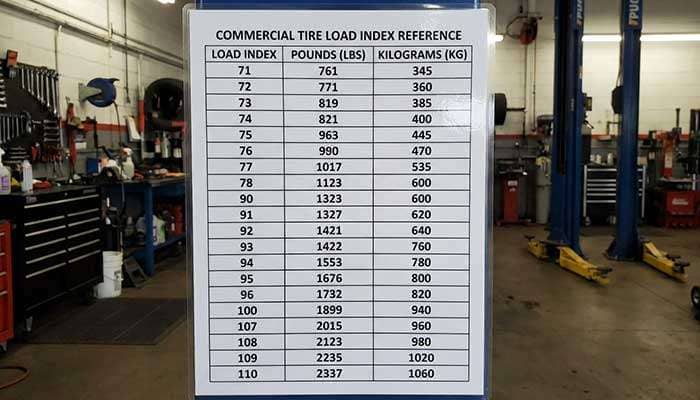
Load Index: A numerical code showing the maximum weight a tire can support when properly inflated. You'll find this index on the tire sidewall, and it corresponds directly to specific weight capacity in pounds or kilograms.
Load Range: Shows the tire's construction strength and maximum inflation pressure. This system evolved from older "ply ratings" and uses letters (B through F for consumer vehicles).
Your tire can have both a load index number and an E load range designation because they measure different aspects of tire capability.
E-rated tires sit right in the middle of heavy-duty options when you compare different load ranges:
Load Range |
Ply Rating |
Max PSI |
Weight Capacity |
|---|---|---|---|
C |
6 |
50 |
1,820-2,470 lbs |
D |
8 |
65 |
2,540-3,040 lbs |
E |
10 |
80 |
3,042-3,640 lbs |
F |
12 |
95 |
3,750-4,480 lbs |
For vehicles regularly carrying heavy loads, find the best selection of E-ply rated tires to ensure optimal performance and safety.
Choosing the right tire rating for your vehicle comes down to matching capabilities with actual needs. E-rated tires excel in specific applications, but they're not the best choice for every truck owner.
E-rated tires serve heavy-duty applications where substantial load capacity is non-negotiable. Three-quarter ton and one-ton pickup trucks that regularly tow trailers or haul heavy payloads rely on these tires as standard equipment. Commercial operations including delivery trucks, tow trucks, stake beds, and school buses depend on this robust tire classification for daily reliability. Large SUVs and full-sized vans designed for transporting multiple passengers or heavy cargo also utilize E-rated tires for enhanced stability and durability under load. Trailers carrying heavy equipment or livestock require the structural integrity that only E-rated tires can provide.
Half-ton truck owners with light towing needs should think carefully before choosing E-rated tires. Your daily commute with occasional light cargo typically doesn't justify the extra expense and ride quality compromise. Forum discussions consistently show lighter truck owners regretting the unnecessarily stiff ride that E-rated tires deliver. However, if you regularly approach your truck's maximum payload or tow substantial weight, the enhanced stability and durability become worth the tradeoffs.
E-rated tires bring significant drawbacks that affect daily driving. Each tire weighs 10-15 pounds more than standard alternatives, which hurts acceleration, extends braking distances, and reduces handling responsiveness. The stiffer sidewalls transmit more road vibration directly into the cabin, creating a noticeably harsher ride. Fuel economy typically drops 1-2 MPG compared to standard tires. Trucks not originally designed for such heavy-duty tires may experience faster wear on suspension components and bearings due to increased unsprung weight.
Need tires that match your vehicle's requirements? Find the best selection of E-ply rated tires to ensure optimal performance under heavy loads.
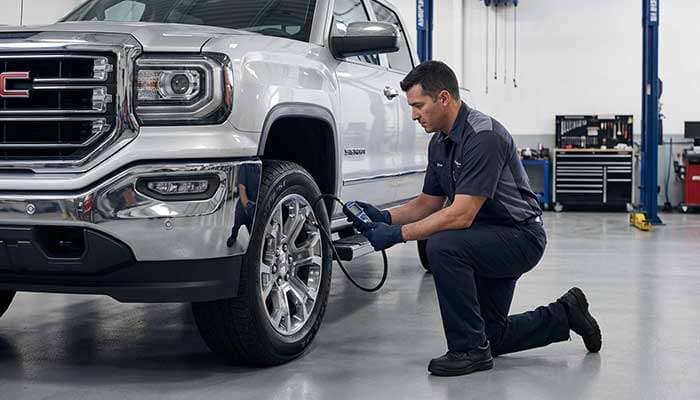
Proper inflation represents the most critical factor for getting maximum performance and longevity from your E-rated tires. Finding the right pressure balance ensures both safety and comfort for your specific driving needs.
Running E-rated tires at 40 PSI creates ongoing debate among truck owners. Some drivers report acceptable performance at 40-45 PSI for unloaded trucks, but tire experts typically recommend minimum pressures of 50 PSI even when unloaded. Dropping below 45 PSI causes excessive sidewall flexing that can lead to premature sidewall breakdown, irregular wear patterns, and even structural failure over time.
E-rated tires deliver a notably firmer ride compared to passenger-rated options. At manufacturer-recommended pressures, this firmness can feel excessive, especially in half-ton trucks. Many owners reduce pressure slightly to improve comfort, accepting the trade-off against optimal load capacity.
Fuel economy factors into this equation as well. Underinflated tires increase rolling resistance, which can reduce gas mileage. However, overinflation improves fuel economy slightly while reducing traction through decreased contact patch area.
Check pressure when tires are "cold" - driven less than one mile. Expect normal pressure increases of up to 8 PSI during operation due to heat buildup. Tires naturally lose 1-2 PSI monthly through normal permeation.
For optimal performance, try this "heat test" - measure cold pressure, drive 15 minutes at highway speeds, then recheck. Pressure increases exceeding 10% indicate potential underinflation requiring adjustment.
Load Range E tires serve a specific purpose in the tire market - supporting heavy loads when standard options fall short. These tires deliver the strength needed for demanding applications, supporting 3,000-3,750 pounds per tire at their maximum 80 PSI rating.
The "10-ply" rating you see on E-rated tires represents strength equivalency, not actual construction layers. Modern tire engineering achieves this durability with just 1-2 physical plies, proving how far tire technology has advanced.
These heavy-duty tires excel when matched to the right applications. Three-quarter ton trucks, one-ton pickups, commercial vehicles, and heavy trailers benefit significantly from their robust load capacity. However, they're not the right choice for every truck owner. Half-ton truck drivers who primarily commute or carry light loads will find E-rated tires create a harsher ride and reduce fuel economy without providing necessary benefits.
Consider the trade-offs carefully. E-rated tires add 10-15 pounds per tire, affect vehicle handling, and typically reduce fuel economy by 1-2 MPG. The stiffer sidewalls also transmit more road vibration into the cabin.
Proper inflation remains critical for getting the most from these tires. While some drivers lower pressure for comfort, maintaining at least 50 PSI even when unloaded prevents sidewall damage and premature wear.
Your specific needs should drive your tire decision. If you regularly approach your vehicle's maximum payload or tow heavy loads, E-rated tires provide essential safety margins and durability. For daily commuting with occasional light hauling, standard load range options offer better comfort without sacrificing necessary performance.
Match your tire choice to your actual driving demands rather than assuming stronger is always better. With the knowledge from this guide, you can select the load range that best serves your vehicle and driving requirements.
Understanding Load Range E tires is crucial for anyone operating heavy-duty vehicles or hauling substantial loads. Here are the essential insights every driver should know:
• Load Range E tires support 3,000-3,750 pounds per tire at 80 PSI, making them ideal for ¾-ton trucks, commercial vehicles, and heavy towing applications.
• The "10-ply" rating refers to strength equivalency, not actual construction—modern E-rated tires use 1-2 physical plies with equivalent durability.
• E-rated tires may be overkill for half-ton trucks used primarily for commuting, causing firmer ride quality and 1-2 MPG fuel economy reduction.
• Maintain minimum 50 PSI even when unloaded to prevent sidewall damage—running below 45 PSI risks premature tire failure and irregular wear patterns.
• Choose E-rated tires only if you regularly approach maximum payload capacity or tow heavy loads; otherwise, standard load ranges offer better comfort and efficiency.
The key is matching your tire choice to your actual driving needs rather than assuming "stronger is always better." Proper inflation and understanding your vehicle's requirements will ensure optimal performance, safety, and longevity from whichever load range you select.
Load Range E tires generally have a weight capacity between 3,000 to 3,750 pounds per tire when properly inflated to their maximum pressure of 80 PSI.
While Load Range E tires are often referred to as "10-ply," most modern E-rated tires actually contain only 1-2 physical plies. The "10-ply" designation refers to their strength equivalency rather than actual construction.
Running Load Range E tires at 40 PSI is not recommended. Tire experts generally suggest maintaining at least 50 PSI even when unloaded to prevent excessive sidewall flexing and premature wear.
Load Range E tires are commonly used on ¾-ton and 1-ton pickup trucks, commercial vehicles like delivery trucks and school busses, and trailers that regularly carry heavy loads or tow substantial weight.
The primary drawbacks of Load Range E tires include a firmer ride quality, slightly reduced fuel economy (typically 1-2 MPG), and increased vehicle weight which can affect acceleration and handling. They may also be unnecessary for vehicles that don't regularly carry heavy loads.