
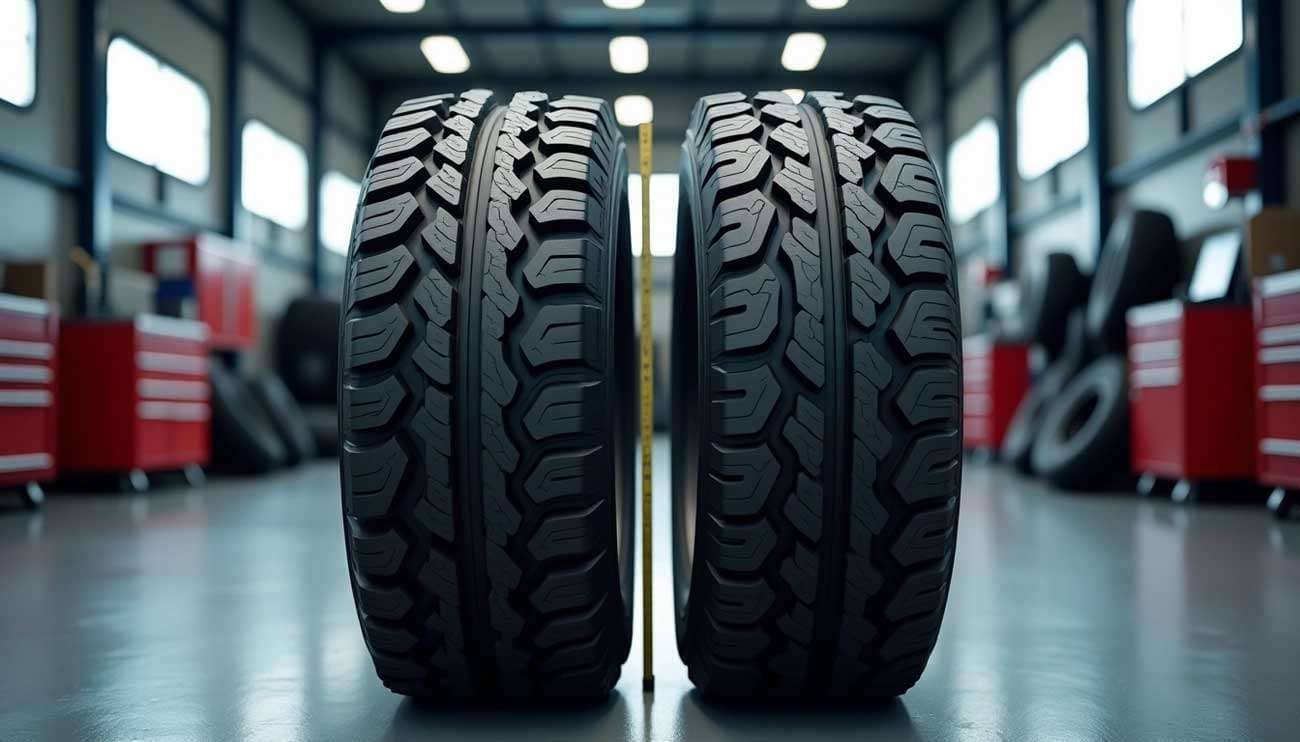
Truck tire load capacity can make or break your hauling success. 10 ply vs 12 ply tires deliver drastically different weight-carrying abilities – a 10-ply tire (Load Range E) handles 3,000 to 3,500 pounds per tire, while a 12-ply tire (Load Range F) manages over 4,000 pounds per tire. This substantial gap in capacity makes ply rating one of the most crucial decisions for truck owners who tow heavy trailers or haul serious loads.
Modern tire construction has evolved beyond simple fabric layers. Today's tires typically contain just 2-3 actual body plies, yet the load rating system remains the gold standard for measuring tire strength and carrying capacity. The "ply rating" now represents equivalent strength rather than physical layer count. Load Range E (10-ply rated) serves as the workhorse for heavy-duty pickups pulling RVs, horse trailers, or construction equipment. Load Range F (12-ply rated) steps up the game for the most demanding applications.
Your hauling needs determine the right choice. Daily work trucks carrying construction materials require different tire capabilities than weekend RVs hitting the highway occasionally. We'll guide you through the key differences between 10 ply and 12 ply tires so you can select the perfect match for your truck's specific demands.
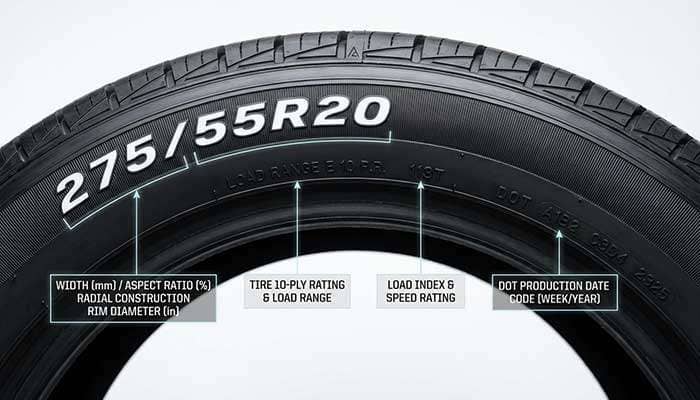
Understanding tire ply ratings is essential before selecting the right tires for your truck. The tire industry has dramatically changed how these ratings work over the decades, moving from literal ply counts to standardized strength measurements that help truck owners make informed decisions.
Back in the early days, "ply" meant exactly what it said - the actual number of cotton fabric layers built into a tire. More layers equaled stronger tires. That straightforward system changed completely with modern tire technology. Today's ply rating serves as a standardized strength measurement rather than counting actual physical layers.
Advanced materials like steel belts and synthetic fabrics deliver superior strength with fewer actual layers. When you see "10-ply rated" on a modern tire, it doesn't contain ten physical plies but matches the strength that a traditional 10-ply cotton tire provided decades ago.
Modern tire construction uses materials like polyester, steel, and nylon - substantially stronger than the cotton fibers used in earlier decades. Today's tires typically contain just 2-3 actual body plies yet deliver the same performance as older multi-ply designs.
Manufacturers adopted "ply rating" and "Load Range" designations to describe tire strength rather than counting physical layers. This shift reflects major advancements in tire technology and materials science. The rating system provides a reliable way to compare tire strength across different brands and construction methods.
Load Range E (10-ply equivalent) tires operate at a maximum inflation pressure of 80 PSI and serve as the standard for full-size trucks used for heavy towing. Load Range F (12-ply equivalent) tires handle up to 95 PSI and appear most commonly on commercial trucks and larger trailers. Load Range F tires must also pass more rigorous testing requirements for endurance and high-speed performance.
Load Range |
Ply Rating |
Maximum PSI |
Typical Use |
|---|---|---|---|
B |
4-ply |
35 PSI |
Light passenger vehicles |
C |
6-ply |
50 PSI |
Small SUVs, light trucks |
D |
8-ply |
65 PSI |
Heavier trucks, some trailers |
E |
10-ply |
80 PSI |
Full-size trucks, heavy towing |
F |
12-ply |
95 PSI |
Commercial trucks, larger trailers |
G |
14-ply |
110 PSI |
Heavy-duty commercial use |
When comparing 10 ply vs 12 ply tires, load capacity, inflation pressure, and intended application create the primary differences. These factors directly affect performance and safety when your truck is hauling or towing heavy loads.
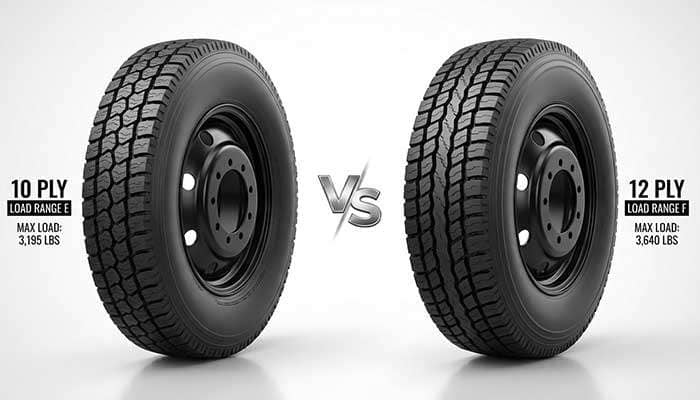
Selecting the right tire ply rating affects everything from your truck's performance to your wallet. These differences become critical when you're pushing your vehicle's limits or seeking optimal comfort for daily driving.
Load Range E (10-ply) tires support 3,000 to 3,500 pounds per tire, handling most towing and hauling tasks with confidence. Load Range F (12-ply) tires step up to manage over 4,000 pounds per tire, providing the extra muscle needed for commercial applications or maximum-capacity loads.
Daily driving comfort varies significantly between these options. 10-ply tires offer a smoother, quieter ride experience thanks to their softer construction that absorbs road imperfections. 12-ply tires prioritize load stability over comfort, featuring stiffer sidewalls that excel during cornering with heavy loads but deliver a firmer, sometimes harsher ride.
Your fuel costs will feel the difference. 10-ply tires' lighter construction can improve gas mileage, especially when running unloaded. Truck owners switching from 12-ply to 10-ply often notice better fuel economy. The added weight of 12-ply tires increases rolling resistance, potentially reducing efficiency.
When it comes to toughness, 12-ply tires take the lead in puncture resistance. Their additional construction provides superior protection against sharp objects, bulges, and stress-related blowouts. These tires are engineered specifically for extreme conditions while maintaining longevity. Both options offer good durability, but 12-ply excels in harsh environments.
Budget considerations play a major role. 10-ply tires cost less upfront than their 12-ply counterparts. With proper maintenance, 10-ply tires typically deliver 40,000-80,000 miles of service. The higher purchase price of 12-ply tires reflects their superior strength and load capacity, potentially offering better value for heavy-duty applications where durability matters most.
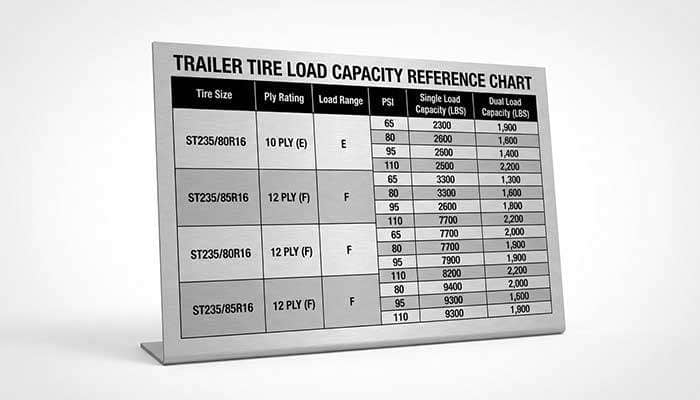
Your vehicle's typical usage pattern determines the right ply rating choice. We'll help you match your specific needs with the ideal tire strength.
Daily drivers and moderate haulers benefit most from 10-ply tires (Load Range E). These deliver comfortable rides with better fuel efficiency for light trucks, SUVs, and vans handling average loads. Heavy haulers and commercial operators need the maximum strength of 12-ply tires (Load Range F) for consistent demanding applications.
Weight determines your RV tire choice. Light to moderate towing RVs or trailers works perfectly with 10-ply capacity. Heavy-duty RVs, horse trailers, or construction equipment require 12-ply stability and safety margins that handle over 4,000 pounds per tire.
Off-road enthusiasts value higher ply ratings for stronger sidewalls and puncture resistance. However, stiffer 12-ply tires can reduce traction when aired down for sand or mud conditions. Highway driving favors 10-ply tires for superior ride quality and fuel economy.
Light-duty applications don't benefit from 12-ply overkill. The extra weight hurts fuel economy while providing a stiffer ride without meaningful advantages for vehicles that don't need the additional capacity.
Ready to find tires that match your hauling demands? These proven performers deliver the strength and reliability you need for serious truck applications.
The Wrangler Duratrac handles dual-duty trucks that tow heavy and tackle tough terrain. TractiveGroove Technology and self-cleaning shoulder blocks keep you moving through mud and snow. At $263.53 per tire, you get proven off-road capability plus towing strength for trailers up to 13,000 pounds.
Longevity meets performance with the Defender LTX M/S and its MICHELIN EverTread Compound construction. Starting at $244.86 per tire, this all-season workhorse delivers consistent results across weather conditions. Additional steel belting provides extra stability when pulling heavy loads.
Serious terrain demands serious construction. The Rogueblazer R/T features distinctive "R" or "T" sidewall designs and F-rated strength starting at $258.89 per tire. Three-ply sidewalls withstand extreme conditions while meeting the highest hauling and towing standards.
Built tough with a 3-ply puncture guard and hybrid tread pattern, the Bandit R/T delivers durability at $234.32 per tire. For expert guidance on selecting the right tire for your specific truck and hauling needs, visit Performance Plus Tire.
Here's a side-by-side breakdown of the key differences between 10-ply and 12-ply tires to help you make the right choice for your truck:
Feature |
10 Ply (Load Range E) |
12 Ply (Load Range F) |
|---|---|---|
Load Capacity |
3,000-3,500 lbs per tire |
4,000+ lbs per tire |
Maximum PSI |
80 PSI |
95 PSI |
Ride Quality |
Smoother, quieter ride |
Firmer, potentially bumpier ride |
Sidewall Construction |
Softer sidewalls |
Stiffer sidewalls |
Fuel Efficiency |
Better fuel economy due to lighter weight |
Lower efficiency due to heavier construction |
Puncture Resistance |
Good durability |
Superior puncture resistance |
Typical Applications |
Daily driving, moderate towing, RVs |
Heavy hauling, commercial trucks, larger trailers |
Cost |
More cost-effective initially |
Higher purchase price |
Best Use Case |
Light to moderate towing, everyday use |
Consistent heavy-duty applications |
Starting Price Range* |
$244-264 per tire |
$234-259 per tire |
*Based on specific models mentioned in the article
Use this comparison to match your truck's requirements with the right tire specifications. Focus on load capacity first – it's the most critical factor for safe hauling and towing operations.
The choice between 10-ply and 12-ply tires boils down to matching your truck's actual workload with the right tire strength. 10-ply (Load Range E) tires handle everyday driving and moderate towing beautifully, delivering better fuel economy and smoother rides. 12-ply (Load Range F) tires excel when you need maximum strength for heavy-duty work, offering superior puncture resistance and stability under extreme loads.
Load capacity remains the deciding factor. 10-ply tires support 3,000-3,500 pounds per tire while 12-ply manages over 4,000 pounds per tire. This difference makes 12-ply the smart choice for commercial hauling or consistent heavy-duty use, but unnecessary for light-duty applications.
Evaluate your typical payload, driving conditions, and budget before deciding. Most truck owners find 10-ply tires offer the sweet spot between durability and comfort for regular use. Those who regularly max out their towing capacity will appreciate the added strength of 12-ply options.
Proper tire maintenance matters regardless of your choice. Regular pressure checks, rotation, and alignment extend tire life and maintain optimal performance. For personalized guidance based on your specific truck and usage patterns, Performance Plus Tire can help you make the right decision for your needs.
The best tire isn't the strongest available – it's the one that matches your requirements while delivering safety, comfort, and value. With the information we've covered, you can confidently select tires that will serve your truck reliably for years to come.
Understanding the differences between 10-ply and 12-ply tires helps truck owners make informed decisions based on their specific hauling and towing needs.
• Load capacity differs significantly: 10-ply tires handle 3,000-3,500 lbs per tire while 12-ply manages 4,000+ lbs per tire
• Choose based on usage: 10-ply excels for daily driving and moderate towing; 12-ply is ideal for heavy-duty commercial applications
• Ride quality trade-offs exist: 10-ply offers smoother rides and better fuel economy; 12-ply provides superior stability but firmer handling
• Cost vs durability balance: 10-ply tires cost less initially with good longevity; 12-ply offers enhanced puncture resistance for demanding conditions
• Proper tire maintenance matters most: Regular pressure checks and rotation extend tire life regardless of ply rating chosen
The best tire isn't necessarily the strongest available—it's the one that matches your actual load requirements while delivering safety, comfort, and value for your specific driving conditions.
10-ply tires (Load Range E) can support 3,000-3,500 pounds per tire, while 12-ply tires (Load Range F) can handle over 4,000 pounds per tire. 12-ply tires are better suited for heavy hauling and extreme conditions, while 10-ply tires offer a good balance for everyday use and moderate towing.
10-ply tires generally provide a smoother, quieter ride due to their softer construction. 12-ply tires have stiffer sidewalls, resulting in a firmer ride but offering better stability when carrying heavy loads or during cornering.
Not necessarily. While 12-ply tires offer superior strength and puncture resistance, they may be overkill for light-duty use. They're heavier, which can reduce fuel efficiency, and provide a stiffer ride. For daily driving and moderate loads, 10-ply tires often strike a better balance between durability and comfort.
10-ply tires are generally more fuel-efficient due to their lighter construction, which creates less rolling resistance. 12-ply tires, being heavier, may slightly reduce fuel economy, especially when the vehicle is running unloaded.
Consider your typical payload, driving conditions, and budget. If you frequently haul heavy loads or drive in demanding conditions, 12-ply tires might be worth the investment. For everyday use and occasional towing, 10-ply tires often provide sufficient durability while offering better ride comfort and fuel efficiency.



