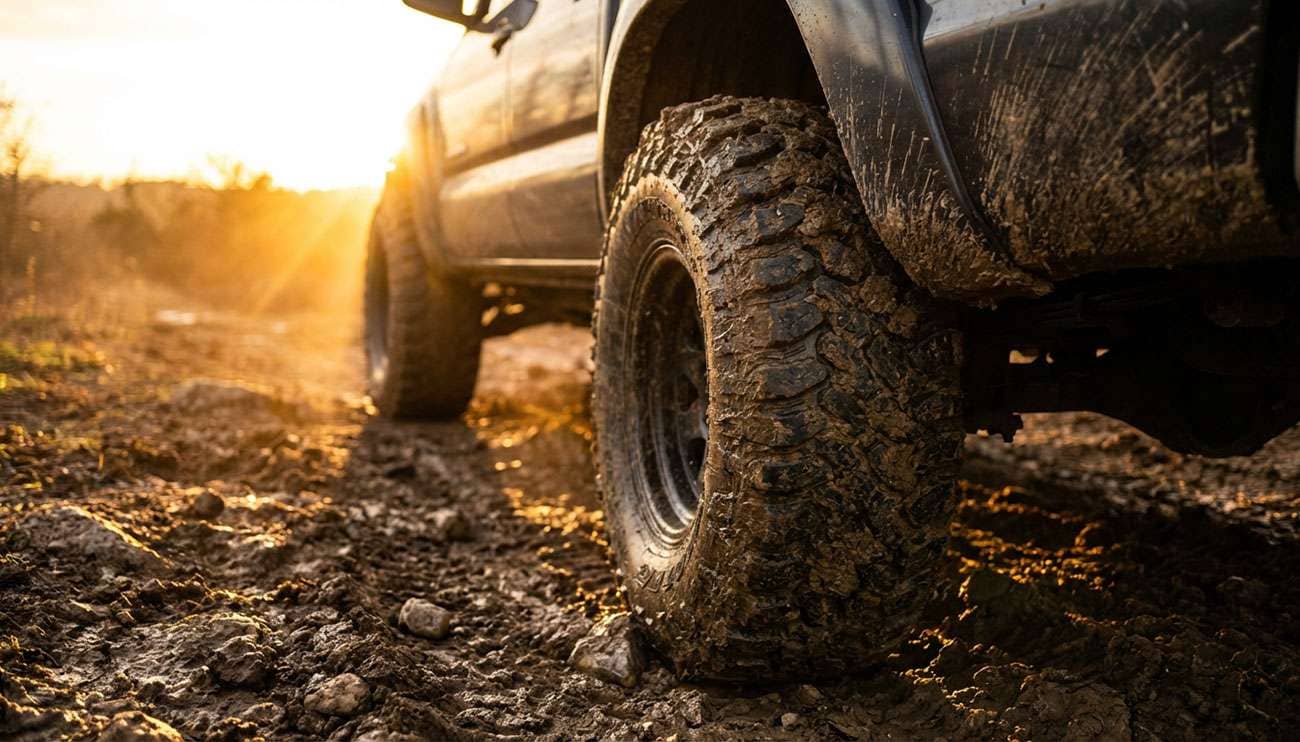
Mud terrain tires have grown from a specialized choice for serious off-road enthusiasts to a popular option among truck and SUV owners. These purpose-built off-road tires are engineered specifically for maximum traction in challenging conditions like deep mud, loose soil, sand, and rocky terrain. While mud terrain tires clearly outperform all-terrain or standard light truck tires when it comes to grip, their advantages extend far beyond just superior traction.
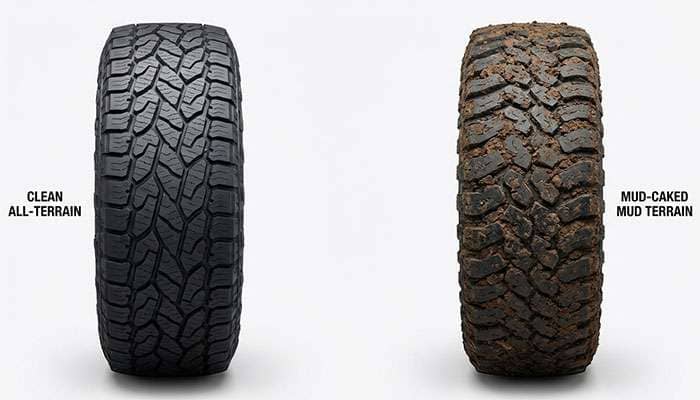
Mud terrain (M/T) tires distinguish themselves from other tire types through their aggressive tread patterns, deeper lugs, and reinforced sidewalls. These design features work together to deliver the grip, traction, and durability required for tackling the most demanding trails. Mud terrain tires also use less contact area with the ground compared to all-terrain tires, but their higher void ratios prevent tread clogging and help shed mud, dirt, rocks, and debris as the tire rotates. However, these same features that excel in extreme off-road conditions can compromise comfort and fuel efficiency during everyday highway driving.
This guide covers everything you need to understand about mud terrain tires, from their unique design characteristics to performance across different surfaces. Whether you're curious about highway performance, concerned about durability, or looking to select the best mud terrain tires for your truck, we'll provide the essential information to help you make the right choice for your driving needs.
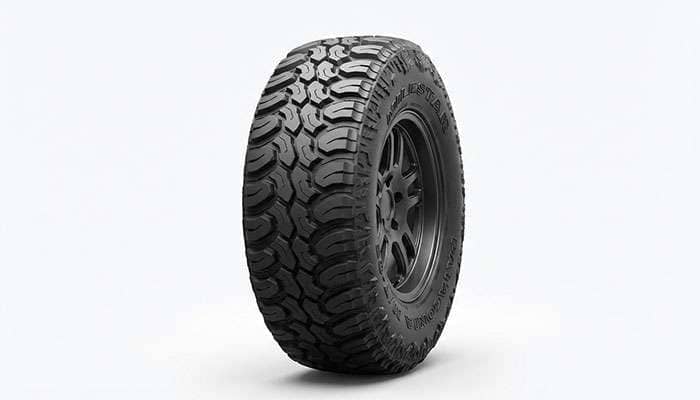
Three key design elements set mud terrain (M/T) tires apart from standard options and create their exceptional off-road capabilities.
Mud terrain tires feature dramatically different tread designs compared to regular tires. The tread blocks are substantially larger with much wider gaps between the lugs. This isn't just about appearance—the design serves a specific function. Deep, staggered tread blocks dig into soft terrain like mud, sand, and loose soil to provide superior grip on uneven surfaces.
M/T tires use an open, high void ratio tread pattern with significantly more space between tread elements. This creates multiple biting edges that improve traction when you're dealing with challenging terrain. The wider voids also prevent the tire from packing with material, which would eliminate traction entirely.
Mud terrain tires are built with maximum durability for harsh conditions. Quality M/T tires feature robust 3-ply sidewall construction that provides enhanced protection against impacts, cuts, and punctures you'll encounter on rugged trails. These reinforced sidewalls act as armor against sharp rocks, tree roots, and other hazards that would damage standard tires.
Many M/T designs extend the aggressive tread pattern onto the sidewalls with protruding lugs. This provides additional grip when you air down for better traction and extra protection against sidewall punctures. For heavier trucks, manufacturers offer 12-ply ratings that handle heavy-duty applications.
The self-cleaning capability of mud terrain tires represents smart engineering. Wide voids between tread blocks serve dual purposes—they improve grip while facilitating the ejection of mud, rocks, and debris. As the tire rotates, these channels effectively push material away from the center, preventing the tread from packing with mud and maintaining continuous traction.
This self-cleaning action is crucial because conventional tires become essentially slick when clogged with mud. The specially engineered tread pattern of M/T tires ensures they maintain their biting power even when conditions get tough.
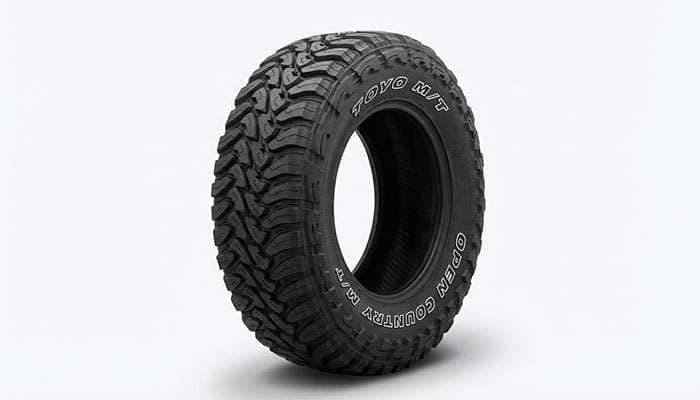
Understanding mud terrain tire performance across various surfaces helps set realistic expectations for different driving conditions.
Highway driving with mud terrain tires requires accepting certain compromises. The aggressive tread patterns that dominate off-road terrain create noticeable road noise on pavement. Those chunky tread blocks that grip mud so effectively generate more sound than all-terrain alternatives.
Handling characteristics change significantly as well. The wide voids and large lugs can trap water between the tread and road surface, potentially causing hydroplaning at speeds as low as 35 mph. Look for M/T designs with circumferential grooves to help channel water away from the contact patch for improved highway stability.
Snow performance depends entirely on the type of snow conditions you encounter. Light, fluffy snow and deep powder play to the strengths of M/T tires—their aggressive tread pattern and large lugs dig through snow effectively to find traction underneath.
Packed snow and ice present different challenges. Most mud terrain tires lack extensive siping (small slits in tread blocks that create gripping edges), reducing traction on slippery surfaces. The larger lug shape and wider voids, combined with reduced flexibility in cold temperatures, compromise grip on icy roads. For consistent winter driving, dedicated snow tires remain the better choice.
Wet pavement exposes mud terrain tire limitations. The chunky patterns with smooth-faced lugs struggle on wet roads, as water becomes trapped between tread and pavement. This reduces grip and increases stopping distances compared to all-terrain options.
Rocky terrain is where M/T tires truly excel. The reinforced sidewalls and aggressive tread patterns provide excellent protection and traction on uneven surfaces. Many designs include "kick-out bars" and "side-biters" that enhance grip on irregular terrain. For technical rock crawling, these features deliver performance that standard tires cannot match.
Understanding the practical ownership aspects of mud terrain tires is essential for making smart decisions about your investment. These performance factors directly impact your wallet and driving experience.
Mud terrain tires do wear faster than all-terrain options. The softer rubber compounds that deliver superior off-road grip come at the cost of longevity. All-terrain tires can last up to 50,000 miles, while mud-terrain tires typically deliver between 40,000 miles and in some cases only 20,000-40,000 miles. The aggressive tread patterns with large blocks and wide channels also create uneven wear patterns, particularly when driven regularly on paved surfaces.
This faster wear rate is the price you pay for extreme off-road performance. The same design elements that excel in mud and rocks - softer compounds and chunky treads - work against longevity on highways.
Mud terrain tires create a noticeable fuel efficiency penalty. Their aggressive tread design and increased weight generate higher rolling resistance, making your engine work harder. Research shows tires account for 15-25% of fuel economy reduction at low speeds and 20-35% at highway speeds. This translates to approximately 1-2 mpg less than fuel-efficient highway tires.
The chunky tread blocks that provide excellent off-road traction require more energy to keep rolling on pavement. For drivers who spend most of their time on highways, this efficiency hit becomes a significant ongoing cost.
Smart maintenance practices can significantly extend your mud tire investment:
Regular rotation every 5,000-8,000 miles ensures even wear across all tires
Proper inflation is critical—underinflated tires can decrease fuel mileage by 0.2% for every 1 psi drop
Alignment checks after any suspension modifications or off-road use
Consider air pressure adjustments when off-roading—lower pressure can actually reduce wear by allowing tires to conform to terrain
Inspect shocks regularly as failing shocks can cause "cupping" (uneven tire wear)
For dedicated off-road vehicles, proper storage becomes equally important since tires are susceptible to dry-rotting when left exposed to the elements. These maintenance steps help you get maximum value from your tire investment while maintaining optimal performance.
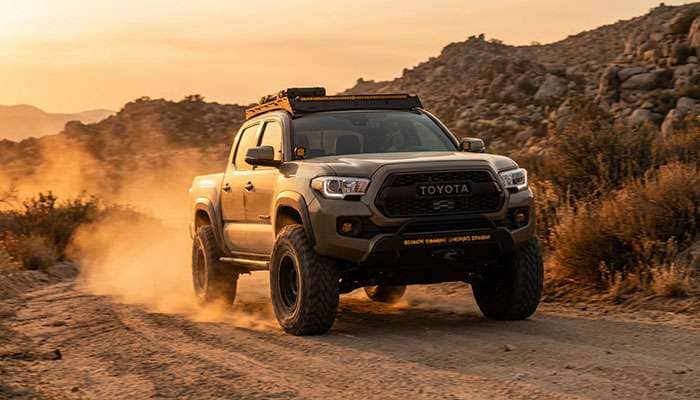
Selecting the right mud terrain tires for your vehicle requires understanding your specific needs, driving conditions, and vehicle requirements. Here are the key factors that will guide your decision.
When choosing between radial and bias-ply construction, you're making a fundamental decision about performance characteristics. Radial tires use plies that run at 90-degree angles with circumferential steel belts under the tread, providing better flexibility and surface contact. Bias-ply tires feature overlapping layers at 30-40 degree angles, creating a rigid crisscross structure.
For most applications, modern radials offer the best balance of smooth driving characteristics and tough sidewalls reinforced with materials like Kevlar. Bias-ply options work best for extreme off-road scenarios where you need maximum puncture resistance and flexibility at low speeds.
Several brands consistently deliver outstanding performance for off-road enthusiasts. BFGoodrich KM3 models have earned legendary status for durability and all-around capability. Goodyear's Wrangler MT/R with Kevlar delivers exceptional puncture resistance. Other top performers include Nitto's Mud Grappler with aggressive tread design, Toyo's Open Country M/T known for incredible durability, and Cooper's Discoverer STT Pro.
For a wide selection of quality options at various price points, Performance Plus Tire's mud terrain collection offers excellent choices to fit your budget and performance needs.
Start by consulting your vehicle's manual for recommended specifications. Clearance is critical—insufficient space between tires and fenders causes damaging rubbing, especially during suspension compression.
If your vehicle has a lift kit, you can accommodate larger tires, but remember that sizing affects gear ratios and fuel economy. Consider the impact of both sidewall height and width on your vehicle's performance characteristics.
Your primary driving environment should determine your choice. Choose mud terrain tires if you frequently encounter deep mud, loose soil, or technical rock crawling. Their self-cleaning tread patterns with wide voids between lugs prevent clogging in challenging conditions.
Select all-terrain alternatives if your driving consists mainly of highway use with occasional light off-roading. All-terrain tires provide better fuel efficiency, quieter operation, and superior wet-weather performance for mixed-use applications.
Mud terrain tires represent a specialized investment that can transform your off-road experience. We've covered their key advantages—from aggressive tread patterns and reinforced sidewalls to self-cleaning designs that excel in challenging conditions. These purpose-built tires deliver superior performance on muddy trails and rocky terrain compared to standard options.
However, the trade-offs become clear during daily driving. The same aggressive design that handles difficult terrain creates increased road noise, reduced wet-weather handling, and lower fuel efficiency. Your primary driving environment should guide your decision. Weekend warriors who mainly drive highways with occasional off-road trips may find all-terrain tires more practical. Regular off-roaders will discover the performance benefits of mud terrain tires justify the compromises.
Proper maintenance extends your investment significantly. Regular rotations, correct inflation, and alignment checks maximize tire life and performance. Understanding proper sizing for your vehicle prevents clearance problems while optimizing benefits.
When you're ready to make your selection, you can explore our selection of quality mud terrain options at Performance Plus Tire to find the right match for your needs. The right mud terrain tires turn your vehicle into a capable off-road machine that confidently tackles challenging trails while maintaining reasonable highway performance. Success comes from choosing tires that match your primary driving conditions and accepting the inherent compromises these specialized off-road performers require.
Mud terrain tires are specialized off-road performers designed for extreme conditions, but they come with significant tradeoffs for everyday driving that every buyer should understand.
Mud terrain tires excel in challenging off-road conditions through aggressive tread patterns, reinforced sidewalls, and self-cleaning designs that prevent mud clogging.
Expect 1-2 mpg fuel economy reduction and faster wear (20,000-40,000 miles vs 50,000 for all-terrain) due to increased rolling resistance and softer compounds.
Highway performance suffers with increased road noise, potential hydroplaning at 35+ mph, and reduced wet-weather grip compared to all-terrain alternatives.
Choose mud terrain over all-terrain only if you frequently encounter deep mud, loose soil, or technical rock crawling rather than occasional light off-roading.
Proper maintenance including regular rotations every 5,000-8,000 miles, correct inflation, and alignment checks significantly extends tire life and performance.
The decision ultimately depends on your primary driving environment—mud terrain tires transform your vehicle into an off-road machine but require accepting compromises in daily comfort, efficiency, and highway performance.
While mud terrain tires excel in off-road conditions, they're not ideal for daily driving. They tend to be noisier on highways, less fuel-efficient, and may wear faster than standard tires. They're best suited for vehicles that frequently encounter challenging off-road terrain.
Mud terrain tires typically reduce fuel efficiency by about 1-2 mpg compared to standard highway tires. Their aggressive tread patterns and increased weight create higher rolling resistance, causing your vehicle to work harder and consume more fuel.
The lifespan of mud terrain tires is generally shorter than all-terrain or highway tires. While all-terrain tires can last up to 50,000 miles, mud terrain tires usually deliver between 20,000 to 40,000 miles, depending on driving conditions and maintenance.
Mud terrain tires can perform well in deep, powdery snow due to their aggressive tread pattern. However, they may struggle on packed snow and ice due to their lack of extensive siping and reduced flexibility in cold temperatures. For serious winter conditions, dedicated snow tires are recommended.
To maximize the longevity of mud terrain tires, regularly rotate them every 5,000-8,000 miles, maintain proper inflation, check alignment after off-road use, adjust air pressure when off-roading, and inspect shocks regularly. Proper storage is also important to prevent dry-rotting when not in use.