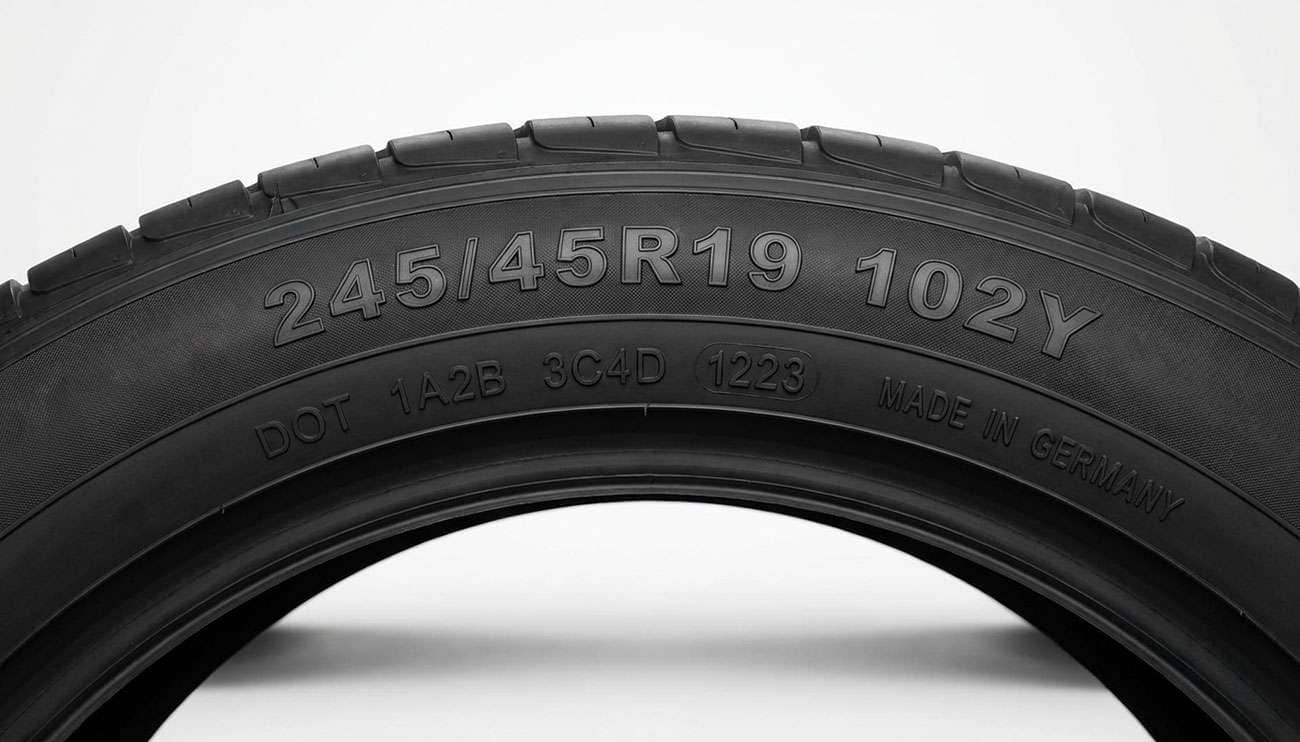
Your tire's speed rating isn't just another number on the sidewall - it determines the maximum safe speed your tire can maintain over time. This single letter could be the difference between arriving safely at your destination and experiencing a dangerous tire failure on the highway.
Tire ratings started in Europe during the 1960s when manufacturers needed a standardized system to match tires with increasingly powerful vehicles. These ratings now span from a basic 5 km/h (3 mph) all the way to speeds exceeding 300 km/h (186 mph). A V-rated tire, for instance, can safely handle speeds up to 149 MPH.
Here's what many drivers don't realize: your vehicle's maximum safe speed is limited by the lowest-rated tire you have mounted. Mix a T-rated tire (118 mph) with H-rated tires (130 mph), and that T-rated tire becomes your speed ceiling. Beyond speed, these ratings also predict treadwear performance, with higher numbers indicating longer-lasting tread life.
Tire ratings aren't bureaucratic red tape - they're essential safety specifications. Tires that can't properly manage heat buildup at sustained speeds face significantly higher failure rates, particularly during long highway trips or high-speed driving. We'll walk you through everything you need to know about these ratings, breaking down complex specifications into practical guidance that keeps you safe on the road.
Tire ratings provide standardized measurements that determine your tire's performance capabilities under specific conditions. These aren't arbitrary numbers - they're precise safety specifications that tell you exactly what your tires can handle.
Speed ratings show the maximum speed a tire can safely maintain over extended periods. The rating system uses letters to indicate how effectively your tire manages heat buildup during sustained high-speed driving:
Rating |
Maximum Speed |
|---|---|
S |
112 mph |
T |
118 mph |
H |
130 mph |
V |
149 mph |
W |
168 mph |
Y |
186 mph |
Most family vehicles come equipped with T-rated tires, while performance cars typically require V, W, or Y ratings. Manufacturers determine these ratings through rigorous laboratory testing, spinning tires at progressively higher speeds until they reach their maximum safe threshold.
The Uniform Tire Quality Grading system measures three critical performance areas:
Treadwear Rating: This comparative number indicates longevity relative to a reference tire. A tire rated 400 will last twice as long as one rated 200.
Traction Grades: Ranging from AA (highest) to C (lowest), these grades measure wet braking performance. Most high-performance tires achieve AA ratings for maximum stopping power.
Temperature Resistance: Graded A, B, or C, this rating indicates heat management capability. Grade A tires handle speeds above 115 mph, B-rated tires perform at 100-115 mph, and C-rated tires are suitable for 85-100 mph.
The load rating indicates the maximum weight each tire can safely support when properly inflated. This numerical index, located on the tire sidewall, corresponds to specific weight capacities measured in pounds. A load index of 91, for example, means each tire can safely carry 1,356 pounds.
Selecting tires with inadequate load ratings creates serious safety risks, including poor handling characteristics, excessive heat generation, and potential tire failure. This becomes especially critical when hauling heavy cargo, towing trailers, or carrying multiple passengers regularly.
That jumble of numbers and letters on your tire's sidewall isn't random - it's a detailed specification sheet that tells you exactly what you've got mounted on your vehicle. Learning to read this information helps you make smart decisions about replacements and ensures you're getting the right tires for your driving needs.
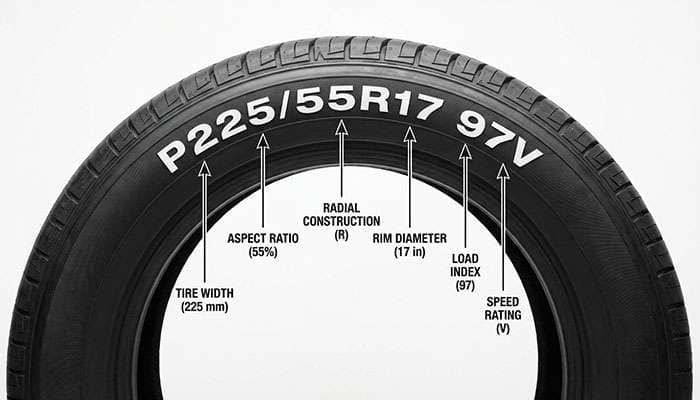
Most tire size codes follow a standard format like "205/60R15 91V." Each element reveals specific tire characteristics:
Component |
Example |
What It Tells You |
|---|---|---|
First number |
205 |
Section width in millimeters |
Second number |
60 |
Aspect ratio (sidewall height as percentage of width) |
Letter |
R |
Radial construction type |
Third number |
15 |
Rim diameter in inches |
You might notice letters at the beginning of this sequence. "P" designates passenger car tires, "LT" means light truck, and "ST" indicates special trailer applications. When no letters appear, the tire typically meets European manufacturing standards.
The final characters in your tire's size description contain two critical safety specifications. Using our "205/60R15 91V" example:
91 = Load index showing weight capacity per tire
V = Speed rating indicating maximum sustainable speed
The load index appears as a two or three-digit number, while the speed rating is always a single letter. These specifications always appear as the last elements in the sidewall's service description.
High-performance tires often include "ZR" in their size markings. This designation indicates enhanced speed capabilities:
Tires rated above 149 mph (240 km/h) may include "ZR"
Tires capable of speeds exceeding 186 mph (300 km/h) must display "ZR"
For example, "P275/40ZR17 93W" handles speeds up to 168 mph, while "P275/40ZR17 93Y" can sustain 186 mph. Although some consider this marking outdated, it remains valuable for identifying high-performance tire capabilities.
Mastering these sidewall markings ensures you select tires that match your vehicle's specifications and your driving requirements.
Tire ratings aren't just specifications on paper - they're the difference between controlled stops and sliding past your exit ramp. When you understand what these ratings mean for real-world driving, you can make choices that protect you and your passengers.
Speed ratings tell you how well your tires manage heat when pushed to their limits. Tires with inadequate speed ratings flex too much under pressure, creating dangerous heat buildup that can lead to catastrophic failure. The performance gap becomes critical during emergency situations. Testing shows a lower S-rated tire traveling at 100 km/h was still moving at almost 25 km/h when a higher V-rated tire had completely stopped. When you're taking highway curves at speed, your tire's grip capability determines whether your vehicle stays on the road or doesn't.
Worn tires lose their ability to grip the road, especially when conditions get challenging. Tires with reduced tread depth took nearly 30 feet longer to stop on wet pavement compared to new tires. That's an extra car length between you and the vehicle ahead. Worse yet, all tires showed an average 13% decline in hydroplaning resistance as tread wore down. Once your tread depth drops below 4/32", driving in poor weather conditions becomes extremely dangerous.
Temperature ratings indicate how much heat your tires can handle before rubber compounds start breaking down. Once temperatures exceed 195°F, you're looking at potentially catastrophic tire failure. A-rated tires, which represent 62% of U.S. tires, effectively manage heat above 115 mph. B-rated tires (34% of the market) handle speeds from 100-115 mph, while C-rated tires (4%) are limited to 85-100 mph. Proper temperature ratings help prevent the three most dangerous tire failures: blowouts, tread separation, and sudden pressure loss.
Choosing the right tire starts with honest assessment of your driving habits. Your daily routes, weather conditions, and vehicle usage determine which tire ratings and features matter most for your safety and performance needs.
City driving presents unique challenges that highway cruising doesn't. Stop-and-go traffic, tight parking situations, and road debris demand tires with enhanced grip for sudden stops and reinforced sidewalls to resist curb damage and pothole impacts. Your tires work harder in urban environments, flexing constantly through turns and temperature changes.
Highway driving creates different demands. Extended high-speed travel requires tires that manage heat buildup effectively and maintain stability at sustained speeds. The good news? Highway tires often last longer because roads are smoother and driving speeds stay more consistent. If you primarily commute on interstates, prioritize speed rating and heat resistance over maximum grip.
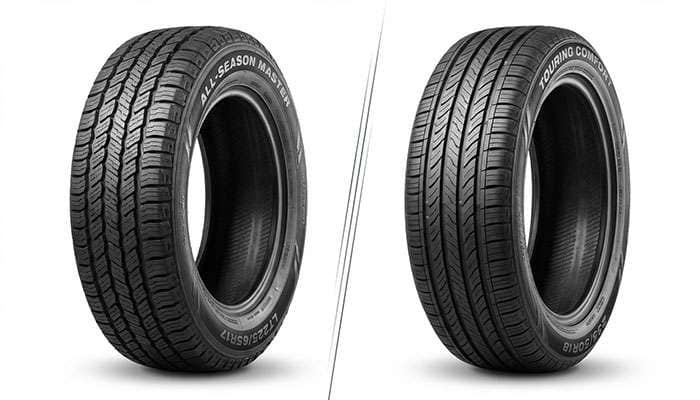
All-season tires offer the Swiss Army knife approach - decent performance across varied conditions without excelling at any particular task. These tires stay flexible in near-freezing temperatures while providing adequate warm-weather performance. They're the practical choice for drivers who face changing seasons but don't push their vehicles to performance limits.
Performance tires take a different approach. With softer rubber compounds and aggressive tread patterns, they deliver superior dry and wet grip that you'll feel in every corner and stop. The trade-off? They typically wear out 20,000 to 40,000 miles sooner than all-season alternatives and perform poorly in cold weather.
Smart tire selection comes down to three key factors:
Speed Rating Selection: S or T ratings handle everyday driving perfectly, while H through W ratings benefit performance-oriented vehicles and frequent highway travel.
Climate Considerations: Consistent temperatures below 45°F call for dedicated winter tires rather than all-season compromises.
Driving Style Assessment: Aggressive drivers who enjoy spirited acceleration and cornering need higher traction ratings for safety.
Understanding your specific driving patterns makes the difference between tires that merely fit your car and tires that enhance your safety and enjoyment behind the wheel.
Tire ratings aren't just numbers and letters on rubber - they're your safety specifications that determine how well your vehicle performs when it matters most. We've covered the essential knowledge you need to make informed tire decisions that protect you and your passengers.
Speed ratings tell you exactly how much heat your tires can handle at sustained speeds. Load ratings ensure your tires won't fail under the weight of your vehicle plus cargo. UTQG ratings give you realistic expectations for tread life, wet traction, and temperature resistance. Each specification serves a critical safety purpose.
The sidewall markings might look complicated, but they contain everything you need to know about your tire's capabilities. That string of numbers and letters reveals tire size, weight capacity, and maximum safe speed - information that could prevent a dangerous blowout or loss of control.
When selecting new tires, match the ratings to your actual driving needs. City drivers need different characteristics than highway commuters. All-season tires work well for moderate climates, while performance tires excel in handling but wear faster. Consider your environment, driving style, and vehicle requirements.
Remember this crucial point: your slowest-rated tire determines your vehicle's maximum safe speed. Don't mix different speed ratings unless you're willing to accept the limitations of the lowest-rated tire.
At Performance Plus Tire, we carry the best selection of tires at the lowest prices. Our expert team can help you find tires with the right ratings for your vehicle and driving habits. We offer flexible financing options and comprehensive fitment guidance to ensure you get exactly what you need.
Your tires are the only contact points between your vehicle and the road. Getting the ratings right isn't optional - it's essential for your safety. Take the time to understand these specifications, and you'll make tire choices that keep you safe for thousands of miles ahead.
Understanding tire ratings isn't just technical knowledge—it's essential safety information that could prevent accidents and save lives on the road.
• Speed ratings indicate maximum safe speeds: Letters like S (112 mph) to Y (186 mph) show how effectively tires dissipate heat at sustained speeds.
• Your slowest tire determines vehicle safety: The lowest-rated tire on your car dictates your maximum safe operating speed across all four wheels.
• UTQG ratings reveal performance expectations: Treadwear numbers predict longevity, while traction grades (AA-C) indicate wet braking ability.
• Sidewall codes contain critical safety data: The sequence like "205/60R15 91V" reveals tire size, load capacity, and speed rating for informed decisions.
• Match tire ratings to your driving needs: Urban drivers need different characteristics than highway commuters—assess your specific environment and habits.
• Temperature resistance prevents dangerous blowouts: A-rated tires handle heat above 115 mph, while lower ratings risk catastrophic failure at high speeds.
Remember: These rubber components are your only contact points with the road. Taking time to understand tire ratings transforms a potentially life-threatening oversight into informed safety decisions that protect you and your passengers.
H-rated tires are suitable for speeds up to 130 mph, while V-rated tires can handle speeds up to 149 mph. V-rated tires generally offer better performance at higher speeds, but H-rated tires are sufficient for most everyday driving needs.
The numbers on a tire's sidewall, such as "205/60R15 91V," provide important information. In this example, 205 is the width in millimeters, 60 is the aspect ratio, R indicates radial construction, 15 is the rim diameter in inches, 91 is the load index, and V is the speed rating.
UTQG (Uniform Tire Quality Grading) ratings include treadwear, traction, and temperature grades. Treadwear indicates expected tire longevity, traction (AA to C) shows wet braking ability, and temperature (A to C) represents heat resistance at high speeds.
Tire ratings directly impact safety by indicating a tire's capabilities in various conditions. Proper speed ratings ensure heat dissipation at high speeds, while traction ratings affect braking performance. Using tires with appropriate ratings for your driving needs can prevent accidents and tire failures.
The choice between all-season and performance tires depends on your driving habits and environment. All-season tires offer versatility for varied weather conditions and longer tread life. Performance tires provide superior handling and grip but may wear faster. Consider your climate, driving style, and vehicle type when making this decision.