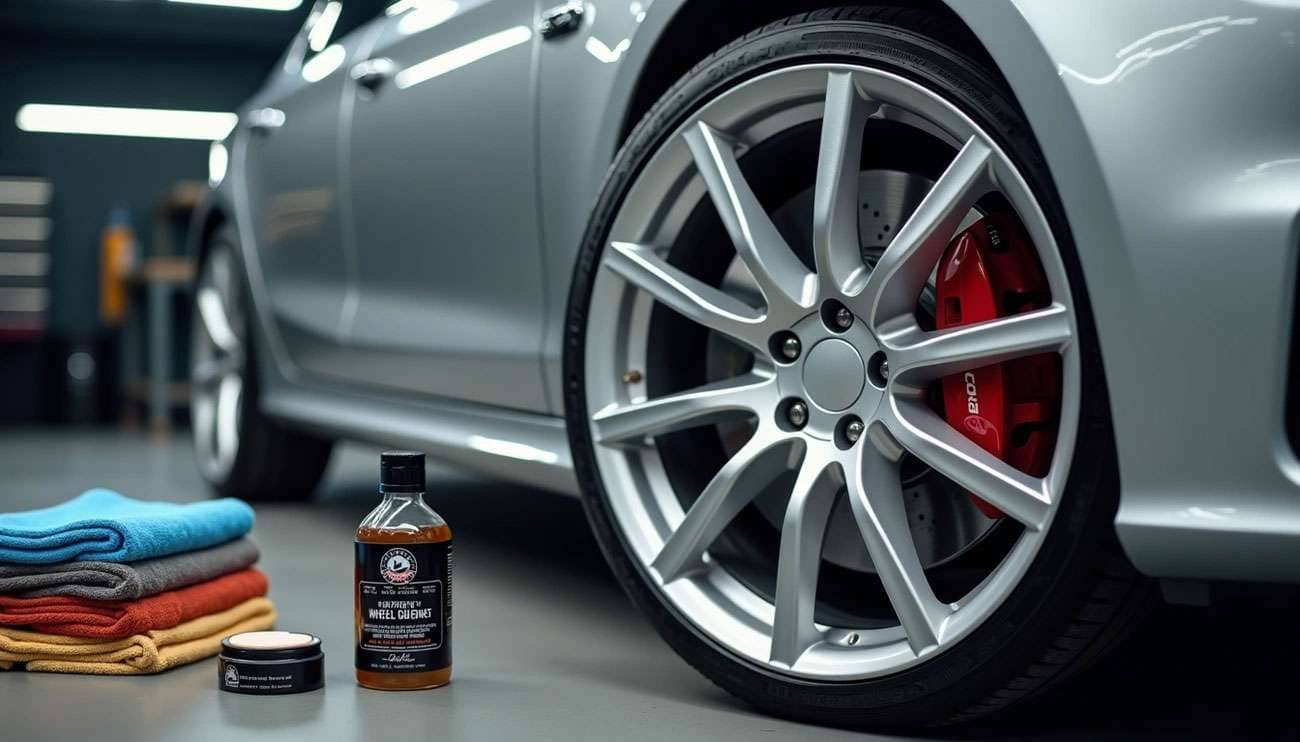
Tires lose approximately 1 PSI every month, and driving with low pressure wastes 0.2% of your fuel. Regular alloy wheel maintenance goes beyond keeping your car looking sharp—it's essential for performance and getting the most from your investment.
Alloy rims deliver superior wheel performance and durability because aluminum is stronger than steel. Following a proper tire and alloy wheel maintenance plan helps you avoid costly replacements while keeping your wheels looking showroom-new for years. Regular cleaning every 1-2 weeks prevents the build-up of dirt, dust, and salt that cause corrosion and damage.
We believe investing a little time in alloy wheel maintenance pays huge dividends. Daily drivers benefit from cleaning once every two weeks and applying protective wax to create an additional barrier against dirt and brake dust. Knowing when to rotate your tires (every 6,000 miles) and checking tread depth (legal minimum is 2/32 inches) extends the life of both your tires and alloy wheels.
This guide shares professional techniques to make your alloy wheels last virtually forever—from proper cleaning methods to protection strategies that actually work.
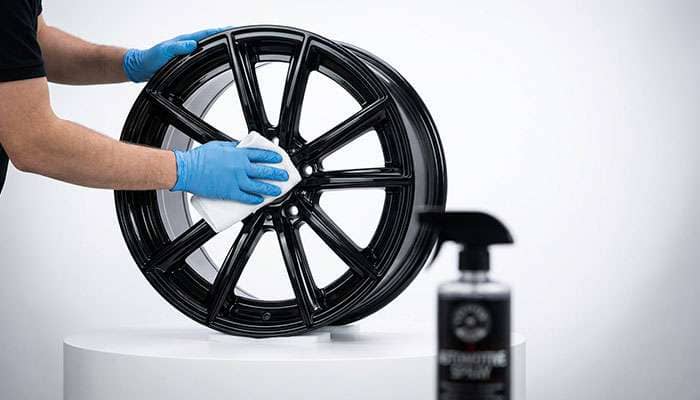
Proper cleaning forms the foundation of effective alloy wheel maintenance. These professional techniques preserve your wheels' finish and extend their life considerably.
The first rule of alloy wheel care involves using the right cleaning products. Always select a pH-balanced wheel cleaner specifically formulated for alloy wheels rather than household detergents or generic cleaners. These specialized formulas effectively remove tough dirt, brake dust, and grime without damaging the wheel surface.
pH-neutral cleaners are particularly important because they safely clean without corroding or damaging your wheels over time. They work effectively on all wheel finishes—whether painted, polished, chrome, clear-coated, or matte. Before applying any cleaner, thoroughly rinse your wheels to remove the top layer of dirt.
Never clean wheels immediately after driving. Spraying cold water on hot wheels can shock the alloy metal, potentially causing hairline cracks and surface pitting where dirt becomes trapped. Cleaning products applied to hot surfaces dry too quickly, leaving behind streaks and residue.
Wait until your wheels are cool to the touch before beginning the cleaning process. This simple precaution can substantially increase the lifespan of your alloy wheels.
Quality cleaning tools designed specifically for wheels make all the difference. Use brushes with soft bristles that reach into tight spaces between spokes and around lug nuts without scratching the finish. Quality wheel brushes feature durable yet gentle bristles that remove stubborn brake dust from crevices while protecting delicate wheel components.
Microfiber towels are essential for wiping and general cleaning. Their gentle yet effective texture lifts away dirt without scratching your wheel's surface.
The most overlooked yet vital step in wheel cleaning is thorough drying. Water spots on aluminum wheels can be extremely difficult to remove once they've set. Use a clean microfiber cloth to carefully dry each wheel immediately after rinsing.
Gently blot to absorb water, then lightly buff to achieve a streak-free shine. Consider using a separate, clean microfiber cloth for each wheel to reduce the risk of transferring grit that might cause scratches.
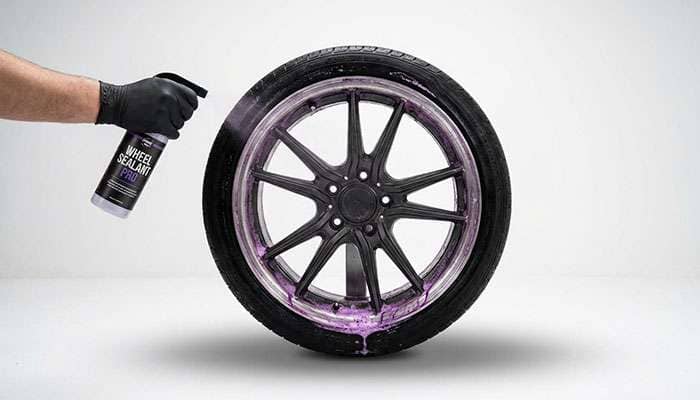
Clean wheels need protection to stay that way. Proper sealants and waxes create a defensive barrier that keeps your wheels looking newer for longer and makes your next cleaning session much easier.
Quality wheel sealants create a protective layer that prevents brake dust, tree sap, tar, road salt, and grime from adhering to your wheels. Unlike regular car waxes, wheel sealants are specially formulated with high heat resistance to withstand the temperatures generated by braking.
Silica or ceramic-based wheel sealants deliver superior protection. These products contain SiO2 (silica) protection that surpasses other wheel sealants in both longevity and quality of protection. They can even fill in minor pitting and corrosion damage, helping restore your wheel's finish.
Never use carnauba wax on wheels despite its popularity for paintwork. This wax has low heat resistance and actually attracts brake dust particles that will stubbornly stick to it.
Proper buffing after applying your sealant ensures maximum protection. Use a high-quality microfiber towel with a weight of at least 500 g/m² for best results. Apply moderate pressure during buffing—too little pressure won't distribute the product evenly, while excessive pressure might damage the finish.
Work in small sections using circular motions until you achieve a mirror-like shine. Always use a clean microfiber towel for buffing to avoid reintroducing contaminants to the surface.
Even the best wheel sealants require periodic reapplication. Reapply your wheel sealant every 2-3 months for optimal protection. Application frequency depends on your driving conditions—vehicles exposed to harsh environments like salty roads or dusty conditions need more frequent treatment.
Consider applying two layers of sealant for maximum protection. Allow the first application to dry for approximately 30 minutes, then apply a second coat to ensure complete coverage. This dual-application technique ensures even the smallest areas receive protection, similar to how you'd apply multiple coats when painting a wall.
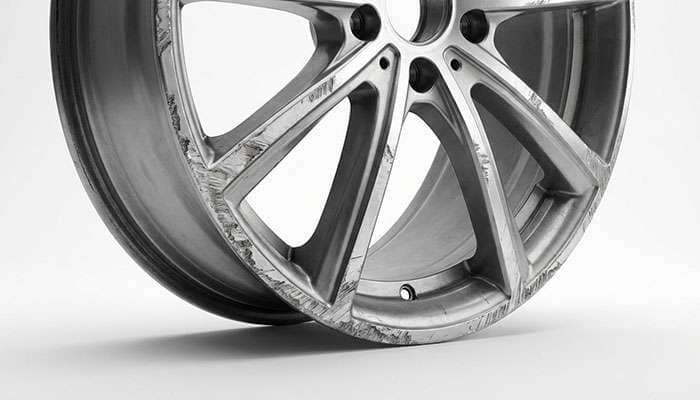
Smart maintenance prevents costly alloy wheel damage long before problems become visible. These practices will extend your wheels' lifespan while avoiding expensive repairs or replacements.
Examine your wheels monthly for early signs of damage. Look for:
Chips or cracks in the wheel's construction
Rust formation (especially around scratches)
Unusual vibrations or noise while driving
Minor chips can develop into serious structural problems if water penetrates the surface, creating corrosion over time. Small manufacturing defects or damage from harsh wheel cleaners can also initiate corrosion.
Practice careful parking with sufficient distance from curbs. Consider installing parking sensors or wheel protectors as barriers between your rims and potential hazards. Reduce speed when making turns, especially on wet or icy roads. Concrete curbs are much tougher than alloy wheels.
Regular checks form an essential part of maintaining vehicle performance. Professional alloy wheel protection plans cover road hazards including potholes, debris, and blowouts. These plans typically cover mounting, balancing, valve stems, and associated costs.
Wheel balancing ensures your wheel spins smoothly, preventing vibrations that lead to premature wear. Rotate your tires every 5,000-7,000 miles or alongside regular oil changes. Balanced wheels distribute weight evenly, extending tire life and improving fuel efficiency.
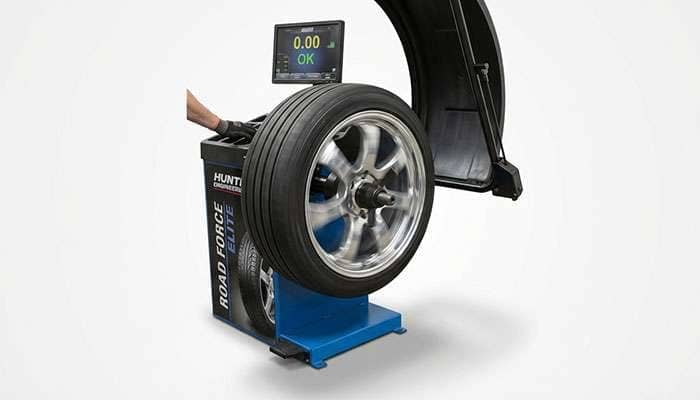
Even dedicated car enthusiasts need to recognize when professional expertise becomes the smart choice. Basic maintenance works well at home, but certain situations require specialized equipment and skills.
DIY alloy wheel repair kits range from $15-$50, while professional services typically cost $60-$120 per wheel. Professional repairs often provide better long-term value despite the higher initial cost. DIY kits work only for shallow scratches and typically fail within months. Professional services offer complete solutions including powder coating with three-year warranties.
Professional refinishers use specialized equipment unavailable to consumers—hydraulic presses for buckles and welding equipment for cracks. Their factory-grade finishes resist chips, scratches, and corrosion better than DIY alternatives.
Seek professional help immediately for:
Structural damage affecting wheel integrity
Diamond-cut alloys requiring precision lathing
Significant corrosion requiring specialized treatment
Bent wheels needing straightening (less than 2mm can usually be fixed)
Professional assessment proves valuable since minor-looking damage might indicate deeper issues. Unusual sounds while driving or visible tire damage often signal unsafe alloy wheels.
Professional maintenance plans offer restoration services that bring back your wheels' shine through high-gloss protective coatings. These plans typically include regular scheduled check-ups, unlimited puncture repairs, replacement of damaged tires, and mobile repair options. They also protect against unexpected costs at the end of leasing agreements.
We believe professional maintenance plans make sense for drivers who want peace of mind and guaranteed results without the hassle of DIY maintenance.
Proper alloy wheel care requires commitment, but the payoff makes it worthwhile. Regular cleaning with pH-balanced products and thorough drying creates the foundation for wheels that last. Quality wheel sealants provide a protective barrier against brake dust, road salt, and environmental contaminants.
Your maintenance schedule should include monthly damage inspections, careful driving habits, and wheel rotation every 5,000-7,000 miles. These practices extend your alloys' lifespan while maintaining their appearance.
Even dedicated DIY enthusiasts need to recognize when professional help becomes necessary. Structural damage, significant corrosion, or bent wheels require expert attention rather than home fixes.
We believe the modest investment in proper alloy wheel care delivers enormous returns over time. Replacement wheels can cost hundreds or thousands of dollars, while maintenance supplies cost just a fraction of that amount.
Well-maintained alloy wheels contribute to your vehicle's overall performance, fuel efficiency, and appearance. Start implementing these maintenance practices today, and your alloys will continue looking showroom-fresh for years—perhaps outlasting the vehicle itself.
Master these essential practices to keep your alloy wheels looking showroom-fresh and performing optimally for years to come.
• Clean smart, not hard: Use pH-balanced wheel cleaners on cool wheels with soft brushes and microfiber towels to prevent damage and water spots.
• Protect with purpose: Apply wheel sealants every 2-3 months to create a heat-resistant barrier against brake dust, salt, and environmental contaminants.
• Prevent before you repair: Inspect monthly for chips and cracks, avoid curbs and potholes, and rotate wheels every 5,000-7,000 miles.
• Know your limits: Seek professional help for structural damage, bent wheels, or significant corrosion—DIY repairs often fail within months.
• Invest in longevity: Regular maintenance costs a fraction of wheel replacement while maintaining performance, fuel efficiency, and resale value.
The key to alloy wheel longevity lies in consistent care rather than expensive repairs. By following these professional techniques, you'll avoid costly replacements and keep your wheels performing at their peak while maintaining that coveted showroom appearance.
For optimal maintenance, clean your alloy wheels every 1-2 weeks. Regular cleaning prevents the build-up of dirt, dust, and salt that can cause corrosion and damage. For daily drivers, cleaning once every two weeks is generally sufficient.
The best protection for alloy wheels involves applying a high-quality wheel sealant every 2-3 months. Use silica or ceramic-based sealants for superior, heat-resistant protection. Additionally, avoid carnauba wax on wheels as it has low heat resistance and can attract brake dust.
No, it's not recommended to use household cleaners on alloy wheels. Always use a pH-balanced wheel cleaner specifically formulated for alloy wheels. These specialized cleaners effectively remove tough dirt and grime without damaging the wheel surface.
Rotate your wheels every 5,000-7,000 miles or alongside regular oil changes. Regular rotation ensures even wear, extends tire life, and improves overall vehicle performance and fuel efficiency.
Seek professional help immediately for structural damage affecting wheel integrity, diamond-cut alloys requiring precision lathing, significant corrosion, or bent wheels needing straightening. Professional assessment is valuable as minor-looking damage might indicate deeper issues.