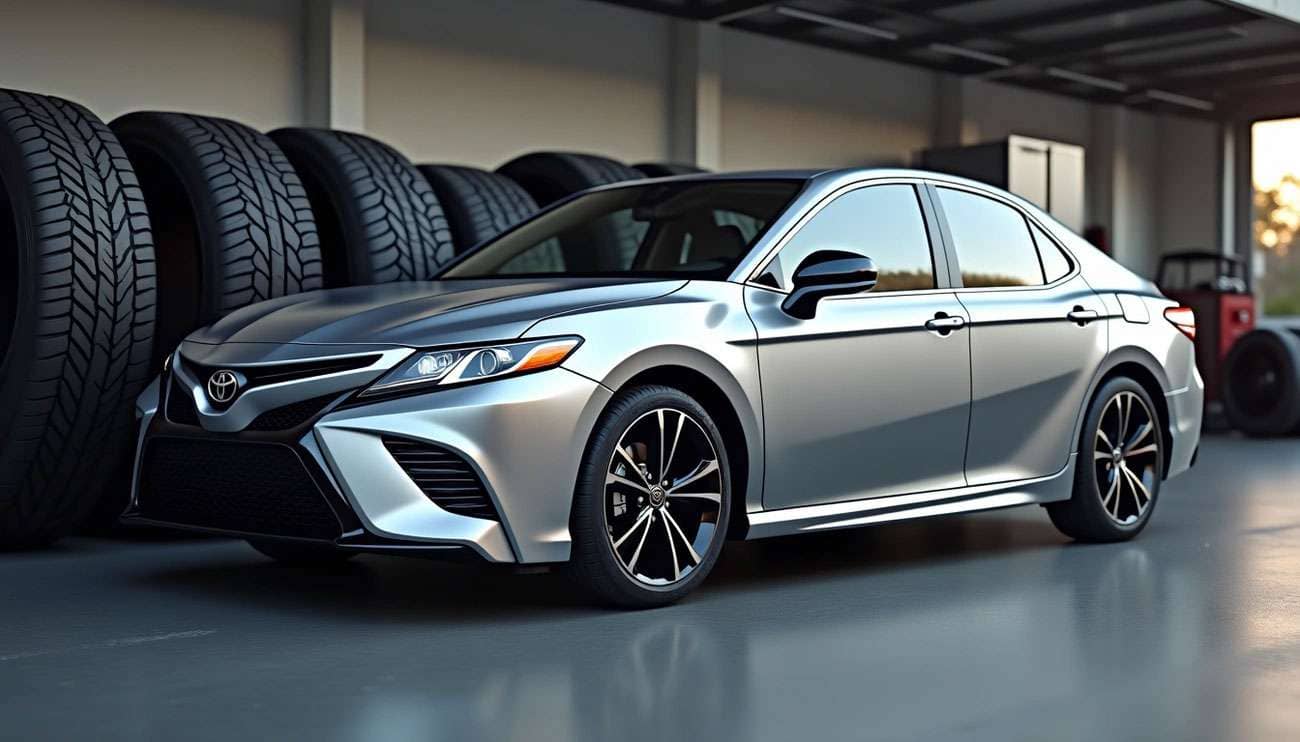
Most Toyota Camry owners face tire replacement before their vehicle reaches five years old. With drivers covering between 12,000 and 15,000 miles annually, the majority of Camry owners will exceed their original equipment tires' intended mileage well before reaching the tire's maximum age.
When tires surpass five years old, replacement becomes necessary. Finding the best Toyota Camry aftermarket tires requires understanding the right toyota camry tire size for optimal performance and safety. Recent model years typically feature 17-inch or 18-inch wheels with a standard bolt pattern of 5x114.3 and a hub bore of 60.1 mm.
At Performance Plus Tire, we understand that selecting the right tires for your Camry is crucial for both safety and performance. We carry the best selection of Toyota Camry tires at competitive prices, with expert guidance to help you choose the perfect match for your driving needs.
When it comes to Toyota Camry tire replacement, understanding tire specifications is the foundation of making the right choice. From tire sizes to performance characteristics, we'll guide you through everything you need to know to select tires that deliver the ideal balance of performance, comfort, and value for your Camry.
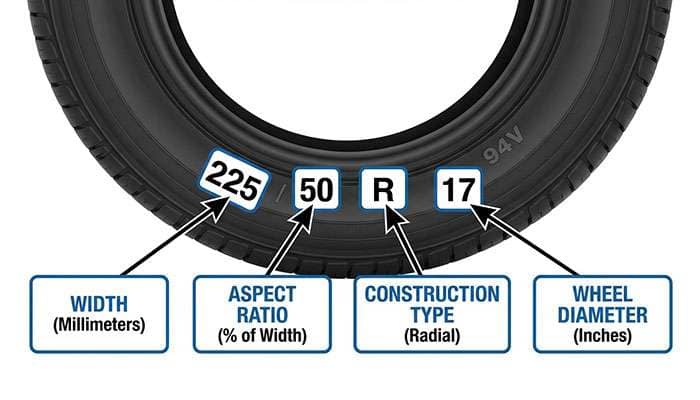
Understanding Toyota Camry tire size specifications is the first step toward selecting the right aftermarket tires. Each number and letter on your tire sidewall tells a specific story about fitment and performance capabilities.
Toyota Camry models feature different tire sizes based on trim level and model year. Current generation Camrys typically come with these factory sizes:
215/55R17 - Standard for LE trim levels
235/45R18 - Equipped on SE, XLE and XLE V6 models
235/40R19 - Featured on XSE, TRD and XSE V6 variants
The 2024 model year LE trim uses P215/55R17 tires, while performance-oriented XSE and TRD models come with P235/40R19 tires. Hybrid variants often use unique sizing, with the Hybrid LE typically featuring 205/65R16 tires.
Finding your current tire specifications requires checking three key locations:
Tire sidewall markings on your current tires
Driver's side door jamb information sticker
Owner's manual specifications
The door jamb placard provides the most reliable information since it shows manufacturer-recommended specifications rather than potentially mismatched aftermarket installations.
The alphanumeric code on your tire sidewall contains essential fitment data. Take "215/55R17" as an example:
215 - Tire width measured in millimeters
55 - Aspect ratio (sidewall height equals 55% of tire width)
R - Radial construction type
17 - Wheel diameter in inches
Additional markings include load index and speed rating numbers that indicate weight capacity and maximum speed capability. The four-digit DOT code reveals manufacturing date - first two digits show the week, last two show the year of production.
Getting these specifications right ensures your Toyota Camry aftermarket tires provide proper fitment and maintain vehicle safety standards.

Upgrading to aftermarket tires requires precise fitment to maintain your Camry's safety and performance capabilities. Matching the correct specifications ensures optimal handling, fuel efficiency, and maximum tire life.
The bolt pattern represents your first critical measurement. Modern Toyota Camrys (from 1990 onwards) predominantly use a 5x114.3mm bolt pattern. This measurement—also expressed as 5x4.5 inches—indicates five lug nuts arranged in a circle with a diameter of 114.3mm.
Center bore specifications are equally important, with many Camry models requiring approximately 60.1mm. This measurement ensures proper centering of the wheel on the hub assembly. When selecting aftermarket wheels, these measurements must match exactly to prevent vibration and premature wear.
Wheel diameter options typically range from 16 to 19 inches, depending on your trim level. If you're changing wheel size, maintain the original rolling diameter within 3% variance to preserve speedometer accuracy.
Tire width, measured in millimeters, directly affects your Camry's performance characteristics. Popular widths include 215mm, 225mm, and 235mm, with wider tires generally providing more grip while reducing fuel efficiency.
The aspect ratio—the percentage of tire height relative to width—affects sidewall flexibility and ride quality. Lower aspect ratios (like 40 or 45) offer improved cornering stability but deliver a harsher ride, while higher ratios (55 or 65) provide more cushioning over rough surfaces.
Proper rim width selection is crucial for optimal tire performance. For 17-inch wheels, rim width should range between 7.0 and 8.5 inches, while 19-inch wheels work best with rim widths between 8.0 and 9.5 inches. Staying within these specifications ensures proper tire bead seating and prevents premature edge wear.
Tire size changes directly influence your Camry's driving characteristics. Owner experiences show that moving from 16-inch to 17-inch wheels creates a slightly firmer ride with heavier steering feel. Meanwhile, 18-inch wheels deliver a more sporty, firm ride similar to XSE trim models.
Incorrect tire sizing negatively impacts several performance areas:
Ride comfort and handling precision
Braking distance and overall safety
Fuel economy performance
Speedometer accuracy
Tread wear patterns
The key to selecting the right Toyota Camry aftermarket tires lies in balancing your priorities between comfort, performance, and durability based on your typical driving conditions.
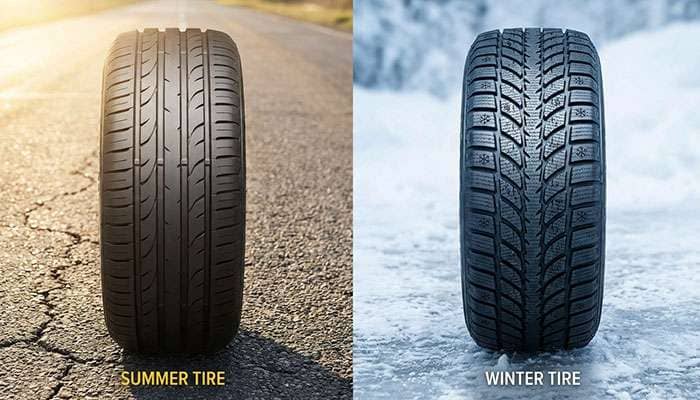
Your driving habits determine which Toyota Camry aftermarket tires will deliver the performance you need. Different driving styles require different tire characteristics to maximize safety, comfort, and value.
Daily commuters benefit most from touring all-season tires that emphasize comfort, fuel efficiency, and extended tread life. The Camry performs exceptionally well with these tires, delivering a quiet ride and lasting durability.
Performance enthusiasts should consider ultra-high-performance tires designed for enhanced cornering stability and responsive steering feel. These tires transform your Camry's handling characteristics, providing the grip and precision needed for spirited driving.
All-season tires offer balanced performance year-round with flexible rubber compounds that adapt to temperature changes. They handle dry and wet conditions effectively, including light snow situations.
Summer tires excel in warm weather conditions, delivering superior grip and handling capabilities. Their firmer rubber compounds improve cornering stability and braking performance. However, they lose effectiveness below 40-45°F.
Winter tires provide crucial safety advantages in snowy conditions. They can reduce stopping distances by half compared to summer tires on snow—stopping from 31 mph requires only 26 yards with winter tires versus 52 yards with summer options.
Premium tires typically last 2-3 times longer than budget alternatives. Budget options cost $200-400 per set, while premium tires range from $760-800 but deliver extended tread life and enhanced safety features.
Premium tires often provide better long-term value through improved fuel efficiency gains of 1-4% and fewer replacement cycles over your vehicle's lifetime.
Recommended brands for Camry owners include:
Michelin (especially Pilot Sport All Season 4)
Continental (TrueContact Tour with 80,000-mile warranty)
Bridgestone (Turanza QuietTrack)
Goodyear (Assurance WeatherReady 2)
Pirelli (P7 AS PLUS 3)
Ready to find the perfect Toyota Camry tires? Check out Performance Plus Tire's Camry-specific selection for expert guidance and competitive pricing on all major brands.

Regular tire inspection is essential to keep your Toyota Camry performing at its best. Recognizing replacement indicators early prevents safety issues and unexpected roadside problems.
The penny test offers a reliable method to check tread depth. Insert Lincoln's head upside down into the groove—if you can see all of his head, your tread measures less than 2/32 inches and requires immediate replacement. The quarter test provides another option: when Washington's head becomes visible, less than 4/32 inches of tread remains.
Modern tires feature built-in tread wear indicators that become flush with the tread surface when replacement becomes necessary. These indicators eliminate guesswork and provide clear visual confirmation of tire condition.
The Uniform Tire Quality Grade provides standardized information about tire performance. Treadwear ratings use comparative numbers—a 200-rated tire lasts twice as long as a 100-rated tire. Traction grades range from AA to C, measuring wet stopping capability. Temperature resistance receives grades from A to C, indicating heat dissipation performance.
The four-digit DOT code on your tire sidewall reveals manufacturing information. The first two digits represent the week, while the last two indicate the year of production. Replace tires older than 6-10 years regardless of remaining tread depth.
Watch for these critical replacement indicators:
Visible sidewall cracks or cuts
Bulges or blisters indicating structural weakness
Excessive vibration during driving
Reduced traction or longer stopping distances
When these signs appear, replacement becomes a safety priority rather than a maintenance option.
Need quality replacement tires for your Camry? Performance Plus Tire's Camry-specific selection offers expert-matched options for every driving need.
Toyota Camry aftermarket tire selection requires matching your vehicle's specifications with your driving requirements. Understanding tire sizes, fitment requirements, and replacement timing ensures both safety and optimal performance for your Camry.
Proper fitment stands as the foundation of tire selection. Verify your Camry's bolt pattern, tire dimensions, and wheel specifications before purchasing any aftermarket tires. Mismatched specifications can compromise handling, braking performance, and vehicle stability.
Your driving conditions determine the ideal tire type for your needs. Daily commuters benefit most from all-season or touring tires that provide comfort and longevity. Performance-focused drivers should consider summer tires for enhanced grip and responsiveness. Those in snowy regions require dedicated winter tires for maximum safety.
Quality proves its worth over time with tire purchases. Premium brands demand higher upfront investment but deliver superior value through extended tread life, better fuel efficiency, and enhanced safety features compared to budget alternatives.
Regular tire inspection prevents road emergencies and maintains optimal performance. Simple checks like the penny test or monitoring built-in wear indicators take minutes but can prevent dangerous situations. Watch for sidewall damage, bulges, or excessive vibration that signal replacement needs.
At Performance Plus Tire, we're committed to helping you find the perfect Toyota Camry tires for your specific needs. Our expert team understands that proper tire selection directly impacts your vehicle's safety, performance, and driving comfort.
Ready to upgrade your Camry's tires? Our knowledgeable staff can guide you through the selection process to ensure you get the ideal combination of performance, comfort, and value for your driving requirements.
Choosing the right aftermarket tires for your Toyota Camry requires understanding specifications, driving needs, and replacement timing for optimal safety and performance.
• Verify tire specifications first: Check your Camry's bolt pattern (5x114.3mm), tire size (found on sidewall or door jamb), and ensure proper fitment to maintain safety and performance.
• Match tires to your driving style: Daily commuters benefit from all-season touring tires, while performance drivers should choose summer tires for enhanced grip and handling.
• Replace tires at 2/32" tread depth: Use the penny test or built-in wear indicators to check tread depth, and replace tires older than 6-10 years regardless of remaining tread.
• Premium tires offer better long-term value: While costing more upfront ($760-800 vs $200-400), premium brands last 2-3 times longer and improve fuel efficiency by 1-4%.
• Consider seasonal tire changes: All-season tires work year-round, but dedicated winter tires can reduce snow stopping distances by 50% compared to summer tires in cold conditions.
Proper tire selection and maintenance directly impact your Camry's safety, fuel economy, and driving comfort, making informed choices essential for optimal vehicle performance.
Top-rated tire options for the Toyota Camry include the Michelin Pilot Sport All Season 4, Continental TrueContact Tour, Bridgestone Turanza QuietTrack, Goodyear Assurance WeatherReady 2, and Pirelli P7 AS PLUS 3. The best choice depends on your specific driving needs and conditions.
You should replace your Camry's tires when the tread depth reaches 2/32 inches (use the penny test to check) or when the tires are 6-10 years old, even if they still have adequate tread. Most Camry owners need to replace their tires before the vehicle reaches five years old.
The recommended tire size for a Toyota Camry depends on the model year and trim level. Common sizes include 215/55R17 for LE trims, 235/45R18 for SE and XLE models, and 235/40R19 for XSE and TRD variants. Always check your vehicle's door jamb or owner's manual for the correct specifications.
Yes, premium tires are often worth the investment for a Toyota Camry. While they cost more upfront ($760-800 vs $200-400 for budget options), premium tires typically last 2-3 times longer, provide better fuel efficiency (1-4% savings), and offer enhanced safety features, resulting in better long-term value.
Choose based on your local climate and driving needs. All-season tires work well year-round in moderate climates. Summer tires provide superior grip in warm weather but become ineffective below 40-45°F. Winter tires are essential for snowy regions, significantly improving stopping distances in cold conditions. Consider seasonal tire changes if you experience extreme temperature variations.