

We carry the best selection of Honda Pilot Aftermarket Tires at competitive prices, designed to match every trim level and driving style. Finding the right tires for your Pilot doesn't have to be complicated when you understand the key specifications.
Different Pilot trims come with specific factory tire configurations. Sport and EX-L models typically roll on 245/60R18 tires, while Touring and Black Edition trims use larger 265/50R20 specifications. Getting familiar with your honda pilot tire size, honda pilot lug pattern, and honda pilot wheels specs helps ensure proper fitment for your specific model. From the best all season tires for honda pilot daily driving to aggressive all-terrain options for TrailSport owners, we'll walk you through the essential factors that matter most.
Our expert guidance will help you select tires that deliver the performance and value your driving demands.
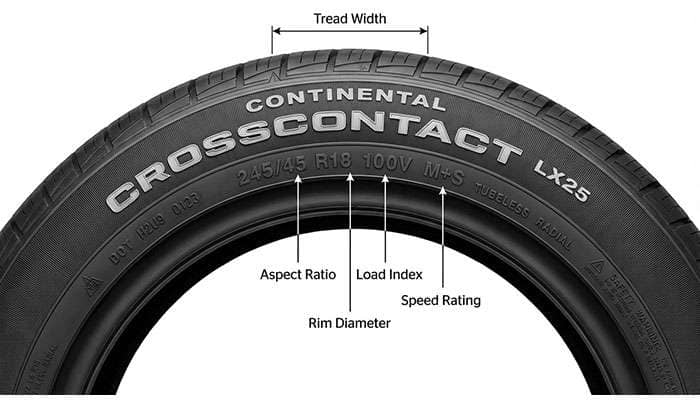
Finding your current tire specifications starts with checking two key locations on your Pilot. Every tire sidewall displays the complete size and construction information you need for replacement shopping. The driver's side door jamb also contains a sticker with factory-recommended tire sizes and pressure specifications for your particular trim level.
Each trim level comes with specific wheel and tire combinations from the factory. The Sport trim rolls on 20-inch Shark Gray alloy wheels, while the EX-L features 18-inch machine-finished alloy wheels. TrailSport models get distinctive 18-inch Shark Gray alloy wheels with cast TrailSport logos. Premium Touring and Elite trims come equipped with 20-inch machine-finished alloy wheels, and the Black Edition showcases 20-inch Gloss Black alloys.
Earlier Pilot generations used different configurations entirely. The 2006-2008 models came with 16-inch wheels measuring 6.5 inches in width, while 2016-2020 models typically featured 245/60R18 tires.
The sidewall markings tell you everything about your tire's construction and capabilities. The first letter indicates tire classification: P designates passenger vehicle tires, while LT means light truck construction. The three-digit number represents tire width measured in millimeters. Following the slash, the aspect ratio shows sidewall height as a percentage of the tire width. R indicates radial construction, followed by wheel diameter in inches. The final numbers and letters specify the load index and speed rating.
Honda changed the bolt pattern specifications between generations. Models from 2003-2008 used a 5x114.3 bolt pattern. Starting in 2008, Honda adopted a 5x120 bolt pattern that remains standard on current models. The center bore measures 64.1mm, with offset typically ranging from 45mm to 50mm depending on the model year. These specifications are crucial when selecting Honda Pilot aftermarket tires and wheels, as proper fitment prevents clearance problems and ensures safe operation.
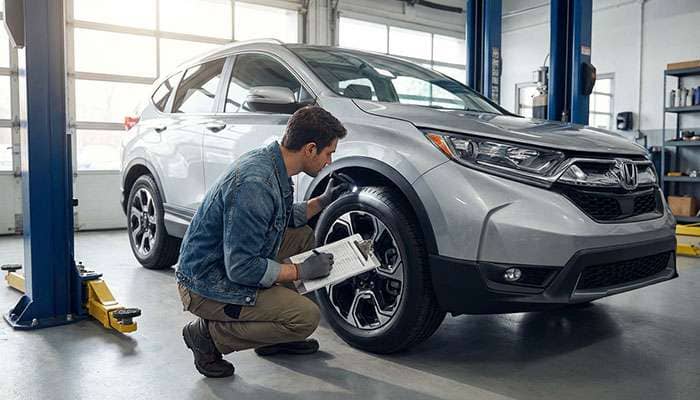
Your daily routes determine which tire features matter most. City driving means handling frequent acceleration, braking, and occasional curb contact, so look for tires with reinforced sidewalls and responsive tread compounds. Highway commuters need tires optimized for sustained speeds, fuel efficiency, and heat resistance to prevent premature wear. Rural areas with gravel, dirt, or unpaved roads require aggressive tread designs that bite into loose surfaces and self-clean debris.
Towing transforms your tire requirements completely. Load range E or higher becomes essential for hauling boats, trailers, or camping equipment. The load index shows maximum weight capacity at recommended pressure, and both specifications must equal or exceed your Pilot's GVWR found on the driver's door placard. Light truck construction with 10-ply ratings provides the sidewall rigidity needed to handle tongue weight without flexing excessively.
Temperature affects tire compound flexibility more than most owners realize. When daily temperatures consistently drop below 44°F, winter tires become necessary as all-season rubber hardens and loses traction. Dedicated winter compounds can cut stopping distances by 26 yards compared to summer tires on snow-covered roads. All-season tires work well for moderate climates but compromise performance at temperature extremes.
Tire warranties span a wide range, typically from 50,000 to 90,000 miles depending on quality level. Premium manufacturers back their products with 60,000 to 80,000-mile coverage, while budget alternatives offer 25,000 to 40,000 miles. Treadwear ratings help compare expected life, though manufacturers self-report these UTQG numbers. A 300 rating theoretically lasts three times longer than the baseline tire.
Tire construction creates up to 10 dB variation in cabin noise levels. Softer compounds absorb road vibration better but typically wear faster, reducing interior noise by 2 to 3 dB. Tread pattern, sidewall stiffness, and overall diameter all influence how much road noise reaches your ears during daily driving.
Daily driving demands tires that deliver consistent performance across varying conditions. The Michelin CrossClimate2 provides stopping distances up to 4.8 meters shorter than competitors on dry surfaces. For enhanced comfort, the Pirelli Scorpion All Season Plus 3 reduces road noise while maintaining excellent grip. The Goodyear Assurance MaxLife extends tread life while improving fuel economy.
Honda Pilot aftermarket tires in this category start at $104 and range up to $300+ depending on size and features. Mileage warranties vary from 20,000 to 85,000 miles across different manufacturers.
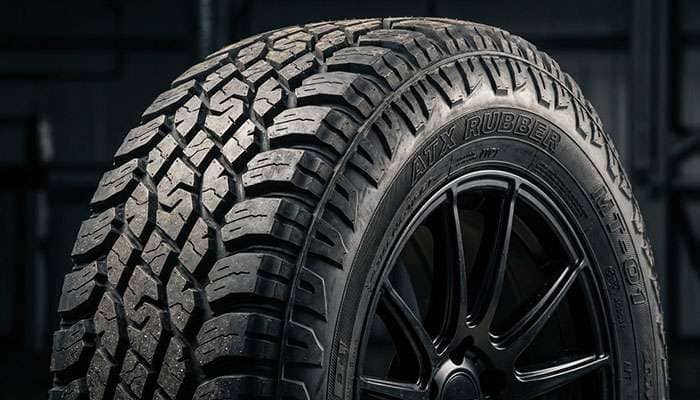
TrailSport owners need tires that handle both pavement and trails effectively. The factory all-terrain tires provide solid off-road capability. Popular upgrades include the Falken WildPeak AT Trail and Nokian Outpost APT, both engineered with aggressive tread patterns for mud and loose surfaces while maintaining quiet highway operation.
Touring and Black Edition models with 20-inch wheels benefit from performance-oriented all-season designs. The Continental CrossContact LX Sport comes standard on select Pilot models, offering enhanced cornering stability.
Winter tires use specialized rubber compounds that stay flexible when temperatures drop below freezing. Install winter tires when your area consistently sees temperatures below 50 degrees Fahrenheit. Most winter tires provide reliable service for three to five seasons with proper storage.
Extended highway driving calls for tires optimized for durability and fuel efficiency. The Michelin Defender LTX M/S and Firestone Destination LE3 excel in these applications.
Wheel diameter significantly impacts ride characteristics. Smaller 18-inch wheels allow more tire sidewall, which absorbs road impacts for improved comfort. Larger 20-inch wheels reduce sidewall height, providing sharper handling response but potentially less comfort on rough roads.
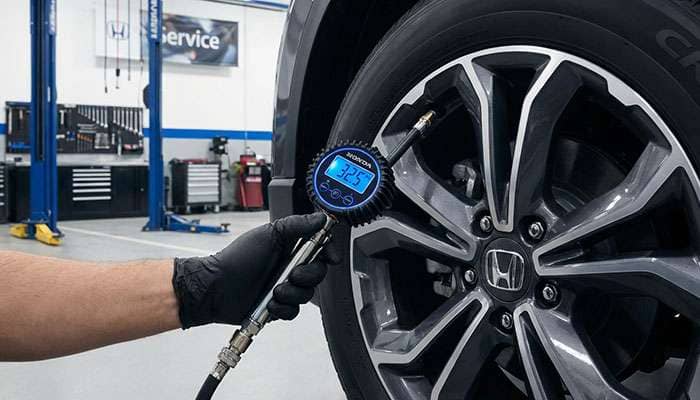
Finding the right retailer matters as much as selecting the right tires. Major national chains like Discount Tire operate over 1,200 locations with honda pilot tire size options ranging from $104 to $300+ depending on specifications. Online retailers like Tire Rack offer convenient ordering with direct delivery, while local tire shops provide hands-on service for your honda pilot wheels installation needs.
We recommend comparing prices across multiple retailers, as promotional pricing can vary significantly throughout the year.
Professional installation ensures optimal performance from your new tires. Modern computerized balancing machines identify weight distribution problems and apply precise counterweights to eliminate vibrations. The balancing process typically takes 15 minutes per wheel, but the investment pays dividends in tire longevity and ride quality.
Wheel alignment should follow tire installation to maximize tread life and prevent your Pilot from pulling to one side. Proper alignment can extend tire life by thousands of miles.
Stick with your vehicle's original tire diameter or follow manufacturer-approved sizing. Changing tire diameter affects speedometer accuracy and can stress drivetrain components. The Tire and Loading Information Label on your driver's side door jamb provides the factory specifications for your specific trim.
When replacing individual tires, ensure the new tire matches the tread depth of existing tires to prevent differential wear on your all-wheel drive system.
Road hazard protection can save hundreds of dollars on unexpected tire damage. Tire Rack includes two-year coverage at no extra cost, covering replacements up to $599 and repairs up to $40 per tire. Discount Tire offers certificates that provide full refunds for tires with more than 3/32" tread depth within three years.
Customer satisfaction with these programs runs high, with 97.1% of certificate users indicating they would purchase protection again. For detailed information on Honda Pilot Aftermarket Tires: Everything You Need To Know, review all available coverage options before finalizing your tire purchase.
Understanding honda pilot tire size specifications, trim requirements, and your driving patterns puts you in the perfect position to select the right tires for your needs. We've covered everything from the best all season tires for honda pilot daily use to specialized options for TrailSport adventures, giving you the knowledge to make a confident decision about honda pilot aftermarket tires.
The key is matching your tire choice to how you actually use your Pilot. Compare warranty options, verify proper fitment, and work with qualified installers who understand your vehicle's requirements. At Performance Plus Tire, we're confident we can help you find the perfect tires that deliver the performance and value your Honda Pilot deserves.
Ready to upgrade your Pilot's performance? Our expert team is here to guide you through the selection process and ensure you get the right fit for your driving style.
Understanding your Honda Pilot's specific tire requirements and driving needs is essential for selecting the right aftermarket tires that enhance performance, safety, and value.
• Know your trim's specifications: Different Pilot trims use different tire sizes - Sport/EX-L typically use 245/60R18, while Touring/Black Edition models require 265/50R20 sizes.
• Match tires to your driving conditions: Choose all-season for daily commuting, all-terrain for TrailSport adventures, or winter tires when temperatures drop below 44°F consistently.
• Consider load capacity for towing: Select tires with load range E or higher and at least 10-ply rating when regularly towing heavy loads with your Pilot.
• Professional installation matters: Proper balancing and alignment during installation prevents premature wear and ensures optimal performance from your new tires.
• Compare warranties before buying: Tire warranties range from 25,000 to 90,000 miles, with premium brands typically offering 60,000-80,000 mile coverage and road hazard protection options.
The right tire choice transforms your Pilot's capabilities while providing long-term value through proper sizing, quality construction, and professional installation.
The tire size varies by trim level. Sport and EX-L trims typically come with 245/60R18 tires on 18-inch wheels, while Touring, Elite, and Black Edition models use larger 265/50R20 tires on 20-inch wheels. The TrailSport features 18-inch wheels with all-terrain tires designed for off-road capability.
18-inch wheels provide more sidewall flex, resulting in improved comfort over bumps and rough roads. 20-inch wheels offer enhanced cornering control due to reduced sidewall height but may decrease comfort on rough pavement. Your choice should depend on whether you prioritize ride comfort or handling performance.
You should install winter tires when ambient temperatures regularly drop below 44°F, as standard tire rubber hardens and loses grip at that threshold. Winter tires use softer rubber compounds that maintain flexibility in freezing temperatures and can reduce stopping distances by up to 26 yards compared to summer tires on snow.
When towing, look for tires with a load range of E or higher to ensure durability when hauling heavy loads. Choose light truck tires with at least a 10-ply rating to provide the sidewall strength needed for trailer tongue weight. Both the load range and load index must meet or exceed your vehicle's GVWR listed on the driver's side door placard.
Tire longevity varies by quality and type. Premium brands typically offer warranties ranging from 60,000 to 80,000 miles, while budget options provide 25,000 to 40,000 miles. All-season tires generally last between 50,000 and 90,000 miles, while winter tires typically last three to five seasons depending on usage and storage conditions.



