
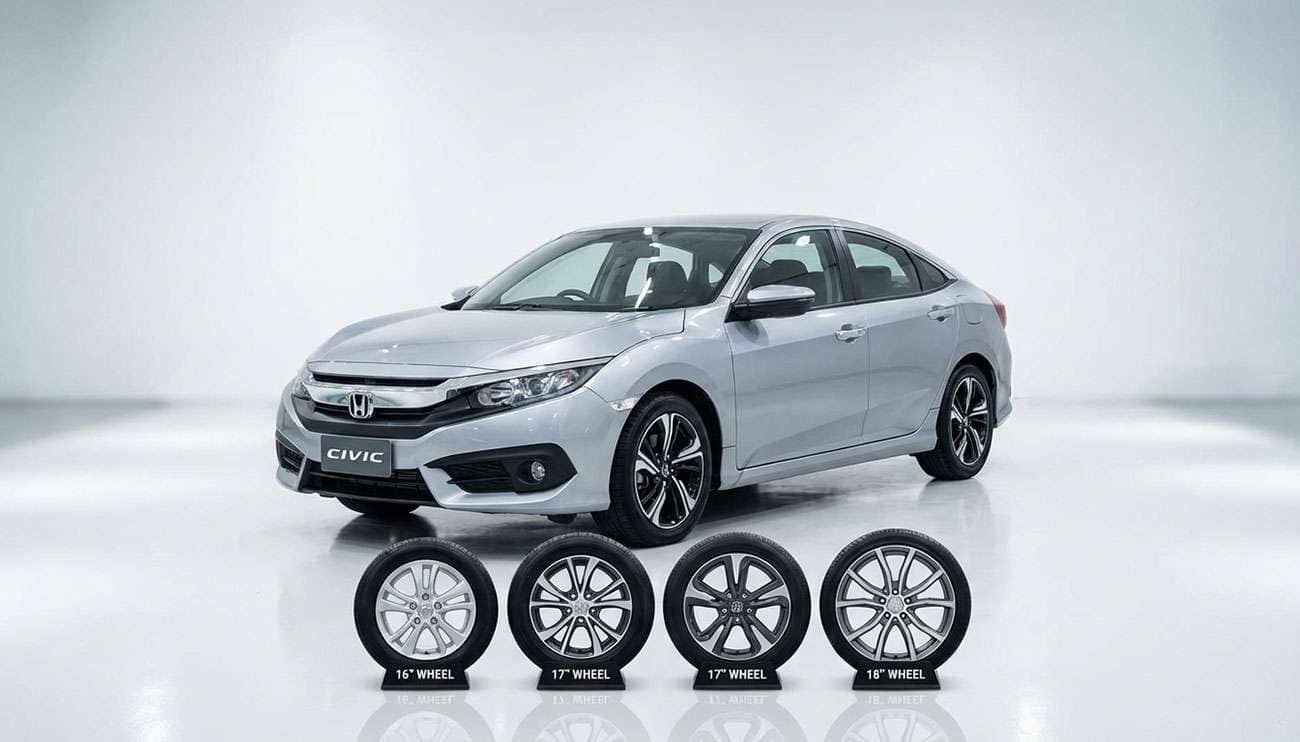
Stock Honda Civics roll on 16-inch steel wheels with a modest 7-inch width. This factory specification becomes your foundation when upgrading to Honda Civic aftermarket tires.
Selecting the right honda civic tires and rims goes beyond appearance – you're enhancing performance while maintaining safety. The 11th generation Civic accommodates fitment options from 16×7 to 18×9.5 wheels, but we recommend staying within 2 inches taller or 1.5 inches wider than your factory setup. The right honda civic aftermarket wheels deliver improved handling and reduced unsprung weight. Choose incorrectly, and you'll face rubbing issues or compromised driving dynamics.
Most Civic owners find 17-inch wheels offer the ideal balance, delivering better performance without sacrificing comfort. Your specific model's requirements matter before making any purchase decisions. Factory Civic tire widths range from 155mm to 255mm with profiles between 30 and 75, providing substantial selection options.
We'll guide you through each step of selecting the perfect honda civic custom rims and tires. Our approach ensures you make informed decisions that enhance both appearance and performance of your vehicle.
Understanding your vehicle's factory specifications is essential before shopping for Honda Civic aftermarket tires. These details form the foundation for making informed upgrade decisions that work with your specific Civic model.
Honda Civics feature a 5×114.3mm bolt pattern across multiple generations, making wheel compatibility straightforward. This measurement represents five lug nuts arranged in a circle with a 114.3mm diameter (also called 5×4.5 inches). Understanding this specification prevents costly compatibility mistakes when selecting honda civic aftermarket wheels.
Lug thread specification requires equal attention. Honda uses M12×1.5 thread pitch lugs, meaning each lug measures 12mm in diameter with threads spaced 1.5mm apart. Incorrect lug nuts damage wheels and create serious safety hazards.
Verifying your specific model's bolt pattern takes just a few minutes:
Your owner's manual lists specifications in the technical section
Measure the distance between centers of opposite lug holes
Check inside your current wheel where the pattern is often stamped
Getting these measurements right ensures your honda civic custom rims fit properly and perform safely.
Factory rim sizes depend on your Civic's generation and trim level. Newer Civic models (10th and 11th gen) come with wheels ranging from 16×7 inches on base models to 18×8 inches on sport and touring trims. The first number represents diameter while the second indicates width.
Your OEM tire size follows a standard format like "215/55R16" which appears on your sidewall. Breaking this down:
215 = width in millimeters
55 = aspect ratio (tire height as percentage of width)
R = radial construction
16 = wheel diameter in inches
Honda Civic rim sizes have evolved over generations, with later models featuring larger wheels for improved handling and appearance. Knowing your original equipment helps you understand what modifications will work with your vehicle's design tolerances. Recording this information ensures you can return to stock configuration if needed.
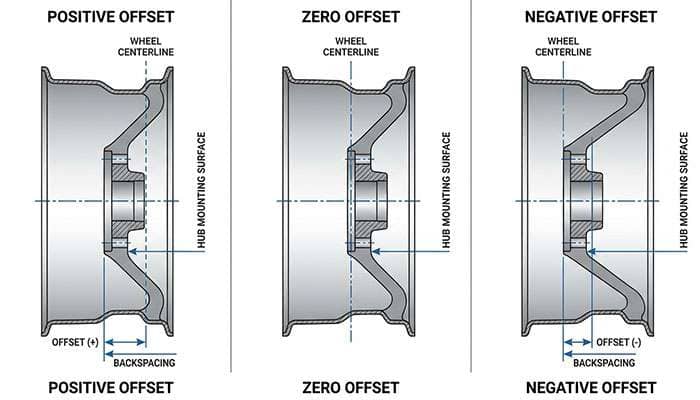
Wheel offset represents the most technical yet critical specification for proper fitment. Measured in millimeters, offset describes where the mounting surface sits relative to the wheel's centerline. Honda Civics feature positive offset ranging from +35mm to +55mm depending on generation and trim level.
Correct offset positions your tires properly within the wheel wells. Honda civic aftermarket rims with insufficient offset (lower numbers) push tires beyond the fender line. Excessive offset (higher numbers) causes rubbing against suspension components.
The center bore—the hole in the wheel's center that positions it on the hub—demands equal attention. Honda Civics use a 64.1mm center bore. Unlike bolt patterns where adapters provide solutions, center bore must match exactly or use hub-centric rings for larger bores to ensure proper fitment.
These factory specifications form the foundation for selecting honda civic custom rims that enhance both performance and appearance. Starting with accurate measurements prevents costly mistakes and ensures your aftermarket upgrades complement your vehicle's design rather than compromising functionality.
Selecting the right honda civic rim size is your first critical decision when upgrading. Wheel diameter affects everything from handling characteristics to daily driving comfort.
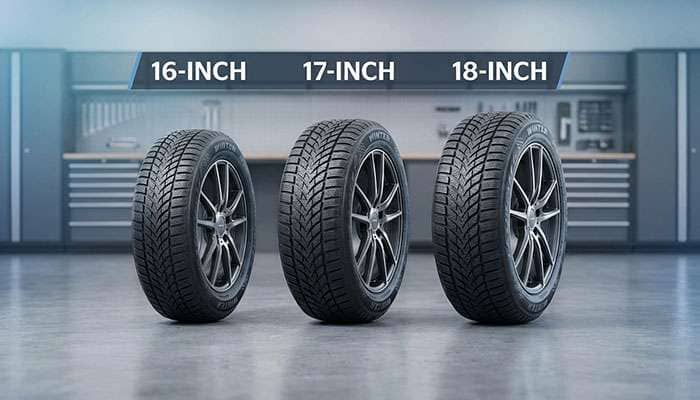
Wheel diameter creates significant performance differences that every Civic owner needs to understand. Controlled tests comparing identical tire models across different wheel sizes reveal important distinctions:
16-inch wheels deliver the most comfortable ride quality and generally provide better wet traction. The larger sidewalls function as additional suspension components, absorbing road imperfections before they reach your chassis. These wheels typically weigh less than larger options, reducing rotational mass for improved acceleration.
17-inch wheels hit the sweet spot for most honda civic aftermarket wheels enthusiasts. We see sharper handling compared to 16-inch setups while maintaining reasonable comfort levels. Some tests found 18-inch wheels produce the most noise, with 17-inch configurations actually delivering the quietest overall ride.
18-inch wheels provide the most responsive dry handling and cornering stability. Reduced sidewall height creates less flex during aggressive driving, delivering more immediate steering response. Larger wheels often mean a wider track, improving stability during cornering. However, this comes at the cost of reduced ride comfort and slightly lower fuel efficiency.
Unsprung weight—the mass not supported by your suspension—directly affects handling and acceleration. Lighter wheels improve your Civic's ability to maintain tire contact with the road surface over bumps and imperfections.
Forged wheels reduce weight significantly compared to cast alternatives but command premium prices. For daily drivers, the weight difference between quality 17-inch and 18-inch wheels often proves minimal. Track enthusiasts benefit most from weight reduction, where every pound affects lap times.
Consider total wheel and tire weight rather than wheel weight alone. A lightweight 18-inch wheel with a heavy performance tire may weigh more than a standard 17-inch setup with touring tires.
Tire profile—the sidewall height as a percentage of width—must change when you modify wheel size. Maintaining overall tire diameter keeps your speedometer accurate and prevents clearance issues.
Online tire calculators eliminate guesswork when changing wheel sizes. Enter your current tire size and proposed new size to see the diameter difference expressed as a percentage.
Stay within 3% of your original tire diameter to avoid:
Speedometer and odometer inaccuracies
ABS and traction control system errors
Altered gear ratios affecting acceleration and fuel economy
Potential fender and suspension clearance problems
A 215/55R16 tire measures approximately 25.3 inches in diameter. Moving to 17-inch wheels requires a lower profile tire like 225/45R17 (also approximately 25 inches) to maintain proper diameter.
Every tire carries a speed rating indicating its maximum safe operating speed. Your replacement tires should match or exceed your original equipment rating. Common ratings for Civic applications include:
H: 130 mph (adequate for most daily drivers)
V: 149 mph (sport-oriented applications)
W: 168 mph (high-performance requirements)
Load index numbers indicate maximum weight capacity per tire. Never downgrade from your factory specification. A Civic typically requires load indexes between 84-94, supporting 1,102 to 1,477 pounds per tire.
Different wheel diameters require specific profile ranges for proper fitment:
For 17-inch wheels, profiles between 40 and 50 work best. A 225/45R17 or 215/50R17 maintains close to original diameter while providing appropriate sidewall height for comfort and protection.
For 18-inch wheels, profiles between 35 and 40 are typical. A 235/40R18 or 225/40R18 keeps diameter reasonable while providing the low-profile appearance many enthusiasts prefer.
Lower profiles increase road feel and steering response but reduce protection against pothole damage. Consider your local road conditions when selecting profile height.
Tire width and wheel width must correspond for proper tire shape and performance. Mismatched combinations create handling problems and accelerated wear.
Wider tires require attention to offset changes. A tire 20mm wider than stock extends approximately 10mm in each direction. Without offset adjustment, wider tires may contact suspension components or extend beyond fenders.
General width guidelines for common Civic wheel widths:
7-inch wheels: 205-225mm tires
7.5-inch wheels: 215-235mm tires
8-inch wheels: 225-245mm tires
8.5-inch wheels: 235-255mm tires
Staying within recommended ranges ensures proper tire shape. Too narrow a tire on a wide wheel creates a "stretched" appearance with reduced sidewall protection. Too wide a tire on a narrow wheel causes excessive sidewall bulge and unpredictable handling.
Civic owners frequently encounter rubbing despite seemingly appropriate specifications. One owner experienced fender contact using 255/40R18 tires on 18x8.5 +35 wheels despite adequate clearance appearance.
Prevent clearance problems with these guidelines:
Keep within 1-2 inches of factory wheel diameter
Limit width increases to 1.5 inches beyond stock
Consider slight negative camber adjustments for wider setups
Test clearance at full suspension compression, particularly with lowered suspensions
Avoid extreme fitment changes unless you're prepared for modifications like fender rolling or suspension adjustments.

Your driving habits determine which Honda Civic aftermarket tires deliver the best results. Different applications require specific combinations to maximize performance.
Daily drivers benefit from touring or grand touring tires that prioritize comfort and longevity. The Continental TrueContact Tour delivers an impressive 80,000-mile warranty compared to budget options lasting around 40,000 miles. The Yokohama Avid Ascend GT and General Altimax RT45 provide excellent wet traction without sacrificing comfort.
Michelin CrossClimate2 all-season tires stop 17 feet shorter on wet pavement than budget alternatives - approximately one full Civic length. This stopping distance difference can prevent accidents.
Track enthusiasts need ultra-high-performance tires capable of handling aggressive cornering. The Civic Type R runs 245/30R20 tires from the factory, but many track drivers downsize to 18" wheels for weight reduction while maintaining grip.
Dedicated track setups include:
Bridgestone Potenza Sport (superior dry/wet grip)
Continental ExtremeContact Sport 02 (balanced performance)
Pirelli P Zero (firm grip, superior stability)
Stance builds prioritize appearance over performance, typically running stretched tires on wider wheels. A 215/40R17 on 10" wide wheels creates dramatic visual appeal. Premium tires remain worthwhile even for show cars, delivering measurably better braking performance.
Check Performance Plus Tire's Honda Civic selection to find the ideal balance for your specific driving style.
Selecting the right Honda Civic aftermarket tires comes down to matching your specific needs with proper specifications. Wheel diameter, offset, tire profile, and fitment must work together to create a successful setup. Stay within 1-2 inches of your factory wheel diameter and limit width increases to 1.5 inches beyond stock to avoid most common problems.
Your driving style determines your ideal selection. Daily drivers get the most value from touring tires that emphasize comfort and longevity. Track enthusiasts need ultra-high-performance options that handle aggressive cornering. Show builds might choose stretched tires for visual impact, but premium rubber still delivers better braking performance regardless of your priorities.
Incorrect sizing triggers ABS warnings, affects speedometer accuracy, and creates dangerous clearance issues. Tire size calculators and factory specifications provide your starting points for any upgrade. Most Civic owners discover that 17-inch wheels offer the best balance between comfort and handling.
Check Performance Plus Tire's Honda Civic selection to explore compatible options designed for your specific model. The perfect aftermarket wheel and tire package enhances both performance and appearance without compromising safety or reliability. You now have the knowledge to make informed decisions that transform your Civic's appearance and driving experience.
Master these essential steps to upgrade your Honda Civic with aftermarket tires that enhance performance while maintaining safety and reliability.
• Know your factory specs first: Check bolt pattern (5×114.3mm), offset (+35 to +55mm), and center bore (64.1mm) before shopping for wheels • Choose wheel size based on priorities: 16" for comfort, 17" for balanced performance, 18" for maximum handling but reduced fuel economy • Match tire profiles correctly: Use 55-60 profiles for 16" wheels, 45-50 for 17", and 35-40 for 18" to avoid clearance issues • Stay within safe sizing limits: Don't exceed 2 inches larger diameter or 1.5 inches wider than stock to prevent rubbing and system warnings • Consider your driving style: Daily drivers need touring tires for comfort, track enthusiasts require ultra-high-performance options for grip
The key to successful Honda Civic tire upgrades lies in balancing esthetics with functionality. Proper fitment prevents costly issues like ABS warnings, speedometer inaccuracy, and dangerous clearance problems that can compromise your vehicle's safety systems.
While it's possible to use different tire sizes, it's important to do so carefully. You can typically upgrade from 16-inch to 17-inch or 18-inch wheels with the correct tire profile. However, keep in mind that while upsizing may improve esthetics and handling, it can also reduce ride comfort and fuel efficiency.
Consider your driving habits and needs. For daily commuting on highways and city streets, all-season tires are a reliable choice. If you prioritize performance, ultra-high-performance tires might be better. For comfort and longevity, touring tires are ideal. Always ensure the tires match your wheel size and vehicle specifications.
The 3% rule suggests that your new tire size should not deviate more than 3% from the original equipment manufacturer (OEM) tire size. This helps maintain the accuracy of your speedometer and odometer, and prevents issues with your vehicle's ABS and stability control systems.
Tire sizes for Honda Civics vary depending on the model year and trim level. Common sizes range from 195/65R15 for older models to 235/40R18 for newer, sportier trims. Always check your vehicle's manual or door jamb sticker for the recommended tire size.
Wheel size significantly impacts your Civic's performance. Larger wheels (17" or 18") generally improve handling and cornering stability but may reduce ride comfort and fuel economy. Smaller wheels (16") offer a more comfortable ride and better fuel efficiency but may not provide as sharp handling. Choose based on your priorities between performance, comfort, and efficiency.



