
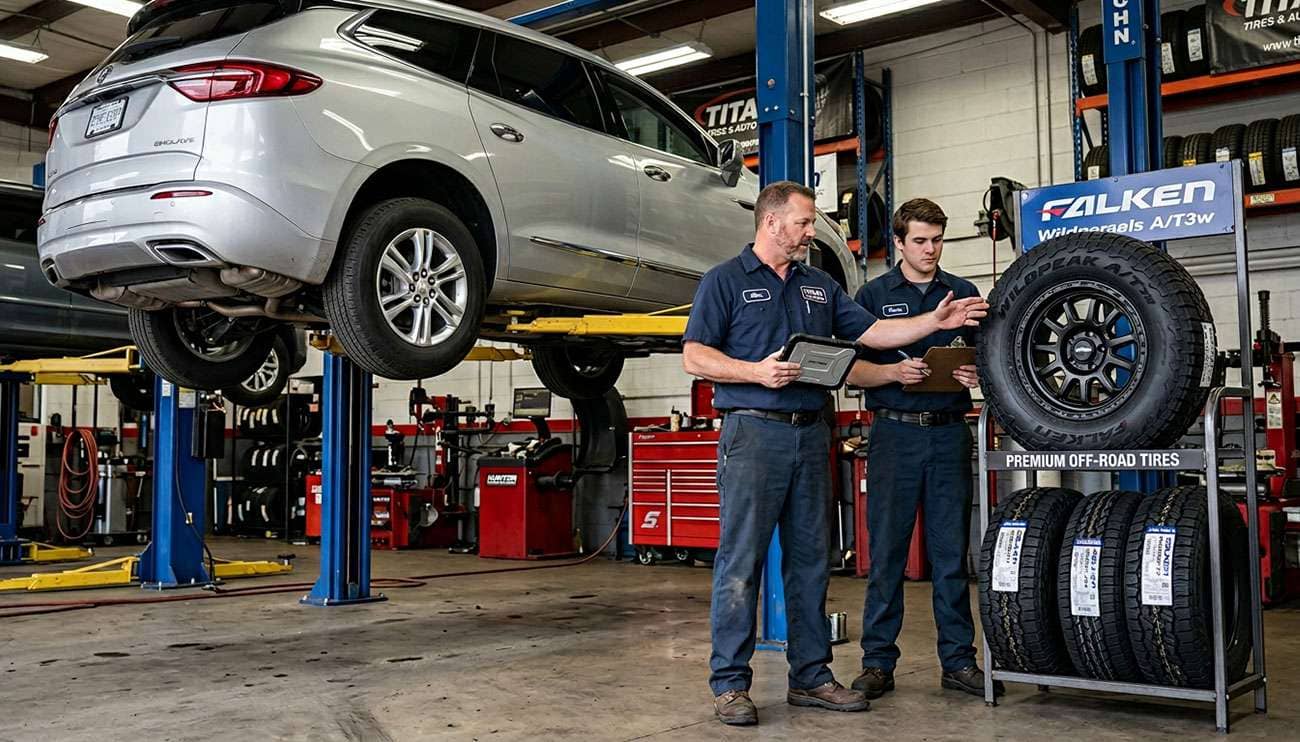
Your Buick Enclave needs new tires around the 50,000-mile mark, and selecting the right Buick Enclave aftermarket tires becomes much easier when you understand your options. We offer the best selection of aftermarket tires designed specifically for your Enclave, whether you need all-terrain options for mixed driving, performance tires for enhanced handling, winter tires for snow-covered roads, or run-flat options for added safety.
Finding the perfect tire for your Enclave means matching the right specifications to your driving conditions. From understanding buick enclave tire size requirements for 2012 buick enclave tire size and 2013 buick enclave tire size models to selecting the best tire for buick enclave based on where you drive most often, we'll guide you through every consideration. Our goal is helping you make the right choice that delivers the performance, safety, and value you expect from your buick enclave tires replacement.
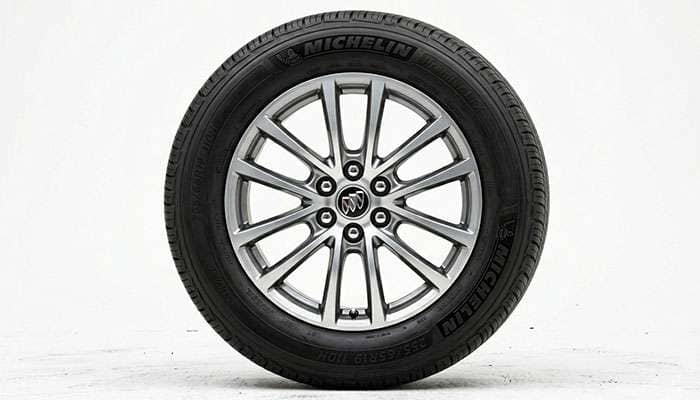
Understanding tire specifications is important before making a purchase. When it comes to your Buick Enclave, getting the right tire size ensures proper fitment and optimal performance.
Your Enclave's tire size information appears in three key locations:
The sticker inside the driver's side door jamb
Your vehicle's owner's manual
The sidewall of your current tires
The door jamb sticker provides the most accurate information, showing both original equipment tire size and tire pressure specifications. Buick Enclave tire pressure ranges between 32 and 35 psi, with front tires typically requiring 35 psi and rear tires needing 32 psi.
Tire size codes become clear once you understand each component. A typical Buick Enclave tire reads P255/60R19, where each element tells you specific details.
The letter P indicates a passenger vehicle tire. The number 255 represents tire width in millimeters, measured from sidewall to sidewall. The aspect ratio of 60 means the sidewall height equals 60 percent of the tire's width.
The letter R stands for radial construction, where internal cords run straight across the tire. Radial tires deliver longer life, smoother rides, and better fuel efficiency compared to older bias-ply designs. The final number 19 indicates wheel diameter in inches.
You'll also find load index and speed rating at the end. The load index shows how much weight each tire supports when properly inflated. A 95 load index supports approximately 1,521 pounds per tire. Speed ratings use letters, with H rated for speeds up to 130 mph.
The 2012 Buick Enclave uses either 255/60R19 or 255/55R20 tires. Factory installations typically featured Bridgestone Dueler H/L Alenza, Goodyear Eagle RS-A, and Michelin Latitude Tour options.
Earlier models from 2008-2009 came with 255/65R18 for CX trims and 255/60R19 for CXL trims. Models from 2018 forward feature 255/65R18 for base models and 255/55R20 for Avenir trims.
Both 2012 and 2013 Buick Enclave models use identical tire size specifications. Both years accommodate either 255/60R19 or 255/55R20 tires for AWD and FWD versions. This consistency makes tire shopping straightforward for owners of these model years.
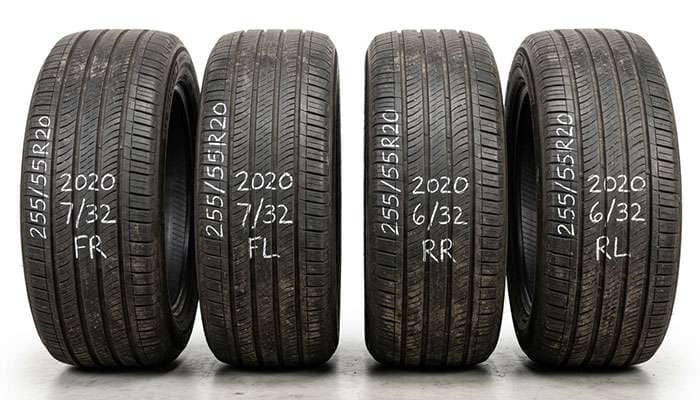
Choosing the right tire category for your Enclave depends on your driving habits and local climate conditions. Our extensive selection of Buick Enclave aftermarket tires covers every driving need, from daily commuting to weekend adventures.
All-season tires provide reliable traction across dry, wet, and light winter conditions. These tires use moderate tread depths with straight and diagonal grooves designed for year-round dependability. The rubber compounds remain flexible across temperature ranges from hot summer days to mild winter conditions, delivering longer tread life than specialized seasonal options.
Popular choices include the Bridgestone Alenza A/S Ultra with an 80,000-mile warranty and Continental CrossContact LX25 offering up to 70,000 miles of coverage. However, rubber compounds stiffen below 45°F, which reduces grip on icy surfaces. For most Enclave owners, all-season tires deliver the best balance of performance and convenience.
Performance tires feature low-profile sidewalls and large tread blocks that enhance cornering precision and road grip. Soft rubber compounds create wider contact patches for maximum traction during spirited driving. Speed ratings typically exceed 100 mph, making these tires suitable for performance-oriented driving.
The trade-offs include increased road noise, shorter tread life, and reduced fuel economy due to higher rolling resistance. These tires work best for drivers who prioritize handling over comfort and longevity.
Winter tires use specialized rubber compounds that stay flexible in freezing temperatures. Deep grooves and biting edges bite into snow and ice, while channels move water and slush away from the contact area. Look for the three-peak mountain snowflake (3PMSF) symbol, which indicates the tire meets severe snow service standards.
The Michelin X-Ice Snow offers a 60,000 km warranty with exceptional ice braking performance. Always install winter tires in complete sets of four to maintain balanced handling characteristics.
All-terrain tires handle both paved roads and off-road surfaces effectively. Deeper tread patterns provide enhanced traction on various surfaces including loose snow and mud. These tires may wear faster than highway-focused designs and generate more road noise. They're ideal for Enclave owners who frequently drive on unpaved roads or need extra traction capability.
Run-flat tires use reinforced sidewall construction that supports your Enclave even when deflated, allowing up to 50 miles of driving at 50 mph. Self-sealing tires contain an inner sealant layer that automatically plugs punctures up to 5mm, preventing air loss. Run-flat tires cost more and provide a firmer ride, while self-sealing options maintain similar comfort levels to conventional tires.
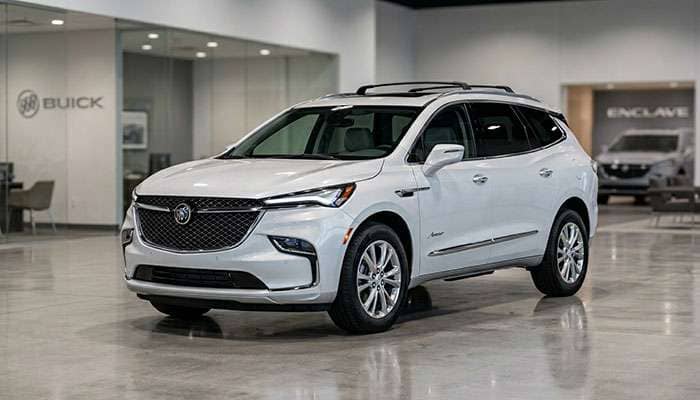
Choosing the right tires for your Enclave requires evaluating six critical factors that determine how your tires will perform in real-world conditions.
Temperature determines which tire type works best for your situation. All-season tire rubber stiffens below 45°F, losing grip on icy surfaces. Winter tires remain flexible in freezing conditions and provide superior traction when temperatures drop. Hot, dry climates like Arizona favor summer tires for optimal handling characteristics.
Tire warranties typically range from 50,000 to 90,000 miles. The Bridgestone Turanza QuietTrack includes an 80,000-mile warranty, while Michelin Defender LTX M/S2 covers 70,000 miles for P-metric sizes. Remember that prorated warranty credits require rotation receipts every 5,000 to 7,500 miles.
Speed ratings tell you maximum safe operating speeds. H-rated tires handle up to 130 mph, while V-rated options reach 149 mph. Always match or exceed your manufacturer's specifications. A load index of 94 supports 1,477 pounds per tire.
Individual tire prices range from $100 to $1,000 per tire. Professional installation adds approximately $22 per tire for mounting and balancing services. Road hazard protection typically costs $10 to $20 per tire.
Michelin, Bridgestone, and Continental consistently rank highest in independent performance testing. Pirelli demonstrates excellent performance across all tire categories.
Touring tires provide the quietest ride quality. Advanced rubber compounds and optimized tread designs can reduce cabin noise by up to 10 dB(A).
Online retailers deliver competitive pricing and convenient shopping for Buick Enclave aftermarket tires. SimpleTire combines professional service with hard-to-find inventory by accessing both warehouse and brick-and-mortar store stocks. Discount Tire guarantees lowest prices and stocks every buick enclave tire size, including 255/65R18, 255/60R19, and 255/55R20 options. TireRack ships directly to installers or provides mobile installation at your location.
Buick dealerships offer competitive pricing through their Tire Price Match Guarantee on eligible brands like Michelin, Bridgestone, and Goodyear, plus they'll refund price differences found within 30 days. Most customers receive valuable perks, with 82 percent getting complimentary tire rotation, balancing, and mounting.
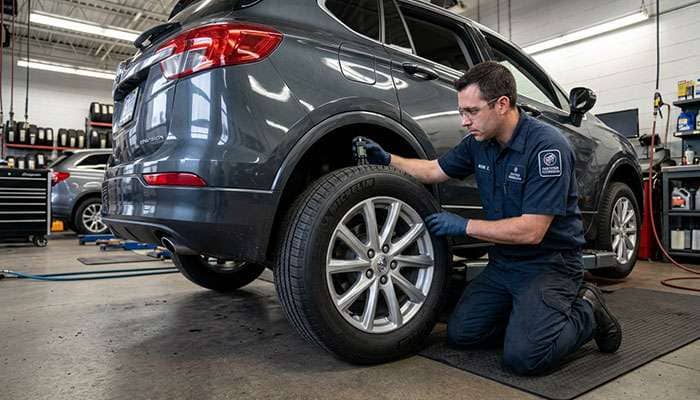
Professional installation runs approximately USD 16.00 per tire at Discount Tire, with total fees reaching around USD 125.00 per set after all shop charges. Professional technicians use calibrated torque wrenches, verify exact fitment specifications, and balance tires properly to eliminate vibrations.
DIY mounting demands tire machines, bead lubricant, and precision balancing equipment. Without proper tools and careful rim preparation, tire beads won't seat correctly, creating air leaks and balance problems.
Rotate your tires every 5,000 to 8,000 miles according to your owner's manual recommendations. Regular rotations extend overall tread life and prevent uneven wear patterns. Professional rotation services cost around USD 60.00, though many tire retailers include free rotation with tire purchases.
Selecting the right Buick Enclave aftermarket tires comes down to matching specifications to your driving needs and local conditions. Understanding buick enclave tire size requirements, evaluating performance characteristics, and balancing warranty coverage with budget constraints gives you the foundation for making the right choice.
Start with your climate and driving conditions, then consider the tire types that best serve your needs. Regular maintenance and proper rotation schedules will maximize your investment and keep your Enclave performing at its best for years to come.
Making the right tire choice for your Buick Enclave requires understanding specifications, matching tires to your driving conditions, and balancing performance with budget considerations.
• Check your door jamb sticker for accurate tire size - most Enclaves use 255/60R19 or 255/55R20 specifications • Choose tire type based on climate: all-season for moderate conditions, winter tires below 45°F, performance for enhanced handling • Factor in total cost including installation ($125 per set) and prioritize warranties ranging 50,000-90,000 miles • Rotate tires every 5,000-8,000 miles to maximize tread life and prevent uneven wear patterns • Compare prices across online retailers, dealerships, and local shops - many offer price matching and free installation perks
Professional installation ensures proper mounting, balancing, and safety compliance, making it worth the investment for most drivers. Regular maintenance and choosing reputable brands like Michelin, Bridgestone, or Continental will deliver optimal performance and longevity for your investment.
Q1. Does wheel size affect ride comfort on SUVs like the Buick Enclave? Yes, wheel size significantly impacts ride comfort. Smaller wheels (like 19" or 20") allow for taller tire sidewalls, which provide more cushioning and a smoother ride. Larger wheels (21" or 22") have shorter sidewalls, resulting in better handling but a firmer, bumpier ride. The tire sidewall acts as part of your vehicle's suspension system, so more rubber between the wheel and road means better shock absorption.
Q2. How do I determine the correct tire size for aftermarket wheels? Before purchasing tires for aftermarket wheels, you need to know three key measurements: wheel diameter (such as 19" or 20"), wheel width (like 9.5" or 10.5"), and offset. These specifications determine which tire sizes will mount properly and perform safely. You can find your vehicle's recommended tire size on the sticker inside the driver's door jamb or in your owner's manual.
Q3. What do the numbers on tire sidewalls mean? Tire size codes like P255/60R19 contain specific information: "P" indicates a passenger vehicle tire, "255" is the width in millimeters, "60" represents the aspect ratio (sidewall height as a percentage of width), "R" means radial construction, and "19" is the wheel diameter in inches. Additional numbers indicate load capacity and speed rating.
Q4. Are larger tires more expensive to replace? Generally, yes. Tires for larger wheels typically cost more than those for smaller wheels. Beyond the tire price itself, you'll also need to budget for installation costs, which average around $125 per set for mounting, balancing, and disposal fees. Choosing smaller wheel sizes when possible can reduce both initial tire costs and long-term replacement expenses.
Q5. How often should I rotate my tires to maximize their lifespan? You should rotate your tires every 5,000 to 8,000 miles according to your owner's manual recommendations. Regular rotation helps prevent uneven wear patterns and extends overall tread life. Many tire retailers offer free rotation services with tire purchases, though standalone rotation typically costs around $60 if you need to pay for the service.



