Most drivers check tread wear religiously but ignore tire age completely. This oversight creates serious safety risks. Tire manufacturers recommend replacement after 6 years, regardless of remaining tread.
Rubber compounds break down naturally over time, even when tires look perfect. The industry standard calls for tire replacement every 6 years or 50,000–60,000 miles, whichever comes first. Never keep tires longer than 10 years, no matter how good they appear.
Legal minimum tread depth sits at 2/32 inches in most states. We recommend earlier replacement for optimal safety: 4/32 inches for summer driving and 6/32 inches for winter conditions. These deeper treads provide substantially better wet-weather traction and stopping power.
Temperature changes affect tire performance dramatically. Tires lose approximately 2% air pressure with every 10-degree temperature drop. This pressure loss accelerates wear patterns and reduces safety margins if left unchecked.
We'll walk you through the exact methods to determine replacement timing, identify critical warning signs, and share proven techniques to maximize tire life while keeping you safe on every drive.
Understanding tire lifespan helps you plan replacements before safety becomes an issue. Tires don't last forever, but knowing what to expect makes budgeting and maintenance much easier.
Standard passenger car tires typically deliver 40,000 to 60,000 miles under normal driving conditions. Family car tires often exceed 70,000 miles with proper care.
The type of tire you choose makes a significant difference. All-season tires provide the best balance of performance and durability, usually lasting 50,000-70,000 miles with regular maintenance. Performance tires wear faster due to their softer rubber compounds—expect 30,000-40,000 miles. Ultra-high-performance tires may only last 25,000 to 30,000 miles.
Premium options can dramatically exceed these averages. Two top-rated Michelin tires are projected to deliver 95,000 and 100,000 miles of tread life.
Tire manufacturers agree on replacement timelines despite different brand approaches. Rubber compounds degrade naturally over time, leading most to recommend replacement after 6-10 years regardless of appearance.
Here's what major manufacturers specify:
Michelin: Inspection after five years, replacement after ten years maximum
Bridgestone: Remove from service after ten years
Goodyear: Replace after six years in service
This aging happens because oxygen penetrates rubber, breaking it down at the molecular level. The rubber hardens, becomes brittle, and loses elasticity and strength.
Replace tires every 6 years or 50,000-60,000 miles, whichever comes first. Determining exact timing requires considering factors beyond calendar age.
Tread depth thresholds change with seasons. Replace tires when tread reaches 4/32 inches for summer driving and 6/32 inches for winter conditions. The legal minimum of 2/32 inches provides minimal wet-weather protection.
Your driving style affects replacement frequency. Aggressive driving with frequent hard braking accelerates wear. Geographic factors also matter—extreme temperatures, rough roads, and high-humidity environments shorten tire life substantially.
Regular maintenance practices, especially rotation every 5,000-7,000 miles and proper inflation, are essential for maximizing tire lifespan.
Knowing exactly when your tires need replacement saves money and prevents dangerous situations. We'll show you the most reliable methods to assess tire condition.
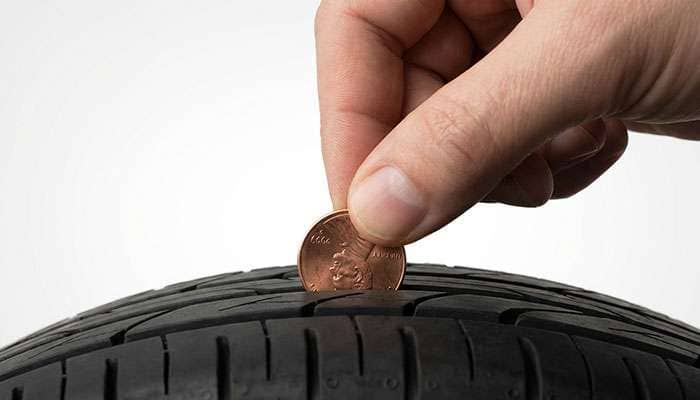
The penny test provides a quick assessment of minimum legal requirements. Here's the correct procedure:
Insert a penny into the tire's tread groove with Lincoln's head facing downward
Look at Lincoln's head from straight on
If you can see all of Lincoln's head, your tread depth is less than 2/32 inch, meaning immediate replacement is necessary
Test multiple spots across each tire, as uneven wear patterns are common. Check various grooves around the tire's circumference for the most accurate assessment.
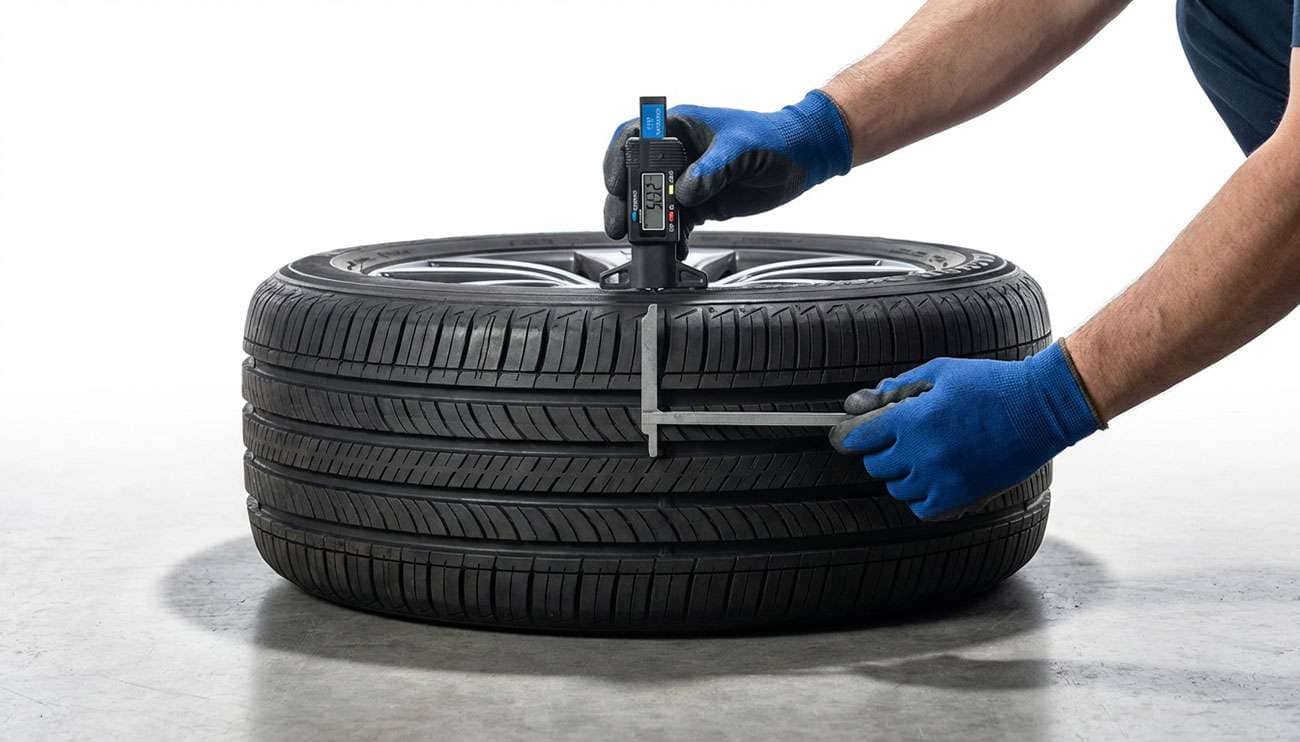
A calibrated tread depth gage delivers precise measurements that coins simply can't match. To use one properly:
Ensure the gage reads 0/32 by pressing it against a flat surface
Insert the measuring pin into the center of the main tread groove
Push down until the base makes firm contact with surrounding tread
Remove the gage carefully without touching the measuring pin
Take multiple readings approximately 15 inches apart, then calculate the average. This method provides the accuracy needed for informed replacement decisions.
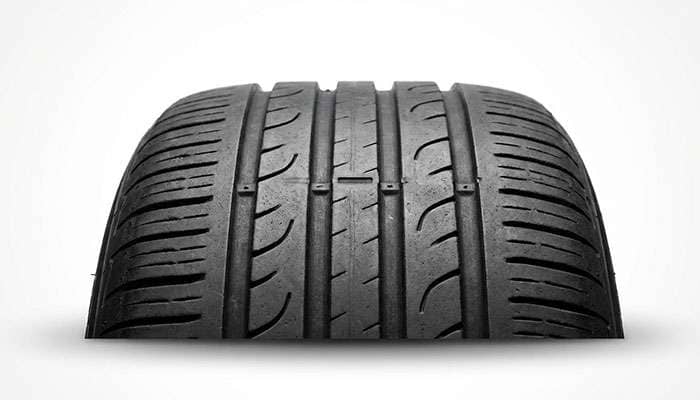
Most tires include built-in wear indicators—small raised bars between tread ribs that appear as tires wear down. These indicators sit precisely at 2/32 inch. When your tread becomes flush with these bars, replacement becomes mandatory.
The legal minimum tread depth in most states is 2/32 inch. This minimum provides inadequate protection during adverse weather conditions.
For optimal safety, follow these guidelines:
4/32 inch or less: Replace tires for wet-weather driving
5/32 inch or less: Replace for snow driving conditions
6/32 inch or greater: Safe for most driving conditions
Don't wait until you reach legal minimums before replacing tires. Your safety depends on maintaining adequate tread depth well beyond minimum legal requirements.
Tread depth tells only part of the story. Your tires can fail catastrophically even with adequate tread remaining. Watch for these danger signals that demand immediate attention.
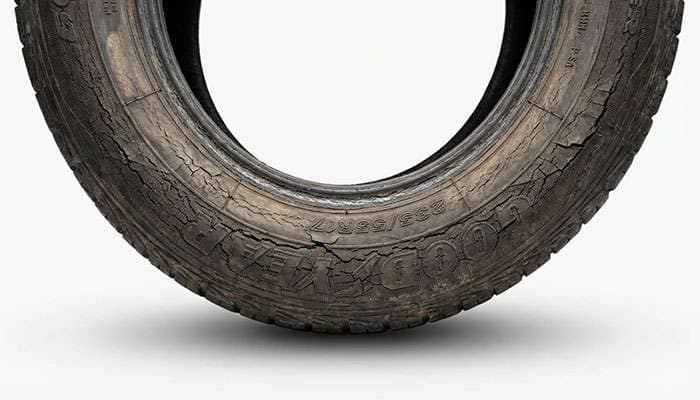
Cracks in the sidewall mean the rubber has deteriorated beyond safe limits. Age, UV rays, and road chemicals cause this breakdown over time. Bulges or bubbles indicate internal structural failure from impact damage. These weak spots can explode without warning, especially at highway speeds.
Replace tires immediately when you spot any sidewall damage. The risk of sudden blowout far outweighs any remaining tread life.
Your vehicle communicates tire problems through unusual noises and vibrations. Humming or thumping sounds often signal [uneven tread wear] that creates dangerous handling issues. Vibrations between 50-70 mph typically indicate tire imbalance or internal damage.
Steering wheel shake points to front tire problems. Vibrations through the seat or floorboard suggest rear tire issues. These symptoms worsen rapidly and compromise vehicle control.
Tires that lose 3 PSI overnight have serious seal problems. Needing air weekly indicates failing valve stems or bead seals. Listen for hissing sounds around the valve or rim - these persistent leaks require professional diagnosis.
Small leaks become big problems quickly. Address pressure loss immediately to prevent tire failure.
Tire wear patterns expose vehicle issues that shorten tire life. Feathering - smooth on one edge, sharp on the other - means alignment problems exist. Center wear indicates overinflation, while edge wear suggests underinflation.
Cupping creates scalloped depressions across the tire surface. This pattern typically results from worn shocks or struts that allow excessive tire bouncing.
Correct the underlying cause before installing new tires, or the replacement set will wear prematurely.
Smart maintenance practices can double your tire lifespan while keeping you safer on every drive. These proven techniques protect your investment and prevent premature replacements.
Regular rotation distributes wear evenly across all four tires. This simple step extends tread life substantially and maintains consistent handling characteristics. Schedule rotations with oil changes for easy maintenance tracking.
Proper inflation is critical for tire longevity and fuel economy. Underinflated tires reduce fuel efficiency by up to 3.3%. Check pressure when tires are "cold"—after sitting for at least three hours. Remember that pressure drops approximately 1 PSI for every 10°F temperature decrease.
Overloading creates excessive tire heat and abnormal sidewall flexing. This increases rolling resistance and fuel consumption. An overloaded vehicle can burn up to 30% more fuel. Check your owner's manual for maximum load specifications.
Get alignment inspected yearly or every 10,000 miles. Immediate checks are essential after hitting potholes, curbs, or when you notice pulling or irregular wear patterns. Proper alignment prevents premature tire replacement and improves handling.
Store tires in cool, dry locations away from direct sunlight, preferably in climate-controlled spaces. Clean tires thoroughly before storage and seal in airtight bags. Store unmounted tires flat in stacks, mounted tires vertically.
Tire safety directly impacts every mile you drive. We've covered the essential timeline: replace tires every six years or 50,000-60,000 miles, whichever comes first. Your driving habits, road conditions, and tire quality can shift this schedule significantly.
Monthly tire inspections should become as routine as checking your oil. The penny test gives you quick readings, while a dedicated gauge delivers precision you can trust. Watch for sidewall cracks, unusual vibrations, and pressure loss patterns that signal trouble ahead.
Legal minimums exist for a reason, but they don't guarantee safe stopping distances. Tires at 2/32 inch might pass inspection yet fail you when rain starts falling. Smart drivers replace at 4/32 inch for summer conditions and 6/32 inch before winter arrives.
Proper maintenance practices pay dividends in both safety and savings. Keep inflation at manufacturer specifications, rotate every 5,000-8,000 miles, and address alignment issues promptly. These habits can extend tire life by thousands of miles while maintaining peak performance.
Your tires connect your vehicle to the road surface. Everything depends on that contact patch - acceleration, braking, cornering, and control. We believe in providing top-notch guidance at information you can trust to make informed decisions about your vehicle's safety.
Ready to ensure your tires are road-ready? Regular maintenance and timely replacement protect you, your passengers, and everyone sharing the road with you.
Understanding when to replace your tires is crucial for safety and can save you money by avoiding premature replacements or dangerous blowouts.
• Replace tires every 6 years or 50,000-60,000 miles, whichever comes first, regardless of appearance • Check tread depth monthly using the penny test - if Lincoln's head is fully visible, replace immediately • Replace tires at 4/32" tread depth for summer driving and 6/32" for winter conditions, not legal minimum • Watch for sidewall cracks, bulges, vibrations, or frequent air loss as immediate replacement indicators • Extend tire life by rotating every 5,000-8,000 miles and maintaining proper air pressure monthly
Remember that legal minimum tread depth (2/32") doesn't equal safe driving conditions. Your tires are your only contact with the road, making their condition directly tied to your safety and that of others around you.
Typically, tires should be replaced every 6 years or 50,000-60,000 miles, whichever comes first. However, factors like driving habits, road conditions, and tire quality can affect this timeline. Regular inspections are crucial to determine when replacement is necessary.
Use the penny test by inserting a penny into the tire's tread groove with Lincoln's head facing down. If you can see all of Lincoln's head, your tread depth is less than 2/32 inch, indicating immediate replacement is needed. For more accuracy, use a tread depth gage.
Yes, watch for sidewall cracks, bulges, or damage. Unusual vibrations while driving, frequent air pressure loss, and uneven wear patterns are also indicators that your tires may need replacement, even if the tread depth seems adequate.
To maximize tire lifespan, rotate them every 5,000-8,000 miles, maintain proper air pressure, avoid overloading your vehicle, and get regular wheel alignment checks. Also, store seasonal tires correctly in a cool, dry place away from UV rays when not in use.
While the legal minimum tread depth in most places is 2/32 inch, this provides inadequate protection in adverse conditions. For safety, consider replacing tires when tread reaches 4/32 inch for summer driving and 6/32 inch for winter conditions. Your safety on the road depends on maintaining adequate tread depth beyond just meeting legal requirements.