
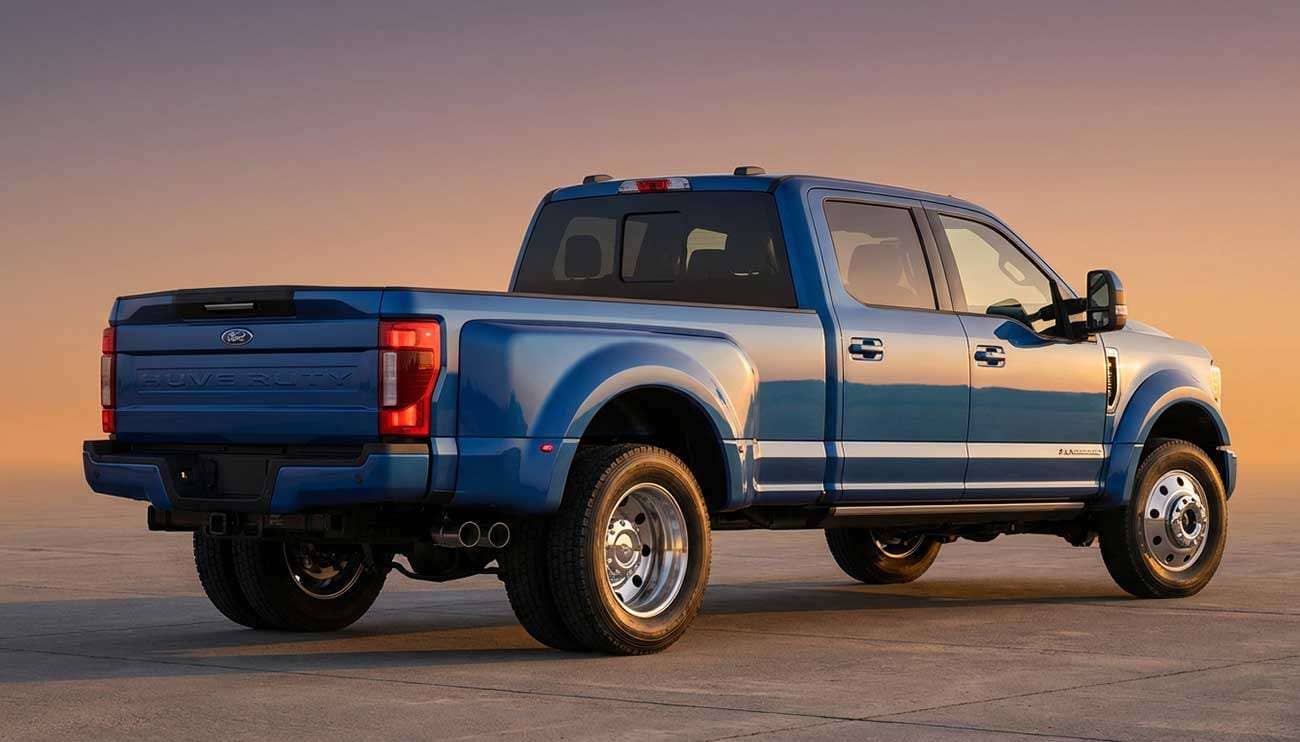
Dually wheels are essential for serious hauling and towing applications. These specialized wheels feature four rear tires instead of the standard two, creating superior weight distribution that transforms how heavy-duty trucks handle massive payloads. Trucks like the Ford F-350 and Ram 3500 rely on this dual rear wheel configuration to safely manage the demands of construction work, commercial hauling, and heavy recreational towing.
At Performance Plus Tire, we understand that selecting the right dually wheels represents a significant decision for truck owners. The choice between stock and custom options involves more than just appearance. Custom dually wheels typically start around $1,500 and can exceed $5,000 for a complete set, with pricing determined by materials, construction methods, and finish quality. These wheels offer extensive customization possibilities for both performance enhancement and visual appeal.
Whether you're moving construction equipment or pulling a fifth-wheel trailer, the right dually wheel selection directly impacts your truck's capability and safety. We're here to guide you through the essential factors that determine which option works best for your specific hauling needs and budget requirements.
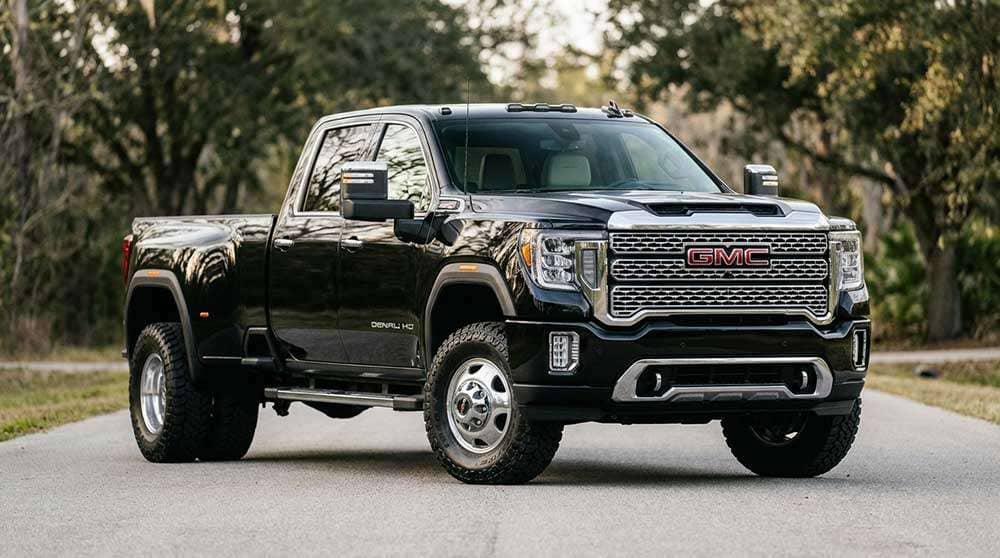
The engineering behind dually setups creates workhorses capable of handling extraordinary loads. These specialized configurations turn standard pickup trucks into heavy-duty haulers through purposeful design choices that maximize weight distribution and traction.
A dually truck features a distinctive dual rear wheel configuration—four wheels mounted on the rear axle instead of two. This setup creates the unmistakable wider stance and flared rear fenders that distinguish these trucks from standard models. The term "dually" comes from DRW (dual rear wheel), which describes two wheels mounted on each side of the rear axle for a total of six wheels.
The additional rear wheels serve a critical engineering purpose. Weight distribution occurs across a larger surface area, reducing individual tire stress. More tire-to-road contact translates directly into increased traction, particularly valuable when navigating challenging terrain or weather conditions.
Heavy-duty models like the Ford F-350, Chevrolet Silverado 3500, and similar one-ton trucks offer dually configurations as factory options. These vehicles excel at one primary function: moving substantial weight safely and efficiently.
Front and rear wheel differences on dually trucks stem from manufacturing economics rather than functional requirements. Steel wheels typically work in any position with proper mounting orientation. The difference becomes apparent with aluminum wheels.
Manufacturers polish only one side of aluminum wheels to control costs. Front wheels receive outer face polishing, while rear outside wheels get inner face treatment. This approach maintains visual appeal on visible surfaces while reducing production expenses.
Technical specifications remain identical despite cosmetic differences. Ford dually wheels from 1999-2004 share the same 8 on 170mm bolt pattern with 5.35" nominal offset on 16"x6" rims across all positions. This standardization simplifies maintenance and replacement procedures.
Standard single rear wheel trucks handle everyday driving and moderate loads without issue. Dually wheels become essential when hauling and towing requirements push beyond normal limits. The performance differences are substantial:
Chevrolet Silverado 3500HD V-8 turbo-diesel dually configurations haul 2,215 more pounds and tow 5,500 more pounds compared to single rear wheel versions.
Fifth-wheel gooseneck setups enable towing capacities exceeding 30,000 pounds.
Dual wheel configuration provides enhanced stability during towing, especially in crosswinds and when cornering.
Fifth-wheel trailers and stability-critical applications benefit most from dually configurations. The wider stance and additional contact points minimize sway while improving handling under load. Construction work, commercial applications, and heavy recreational towing represent ideal use cases.
These advantages come with trade-offs. Decreased fuel economy, parking challenges, higher purchase costs, and less comfortable unloaded rides are common drawbacks. Dually wheels make sense primarily for those regularly operating near the capacity limits of standard trucks.
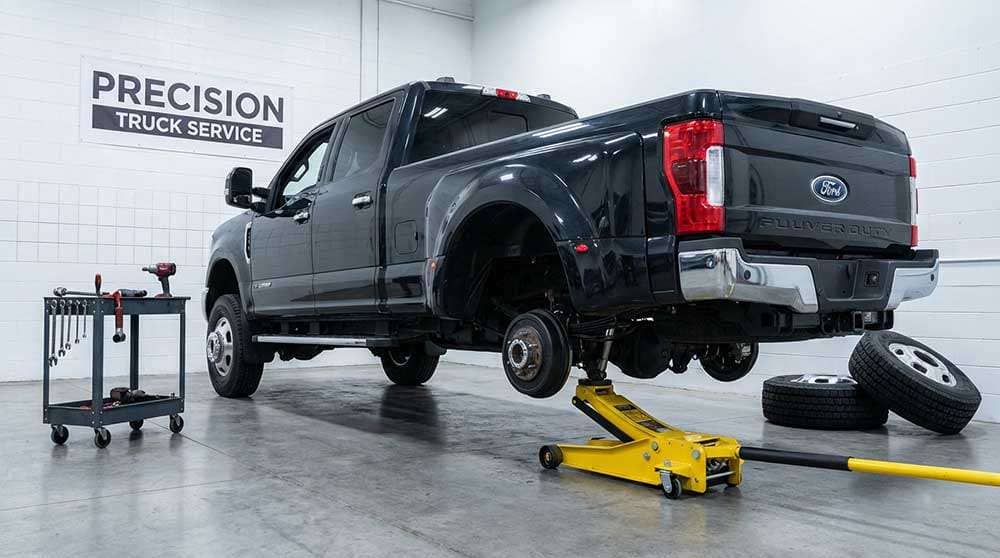
Selecting between stock and custom dually wheels impacts both your truck's performance and your wallet. We've seen countless truck owners wrestle with this decision, and the choice ultimately depends on your specific hauling requirements and aesthetic preferences.
Stock dually wheels come directly from your truck manufacturer, engineered to meet specific load ratings and compatibility standards. These wheels typically use steel or basic aluminum alloy construction, prioritizing durability and function over visual appeal.
Most stock steel wheels offer complete interchangeability - any wheel fits any position with proper orientation. Ford dually wheels from 1999-2004 models demonstrate this standardization perfectly, featuring identical 8 on 170mm bolt patterns with 5.35" nominal offset on 16"x6" rims regardless of position.
Stock wheels handle your truck's rated payload capacity while maintaining proper tire clearance. They're built for reliability and consistent performance, though they often lack the visual impact that many truck owners desire.
Custom dually wheels elevate both styling and potentially improve performance beyond factory specifications. Understanding the two main manufacturing methods helps explain the price differences you'll encounter.
Cast wheels represent the most common aftermarket option. Manufacturers pour molten aluminum into molds, allow cooling, then machine the final edges. Forged wheels take a different approach - they're carved from solid aluminum blocks under extreme pressure and heat, then finished with CNC machining.
The manufacturing difference creates significant performance gaps. Forged wheels deliver superior strength, reduced weight, and cleaner edge details. Many custom options feature specialized finishes including chrome plating, custom paint, or lightweight alloys that improve heat dissipation and potentially enhance fuel efficiency.
Here's something most truck owners don't realize: upgrading to custom dually wheels typically requires only four new wheels, not six. Since inner dual wheels remain hidden behind the outer ones, many owners replace just the visible wheels.
Stock Wheel Benefits:
Lower upfront investment
Guaranteed vehicle compatibility
Simple replacement availability
Easy rotation between positions
Stock Wheel Limitations:
Basic styling options
Heavier than premium aftermarket alternatives
Limited heat management capabilities
Custom Wheel Benefits:
Distinctive appearance that commands attention
Forged options offer significant weight reduction
Enhanced heat dissipation properties
Extensive finish and design variety
Custom Wheel Drawbacks:
Substantial cost investment
Position-specific mounting limitations
Complex tire rotation procedures requiring complete dismounting and rebalancing
Compatibility requirements with inner wheel configurations
When considering custom dually wheels, explore the selection at Performance Plus Tire, where we offer wheels designed to balance performance with visual appeal.
Critical consideration: Tire width compatibility becomes essential with dually configurations. Excessive width compromises dual wheel spacing, leading to tire damage and irregular wear patterns.
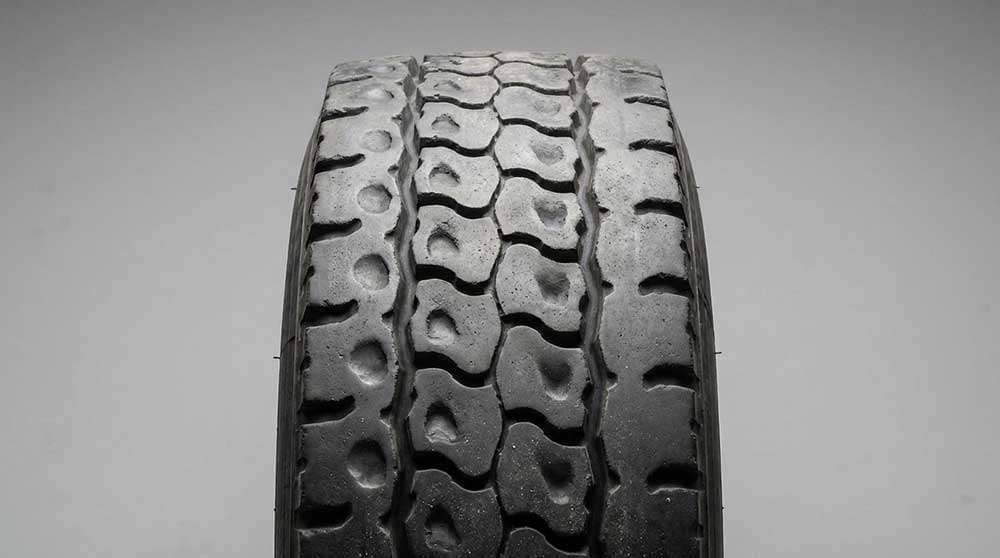
Understanding how dually wheels perform under real-world conditions helps you make better maintenance decisions and avoid costly premature tire replacement. We've seen these patterns countless times in our service bays.
Outside rear tires consistently wear faster than inside tires or fronts on dually configurations. This happens because outer wheels handle more stress during turns and cornering, especially under heavy loads. Some truck owners see their outside duals nearly worn out after just 20,000 miles of regular use. The outer wheels naturally bear additional weight during normal driving conditions. Regular tire rotation helps combat this uneven wear pattern.
Front tire cupping creates those distinctive scalloped wear patterns that frustrate many dually owners. Worn suspension components and improperly balanced wheels cause most cupping issues. Even trucks with under 25,000 miles can develop severe front tire cupping. Aggressive all-terrain tires with large tread blocks cup faster when suspensions wear because the lugs hit pavement harder. Upgrading to quality shocks like Bilstein 5100s often solves this problem by replacing inadequate stock shock absorbers.
Yes. Rotating tires every 5,000 miles maximizes tire life and ensures even wear across all six tires. The most effective method uses "corner" or "side-up" rotation, where two rear tires from one side move to the front, with front tires replacing them at the rear. While some owners simply replace tires in sets rather than rotating, consistent rotation significantly extends tire lifespan. Custom aluminum wheels may require complete dismounting and remounting during rotation, which increases maintenance costs.
Manufacturing processes create fundamental differences between cast and forged wheels. Cast wheels form when molten aluminum pours into molds, while forged wheels are cut from solid metal blocks under extreme pressure. Forged wheels offer three key advantages: they're typically 25-30% lighter, significantly stronger, and more resistant to impacts. When stressed beyond limits, cast wheels crack due to internal voids, but forged wheels bend without breaking.
Load capacity represents the most critical safety factor when selecting dually wheels. Cast wheels meet minimum gross vehicle weight rating (GVWR) requirements, but forged wheels frequently exceed manufacturer specifications. This extra capacity provides crucial safety margins when hauling near maximum loads. Your wheel load rating should be at least 50% of your truck's heaviest axle rating, ensuring adequate support for your specific hauling requirements.
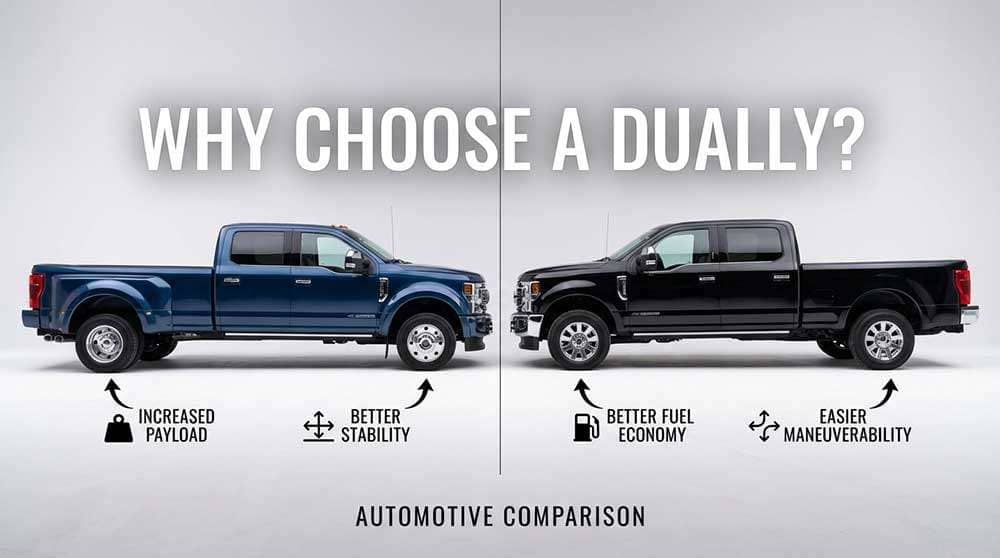
Smart truck owners evaluate the total cost of ownership when choosing dually wheels. The complete financial picture includes initial investment, ongoing maintenance, fuel costs, and resale value considerations.
Stock dually wheels come standard with your truck purchase, making them the most economical starting point. Custom options require additional investment, with professional installation adding $200-$500 to your total expense. This price difference reflects the specialized engineering and enhanced materials found in aftermarket wheels.
The cost variation stems from manufacturing methods and material quality:
Stock wheels: Included in vehicle purchase price
Custom wheels: Premium materials and advanced manufacturing processes
Custom wheels deliver performance advantages that justify their higher initial cost through improved durability and enhanced capabilities.
Ongoing expenses vary significantly between wheel types. Steel wheels offer simpler maintenance routines, allowing easier tire rotations that promote even wear patterns. Custom aluminum wheels often require complete tire dismounting during rotation services, increasing labor costs.
Dually trucks require six tires instead of four, creating higher replacement expenses throughout ownership. Custom wheels with specialty finishes need careful maintenance including protective treatments and appropriate cleaning products.
Dually configurations typically achieve 10-15 miles per gallon due to additional rolling resistance and weight from extra wheels. Single rear wheel trucks deliver better fuel economy for comparison. Heavier wheel options further reduce efficiency since more power is needed for acceleration.
Dually trucks maintain strong resale values despite higher operating costs. Their specialized utility and proven durability appeal to buyers seeking heavy-duty capabilities. Quality custom wheels can enhance resale appeal by improving both performance and appearance. Detailed maintenance records and careful usage help preserve maximum resale value.
We recommend evaluating your specific hauling requirements against these cost factors. For trucks used regularly at capacity, the enhanced capabilities often justify the additional expenses through improved safety and performance.
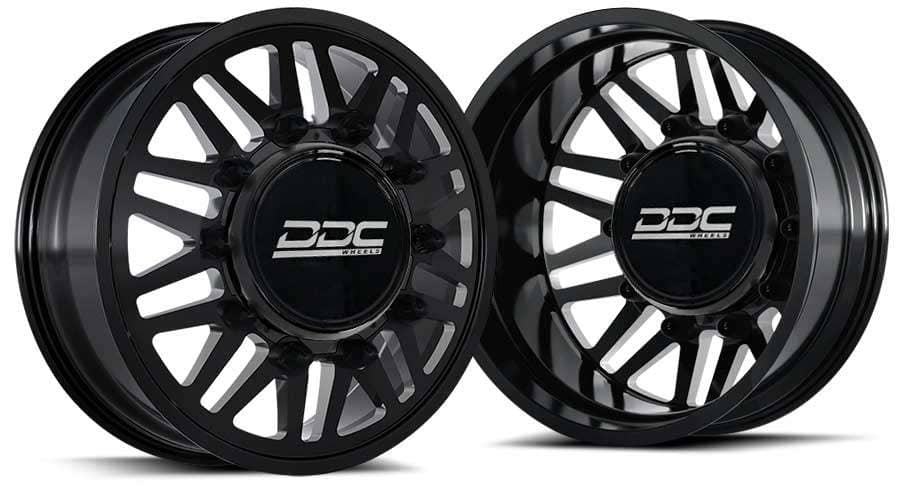
Customization options for dually wheels have exploded in recent years, giving truck owners unprecedented choices to create truly unique vehicles. The right wheel finish can completely transform your truck's appearance while delivering the performance you need for heavy-duty applications.
Black dually rims dominate the custom wheel market for good reason. These wheels deliver a bold, aggressive appearance that works with virtually any truck color while offering the practical benefit of hiding road dirt and minor scratches. Chrome dually wheels remain the premium choice for truck owners who want maximum visual impact and superior corrosion resistance.
Aluminum wheels provide the best balance between weight savings and style versatility. Available in polished, matte, and machined finishes, aluminum options give you lightweight performance without sacrificing durability. These wheels often feature intricate spoke patterns and custom details that set your truck apart from standard configurations.
Fuel Wheels leads the pack with their distinctive, aggressive styling. Popular models like the Fuel Maverick and Fuel Rebel series showcase bold designs in matte black, gloss black, and milled accent finishes. American Racing Baja Dually wheels offer classic styling with modern performance, available in both satin black and polished finishes.
Vision 408 Manx 2 wheels feature a striking ten-spoke design that appeals to drivers seeking contemporary styling. For maximum stability under extreme loads, Hostile H400 wheels provide both rugged construction and eye-catching appearance.
At Performance Plus Tire, we carry an extensive selection of custom dually wheels from all the top manufacturers. Our team can help you select wheels that perfectly match your truck's style while meeting your specific performance requirements.
The protruding front wheels result from necessary wheel offset engineering. Front wheels use high positive offset to accommodate the wide front axle within the fender wells. Rear wheels require negative offset to allow proper dual wheel mounting and spacing. This offset difference creates the distinctive stance while ensuring proper tire clearance and vehicle stability.
Dually wheels serve a specific purpose for truck owners who regularly push their vehicles to maximum capacity. The dual rear wheel configuration creates the foundation for serious hauling and towing applications where standard trucks simply can't deliver the required stability and load distribution.
Your wheel selection comes down to matching your specific needs with the right combination of features and budget. Forged wheels offer superior strength and lighter weight but require a larger initial investment. Cast wheels provide reliable performance at more accessible price points. Stock wheels deliver proven compatibility and lower costs, while custom options enhance both appearance and potentially performance.
Maintenance plays a crucial role in maximizing your investment. Rotating tires every 5,000 miles prevents the uneven wear patterns that plague dually setups. Addressing suspension components before they cause tire cupping saves money and extends tire life.
The key factors for your decision include how frequently you haul near capacity limits, your budget for both initial purchase and ongoing maintenance, and whether enhanced styling matters for your application. Dually trucks excel at moving heavy loads safely but come with higher operating costs and reduced fuel economy.
For those ready to upgrade their dually setup, Performance Plus Tire carries the selection and expertise to help you find wheels that meet your specific hauling requirements and performance expectations.
Choose dually wheels based on your actual hauling needs rather than appearance alone. The right wheels enhance safety, performance, and long-term value for trucks that regularly handle serious loads.
Understanding dually wheels is crucial for truck owners who regularly haul heavy loads or tow large trailers, as these specialized setups can significantly impact both performance and costs.
Dually trucks use four rear wheels instead of two, distributing weight more effectively and increasing towing capacity by up to 5,500 pounds compared to single rear wheel configurations.
Custom dually wheels cost $1,500-$5,000+ but offer lighter weight, better heat dissipation, and enhanced styling, while stock wheels prioritize function and affordability.
Regular tire rotation every 5,000 miles is essential since outside rear tires wear faster on duallys, and proper maintenance prevents costly front tire cupping issues.
Forged wheels outperform cast wheels with 25-30% less weight and superior strength, making them ideal for heavy-duty applications despite higher initial costs.
Dually trucks achieve 10-15 MPG due to increased rolling resistance, but they retain excellent resale value due to their specialized utility and durability.
The key to maximizing your dually investment lies in matching wheel choice to your specific hauling needs while maintaining proper tire rotation and suspension components for optimal performance and longevity.
Dually wheels provide increased towing capacity, better weight distribution, and improved stability when hauling heavy loads. They allow trucks to handle larger payloads and offer enhanced traction, especially useful for construction work and heavy recreational towing.
Custom dually wheels often offer improved styling, lighter weight, and potentially better performance compared to stock wheels. They come in various designs and finishes but are typically more expensive, ranging from $1,500 to $5,000 or more for a complete set.
Yes, dually trucks need regular tire rotation every 5,000 miles to ensure even wear across all six tires. The outside rear tires tend to wear faster and may need more frequent replacement. Additionally, addressing suspension issues promptly can prevent front tire cupping problems.
Dually trucks generally achieve between 10-15 miles per gallon, which is lower than single rear wheel configurations. The additional wheels create more rolling resistance and weight, requiring extra power and thus impacting fuel economy.
Forged wheels are generally considered superior for dually trucks. They are typically 25-30% lighter, significantly stronger, and more resistant to impacts compared to cast wheels. While more expensive, forged wheels often exceed manufacturer specifications for load capacity, providing an extra safety margin for heavy loads.



