

When it comes to all terrain vs mud tires, selecting the right option makes all the difference for your vehicle's performance on and off the pavement. Mud terrain tires feature large tread blocks with wide channels designed to push rocks and mud away from the contact patch, while all-terrain options provide better versatility for daily driving needs. Most mud terrain tires struggle significantly in rain and wet pavement conditions.
Understanding the difference between mud terrain vs all terrain tires goes well beyond their appearance. All-terrain tires use a firmer rubber compound combined with extensive siping across the tread lugs, delivering impressive longevity between 45,000-65,000 miles before replacement. Mud-terrain alternatives wear much faster, particularly on pavement, with most manufacturers offering no treadwear warranty. We've found at least a 1 mile-per-gallon difference in fuel economy between an all-terrain and mud-terrain tire of identical size.
Whether you're considering the pros and cons of all terrain vs mud tires for your truck or SUV, this guideline holds true: if you drive more on roads than trails, all-terrain tires will serve you better. However, if you're tackling serious off-road terrain regularly, mud-terrain tires' aggressive design may justify their shorter lifespan and increased road noise. We'll guide you through exactly what you need to know to make the right choice for your specific driving requirements.
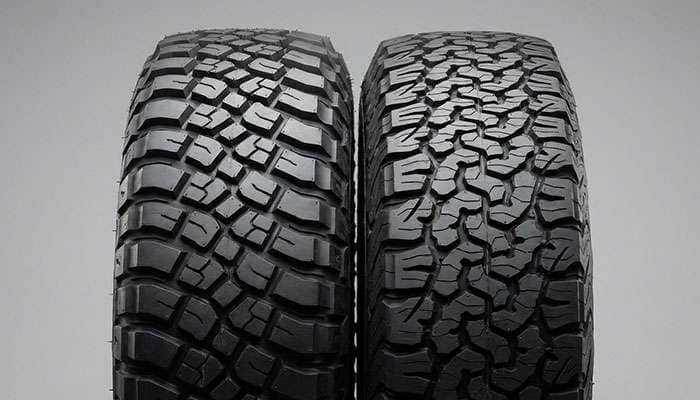
The core differences between all terrain vs mud tires stem from their specialized construction approaches. These structural variations determine how each tire type performs across different driving environments.
All-terrain tires feature moderate tread patterns with tread blocks positioned closely together. This configuration creates a balanced contact patch that handles both pavement and light off-road conditions effectively. Mud-terrain tires take a different approach, using aggressive, deep lugs separated by significantly wider gaps. These larger tread lugs with generous spacing allow mud-terrain tires to excel at self-cleaning—efficiently ejecting mud, clay, and debris that would otherwise pack into the tread. This aggressive design delivers excellent off-road capability but struggles on wet pavement because the pattern cannot effectively channel water away from the contact patch.
Sidewall construction creates another important distinction between these tire types. Premium mud-terrain options often use three-ply sidewall construction, delivering increased durability and impact resistance when driving over rocky terrain. Many M/T tires also include aggressive sidewall lugs that provide additional traction during extreme terrain encounters. All-terrain tires prioritize on-road comfort along with off-road capability, typically offering standard sidewall protection that balances durability with ride quality. Higher-quality A/T models increasingly feature reinforced sidewalls as manufacturers recognize this benefit for weekend off-road adventures.
Siping represents the most technical yet important difference—those thin grooves cut across tread blocks. All-terrain tires include extensive siping, allowing the rubber to flex and maintain contact with various surfaces. This feature improves traction significantly on wet roads, snow, and gravel surfaces. Mud-terrain tires typically feature little or no siping. While this design choice reduces wet-weather performance on pavement, it maximizes the tire's ability to grip and claw through challenging off-road conditions without weakening those substantial tread blocks.
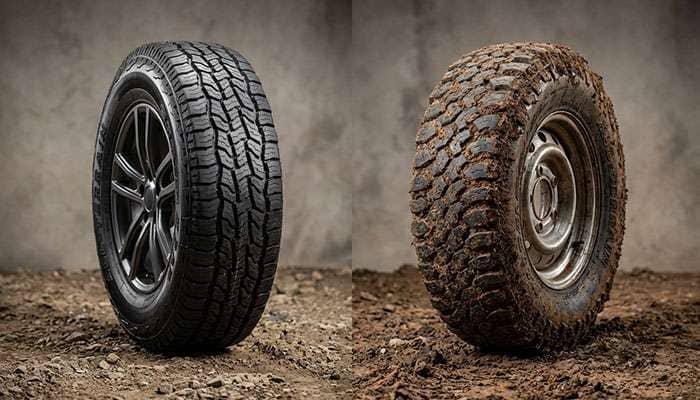
Your daily driving experience depends heavily on your choice between all terrain vs mud tires. On-road performance often becomes the deciding factor for most drivers when making their final selection.
All-terrain tires deliver a much quieter, more comfortable ride with noise ratings between 7.1-9.0. This makes them perfect for daily commutes and long highway trips. Mud-terrain tires generate considerable road noise due to their large, aggressive tread blocks. The distinctive "roar" from mud-terrain tires remains a significant drawback for many drivers, though some premium models like the Nitto Trail Grappler have reduced noise by up to 36% at highway speeds.
Siping makes a huge difference in wet-weather performance. All-terrain tires feature extensive siping that maintains excellent road contact and traction on wet pavement. Mud-terrain tires typically have little to no siping, which reduces grip and can increase stopping distances in rainy conditions. This performance gap makes all-terrain options much safer for areas with frequent rain.
All-terrain tires provide a smoother, less tiring ride quality for everyday driving. Mud-terrain tires, with their stiff construction and chunky tread blocks, send more vibration and road imperfections directly into the cabin. This difference becomes especially noticeable on long highway drives, where the rougher ride from mud tires can cause driver fatigue.
The long-term ownership costs between all terrain vs mud tires create significant differences across three key areas that directly impact your budget.
All-terrain tires deliver exceptional longevity through firmer rubber compounds and extensive siping design. Quality all-terrain models typically provide 45,000 to 65,000 miles of reliable service. Mud-terrain tires use softer compounds that excel in off-road grip but sacrifice overall durability. This trade-off results in shorter lifespans averaging 35,000-45,000 miles. Many all-terrain manufacturers back their products with treadwear warranties, while mud-terrain options rarely include such protection.
The fuel efficiency difference shows up immediately at the gas pump. All-terrain tires provide approximately +1 MPG better fuel economy due to reduced weight, firmer compounds, and lower rolling resistance. Mud-terrain tires reduce efficiency by roughly -1 MPG because of their aggressive tread patterns, heavier construction, and softer compounds. At 15,000 miles annually with 20 mpg average and $3.00 gas prices, the efficiency penalty costs approximately $67.50 extra per year.
Proper care extends tire life significantly for both types. Regular rotation every 5,000-8,000 miles promotes even wear patterns across all four tires. Maintaining correct air pressure proves equally important—proper inflation adds approximately 4,700 miles to tire lifespan. While mud-terrain tires need identical maintenance attention, their shorter natural lifespan means more frequent replacement costs regardless of how well you maintain them.
Understanding the financial aspects of all terrain vs mud tires helps you make a smart purchase decision that fits your driving habits and budget.
The initial cost difference between these tire types is significant. All-terrain tires typically range from $200-$400 per tire, offering about $50 savings per tire compared to mud-terrain alternatives. Mud-terrain tires command premium pricing between $300-$500 per tire, making a complete set a substantial investment. Over the tire's lifetime, all-terrain options deliver superior value through extended tread life and warranty coverage.
Vehicles used primarily on paved roads with weekend off-road adventures benefit most from all-terrain tires. These tires strike the perfect balance between on-road comfort and capable off-road performance for daily drivers. Their longer lifespan means lower cost-per-mile, and when combined with better fuel efficiency, they create excellent long-term value.
Serious off-road enthusiasts who regularly face challenging terrain will find mud-terrain tires worth the premium price. These specialized tires excel where maximum traction makes the difference between success and getting stuck—especially in deep mud, rocky terrain, or severe conditions. The higher upfront cost often pays for itself by avoiding expensive recovery situations.
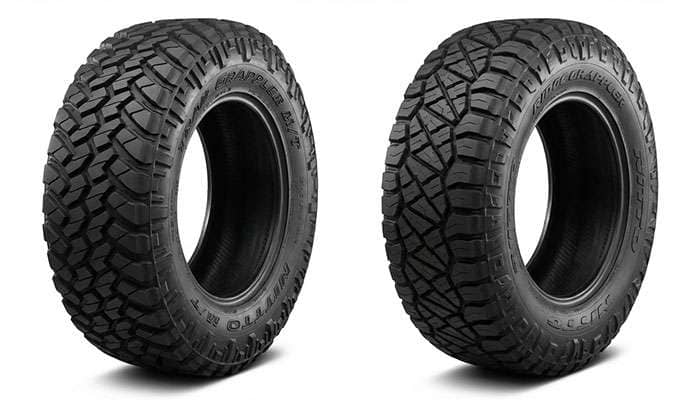
Rugged terrain (R/T) tires provide an excellent compromise, combining the best features of both tire types. These hybrid designs offer aggressive tread patterns with high void ratios while maintaining reasonable noise levels. With warranties typically around 50,000 miles, R/T tires serve drivers seeking balance between daily comfort and weekend capability. At Performance Plus Tire, we carry the best selection of off-road tire options at competitive prices to help you find your perfect match.
When comparing all terrain vs mud tires, this side-by-side breakdown helps you evaluate the key differences that impact your driving experience and budget.
Feature |
All Terrain (A/T) Tires |
Mud Terrain (M/T) Tires |
|---|---|---|
Tread Pattern |
Moderate with close-together blocks |
Aggressive with wide gaps between lugs |
Siping |
Extensive siping present |
Minimal or no siping |
Sidewall Construction |
Standard protection |
Three-ply construction with aggressive lugs |
Road Noise |
Quieter (7.1-9.0 noise rating) |
Significant road noise/roar |
Wet Pavement Performance |
Superior grip and traction |
Reduced grip, longer stopping distances |
Tread Life |
45,000-65,000 miles |
35,000-45,000 miles |
Fuel Economy Impact |
+1 MPG better efficiency |
-1 MPG reduced efficiency |
Price Range (per tire) |
$200-$400 |
$300-$500 |
Treadwear Warranty |
Usually included |
Rarely offered |
Best Use Case |
Daily driving with occasional off-road use |
Extreme off-road conditions |
Ride Quality |
Smoother, less fatiguing |
Stiffer, more vibration |
Self-Cleaning Ability |
Limited |
Excellent mud/debris ejection |
This comparison shows why all-terrain tires work better for most drivers who split time between pavement and light trails. However, serious off-road enthusiasts will find mud-terrain tires worth the trade-offs when tackling challenging terrain regularly.
The choice between all-terrain and mud-terrain tires comes down to matching tire capabilities with your actual driving patterns. All-terrain tires deliver the best solution for drivers spending most time on pavement with occasional weekend adventures. Their superior longevity, fuel efficiency, and comfortable ride quality make them the smart choice for daily driving with light off-road capability.
Mud-terrain tires justify their higher cost and trade-offs when you regularly tackle challenging off-road conditions. Their aggressive tread design excels at self-cleaning and maximum traction where other tires fail. However, you must accept the compromises: increased noise, reduced lifespan, and higher fuel costs.
Rugged terrain tires provide a compelling middle-ground option for drivers wanting aggressive off-road capability without sacrificing daily comfort. These hybrid designs combine the best features of both tire types while minimizing their weaknesses.
Making the right decision requires honest evaluation of your driving needs. Daily commuters with occasional trail use will find all-terrain tires offer the best value and performance. Serious off-road enthusiasts should invest in mud-terrain tires when maximum traction determines success or failure. You can explore a complete selection of quality off-road tires at Performance Plus Tire to find the perfect match for your driving requirements.
Proper maintenance extends the life of either tire choice significantly. Regular rotation, correct inflation pressure, and alignment checks protect your investment regardless of which option you select. Your driving environment, budget, and performance expectations should guide this important decision for your vehicle.
Understanding the fundamental differences between all-terrain and mud-terrain tires helps you make the right choice for your driving needs and budget.
The decision ultimately comes down to honest assessment of your driving habits: daily commuters benefit most from all-terrain versatility, while dedicated off-road enthusiasts should invest in mud-terrain capability despite the trade-offs in comfort and efficiency.
All-terrain tires are generally better for everyday driving. They offer a quieter ride, better fuel efficiency, and longer tread life (45,000-65,000 miles) compared to mud tires. They also provide good performance on both paved roads and light off-road conditions.
For serious off-road enthusiasts, mud-terrain tires can be worth the investment. They excel in extreme conditions like deep mud and rocky terrain due to their aggressive tread pattern and reinforced sidewalls. However, they come with trade-offs such as increased road noise and reduced fuel efficiency.
Tire choice can significantly impact fuel economy. All-terrain tires typically offer about 1 MPG better fuel efficiency compared to mud-terrain tires. This difference can result in noticeable savings at the pump over time, especially for those who drive frequently.
All-terrain tires have a moderate tread pattern with closer-together blocks and extensive siping, which helps with on-road performance. Mud-terrain tires feature aggressive, deep lugs with wider gaps, which aids in self-cleaning and off-road traction but can compromise on-road handling.
Yes, rugged terrain (R/T) tires offer a hybrid solution. They combine features of both all-terrain and mud-terrain tires, providing aggressive tread patterns for off-road capability while maintaining reasonable on-road comfort and noise levels. They're a good option for drivers seeking balance between daily usability and weekend adventure capability.



