
When it comes to buying tires, asking the right questions makes the difference between a smart purchase and an expensive mistake. Tires represent a significant investment that most drivers make only every few years, so getting it right the first time matters.
The tire buying process doesn't have to intimidate you. With the right questions prepared before you visit a tire dealer, you can make confident decisions that match your vehicle and driving needs perfectly. You have two clear paths: either become a tire expert yourself or learn exactly what to ask a knowledgeable tire professional.
We'll guide you through the essential questions every tire buyer should ask. From understanding your specific vehicle requirements to maximizing your budget without sacrificing safety or performance, our expert tips help you save money while securing quality tires that deliver exactly what you need. We'll also cover warranty considerations, weather performance factors, and how your driving habits should influence your tire selection.
Understanding your vehicle's primary use is the foundation of smart tire selection. The way you drive determines which tire features matter most for your specific needs.
Daily commuters rack up serious mileage, making durability and fuel efficiency the top priorities. Look for tires with lower rolling resistance to boost your fuel economy. These tires feature specialized compounds that maintain grip through frequent stops and starts while resisting the heat buildup from constant driving.
Occasional drivers face different challenges. Your tires spend more time parked than rolling, so aging and cracking resistance becomes more important than high-mileage durability. All-season tires typically offer the versatility occasional drivers need for intermittent use.
Tell your tire dealer about your typical weekly mileage. This information helps them match you with tires that have appropriate treadwear ratings for your actual driving patterns.
Standard passenger tires can't handle the demands of serious towing or hauling. You need specialized tires engineered for additional weight and stress.
Heavy-duty towing requires specific features:
Light Truck (LT) tires with higher ply ratings for increased weight capacity
Reinforced sidewalls that provide added stability under load
Highway tires (HT) designed for primarily paved road towing
Proper tires aren't just about performance—they're essential for safety. Your truck might be rated to tow 11,000 pounds, but without appropriate tires, your steering and braking capability could be seriously compromised.
Off-road enthusiasts need different solutions based on their terrain. All-terrain tires deliver balanced performance for mixed on/off-road driving. Mud-terrain tires excel in extreme conditions with aggressive tread patterns and wide voids designed to eject mud and provide superior traction.
City and highway driving create completely different tire demands, requiring distinct performance characteristics.
Urban driving puts tires through constant punishment—frequent stopping and starting, sharp turns, and hazards like potholes. City drivers need tires with strong sidewalls and specialized tread compounds that resist wear from constant braking and acceleration. Quick braking response and smooth handling excel in urban environments.
Highway driving involves sustained speeds over long distances, creating heat buildup that demands advanced heat dissipation technology. Highway tires feature harder rubber compounds and shallower tread patterns for smoother, quieter rides and better fuel efficiency at consistent speeds.
Highway driving is actually gentler on tires than city driving, despite the greater distances. Highways stay better maintained with fewer potholes and road hazards. The sustained speeds create less tire stress compared to the constant friction from urban stop-and-go driving.
Explain your typical driving routes and conditions to your tire professional. This information proves invaluable for finding tires that match your real-world requirements rather than features you'll rarely use.
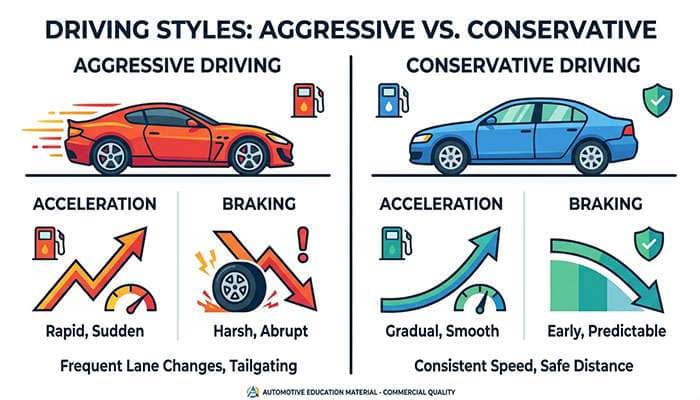
Your personal driving style determines which tires will serve you best. Understanding how you drive helps tire professionals recommend options that match your real-world needs rather than generic solutions.
Driving styles create different demands on tire performance. Each approach requires specific tire characteristics to deliver optimal results.
Aggressive drivers who enjoy spirited acceleration, faster cornering, and firmer braking need performance-oriented tires with superior grip and handling capabilities. These tires feature softer rubber compounds and aggressive tread patterns that enhance traction during dynamic driving. The trade-off comes in faster wear rates and increased road noise.
Conservative drivers benefit from a different approach. Smooth, gradual acceleration and gentle braking patterns work best with all-season or touring tires. These options deliver better comfort, reduced noise levels, and significantly longer tread life. They provide dependable traction across various conditions while maximizing your investment.
When discussing options with a tire professional, be honest about your driving tendencies. This transparency allows them to balance your performance expectations with practical durability considerations.
Vehicles shared among multiple drivers or operated by new drivers require special consideration. Inconsistent driving techniques affect tire wear patterns and overall performance.
For households with new drivers, look for tires offering:
Forgiving handling characteristics
Enhanced wet-weather performance
Balanced traction in various conditions
Vehicles shared among multiple drivers face unique challenges. Different driving styles create varying stress patterns on tires, making versatile all-season options with good overall ratings the smartest choice. These tires handle inconsistent driving techniques while maintaining safety margins.
Mention to your tire dealer if multiple people drive the vehicle regularly. This information helps them recommend tires that perform consistently regardless of who's behind the wheel.
Frequent long-distance driving places specific demands on tire performance. Road trip enthusiasts need tires designed for sustained highway use.
For regular highway driving, consider these priorities:
Comfort-focused construction for reduced driver fatigue
Lower rolling resistance to improve fuel economy
Excellent heat dissipation for sustained high-speed operation
High-mileage tread compounds
Touring tires represent the ideal choice for long-distance travelers. These tires deliver smooth, quiet performance while maintaining good tread life. The enhanced comfort reduces fatigue during extended drives, while low rolling resistance helps offset fuel costs.
When shopping for tires, mention any regular long-distance travel. A tire professional can guide you toward options engineered specifically for the demands of extended highway driving.
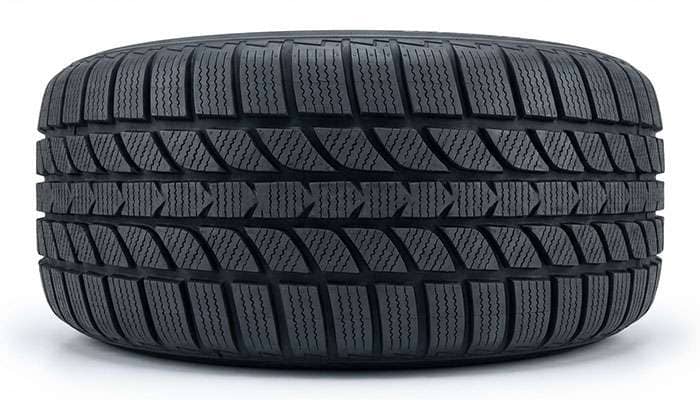
Weather conditions in your area should heavily influence your tire selection. The right tires for sunny California differ dramatically from those needed in Minnesota winters.
Your local climate determines which tire type delivers the best year-round performance. Different regions require different approaches to tire selection.
Drivers in mild climates where temperatures rarely drop below 45°F can rely on all-season tires throughout the year. These versatile options provide balanced performance in dry and wet conditions without seasonal swaps.
In regions with harsh winters, dedicated winter tires prove essential. Winter tire compounds remain flexible below 45°F, maintaining grip when all-season rubber hardens and loses traction. The performance difference in snow and ice isn't marginal—it's dramatic.
Consider the temperature patterns in your area. If you regularly experience temperatures below freezing for several months, winter tires aren't optional—they're necessary for safe driving.
The performance gap between winter and all-season tires in cold conditions is substantial. Understanding this difference could prevent a serious accident.
Winter tires provide measurable advantages:
Stop 23 feet shorter on ice compared to all-season tires
Maintain grip in temperatures below 45°F when all-season compounds harden
Feature specialized siping and tread patterns engineered for snow evacuation
All-season tires compromise in every direction. They handle summer heat adequately but can't match summer tire performance. They provide some winter capability but fall far short of winter tire effectiveness. This jack-of-all-trades approach works in moderate climates but fails when conditions turn severe.
Ask your tire dealer about the specific performance differences in your climate conditions. They can demonstrate how seasonal tires outperform all-season options in their intended environments.
Wet weather performance separates quality tires from dangerous ones. The ability to maintain traction on wet roads prevents hydroplaning and keeps you in control.
Effective wet-weather tires share common features:
Wide circumferential grooves that channel water away from the contact patch
Siping (small slits in the tread) that provides additional water evacuation
Specialized compounds that grip wet pavement effectively
Hydroplaning occurs when tires can't disperse water fast enough, causing them to ride on top of water rather than maintaining road contact. Quality tires with proper tread depth can evacuate approximately one gallon of water per second, maintaining grip in heavy rain.
If you live in a region with frequent rainfall, prioritize wet-weather performance in your tire selection. Ask about specific wet-traction ratings and how different tires perform in the conditions you regularly encounter.
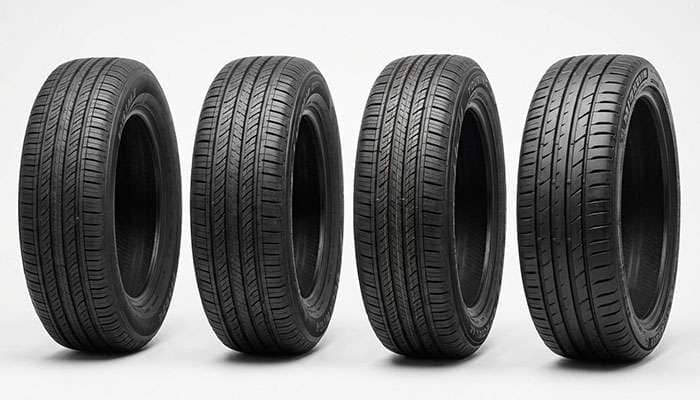
Budget considerations matter, but the cheapest tires rarely deliver the best value. Understanding the relationship between price and performance helps you make smart financial decisions.
Tire pricing falls into distinct categories, each offering different performance levels and features. Knowing what each tier provides helps set realistic expectations.
Budget tires ($50-80 per tire) meet minimum safety standards but compromise on longevity, comfort, and performance. They typically feature basic rubber compounds and simpler tread designs. These tires work for drivers who put on minimal miles or need a temporary solution.
Mid-range tires ($100-150 per tire) deliver the sweet spot for most drivers. They offer approximately 85% of premium tire performance at roughly 65% of the cost. Better materials, improved tread designs, and enhanced durability make these the best value for typical driving needs.
Premium tires ($150-300+ per tire) represent the highest performance available. These tires feature advanced compounds, sophisticated tread patterns, and superior construction. They excel in specific performance categories and offer the longest warranties.
When comparing options, ask tire professionals to explain specifically what you gain at higher price points. The differences become concrete when you understand exactly what your money buys.
Smart tire buying considers long-term value rather than just initial cost. A tire's cost per mile reveals its true value over time.
Calculate cost per mile by dividing the total price by the expected mileage. A $150 tire lasting 60,000 miles costs 0.25 cents per mile. A $75 tire lasting 25,000 miles costs 0.30 cents per mile—making the more expensive tire actually cheaper over time.
Additional factors affect true cost:
Fuel efficiency savings from low rolling resistance tires
Installation costs (buying four tires twice means paying for installation twice)
Time and inconvenience of more frequent replacements
Ask your tire dealer to compare cost-per-mile figures for different options. This perspective often reveals that mid-range and premium tires deliver superior value despite higher upfront prices.
Premium tires make sense in specific situations where their advantages justify the higher cost. Understanding when to upgrade helps you allocate your budget effectively.
Consider premium tires if you:
Drive a high-performance or luxury vehicle designed for quality tires
Regularly encounter severe weather conditions
Cover high annual mileage where durability matters most
Value ride comfort and reduced road noise significantly
Want maximum safety margins in all conditions
Premium tires aren't necessary for everyone. Drivers with short commutes, mild weather, and average performance expectations often find mid-range tires deliver everything they need without overpaying for features they won't use.
Discuss your specific situation with a tire professional. They can honestly assess whether premium features would benefit your driving conditions or whether mid-range options meet your needs perfectly.
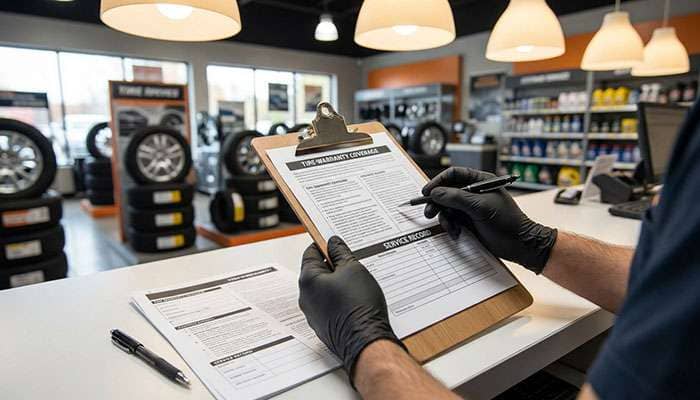
Warranties and included services significantly affect the total value of your tire purchase. Knowing exactly what to ask about warranty coverage protects your investment and prevents frustrating surprises down the road.
Tire warranties come in several distinct types, each serving different purposes. Treadwear warranties guarantee specific mileage before replacement becomes necessary, typically covering 50,000 to 90,000 miles. These warranties require documented proof of regular maintenance to remain valid.
Road hazard protection operates differently, covering tire damage from potholes, nails, and road debris that makes tires irreparable. This coverage typically costs $10 to $20 per tire. The investment often pays for itself if you encounter just one road hazard during your tire's lifespan.
Many tire retailers include valuable services with your purchase. Most dealers provide free lifetime air pressure checks and tire rotations. Some retailers offer even more comprehensive packages—Costco provides free lifetime inflation checks, balancing, rotations, and flat repairs.
These services add significant value over your tires' lifespan. Regular rotations alone can extend tire life by 20,000 miles or more, while proper balancing prevents premature wear and annoying vibrations.
Warranty claims require specific documentation. You'll need your original purchase receipt, installation date and mileage records, complete service records, and the damaged tire itself. The claim process typically involves contacting the retailer or manufacturer directly, completing their claim form, and having the tire professionally inspected.
Get expert tire buying advice from the experts at Performance Plus Tire about warranty claim processes before making your purchase. Understanding these requirements upfront prevents complications later.
Beyond comparing prices, ask these essential warranty questions:
What free services are included with purchase?
Is road hazard protection included or available as an option?
Which specific conditions void the warranty?
How does treadwear warranty proration work?
What documentation must I maintain for future warranty claims?
These questions reveal the true value of your tire purchase and help you avoid unexpected costs later.
Buying tires involves far more than simply picking the cheapest option. We've covered the essential questions that lead to smart purchases while ensuring optimal performance and safety. Understanding your vehicle's primary use, recognizing your driving habits, considering weather conditions, and balancing cost with quality creates the foundation for informed tire buying.
The right questions transform tire shopping from overwhelming to empowering. Asking about warranty coverage, included services, and maintenance requirements helps extend your tires' lifespan and protects your investment. These considerations, combined with knowledge about your driving patterns, allow you to select tires that match your specific needs rather than paying for features you'll never use.
Quality tires represent both a safety measure and a smart financial decision. Cheaper options might save money upfront but often cost more through reduced fuel efficiency, shorter lifespan, or poor performance when you need it most. Viewing tire purchases as long-term investments rather than immediate expenses leads to better decisions.
Still feeling uncertain about all these considerations? Get expert tire buying advise from the experts at Performance Plus Tire who can guide you through the selection process based on your specific needs and driving conditions. Our knowledge helps narrow down your options and ensures you make the most suitable choice.
Asking the right questions when buying tires pays off through improved vehicle performance, enhanced safety, and maximum value from your purchase. Tire shopping might never become your favorite activity, but approaching it with confidence and knowledge makes it a straightforward process where you stay firmly in control.
Smart tire buying starts with understanding your specific needs and asking the right questions to maximize both safety and savings.
Match tires to your driving patterns - Daily commuters need fuel-efficient, durable tires while occasional drivers should prioritize aging resistance over high-mileage features.
Consider weather conditions seriously - Winter tires stop 23 feet shorter on ice than all-seasons; invest in dedicated winter tires if you regularly drive below 45°F.
Balance cost with long-term value - Midrange tires often deliver 85% of premium performance at 65% of the cost, making them the sweet spot for most drivers.
Understand warranty coverage completely - Ask about treadwear vs. road hazard warranties, required maintenance documentation, and what free services are included with purchase.
Factor in your driving style - Aggressive drivers need performance-oriented tires with superior grip, while conservative drivers benefit from touring tires with longer tread life and comfort.
The key to successful tire buying isn't finding the cheapest option—it's asking informed questions that help you select tires perfectly matched to your vehicle, driving habits, and local conditions while maximizing your investment's value and safety benefits.
Consider your vehicle's primary use, typical driving conditions, and your driving style. For daily commuters, look for durable tires with low rolling resistance. If you frequently drive in wet conditions, prioritize tires with good wet traction. Aggressive drivers may need performance-oriented tires, while conservative drivers can opt for touring tires with longer tread life.
Not necessarily. While premium tires often offer superior performance and longevity, mid-range tires can provide excellent value. They typically deliver about 85% of premium tire performance at around 65% of the cost. The key is finding the right balance between price and quality that meets your specific needs and budget.
Very important. Regular tire rotation helps ensure even wear, extending the life of your tires. An alignment is crucial, especially when getting new tires, as it prevents uneven wear and improves handling. Many tire shops offer free rotations for the life of the tires, which can significantly increase their longevity.
Tire warranties typically cover defects and may include treadwear protection. Some also offer road hazard coverage. Always ask what conditions might void the warranty, such as improper inflation or lack of rotation documentation. Remember that warranty value varies based on your driving conditions and habits.
Check your tire tread depth regularly. If the tread is worn down to 2/32 of an inch, it's time to replace the tires. Uneven wear, bulges, or cracks in the sidewall are also signs that you need new tires. As a general rule, most tires should be replaced every 6 years, regardless of tread depth.