
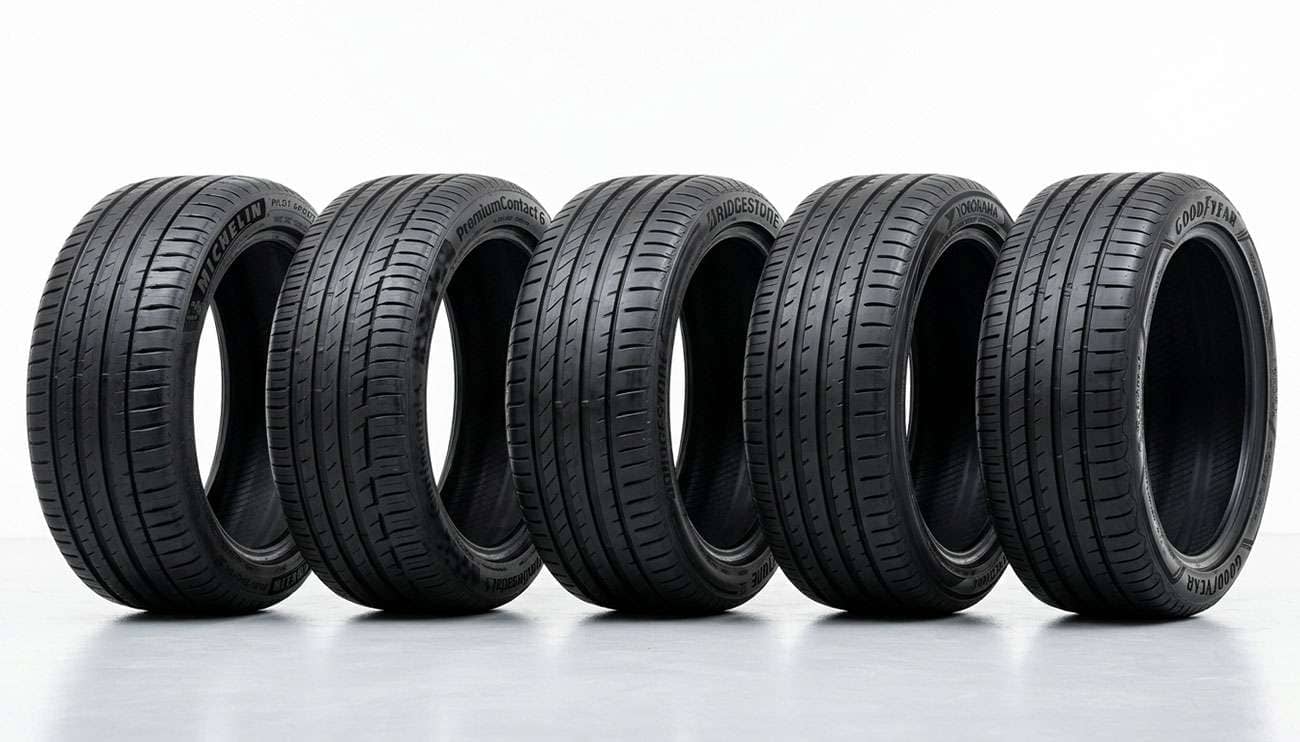
You're staring at hundreds of tire options, and one question matters more than all the rest: what tire brand is the most reliable? This isn't about flashy marketing or brand recognition. Your safety depends on choosing tires that won't fail you at 70 mph on a rain-soaked highway or leave you stranded with a blowout 20,000 miles before their warranty expires.
Here's what most tire shoppers don't know: reliability has nothing to do with price alone. I've seen $250 premium tires fail at 30,000 miles while certain $140 mid-tier options cruise past 75,000 miles without breaking a sweat. Independent testing from Consumer Reports, Tire Rack, and automotive laboratories reveals the truth—some brands consistently deliver, while others coast on outdated reputations and clever advertising.
I've spent over two decades in the tire industry, and I'll give you the straight facts on which brands actually perform. You'll discover real tread life data, manufacturing defect rates, and wet-weather performance metrics that separate truly reliable tires from expensive disappointments. We're talking about measurable outcomes—how these tires behave after 40,000 miles of real driving, not what the marketing brochure promises.
You'll learn why some mid-tier brands consistently outperform luxury names, which budget tires deliver genuine value (and which ones put you at risk), and exactly what to look for in warranty coverage. By the time you finish this guide, you'll know which tire brand deserves your money and your trust—backed by data, not hype.
Tire reliability boils down to this: consistent, safe performance throughout the tire's entire lifespan without unexpected failures. You need tires that grip in the rain, resist uneven wear, and actually reach their stated mileage warranty. The most reliable brands maintain their performance characteristics from mile one to mile 70,000—no surprises, no premature failures.
Testing organizations measure reliability through rigorous protocols. They drive tires 7,200 miles on government test courses, measure wet braking from 50 mph on soaked pavement, and test hydroplaning resistance at various speeds. Michelin, Continental, and Bridgestone consistently score above 8.5 out of 10 in composite reliability ratings. Mid-tier performers like Yokohama and Hankook typically land between 7.5 and 8.3. Anything below 7.0 signals reliability concerns you shouldn't ignore.
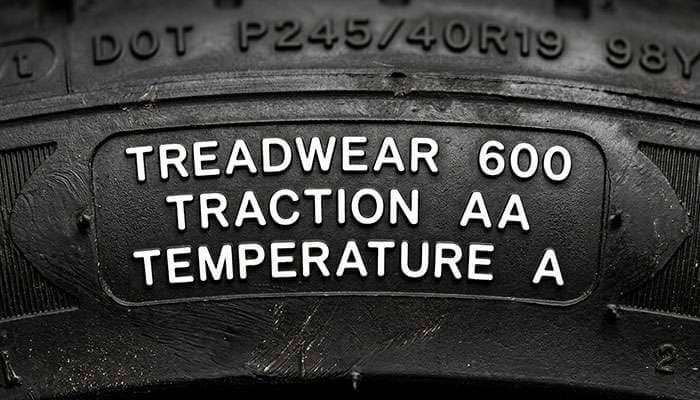
The UTQG system gives you your first reliability clues. A treadwear rating of 600 means the tire should last six times longer than the baseline control tire rated at 100. But here's the catch—manufacturers report this data themselves. Reliable brands like Michelin typically deliver 15-20% beyond their stated numbers. Budget brands? They often fall short by 25% or more.
Traction grades (AA, A, B, C) measure wet braking ability—AA is superior performance. Temperature grades (A, B, C) show how well your tire dissipates heat at highway speeds. For maximum reliability, you want at least an A in both categories. The most reliable brands rarely spec anything below these grades across their entire product lineup, from all-season tires to performance rubber.
Load index and speed rating impact reliability more than most drivers realize. A tire constantly operated at its maximum load or speed rating wears faster and fails sooner than one with built-in headroom. Reliable manufacturers engineer safety margins into their tires—they perform well even when you push them to rated limits. Lesser brands meet the minimums on paper but degrade rapidly under sustained stress.
Price doesn't equal reliability—that's the biggest mistake I see. Some premium brands charge for heritage and marketing muscle, not superior performance. Meanwhile, ultra-budget tires priced 40-50% below market rate cut corners in compound quality and manufacturing precision. The reliability sweet spot sits in the mid-to-upper price range where you're paying for proven technology without the luxury brand premium.
Ignoring tire age kills you on reliability. Tires older than six years—regardless of tread depth—experience compound hardening that reduces grip and increases failure risk. Check the DOT date code on your sidewall (the last four digits show week and year of manufacture). Most shoppers obsess over tread wear while completely overlooking this time-based reliability factor.
Mixing tire brands on your vehicle compromises reliability every single time. Different manufacturers use distinct compound formulations, tread patterns, and construction methods. This creates handling imbalances, especially during emergency maneuvers or in bad weather. If you're replacing two tires, mount the new ones on the rear axle regardless of your drivetrain—this maintains stability during sudden corrections. For comprehensive tire maintenance information, visit our technical resources.
Look beyond marketing claims to actual warranty coverage. A 70,000-mile warranty sounds impressive until you read the fine print. Some manufacturers pro-rate replacement costs from mile one. Others offer free replacement for the first 25% of rated mileage, then pro-rate after that. The most reliable brands back their tires with stronger early-life coverage because they're confident in their manufacturing quality.
Defect rates reveal the real story. Top-tier manufacturers maintain defect rates below 0.5%—fewer than 5 defective tires per 1,000 produced. Mid-tier brands average 0.8-1.2%. Budget manufacturers can exceed 2%. These defects include separation issues, sidewall failures, and manufacturing inconsistencies that lead to premature failure. A brand with consistently low defect rates across multiple product lines demonstrates reliability at the manufacturing level.
Reliability Metric |
Premium Tier |
Mid-Tier |
Budget Tier |
|---|---|---|---|
Average Tread Life |
65,000-80,000 miles |
50,000-65,000 miles |
35,000-50,000 miles |
Manufacturing Defect Rate |
0.3-0.5% |
0.8-1.2% |
1.5-2.5% |
Wet Traction Rating |
AA (85%+) |
AA/A (70-85%) |
A/B (60-75%) |
Compound Consistency |
±2% variance |
±4% variance |
±7% variance |
6-Year Performance Retention |
90-95% |
80-88% |
65-78% |
Pay close attention to performance degradation over time. The most reliable brands maintain 85-90% of their original wet traction capability even at 50% tread depth. Lesser brands lose 30-40% of wet performance by the halfway point—creating dangerous conditions long before the tire looks worn out. Independent testing from Tire Rack demonstrates these differences clearly. Michelin, Continental, and Bridgestone tires consistently outperform their rated lifespans while maintaining grip. Some value brands show concerning performance drops after just 20,000 miles.
Choosing the most reliable tire brand means matching tire characteristics to your actual driving conditions, not just following your vehicle manufacturer's baseline recommendations. OEM tires meet minimum requirements, but they're often optimized for cost and fuel economy rather than maximum longevity or all-weather capability. The most reliable replacement tire may differ significantly from what rolled off the factory floor.
Start with your annual mileage and typical driving environment. If you log 20,000+ miles yearly with mixed highway and city driving, investing in a premium brand with proven 70,000+ mile tread life makes financial sense. The higher upfront cost amortizes over time, and you'll spend fewer hours dealing with replacements. For lower-mileage drivers (under 12,000 miles annually), a mid-tier brand with excellent wet performance and a 60,000-mile rating delivers better value—you're unlikely to wear out the tire before age-related replacement becomes necessary.
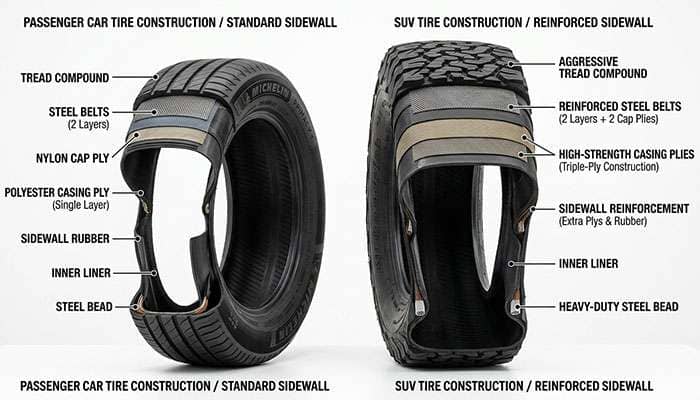
Different vehicles stress tires in different ways. SUVs and crossovers carry more weight and generate more sidewall heat, requiring tires with reinforced construction and higher load ratings. Michelin, Continental, and Goodyear engineer their SUV-specific tires with extra sidewall protection and heat-resistant compounds that maintain reliability under these conditions. Yokohama and Hankook offer competitive mid-tier alternatives with similar construction at 15-20% lower prices.
For light trucks and heavy-duty applications, load range becomes critical. An E-rated tire (10-ply rating) delivers the structural integrity you need for towing and hauling without reliability compromises. BFGoodrich, Firestone, and General Tire dominate this segment with proven durability. Their truck tires routinely exceed 60,000 miles even under maximum load conditions while maintaining stable handling characteristics throughout their lifespan.
Performance and sports car owners need tires that balance grip with longevity—a historically difficult combination. Michelin Pilot Sport series tires and Continental ExtremeContact models lead reliability rankings for this category, delivering 30,000-40,000 miles of performance-level grip before requiring replacement. This doubles the lifespan of some ultra-high-performance competitors while maintaining superior wet and dry traction. If you're shopping for 20-inch or 22-inch wheels, these brands offer the most reliable options in larger diameters.
Aggressive drivers—those who accelerate hard, brake late, and corner enthusiastically—need tires with compounds that resist heat buildup and maintain structural integrity under high loads. The most reliable brands for aggressive driving use silica-enhanced compounds that stay pliable at high temperatures while resisting chunking and tearing. Bridgestone Potenza and Goodyear Eagle F1 lines excel here. Real-world testing shows minimal performance degradation even after track day use.
Conservative drivers who prioritize smoothness and fuel economy benefit most from tires with harder compound formulations and optimized rolling resistance. Michelin Defender and Continental TrueContact series tires deliver the longest tread life in this category—often exceeding 80,000 miles with proper rotation and maintenance. These tires sacrifice a small amount of ultimate grip compared to performance-oriented alternatives, but their consistency and predictability over tens of thousands of miles makes them the most reliable choice for everyday driving.
Climate plays an enormous role in tire reliability. If you live where temperatures drop below 45°F for extended periods, dedicated winter tires become essential for reliable traction. Nokian, Bridgestone Blizzak, and Michelin X-Ice lines lead winter tire reliability rankings. They maintain pliability in sub-freezing temperatures and resist stud loss (for studded variants) far better than budget alternatives. Running winter-specific tires seasonally and storing them properly extends their lifespan to 4-6 seasons, making premium winter rubber a sound reliability investment.
The "cost per mile" calculation reveals the true value of reliable tires. A $180 premium tire lasting 70,000 miles costs $2.57 per 1,000 miles. A $100 budget tire lasting 40,000 miles costs $2.50 per 1,000 miles—seemingly comparable. But this calculation ignores hidden costs: more frequent replacement appointments, potentially lower fuel economy due to higher rolling resistance, and safety risks from inferior wet traction. The most reliable tire brands reduce total ownership costs by minimizing these factors.
Mid-tier brands like Kumho, Falken, and General Tire occupy a strategic sweet spot. They use similar base technologies as premium manufacturers but skip expensive marketing campaigns and motorsports sponsorships. Testing shows these brands delivering 80-90% of premium tire performance at 60-70% of the cost. For most drivers, this represents optimal reliability value. A Kumho Ecsta or Falken Ziex provides genuinely reliable performance for daily driving, commuting, and occasional spirited driving without breaking your budget.
Price Tier |
Average Cost Per Tire |
Expected Lifespan |
Best Value Point |
|---|---|---|---|
Ultra-Budget |
$75-$100 |
35,000-45,000 miles |
Low annual mileage only |
Value |
$100-$140 |
50,000-60,000 miles |
Commuters, 12-15k miles/year |
Mid-Tier |
$140-$180 |
60,000-70,000 miles |
Best overall value for most drivers |
Premium |
$180-$250 |
70,000-85,000 miles |
High mileage, demanding conditions |
Ultra-Premium |
$250-$400+ |
30,000-50,000 miles |
Performance vehicles only |
Never compromise on safety to save a few dollars. Ultra-budget tire brands from unknown manufacturers may save you $200-300 on a set, but they consistently underperform in emergency braking tests and wet handling scenarios. The National Highway Traffic Safety Administration reports that tire-related crashes cause approximately 11,000 injuries annually, with inferior tire quality being a contributing factor. Sticking with established brands—even at the value tier—ensures you're getting tires that meet rigorous safety standards and maintain predictable behavior in emergency situations.
If budget is your primary concern, consider financing options that make reliable tires more accessible. At Performance Plus Tire, we offer flexible payment plans that let you invest in proven brands without compromising your monthly budget. This approach allows you to choose the most reliable tire for your needs rather than settling for whatever fits your immediate cash situation.
After analyzing warranty data, independent testing results, and real-world longevity reports, clear leaders emerge in each category. These recommendations reflect actual reliability performance, not marketing claims or brand prestige. Each recommended tire has demonstrated consistent quality across multiple model years and proves its value through measurable outcomes—treadwear, wet performance retention, and low defect rates.
Michelin Defender 2: This is your benchmark for passenger car reliability. Real-world testing shows these tires regularly exceeding 80,000 miles with proper maintenance while maintaining excellent wet traction throughout their lifespan. The compound formulation resists heat buildup during highway cruising. The symmetric tread design ensures even wear patterns even on vehicles with slight alignment issues. At $160-$200 per tire, they represent a premium investment that pays off in longevity and safety. Consumer Reports ranks the Defender 2 as the top all-season tire for four consecutive years, with owners reporting satisfaction rates above 90%.
Continental TrueContact Plus: For drivers seeking premium performance at mid-tier pricing, the TrueContact Plus delivers exceptional value. These tires typically reach 70,000 miles while providing confidence-inspiring wet grip and low road noise. The QuickView wear indicators help you monitor tread depth at a glance. The EcoPlus technology reduces rolling resistance for improved fuel economy. Priced at $140-$175 per tire, they cost 15-20% less than Michelin while delivering 85-90% of the performance. This makes them an ideal choice for commuters logging 15,000-20,000 miles annually who want reliable performance without premium pricing.
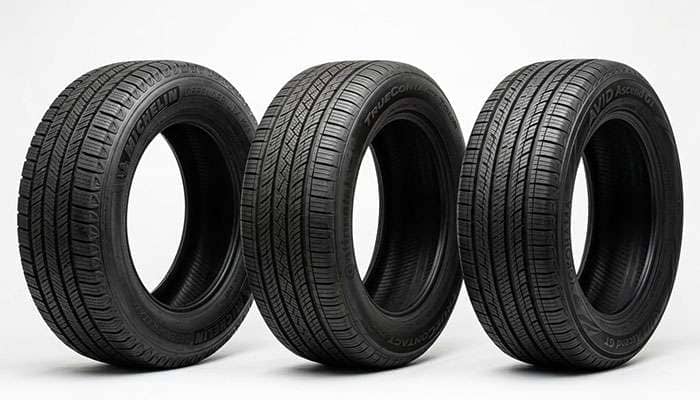
Yokohama Avid Ascend GT: This mid-tier option punches above its weight class in reliability testing. With an 85,000-mile treadwear warranty (one of the highest in the industry), real-world results show these tires consistently reaching 75,000+ miles. The TriBLEND compound maintains flexibility across temperature ranges. The adaptive 3D sipes provide excellent wet and light snow traction. At $120-$145 per tire, the Avid Ascend GT offers the best cost-per-mile value in our testing. It's particularly well-suited for sedans and small crossovers driven primarily in temperate climates. If you're looking for a reliable tire that won't strain your budget, put this at the top of your list.
Michelin Pilot Sport 4S: When you need ultimate grip without sacrificing longevity, the Pilot Sport 4S stands alone. These ultra-high-performance tires deliver track-worthy grip while lasting 30,000-40,000 miles—double the lifespan of competing performance tires. The bi-compound tread uses harder rubber on the outside shoulders for highway durability and softer rubber in the center for dry traction. Wet braking performance remains exceptional even at half tread depth—a critical safety factor often overlooked in performance tire comparisons. At $250-$350 per tire, they're expensive. But for serious driving enthusiasts, no other tire offers this combination of performance and reliability.
Continental ExtremeContact Sport 02: This is the performance tire for drivers who demand reliability alongside grip. Testing shows these tires maintaining 95% of their original dry traction at 50% tread depth. Wet performance remains strong throughout their 30,000-mile average lifespan. The Sport Plus Technology uses macro-blocks in the tread that resist deformation under hard cornering, preventing the chunking and irregular wear that plague lesser performance tires. Priced at $200-$280 per tire, they offer near-Michelin performance at a 15-20% discount. They're particularly well-suited to powerful sedans and sport coupes used for aggressive street driving with occasional track days.
Bridgestone Potenza Sport: Bridgestone's latest performance offering balances track capability with everyday reliability. The asymmetric tread pattern channels water effectively while the enlarged contact patch maximizes dry grip. What sets the Potenza Sport apart is its heat resistance—these tires maintain structural integrity even after repeated high-speed runs, making them ideal for performance driving schools and autocross events. Expect 25,000-35,000 miles of reliable performance at $220-$300 per tire. For drivers with performance vehicles who genuinely use their car's capabilities, the Potenza Sport delivers consistent, predictable behavior that builds confidence lap after lap.
General Altimax RT45: This tire proves you don't need premium dollars for reliable performance. With a 75,000-mile treadwear warranty and real-world results consistently reaching 65,000+ miles, the Altimax RT45 offers exceptional longevity for its $95-$125 price point. The all-season compound handles wet roads confidently. The Replacement Tire Monitor wear indicators help you track remaining tread life. It won't match premium tires in ultimate grip or refinement, but it provides safe, predictable performance for budget-conscious drivers. This is the tire I recommend to friends and family who drive sensibly and want maximum value.
Kumho Solus TA51a: Kumho has built a reputation for mid-price reliability, and the Solus TA51a exemplifies this. Testing shows these tires reaching 60,000 miles while maintaining good wet traction and comfort. The ESCOT tension control system in the casing enhances durability and promotes even wear. At $100-$135 per tire, they cost notably less than premium alternatives while delivering 80-85% of the performance. They're particularly well-suited to older vehicles where the cost of premium tires doesn't make financial sense, but you still want reliable transportation.
Hankook Kinergy GT: For drivers seeking budget-friendly reliability with a focus on fuel economy, the Kinergy GT delivers. The low rolling resistance design helps maximize MPG without sacrificing wet grip. The 70,000-mile warranty is backed by real-world results showing these tires consistently reaching 60,000+ miles. Road noise runs slightly higher than premium competitors, but not objectionable for most drivers. At $105-$140 per tire, these represent solid value for commuters who prioritize cost-effectiveness and efficiency. They're an excellent choice for hybrid and economy car owners who rack up highway miles.
Category |
Top Pick |
Price Range |
Expected Lifespan |
Key Strength |
|---|---|---|---|---|
Daily Commuter |
Michelin Defender 2 |
$160-$200 |
80,000+ miles |
Maximum longevity and wet grip |
Value Commuter |
Yokohama Avid Ascend GT |
$120-$145 |
75,000+ miles |
Best cost-per-mile value |
Performance |
Michelin Pilot Sport 4S |
$250-$350 |
30,000-40,000 miles |
Track capability with longevity |
Value Performance |
Continental ExtremeContact Sport 02 |
$200-$280 |
30,000 miles |
Premium grip at mid-tier pricing |
Budget |
General Altimax RT45 |
$95-$125 |
65,000+ miles |
Maximum reliability per dollar |
When shopping for the most reliable tire brand for your specific needs, remember that proper installation and maintenance matter as much as brand selection. Even the best tires fail prematurely without correct inflation pressure, regular rotation, and proper wheel alignment. At Performance Plus Tire, we provide comprehensive tire services alongside our extensive selection of reliable brands. Whether you're searching for complete wheel and tire packages or individual tire replacement, we help you make informed decisions based on your driving needs, vehicle requirements, and budget.
So what tire brand is the most reliable? The evidence consistently points to Michelin as the overall reliability leader across multiple categories. Their tires regularly exceed warranty mileage, maintain performance throughout their lifespan, and demonstrate the lowest defect rates in the industry. For drivers willing to invest in premium quality, Michelin delivers reliability that justifies the higher upfront cost.
But reliability isn't exclusively the domain of premium brands. Continental, Bridgestone, and Yokohama offer compelling alternatives that deliver 85-95% of Michelin's performance at more accessible price points. These mid-tier manufacturers have closed the gap significantly in recent years through advanced compound technologies and rigorous quality control. For most drivers, these brands represent the sweet spot of reliability and value.
Here's your key takeaway: tire reliability is measurable, predictable, and worth prioritizing. Investing in a proven brand from a reputable retailer like Performance Plus Tire ensures you're getting tires backed by real testing data, comprehensive warranties, and expert guidance. Whether you choose premium, mid-tier, or value options, selecting from the recommended brands in this guide dramatically reduces your risk of premature failure, safety issues, or disappointing performance. Your tires are literally where your vehicle meets the road—making the reliable choice here impacts every mile you drive.
Here are the essential points to remember when choosing the most reliable tire brand:
• Reliability means more than just tread life: The most reliable tire brands maintain consistent wet and dry traction throughout their lifespan, demonstrate low defect rates, and deliver on warranty promises without premature failures or performance degradation.
• UTQG ratings provide starting points, not guarantees: Treadwear, traction, and temperature grades offer useful comparisons, but independent testing from Consumer Reports and Tire Rack reveals real-world performance that sometimes contradicts manufacturer claims—always verify ratings with third-party data.
• Mid-tier brands offer exceptional value: Manufacturers like Yokohama, Continental, and Kumho deliver 80-90% of premium tire performance at 60-70% of the cost, making them the optimal choice for most drivers who want reliable transportation without breaking the bank.
• Match tires to your actual driving conditions: The most reliable tire for highway commuting differs from the best choice for performance driving or heavy-duty truck use—selecting the right category and construction type for your specific needs maximizes both safety and longevity.
• Never compromise on safety to save money: Ultra-budget tires from unknown manufacturers may cost less initially but fail to deliver reliable wet traction, consistent wear patterns, or predictable emergency handling—the modest savings aren't worth the risk to you and your passengers.
Michelin consistently delivers the longest tread life across their product lines. Models like the Defender 2 regularly exceed 80,000 miles in real-world testing. Continental and Yokohama also offer excellent longevity—their premium all-season tires typically reach 70,000-75,000 miles. But actual lifespan depends heavily on your driving habits, vehicle alignment, and proper maintenance. Aggressive driving and neglected tire rotation can reduce even the best tire's lifespan by 30-40%.
Premium tires generally offer superior reliability through better compound formulations, stricter quality control, and more consistent performance over time. But the relationship isn't linear. The jump from budget to mid-tier brands provides the most significant reliability improvement, while the premium-to-ultra-premium increase offers diminishing returns for most drivers. A $140 mid-tier tire often delivers 90% of a $200 premium tire's reliability, while a $90 budget tire might only deliver 70%. Choose based on your annual mileage and driving demands rather than assuming the most expensive option is always best.
Check three key factors: tread depth, age, and visual condition. Use the penny test—insert a penny into the tread with Lincoln's head upside down. If you can see the top of his head, you're below 2/32" and need replacement immediately. Check the DOT date code on your sidewall—tires older than six years should be replaced regardless of tread depth due to rubber degradation. Finally, inspect for cracks in the sidewall, bulges, or uneven wear patterns that indicate alignment issues or structural problems. Any of these signs means it's time for new tires.
Yes, matching all four tires ensures consistent handling characteristics, braking performance, and traction across all wheels. Different brands use distinct compound formulations and tread patterns that create handling imbalances, especially in emergency maneuvers or wet conditions. If you must replace only two tires due to budget constraints, mount the new ones on the rear axle regardless of your drive configuration—this maintains stability during sudden corrections. However, plan to replace all four as soon as financially possible for maximum reliability and safety.
Four critical maintenance practices maximize tire reliability: maintain proper inflation pressure (check monthly with a quality gauge), rotate tires every 5,000-7,000 miles following your vehicle manufacturer's pattern, keep wheels properly aligned (have alignment checked annually or after hitting potholes), and avoid aggressive driving habits like hard acceleration and late braking. Additionally, clean your tires regularly to remove harmful chemicals and debris, and store seasonal tires in a cool, dry location away from sunlight and ozone sources like electric motors. These simple practices can extend even mid-tier tires beyond their rated lifespan while maintaining safety performance.



