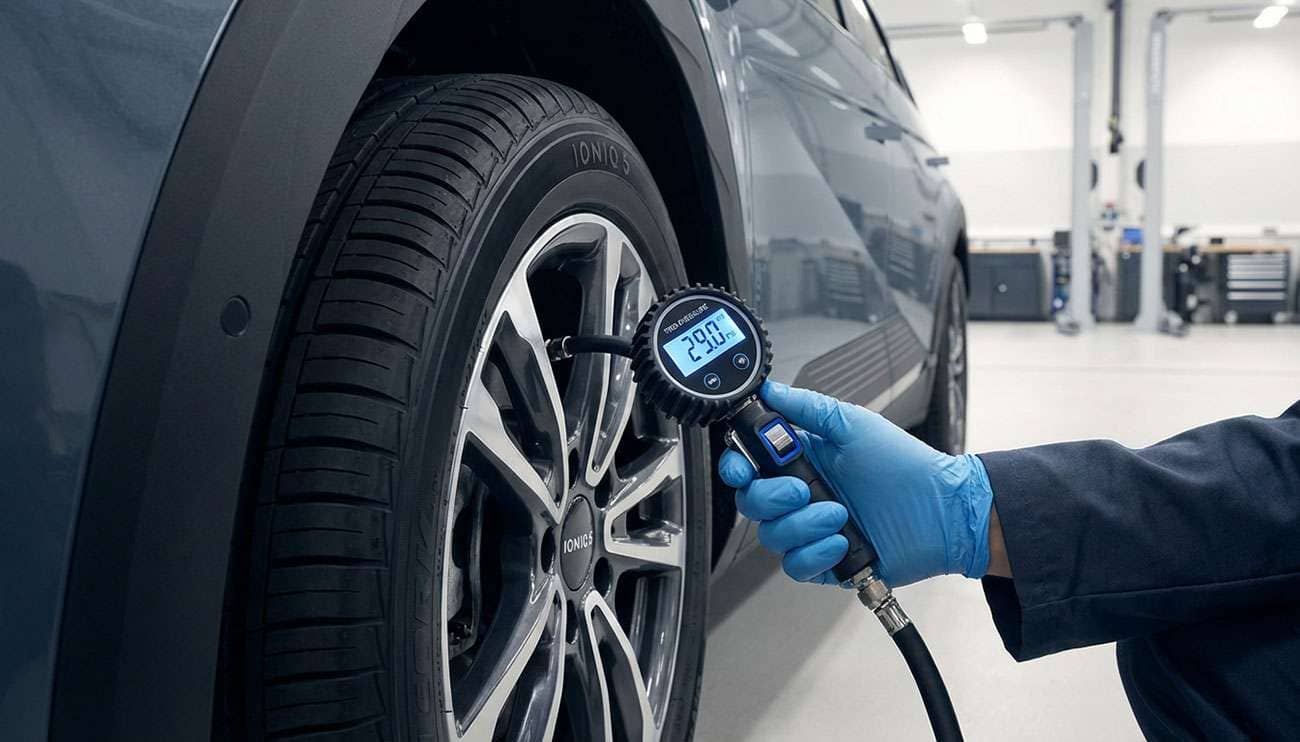
Tires for EV lose about 1 psi of air every month, significantly affecting both safety and driving range. This seemingly small pressure drop creates a dramatic impact on your electric vehicle's rolling resistance, directly cutting into your available range. Electric vehicles face unique tire challenges because they're heavier due to large battery packs and generate high instant torque, causing faster tire wear compared to conventional vehicles.
At Performance Plus Tire, we understand the specific demands EV owners encounter daily. Tires for EV cars need specialized care because they support heavier loads while maintaining low rolling resistance for optimal efficiency. Most electric vehicles include a Tire Pressure Monitoring System (TPMS) that warns you about significant pressure changes, but relying solely on these alerts won't deliver peak performance.
We'll guide you through proper EV tire maintenance techniques - covering pressure management to tread monitoring - helping you achieve maximum safety and driving range. Whether you're questioning if tires for EV vehicles differ from regular ones or wondering why EV tires wear faster, our expert advice provides practical solutions that are easy to implement.
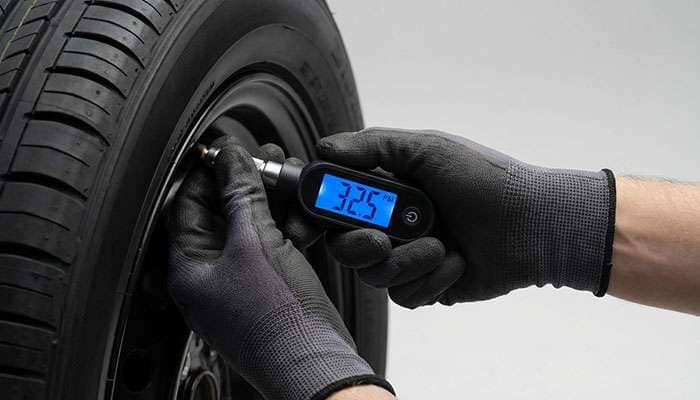
Proper tire inflation becomes essential for EVs since they typically require higher pressure than conventional vehicles. Most EVs need tire pressure above 40 psi, while gas-powered vehicles usually operate at 30-32 psi. The Ford Lightning EV requires 42 psi for optimal performance.
EV tires carry a heavier load – electric vehicles weigh 20-30% more than comparable gas models due to their battery packs. This extra weight creates additional stress on tires during acceleration, braking, and cornering. EVs deliver instant torque through regenerative braking, which increases tire wear when pressure isn't properly maintained.
Checking your EV's tire pressure requires proper timing and technique:
Check when tires are "cold" (driven less than 2 miles) for accurate readings
Find the recommended pressure on the sticker inside your driver's door jamb or owner's manual
Use a reliable pressure gage – don't rely solely on visual inspection
Remember that tire pressure fluctuates with temperature – it reads lower in cold weather
Experts recommend checking pressure at least once a month and before long trips. During winter months, check more frequently as every 5°C temperature decrease can reduce pressure by 1-2 psi.
Underinflated tires create extra rolling resistance, forcing your EV to work harder and drain battery power faster. Tires just a few PSI below recommended levels can reduce your range by up to 10%. This efficiency loss hits EVs harder than conventional vehicles since rolling resistance represents a larger portion of total energy consumption.
Overinflated tires create their own set of problems. Overinflation causes the center of the tread to bear most of the weight, resulting in faster wear in the middle. Overinflated tires are more susceptible to road debris damage, provide less traction, and increase blowout risks. They also create a harsher ride by reducing the tire's ability to absorb road imperfections.
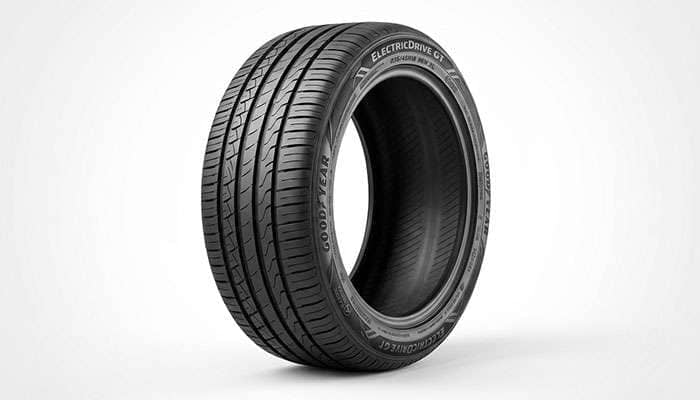
Regular tread depth monitoring becomes critical for EV owners since tires on electric vehicles wear out approximately 20% faster than those on conventional vehicles. This accelerated wear pattern makes maintaining proper tread depth essential for both safety and optimal performance.
You don't need professional equipment to check tread depth effectively. The penny test remains the most accessible method - insert a penny with Lincoln's head upside down into the tread groove. When you can see all of Lincoln's head, your tread has dropped below 2/32 inch and requires immediate replacement. For earlier detection, the quarter test works better - if Washington's head becomes visible, you have approximately 4/32 inch remaining.
Most tires include built-in tread wear indicators - small bars molded into the tread grooves that appear when depth reaches 2/32 inch. For precise measurements, consider purchasing an inexpensive tread depth gauge from auto parts stores.
Uneven wear patterns signal underlying problems that need attention. Excessive wear along tire edges typically indicates chronic underinflation, while center wear usually results from overinflation. Watch for feathering (saw-tooth patterns along edges), cupping (scalloped dips), or one-sided wear patterns that generally point to alignment issues.
Three primary factors accelerate EV tire wear. The additional weight - electric vehicles weigh 20-30% more than comparable gas models due to battery packs. Instant torque delivery creates "micro-slipping" even without noticeable wheel spin. Regenerative braking produces forces in the opposite direction, causing additional rubber scrubbing. These combined factors explain why some EV tires wear out at 12,000 miles compared to 25,000 miles for conventional vehicles.
Replace tires immediately when tread reaches 2/32 inch (the legal minimum). For optimal wet weather safety, consider replacement at 4/32 inch. Since 80% of vehicles with worn tires have treads below the legal limit, regular inspection proves vital - check every 3,000 miles or once tread reaches 4/32 inch. Prompt tire replacement improves safety, handling, and helps maintain your EV's range and efficiency.
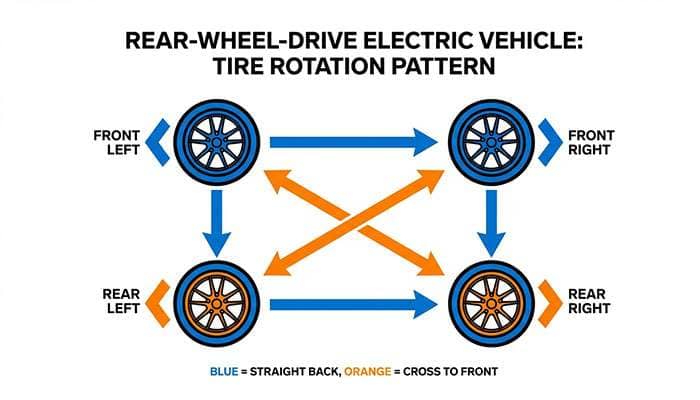
Tire rotation becomes essential for electric vehicles beyond standard maintenance practices. Gas-powered cars rely on oil changes as maintenance reminders, but EV owners must actively schedule rotation to prevent excessive wear.
Regular rotation directly addresses the accelerated wear patterns specific to electric vehicles. Battery pack weight combined with instant torque delivery creates uneven tread deterioration. Rotation spreads these stresses across all four tires, maintaining consistent tread depth throughout their service life. Proper rotation also preserves your vehicle's range by keeping rolling resistance optimized.
Manufacturers provide specific guidelines tailored to their models. Tesla recommends rotations every 6,250 miles, Ford suggests every 10,000 miles for the Mustang Mach-E, and Hyundai advises every 5,000 miles for the Ioniq 5. We recommend rotating tires for EV vehicles every 5,000-8,000 miles as a general rule. Don't rely solely on mileage intervals - consider rotation when tread depth differences between tires reach 2/32 inch.
Proper alignment becomes critical given an EV's unique weight distribution characteristics. Most manufacturers recommend alignment checks every 10,000-12,000 kilometers. Misaligned wheels force electric motors to work harder by increasing rolling resistance, which reduces driving range. Correct alignment extends tire life while maintaining efficient energy consumption.
Tire balancing ensures even weight distribution around each wheel. We recommend road force balancing for EVs specifically, which applies pressure during the balancing process to simulate real driving conditions. Well-balanced tires deliver smoother rides, improved handling, and extended tire life.
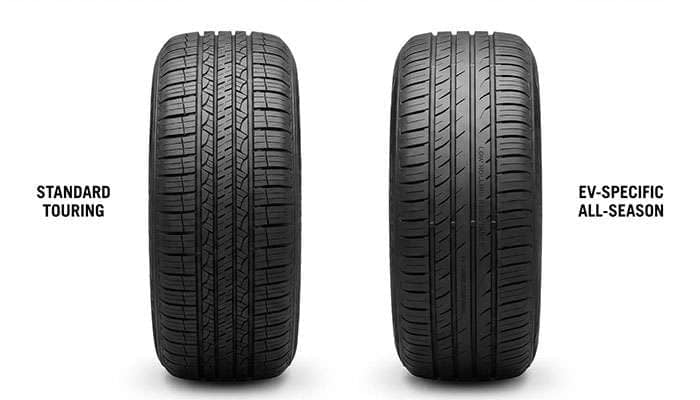
Selecting the right tires makes a significant difference in your electric vehicle's performance and efficiency. At Performance Plus Tire, we've worked with countless EV owners to find the perfect tire match for their specific needs.
Electric vehicles demand specialized tire construction to handle their unique operating characteristics. EV-specific tires feature stronger internal structures and reinforced sidewalls designed to withstand the immediate power transfer that puts tremendous stress on tires during acceleration. These specialized designs address the specific challenges that regular tires simply cannot match.
Modern EV tires utilize specialized rubber compounds with high-loading resin and silica from natural resources for superior durability. These advanced materials optimize traction while maintaining the flexibility needed to handle instant torque delivery. The result is a tire that performs better and lasts longer under EV operating conditions.
Without engine noise to mask tire sounds, acoustic comfort becomes essential for EVs. Many manufacturers incorporate polyurethane foam inside tires, reducing cabin noise by up to 9.2dB. Low rolling resistance designs extend your driving range by minimizing energy lost through tire deformation. These features work together to create a quieter, more efficient driving experience.
The load index indicates maximum weight capacity - a critical factor for electric vehicles. Many EVs require tires with HL (high load) or XL (extra load) ratings to safely support their battery pack weight. Check your tire performance options to ensure you select tires with the proper load and speed ratings for your specific model.
All-season tires provide balanced performance across various weather conditions, making them ideal for daily commuting and general use. Performance tires deliver superior handling and grip for sportier EVs or enthusiastic driving. Consider your driving style and local climate when making this choice - all-season tires offer versatility while performance tires maximize handling capabilities.
We carry a comprehensive selection of EV-specific tires from leading manufacturers, ensuring you'll find the perfect match for your vehicle's requirements and your driving preferences.
Proper EV tire maintenance delivers substantial rewards that go far beyond basic vehicle upkeep. Electric vehicles demand specialized attention due to their unique characteristics, and the right maintenance approach maximizes both safety and driving range.
Regular pressure monitoring protects your investment while preserving efficiency. Tread depth awareness prevents premature replacement costs. Strategic rotation and alignment keep all four tires working together optimally. Most importantly, choosing EV-specific tires designed for electric vehicle demands ensures peak performance from day one.
EV-specific tires offer reinforced construction, optimized rolling resistance, and advanced noise reduction that conventional tires can't match. You can explore our extensive selection of EV-specific performance options at Performance Plus Tire to find the perfect match for your vehicle's requirements.
The commitment to proper tire care pays dividends through extended tire life, enhanced handling, improved safety, and maximum driving range. At Performance Plus Tire, we know how important it is to get the most from every charge while maintaining a smooth, quiet ride. Your electric vehicle represents cutting-edge technology, and it deserves tires engineered to meet its advanced requirements.
Ready to upgrade your EV's performance? Our expert team stands ready to help you select the ideal tires and establish a maintenance routine that keeps you moving efficiently for miles ahead.
Proper EV tire maintenance is crucial for maximizing safety, performance, and driving range, as electric vehicles place unique demands on tires due to their heavier weight and instant torque delivery.
• Check tire pressure monthly at 40+ PSI - EVs require higher pressure than gas cars and lose 1 PSI monthly, affecting range by up to 10%
• Monitor tread depth every 3,000 miles - EV tires wear 20% faster due to extra weight and instant torque, sometimes lasting only 12,000 miles
• Rotate tires every 5,000-8,000 miles - Regular rotation prevents uneven wear from battery weight and maintains optimal rolling resistance
• Choose EV-specific tires with reinforced construction - These feature stronger sidewalls, low rolling resistance, and noise reduction for electric vehicle demands
• Replace tires at 4/32" tread depth for safety - Don't wait for the legal minimum of 2/32" to maintain wet weather traction and performance
Investing in proper EV tire maintenance and specialized tires designed for electric vehicles will significantly extend tire life, improve handling, and help you get the most from every charge.
To make your EV tires last longer, regularly rotate them every 5,000 to 8,000 miles, maintain proper alignment, and keep tire pressure at the recommended levels (usually above 40 PSI for EVs). These practices help distribute wear evenly and reduce stress on the tires caused by the vehicle's extra weight and instant torque.
EV tires typically wear about 20% faster due to the vehicle's heavier weight (20-30% more than gas cars), instant torque delivery, and the effects of regenerative braking. These factors combine to create more stress on the tires, leading to faster wear.
Check your EV's tire pressure at least once a month and before long trips. EVs lose about 1 PSI of tire pressure monthly, which can significantly impact safety and driving range. In colder weather, check more frequently as temperature drops can further reduce pressure.
While not strictly required, EV-specific tires are designed to handle the unique demands of electric vehicles. They feature stronger internal structures, reinforced sidewalls, specialized compounds for durability, and often incorporate noise reduction technology and low rolling resistance designs to maximize range and comfort.
Replace your EV tires when the tread depth reaches 4/32 inch for optimal wet weather safety, even though the legal minimum is 2/32 inch. Given the faster wear rate of EV tires, this may occur as early as 12,000 miles for some vehicles. Regular inspections every 3,000 miles can help you track wear and plan for timely replacements.