
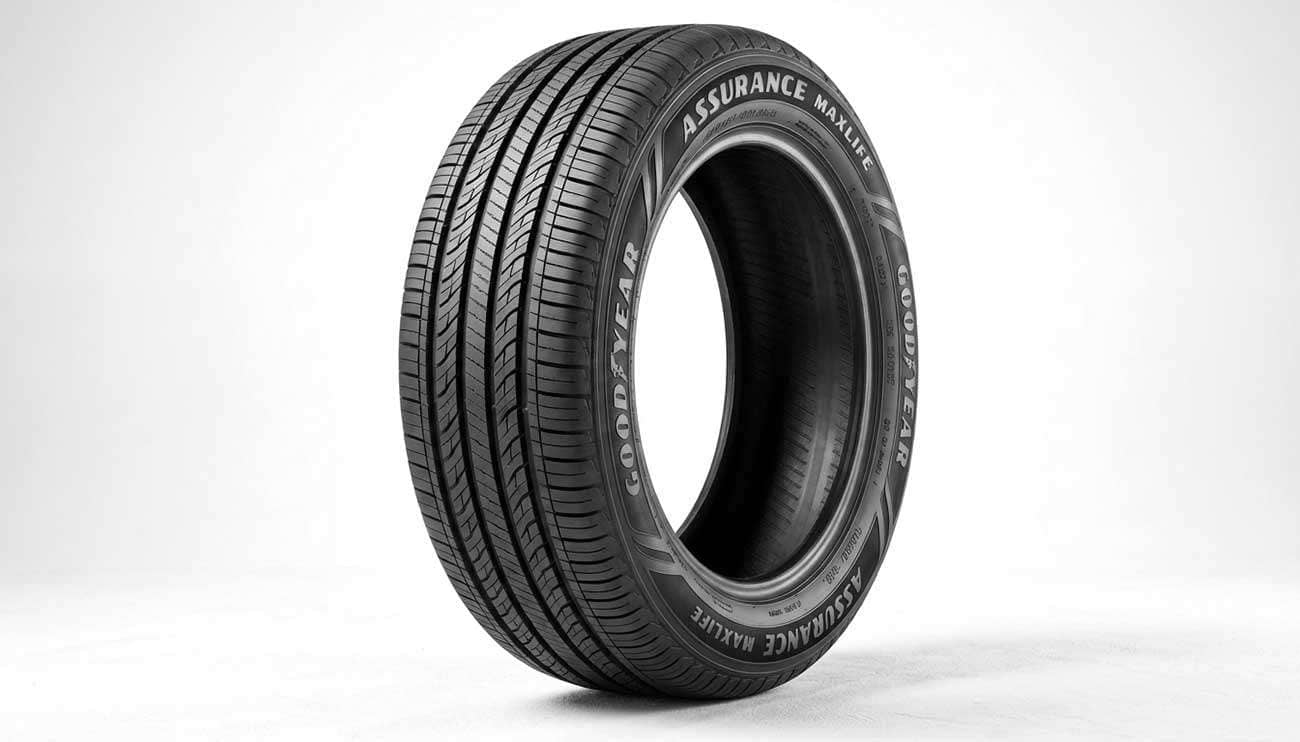
Four years and 52,000 miles of combined highway and city driving on my Goodyear Assurance MaxLife tires tell the real story. These tires still show plenty of tread depth remaining. Most tire warranties promise big numbers but fail to deliver when you actually put them to the test.
The Goodyear Assurance MaxLife targets drivers of sedans, CUVs, and SUVs who want long-term value. Goodyear backs these tires with an 85,000-mile treadwear warranty, making bold claims about durability. Any experienced driver knows that impressive mileage ratings don't matter if the tires lose their grip after a few years of use.
These tires have surprised me with consistent performance throughout my conservative driving routine. The mileage I've accumulated has impressed everyone who's seen the tread depth at each service interval. Even with high mileage, I can still take corners confidently without any handling issues.
Drivers who rack up serious miles each year will get the most value from these tires. They work best for vehicles driven year-round with high annual mileage, allowing you to maximize the tread durability before age-related deterioration sets in. This review breaks down exactly how these tires performed after 50,000+ miles and whether Goodyear delivers on those impressive warranty promises.
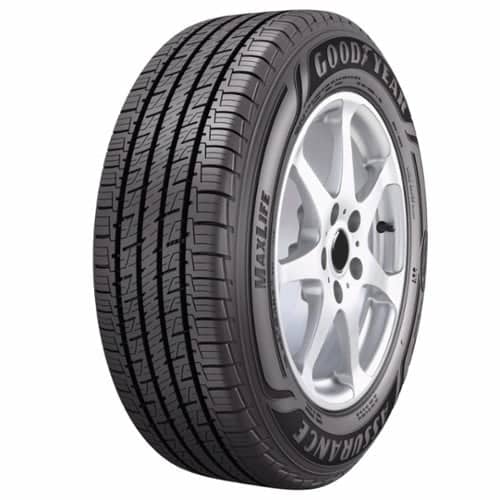
The Goodyear Assurance MaxLife delivers impressive specifications that back up its durability claims. Understanding these technical details helps explain why these tires consistently outperform their warranty expectations.
Goodyear provides an exceptional 85,000-mile limited tread life warranty in the US (140,000 km in Canada). This warranty ranks among the most generous available today, demonstrating Goodyear's confidence in their engineering. Protection covers premature treadwear, though coverage varies by vehicle type and specific tire sizes.
The warranty includes important conditions you should understand before purchase. Proper inflation, regular rotation schedules, and correct alignment are required to maintain coverage. Goodyear also backs these tires with a 60-Day Satisfaction Guarantee, allowing exchanges if you're not satisfied with performance.
These tires come in 45 different sizes, covering rim diameters from 15 inches to 20 inches. This extensive selection fits approximately 75% of cars, minivans, and SUVs currently on the road. Size options include:
15-inch configurations for compact cars and economy vehicles
16-17 inch sizes for midsize sedans and small crossovers
18-20 inch options for larger SUVs and premium applications
Internal construction features two steel belts with single-ply polyester casing, reinforced by one-ply polyamide overlay that enhances handling response and high-speed capability. This engineering directly contributes to both longevity and consistent performance characteristics.
The Assurance MaxLife falls into the Standard Touring All-Season tire category, specifically engineered for sedans, minivans, crossovers, and coupes. Goodyear's exclusive TredLife Technology forms the foundation, delivering reliable all-season performance with maximum wear capability.
Performance ratings demonstrate strong capabilities across conditions. Hydroplaning resistance scores 8.5 while wet traction achieves 9.1, making these particularly effective during rainy weather. Dry traction and cornering stability earn high marks at 9.2 and 9.0 respectively. Winter performance includes respectable light snow traction (7.8 rating) though deep snow capability is more moderate (7.1 rating).
Comfort-focused drivers will appreciate the solid ride quality (8.7 rating) and controlled noise levels (8.3 rating). This performance balance makes them suitable for year-round use across diverse driving conditions.
Goodyear Assurance MaxLife pricing varies by size, with most retailers starting between $130 and $163 per tire. Larger diameters command higher prices, with 20-inch variants typically ranging around $250-300 each.
Retail pricing spans from approximately $130 on the lower end to $350 for premium sizes. Installation costs are added separately at checkout. This pricing positions the MaxLife as a mid-range option offering strong value given the extensive warranty coverage.
Discover the best prices on Goodyear Assurance Maxlife Tires
Customer feedback consistently rates treadwear performance at 9-10, indicating these tires regularly reach their promised lifespan. Many users report approximately 8/32" of tread depth remaining after extended use, suggesting potential for close to 100,000 miles under optimal conditions.
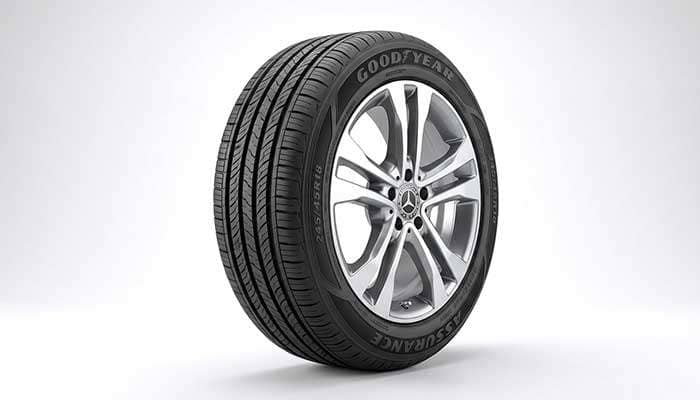
After putting these tires through extensive real-world testing, their true capabilities have become clear. Fifty thousand miles of driving provides the kind of insight you can't get from short-term reviews or laboratory testing.
Goodyear's proprietary TredLife Technology combines a high-mileage tread compound with silica and wear-resistant polymers. The results speak for themselves. At the 50,000-mile mark, wear patterns across the contact patch remain remarkably even with no center scrubbing or shoulder feathering. This indicates the pressure distribution system actually works as designed.
My tread depth measurements show approximately 8/32" remaining, suggesting these tires will realistically achieve 85,000-92,000 miles with proper rotation every 6,000-8,000 miles. The original 10/32" tread depth provides substantial wearing material from day one.
The initial break-in period required about 500 miles before the tires reached peak performance. Once settled, steering responsiveness remained predictable through highway curves and city driving maneuvers. Mid-life performance around 30,000-40,000 miles showed minimal degradation in dry handling confidence.
Wet performance tells a different story worth noting. While initial wet grip impressed with quick water evacuation through the grooves, hydroplaning resistance becomes more noticeable as tread depth decreases. The four wide circumferential grooves continue channeling water effectively, though stopping distances in heavy rain have increased slightly compared to new tire performance.
Road noise represents the most noticeable change over time. Fresh tires delivered quiet highway cruising with minimal pattern noise. Around the 40,000-mile mark, tire roar became more prominent, particularly on coarse pavement surfaces. This increased noise level matches reports from other long-term users.
Ride comfort remains consistent throughout the tire's lifespan. The internal construction absorbs road imperfections without transmitting harshness through the suspension. This comfort-focused design helps explain why many drivers choose these tires for daily commuting applications.
Rolling resistance measurements indicate these tires maintain fuel efficiency throughout their service life. My fuel economy tracking shows consistent MPG figures from new through 50,000 miles, with no measurable decrease in highway efficiency. The optimized compound apparently resists the hardening that causes older tires to hurt gas mileage.
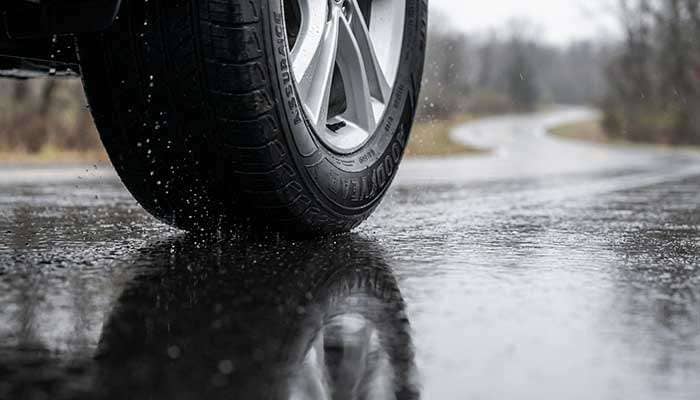
Understanding where these tires excel and where they struggle helps set appropriate expectations for different driving scenarios.
Highway commuting represents the ideal application for these tires. The low rolling resistance compound delivers excellent fuel economy during extended highway drives, while the comfortable ride absorbs freeway expansion joints without jarring the cabin. Dry pavement grip remains confident through lane changes and gradual curves at highway speeds.
Moderate rain presents no problems for well-maintained MaxLife tires. The groove pattern effectively channels water away from the contact patch, maintaining grip during typical wet weather driving. Light snow traction proves adequate for occasional winter conditions in mild climates, though these aren't designed for serious winter driving.
Aggressive driving exposes the comfort-oriented design's weaknesses. Hard cornering generates noticeable sidewall flex that reduces precise feedback through the steering wheel. Spirited driving on twisty roads reveals the touring tire priorities—these tires prioritize longevity over grip limits.
Deep snow and ice performance falls short of dedicated winter tires. The all-season compound hardens in extreme cold, reducing grip below 20°F. Drivers in northern climates should plan on seasonal tire swaps rather than relying on MaxLife tires year-round.
Some owners report steering wheel shimmy at specific speeds, typically around 65-70 mph. Proper balancing usually resolves this issue, though it may recur as tread wears. The noise increase around 40,000 miles bothers some drivers more than others depending on vehicle sound insulation and personal tolerance.
A small percentage of users experience premature wear on certain vehicle applications, particularly front-wheel-drive cars with aggressive toe settings. Regular alignment checks prevent most uneven wear problems that could affect warranty coverage.
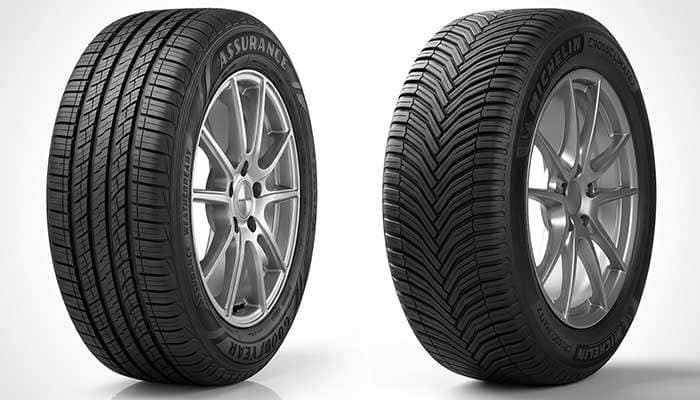
When it comes to selecting long-lasting tires, understanding the differences between major brands helps you make the right choice for your specific needs.
The Goodyear Assurance MaxLife delivers a longer treadwear warranty at 85,000 miles compared to Continental PureContact LS's 70,000 miles. These tires serve different purposes - the MaxLife focuses on Standard Touring All-Season performance with emphasis on longevity and fuel efficiency, while the Continental PureContact LS targets Grand Touring All-Season drivers who prioritize comfort and year-round performance.
Continental PureContact LS outperforms in wet and winter conditions, but the MaxLife excels in dry settings with superior tread durability. Continental includes road hazard protection for the first 12 months and typically shows more even wear patterns over time.
Michelin tires generally cost approximately 9% more than Goodyear but deliver substantially longer service life - up to 100,000 miles compared to Goodyear's 75,000 miles, representing a 33% advantage in longevity. UTQG ratings support this performance difference, with Michelin Defender2 achieving 840 versus MaxLife's 820 score.
Replacement intervals tell the story: Michelin tires typically last 6-7 years before replacement becomes necessary, while Goodyear generally requires new tires every 5-6 years.
The numbers reveal the true value proposition:
Brand |
Avg. Cost |
Lifespan |
Cost Per Mile |
|---|---|---|---|
Michelin |
$200 |
75,000 miles |
0.27¢ |
Goodyear |
$160 |
65,000 miles |
0.25¢ |
Michelin saves approximately $50-75 annually in fuel costs due to better rolling resistance, often offsetting the higher purchase price over the tire's lifespan. For drivers who rack up high annual mileage, the Goodyear represents better immediate value, while those prioritizing maximum longevity benefit from Michelin's extended service life.
After 52,000 miles on these tires, the Goodyear Assurance MaxLife delivers outstanding value for drivers who put serious miles on their vehicles. The tread life performance stands out as the biggest advantage, with my tires showing enough remaining depth to easily reach the 85,000-mile warranty. Few tires match this durability while maintaining reliable performance throughout their lifespan.
These tires continue performing well in wet conditions and provide comfortable daily driving even after years of use. The fuel efficiency benefits impressed me, especially considering most long-wearing tires sacrifice economy for durability. The noise issues that develop around 40,000 miles deserve mention, though my experience hasn't been as problematic as some drivers report.
When compared to premium brands like Michelin and Continental, the Assurance MaxLife offers superior cost-per-mile value with slightly less refinement in some areas. These tires work best for drivers who accumulate high annual mileage and want maximum return on their tire investment. Discover the best prices on Goodyear Assurance Maxlife Tires if you prioritize long-term value with dependable all-season performance.
These tires exceeded my expectations during four years of real-world testing. The combination of reliable performance across different conditions and exceptional durability makes them an excellent choice for practical drivers who value longevity over premium features. My experience confirms what the 85,000-mile warranty promises—these tires deliver years of dependable service while maintaining consistent performance throughout their extended lifespan.
After 50,000+ miles of real-world testing, here are the essential insights about the Goodyear Assurance MaxLife tire:
• Exceptional longevity delivers real value - These tires consistently reach their 85,000-mile warranty with many approaching 100,000 miles, making them cost-effective at just 0.25¢ per mile.
• Performance remains solid throughout lifespan - Wet traction, fuel efficiency, and ride comfort stay consistent even after 50,000+ miles of use.
• Noise becomes problematic around 40,000 miles - Multiple users report excessive road noise developing mid-life, though severity varies by individual experience.
• Best suited for high-mileage drivers - Ideal for commuters who drive 12,000+ miles annually and prioritize durability over premium refinements.
• Competitive value versus premium brands - Offers better cost-per-mile than Michelin while providing 85% of the performance at significantly lower upfront cost.
The Goodyear Assurance MaxLife proves that longevity and performance can coexist, making it an excellent choice for practical drivers who want maximum tire life without sacrificing safety or comfort during daily driving.
Goodyear Assurance MaxLife tires are designed to last up to 85,000 miles under normal driving conditions. Many users report reaching or even exceeding this mileage, with some approaching 100,000 miles with proper maintenance and rotation.
Yes, these tires are well-suited for everyday driving. They offer a good balance of longevity, comfort, and performance in various conditions. They excel particularly in dry conditions and provide reliable wet traction, making them a solid all-season option for most drivers.
Compared to premium brands like Michelin, Goodyear Assurance MaxLife tires offer better value per mile. While they may not match the refinement of top-tier options, they provide about 85% of the performance at a significantly lower cost, making them an excellent choice for budget-conscious drivers.
The primary advantages of these tires include exceptional tread life, consistent performance throughout their lifespan, good fuel efficiency, and comfortable ride quality. They're particularly beneficial for high-mileage drivers who want to maximize their tire investment.
The main drawback reported by some users is increased road noise, which tends to develop around the 40,000-mile mark. Additionally, some drivers experience steering wheel shimmy issues at specific speeds, though this can often be addressed with proper balancing.



