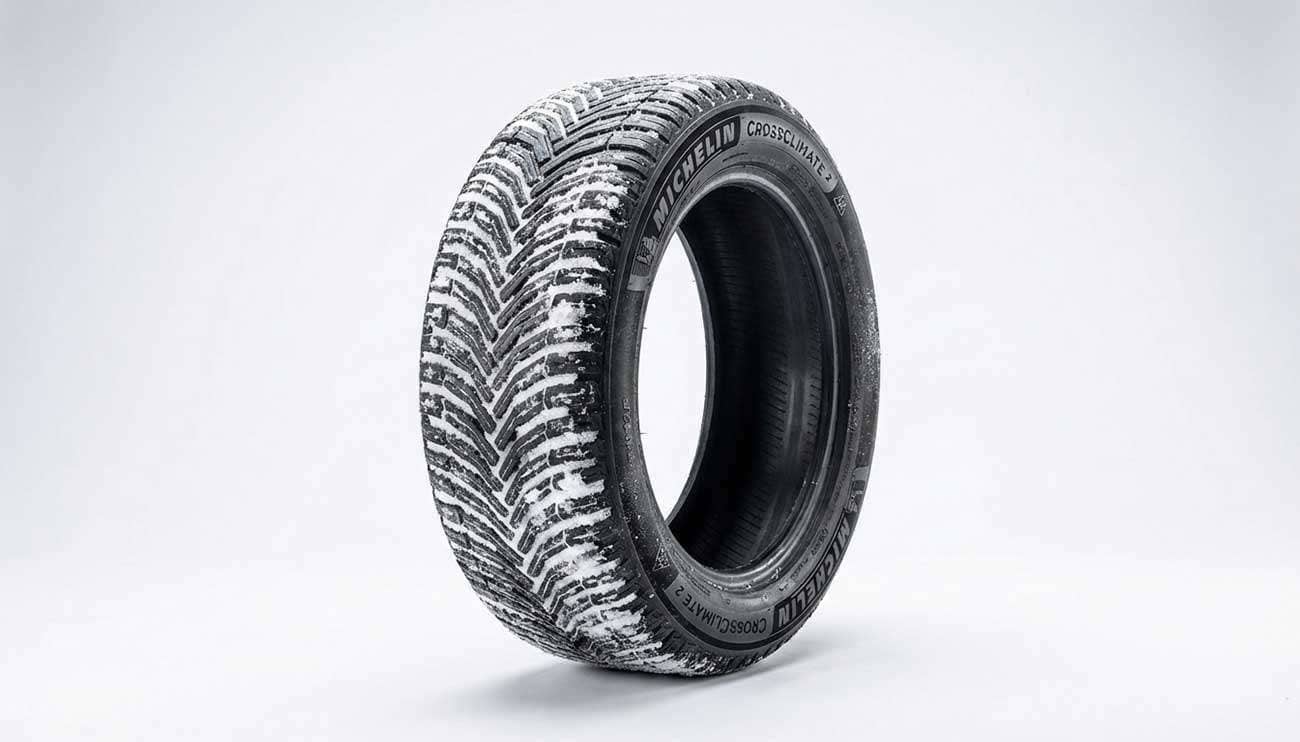
The Michelin CrossClimate 2 has earned a reputation as one of the best all-weather tires available, but does real-world performance live up to the marketing claims? After extensive testing through more than 120 inches of snow each winter, we can provide you with honest feedback based on 15,000 miles of actual driving experience. These tires have been pushed through extreme conditions including temperatures as low as -25 degrees Fahrenheit and challenging terrain from dry highways to four inches of packed sleet topped with four inches of fresh snow.
Our testing confirms these tires have consistently won comparison tests and earned recognition for superior dry grip, snow performance, and aquaplaning resistance. The performance comes with trade-offs, though. We measured a fuel economy decrease from approximately 31 MPG with original equipment tires down to 29 MPG with the CrossClimate 2's installed.
The sidewalls display the three-peak mountain snowflake symbol, meeting official winter capability standards – but do they actually deliver the all-weather performance drivers need? Our experience shows excellent traction and handling across diverse road conditions, plus notably short stopping distances. These tires demonstrate impressive versatility that justifies their premium price point.
We'll break down exactly what you can expect from these highly-rated tires, covering performance data, durability findings, and whether they're worth the investment for your specific driving needs.
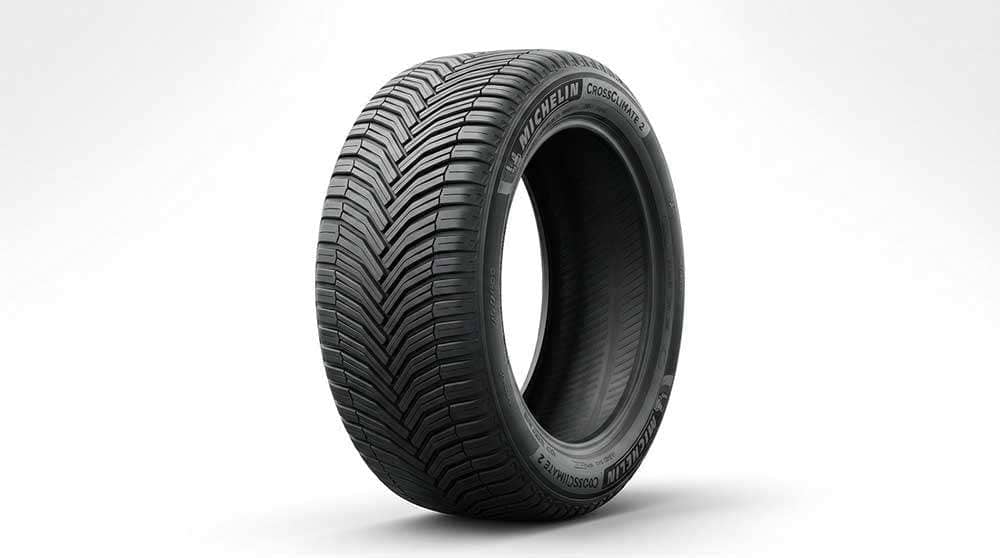
After putting these tires through extensive real-world testing, we can confidently say they deliver impressive performance across all driving conditions. Our hands-on experience reveals capabilities that explain why so many drivers choose the CrossClimate 2 as their year-round solution.
The CrossClimate 2 excels in dry conditions, with customer ratings consistently scoring 9 or 10 out of 10. These tires maintain responsive handling and reliable grip for everyday driving, despite their advanced winter capabilities. The center tread blocks work perfectly with forward and backward forces, maximizing contact during acceleration and braking. Michelin engineered V Ramp chamfers into the leading and trailing edges to enhance braking traction under load. When you're pushing through corners, the lateral alignment of shoulder blocks delivers improved cornering forces and exceptional control.
The CrossClimate 2's winter performance sets it apart from the competition. These tires have dominated snow tests, winning with best-in-class braking and acceleration capabilities. Testing results show they outperform many dedicated winter tires - a remarkable achievement for an all-weather option. Even when temperatures drop to -20°C, they maintain impressive traction. Ice performance scores slightly lower (7-8 out of 10) compared to snow ratings (9-10), but they still provide confident handling in most winter conditions.
The wet-weather performance of the CrossClimate 2 proves truly impressive. Drivers report never experiencing hydroplaning even in conditions where they "definitely should have". During heavy downpours and flooding conditions, these tires remained exceptionally stable. Testing on wet pavement shows the CrossClimate 2 stopped up to 56 feet shorter than four leading competitors. The deep tread pattern channels water away effectively, delivering reliable traction that earns "excellent" ratings from owners.
Ready to experience these capabilities yourself? Performance Plus Tire offers the complete CrossClimate 2 lineup with expert fitment services to ensure optimal performance for your vehicle.
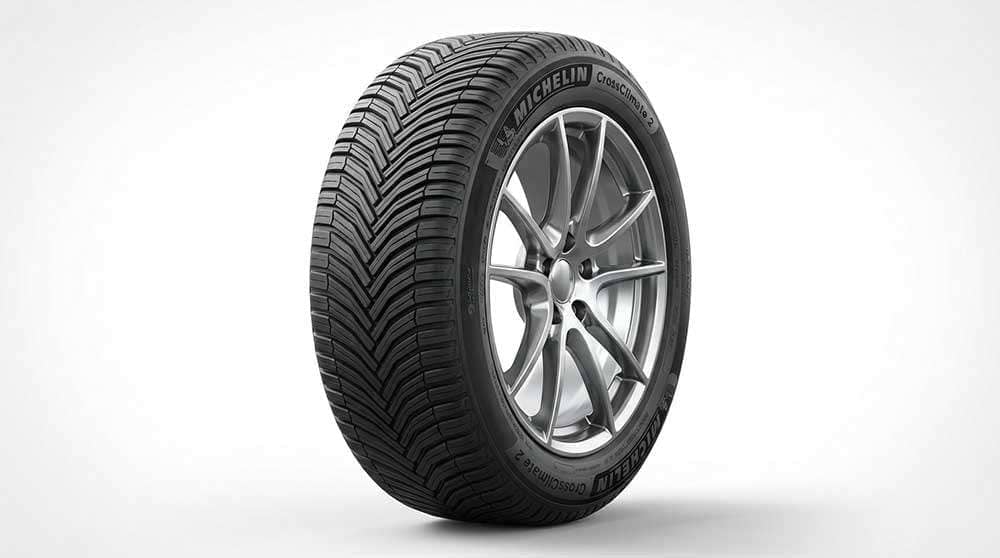
The best tire performance means nothing if daily driving becomes unpleasant. After thousands of miles, we've evaluated how these tires affect the aspects that matter most for everyday use.
CrossClimate 2 noise levels generate mixed feedback from drivers. Most customers rate noise between 7-10 on a 10-point scale, indicating generally acceptable levels. Michelin incorporates PIANO Noise Reduction Tuning technology that "tunes out airborne noise by augmenting tread element geometry".
Real-world experiences vary significantly. One verified purchaser notes, "These are very quiet on the road and I believe they increased the comfort level". Another reports concerns: "After about 30k miles it sounds like failed wheel bearings on certain road surfaces". Professional testing found "no meaningful levels of added noise when new or at the 31,000-miles driven marker". The directional tread pattern that delivers excellent traction may create slightly increased noise on specific vehicles or road surfaces.
Ride comfort consistently earns high marks from CrossClimate 2 owners, with most rating comfort 9-10 out of 10. These tires provide "a luxurious, comfortable ride" that often surpasses original equipment expectations. Some drivers do report the tires feel "very, very stiff", especially when upgrading from softer touring tires.
Highway stability and smoothness receive particular praise from drivers. City driving benefits from the tires' ability to absorb road imperfections without harsh impact transmission to the cabin.
Fuel economy results show significant variation among drivers. One comprehensive test demonstrated a 0.5 MPG improvement after installing CrossClimate 2 tires, with average mileage increasing from 26.8 MPG to 27.3 MPG. Another test recorded improvement to 27.7 MPG.
However, some drivers experience decreases of 3-6 MPG. Technical analysis indicates CrossClimate 2 tires may be approximately 3-5% less fuel-efficient than specialized eco tires. This translates to roughly 21 additional gallons annually for someone driving 12,500 miles per year.
Multiple factors influence these variations, including ambient temperature, vehicle type, and tire break-in period. Many drivers report fuel economy improves as the tires wear and rolling resistance decreases.
Premium tire longevity depends on consistent monitoring and proper care. After 15,000 miles with our CrossClimate 2 test set, we've tracked detailed wear patterns and maintenance requirements to help you maximize your investment.
Michelin stands behind these tires with a 60,000-mile limited treadwear warranty. Our durability testing shows impressive results, with one owner reporting 8/32" to 9/32" tread remaining after 41,000 miles despite infrequent rotations. The legal minimum tread depth measures 2/32" across the central three-quarters of the tread width. We recommend using both a tread depth gauge and the penny test for monitoring—if any part of Lincoln's head shows when inserted into the tread, you're still above the legal limit.
CrossClimate 2 tires feature a directional design, allowing rotation only front-to-back on the same side. Michelin recommends rotating every 6,000-8,000 miles or when irregular wear appears. Proper inflation pressure is critical—underinflated tires wear excessively on outside edges, while overinflation causes center tread wear. Check your alignment if the vehicle pulls to one side or steering feels off-center.
Monitor these warning indicators: wear patterns developing on tire shoulders, uneven tread wear across the tire surface, or scalloped/cupped patterns that signal suspension issues. Reduced directional stability at highway speeds also indicates developing problems. Monthly inspections help catch issues early before they become costly repairs.
Understanding these maintenance basics helps ensure you get the maximum mileage from your investment while maintaining the safety benefits these premium tires provide.
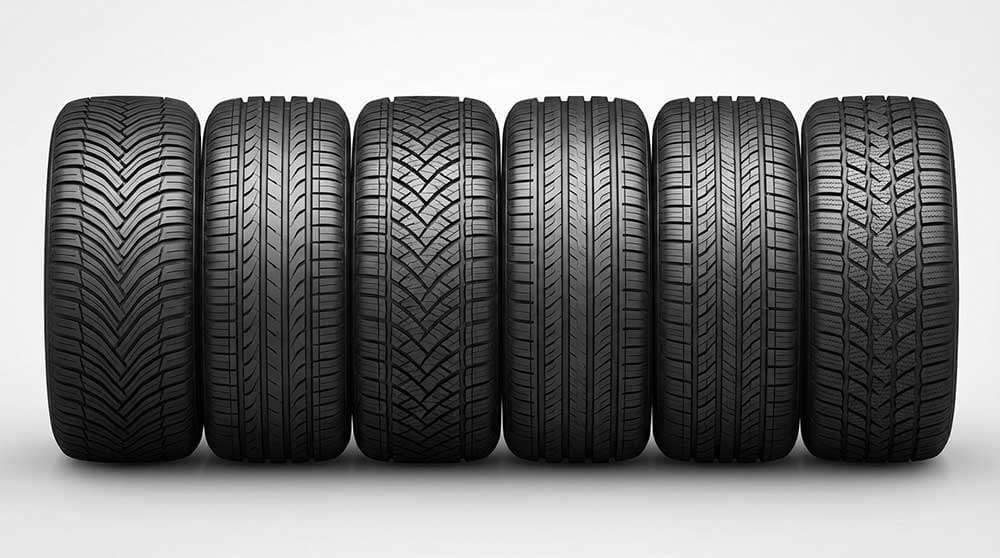
The premium price tag raises an important question: does the CrossClimate 2 deliver enough value to justify the investment? Our extensive testing provides clear answers about long-term costs and benefits.
The CrossClimate 2 requires a significant upfront investment at approximately $200 per tire. However, the math tells a different story when you calculate actual cost per mile. Based on the 60,000-mile warranty, you're looking at roughly $3.33 per 1,000 miles. Many owners report reaching 62,000-65,000 miles before replacement at the 4/32" mark. The extended service life combined with eliminating seasonal tire changes creates substantial long-term savings.
The difference between these tire categories affects your safety and wallet. Standard all-season tires lose most of their grip when temperatures drop below 45°F (7°C). The CrossClimate 2 uses specialized rubber compounds that stay flexible at much lower temperatures. More importantly, the Three-Peak Mountain Snowflake (3PMSF) certification officially qualifies these tires for winter use, unlike typical all-season tires that only carry M+S ratings without meeting winter tire standards.
We would choose these tires again without hesitation. The ability to handle everything from summer heat to severe winter conditions with a single tire set provides exceptional convenience and safety. One verified owner summarizes it well: "These are excellent tires for most cars and SUVs... I'm always impressed with their control on all surfaces". The slight fuel economy penalty becomes insignificant compared to the safety benefits and convenience factors.
For drivers in regions with variable weather conditions, the CrossClimate 2 offers the best compromise between specialized seasonal options. Ready to experience these benefits yourself? Performance Plus Tire offers the complete CrossClimate 2 lineup with expert fitment services to ensure optimal performance for your specific vehicle.
The Michelin CrossClimate 2 proves itself as a premium all-weather tire that delivers genuine year-round capability. Our extensive testing through extreme conditions from -25°F temperatures to heavy summer rain confirms these tires offer exceptional performance that justifies their investment.
The fuel economy trade-off we measured—approximately 2 MPG decrease compared to original equipment tires—represents a reasonable compromise for the safety and convenience benefits. Most drivers find this small efficiency penalty acceptable when balanced against eliminating seasonal tire changes and gaining confidence in unpredictable weather conditions.
We recommend the CrossClimate 2 for drivers seeking reliable year-round performance without the hassle of swapping between summer and winter tires. Their 60,000+ mile durability, combined with outstanding wet and snow traction, makes them an excellent choice for regions with variable weather conditions.
At Performance Plus Tire, we carry the complete CrossClimate 2 lineup with expert fitment services to ensure proper installation for your vehicle. Our team can help you determine if these tires match your driving needs and budget. While certainly not the cheapest option available, the CrossClimate 2 delivers exceptional value through longevity, versatility, and peace of mind during challenging weather conditions.
Ready to experience the confidence of true all-weather performance? Performance Plus Tire offers competitive pricing on the complete Michelin CrossClimate 2 selection with the expertise to ensure you get the right fit for your vehicle.
After 15,000 miles of real-world testing, here are the essential insights about Michelin CrossClimate 2 performance and value:
• Exceptional winter performance: CrossClimate 2 tires outperform many dedicated winter tires in snow tests while maintaining excellent dry and wet road grip year-round.
• Fuel economy trade-off: Expect 1-2 MPG decrease compared to standard tires, but this minor penalty is offset by safety benefits and convenience of avoiding seasonal tire changes.
• Outstanding durability: With proper rotation every 6,000-8,000 miles, these tires typically deliver 60,000+ miles of service, justifying their $200-per-tire premium price through longevity.
• True all-weather capability: Unlike regular all-season tires that lose grip below 45°F, CrossClimate 2's specialized compound and 3PMSF certification provide confident winter driving without tire swaps.
• Superior wet weather safety: Drivers report no hydroplaning even in severe conditions, with wet braking distances up to 56 feet shorter than leading competitors.
For drivers facing diverse weather conditions throughout the year, the CrossClimate 2 represents an excellent investment in safety, convenience, and long-term value despite the higher upfront cost.
Michelin CrossClimate 2 tires excel in snow and winter conditions, offering impressive traction and handling. Many users report confident driving through several inches of snow, with the tires providing excellent grip on snowy and icy roads. They are 3-peak mountain snowflake certified, indicating strong winter performance capabilities.
Michelin backs these tires with a 60,000-mile limited treadwear warranty. Many users report getting 60,000+ miles before replacement, with some achieving even higher mileage. Proper rotation and maintenance can help maximize their lifespan.
Experiences vary regarding fuel economy impact. Some drivers report a slight decrease in MPG (1-3 mpg), while others notice no significant change. The potential fuel economy trade-off is often considered acceptable given the tires' all-weather performance benefits.
These tires perform exceptionally well in both dry and wet conditions. Users report excellent traction, responsive handling, and short stopping distances on dry pavement. In wet conditions, the tires provide outstanding hydroplaning resistance and confident grip.
Many users find Michelin CrossClimate 2 tires to be a worthwhile investment despite their higher price point. The combination of year-round performance, including strong winter capabilities, eliminates the need for seasonal tire changes for many drivers. Their durability and versatility often justify the initial cost over time.