
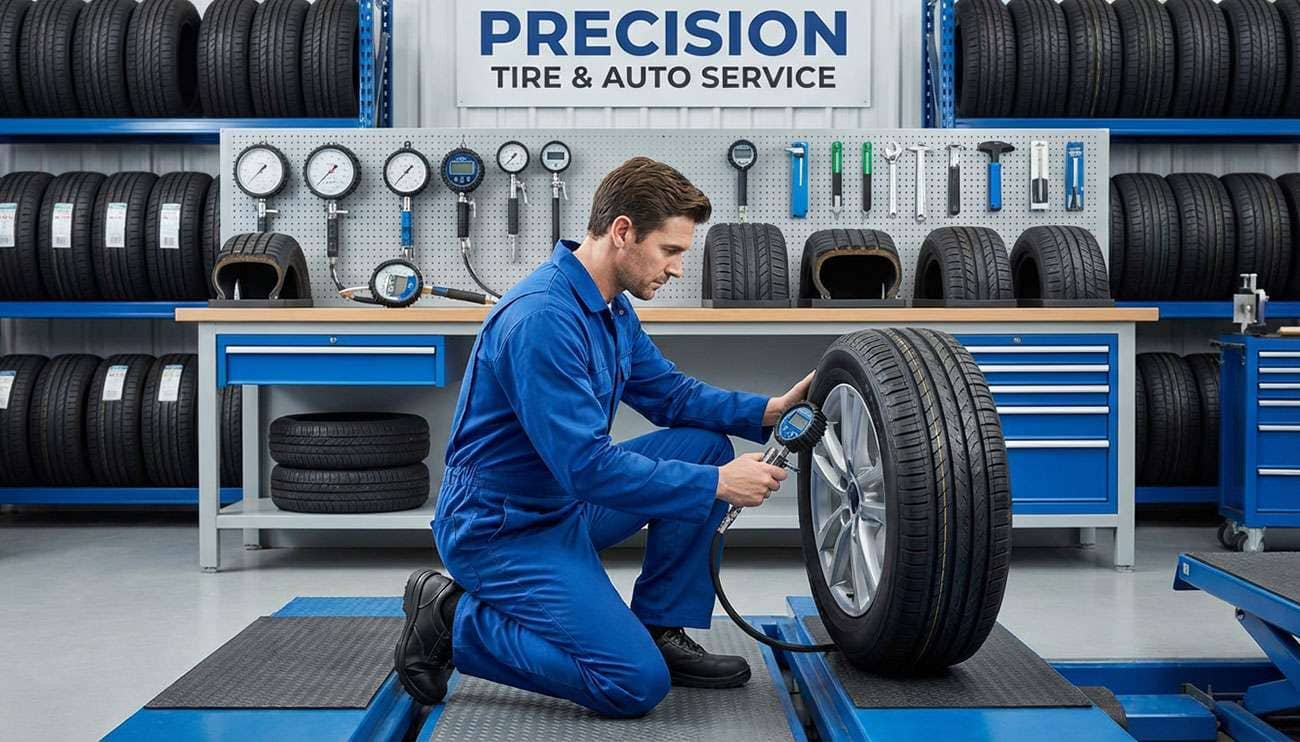
Proper tire maintenance can effectively double your tire lifespan while delivering substantial savings on replacements and fuel costs. At Performance Plus Tire, we've seen countless customers extend their tire investment through simple yet essential care practices.
Tire pressure stands as the most critical factor in tire longevity and performance. Maintaining correct inflation pressure every 3,000 miles keeps your vehicle running efficiently and maximizes fuel economy. Regular pressure monitoring and inspections prevent expensive repairs while ensuring optimal safety on every drive.
Under-inflated tires create excessive heat and stress, leading to irregular wear patterns and internal structural damage. We recommend following industry standards for tire replacement after six years, regardless of remaining tread depth. Essential maintenance practices like tire rotation every 5,000 to 8,000 miles help equalize wear patterns and significantly extend overall tire life.
Our expert tire care strategies will help you maximize your tire investment while maintaining peak vehicle safety and performance. These proven techniques deliver real savings without compromising the quality and reliability you need on the road.
Tires serve as your vehicle's only connection to the road surface. This critical relationship makes tire condition essential for every aspect of driving performance, from acceleration and braking to fuel efficiency and safety.
Vehicle control, braking effectiveness, and driving safety depend directly on tire condition. The National Highway Traffic Safety Administration reports that poor tire condition contributed to over 600 fatalities in 2021. Proper tire inflation alone can extend tire life by an average of 4,700 miles according to the U.S. Department of Transportation. Regular tire inspections catch problems early, preventing sudden failures and expensive emergency replacements.
Correct tire pressure influences both vehicle safety and your wallet. Under-inflated tires build excessive heat and create stress that leads to irregular wear patterns and internal damage. Oak Ridge National Laboratory research shows that driving with tires at 50% of recommended pressure reduces fuel economy by approximately 10% at 40 mph. The U.S. Department of Energy confirms that properly maintained tires improve fuel efficiency by up to 3.3%.
Safety concerns multiply with incorrect pressure. Under-inflated tires increase stopping distances significantly, particularly on wet or icy road surfaces. Your vehicle's handling becomes unpredictable, steering response suffers, and stability decreases when tires lack proper inflation.
These common misconceptions lead to premature tire replacement and unnecessary expenses:
Myth: Unused tires last indefinitely - Modern tires have a 6-10 year lifespan regardless of mileage. Rubber compounds deteriorate over time, creating blowout risks even with minimal use.
Myth: All tires wear evenly - Tire wear varies by position and vehicle type. Front-wheel-drive vehicles wear front tires faster, while rear-wheel-drive cars show the opposite pattern.
Myth: Mileage determines replacement timing - Climate conditions, road surfaces, and driving habits affect tire life as much as distance traveled.
Manufacturers recommend tire replacement every six to ten years because rubber compounds break down naturally, reducing traction and increasing failure risk regardless of visible tread depth.
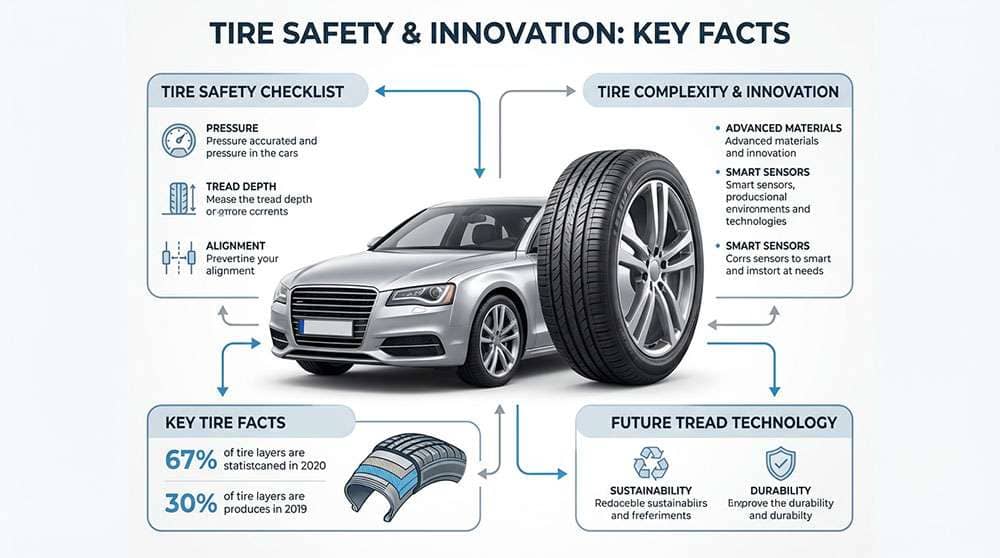
Your tire maintenance routine directly controls how long your tires will last. We've compiled the most effective strategies that can double your tire lifespan while keeping more money in your pocket. These proven methods work for any vehicle type and driving condition.
Tires lose approximately 1 PSI each month. Check pressure when tires are cold for accurate readings, and maintain manufacturer specifications found on your door placard. Proper inflation prevents uneven wear, improves handling, and boosts fuel efficiency by up to 3.3%. This simple practice forms the foundation of effective tire care.
Tire rotation equalizes wear patterns by changing tire positions on your vehicle. Front tires on front-wheel-drive vehicles wear faster than rear tires due to steering and braking forces. Regular rotation every 5,000 to 8,000 miles significantly extends overall tread life. Most tire shops can complete this service quickly and affordably.
Misaligned wheels destroy tires through uneven wear, poor handling, and reduced fuel economy. Watch for signs like vehicle pulling, steering wheel vibration, or irregular wear patterns. We recommend alignment checks every six months or whenever you notice these warning signs.
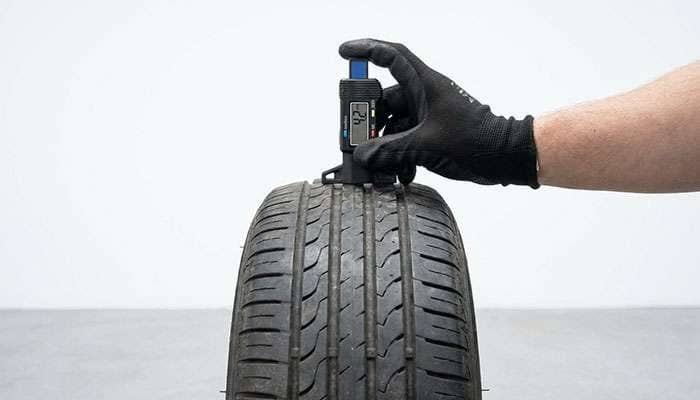
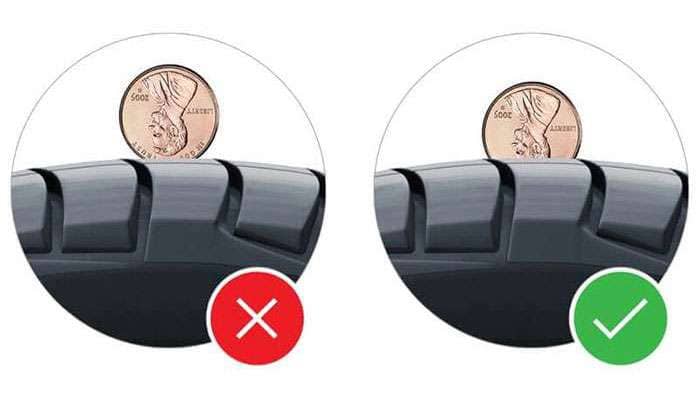
Insert a penny with Lincoln's head upside down into tread grooves. Visible head means 2/32 inch or less - time for immediate replacement. For earlier warning, use a quarter; if Washington's head shows, you have 4/32 inch remaining. Regular depth checks help you plan replacements before emergency situations arise.
Exceeding weight capacity stresses tire structure and increases internal pressure beyond safe levels. Overloading reduces tire lifespan, compromises vehicle handling, and raises blowout risk. Check your owner's manual for maximum weight ratings and stay within those limits.
Balanced tires distribute weight evenly around the circumference, eliminating vibrations that cause premature wear. Proper balancing extends tire life and improves ride comfort. Have balance checked every 5,000-10,000 kilometers or after 1-2 years of use.
Aggressive driving reduces tire life by 25%. Hard cornering damages tire edges while rapid acceleration creates excessive friction and uneven wear. Smooth acceleration, gradual braking, and gentle cornering will dramatically extend your tire investment.
Check spare tire pressure monthly alongside your regular tires. Look for signs of aging like cracking or hardening rubber. Replace spare tires every 6-10 years regardless of use, as rubber compounds deteriorate over time. A failed spare tire leaves you stranded when you need it most.
Early detection of tire problems prevents expensive replacements and dangerous roadside failures. Regular inspection allows you to address issues before they compromise your safety or require emergency tire service.
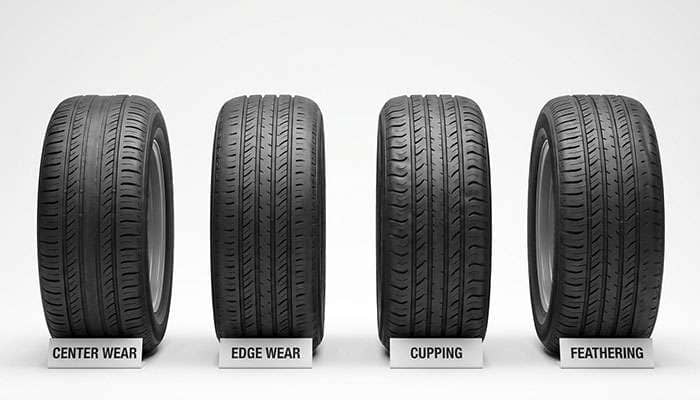
Different wear patterns tell specific stories about your vehicle's condition. Center wear typically indicates overinflation, while edge wear on both sides suggests underinflation. One-sided wear points to misalignment or camber issues. Diagonal or patchy wear often results from imbalanced tires or worn suspension components. Cupping or scalloped patterns develop when shocks or struts need replacement.
Understanding these patterns helps you identify the root cause and prevent future problems. When you spot unusual wear, address the underlying issue immediately to protect your remaining tire investment.
Check tire sidewalls regularly for cracks that develop from temperature extremes, UV exposure, or natural aging. Bulges or blisters indicate serious internal damage that weakens the tire's structural integrity. Remove stones or debris wedged in the tread grooves immediately, as they can penetrate deeper during driving. Even small damage can lead to complete tire failure.
These visual inspections take just minutes but can prevent costly roadside emergencies and potential accidents.
Excessive vibration through the steering wheel often signals tire imbalance, worn suspension components, or internal tire damage. When your vehicle consistently pulls to one side, it typically indicates alignment problems or significant pressure differences between tires. Never ignore these warning signs—reduce speed safely and inspect your tires as soon as possible.
Your vehicle's handling characteristics provide valuable early warning signals that help prevent more serious problems down the road.
Understanding when to replace your tires protects both your safety and your budget. At Performance Plus Tire, we guide customers through the key indicators that signal it's time for new tires.
Locate the Tire Identification Number (TIN) after the "DOT" letters on your tire sidewall. The last four digits reveal the manufacturing date for tires made after 2000—the first two digits show the week, the last two show the year. For example, "5107" indicates the 51st week of 2007. Check both sidewalls since the complete TIN may only appear on one side. Tires older than 6-10 years require replacement regardless of tread condition.
Federal regulations establish minimum tread depths: 4/32 inch for steer tires on trucks and buses, and 2/32 inch for all other tires. Use the quarter test for accurate measurement—when Washington's head becomes visible, your tires have less than 4/32 inch remaining and need replacement soon. Research demonstrates that worn tires increase stopping distance by 43% (an additional 87 feet) in wet conditions.
When choosing new tires, consider these essential factors:
Exact size matching (such as 225/65R17)
Load index and speed ratings that meet or exceed manufacturer specifications
Fresh manufacturing dates for optimal performance
Proper inflation according to vehicle specifications, not tire sidewall markings
The tires originally fitted to your vehicle typically represent the safest replacement choice. Our experienced team can help you select the perfect replacement tires that match your vehicle's requirements and driving needs.
Tire maintenance represents the foundation of both vehicle safety and smart financial management. These proven strategies can effectively double your tire lifespan while delivering substantial cost savings and enhanced performance on every drive.
Regular pressure checks serve as your primary defense against premature wear. Rotation schedules every 5,000-8,000 miles, combined with proper alignment and balancing, maximize your tire investment. Smooth driving habits reduce unnecessary tire stress, while monthly inspections catch problems before they become expensive replacements.
The financial impact proves significant. Doubling tire life cuts your replacement costs in half over time. Properly maintained tires also boost fuel efficiency by up to 3.3%, creating additional savings that add up quickly.
Your tires represent the only connection between your vehicle and the road. Their condition affects everything from handling and braking performance to fuel economy and ride comfort. While maintenance requires consistent attention, the benefits of longer-lasting tires and safer driving make the effort worthwhile.
You now have the knowledge to maximize every tire purchase. These expert techniques will deliver safer travels, better vehicle performance, and significant cost savings for years ahead. Start using these proven methods today - your tires and your wallet will both benefit from the investment in proper care.
Proper tire maintenance can potentially double your tire lifespan while improving safety and saving significant money on replacements and fuel costs.
• Check tire pressure monthly - Tires lose 1 PSI per month; proper inflation improves fuel efficiency by 3.3% and prevents premature wear • Rotate tires every 5,000-8,000 miles - This simple practice equalizes wear patterns and significantly extends overall tire life • Monitor tread depth regularly - Use the penny test; replace when Lincoln's head is visible (2/32 inch depth) • Drive smoothly and avoid overloading - Aggressive driving reduces tire life by 25%; stay within vehicle weight limits • Replace tires after 6-10 years regardless of tread - Rubber compounds deteriorate over time, increasing blowout risk even with good tread
By following these expert maintenance strategies, you'll cut tire expenses in half while ensuring optimal vehicle safety and performance. The investment in regular care pays dividends through extended tire life, better fuel economy, and enhanced road safety.
It's recommended to check your tire pressure at least once a month. Tires typically lose about 1 PSI per month, and maintaining proper inflation can improve fuel efficiency by up to 3.3% while preventing premature wear.
You should rotate your tires every 5,000 to 8,000 miles. This practice helps equalize tread wear and can significantly extend the overall lifespan of your tires.
Use the penny test to check tread depth. Insert a penny with Lincoln's head upside down into the tread groove. If you can see all of Lincoln's head, your tread depth is less than 2/32 inch, indicating it's time for replacement.
Yes, driving habits significantly impact tire life. Aggressive driving, including hard cornering and rapid acceleration, can reduce tire lifespan by up to 25%. Adopting smoother driving habits can help extend your tires' life.
Most manufacturers recommend replacing tires after 6-10 years, regardless of their apparent condition. This is because rubber compounds deteriorate over time, potentially leading to dangerous blowouts even if the tread looks good.



