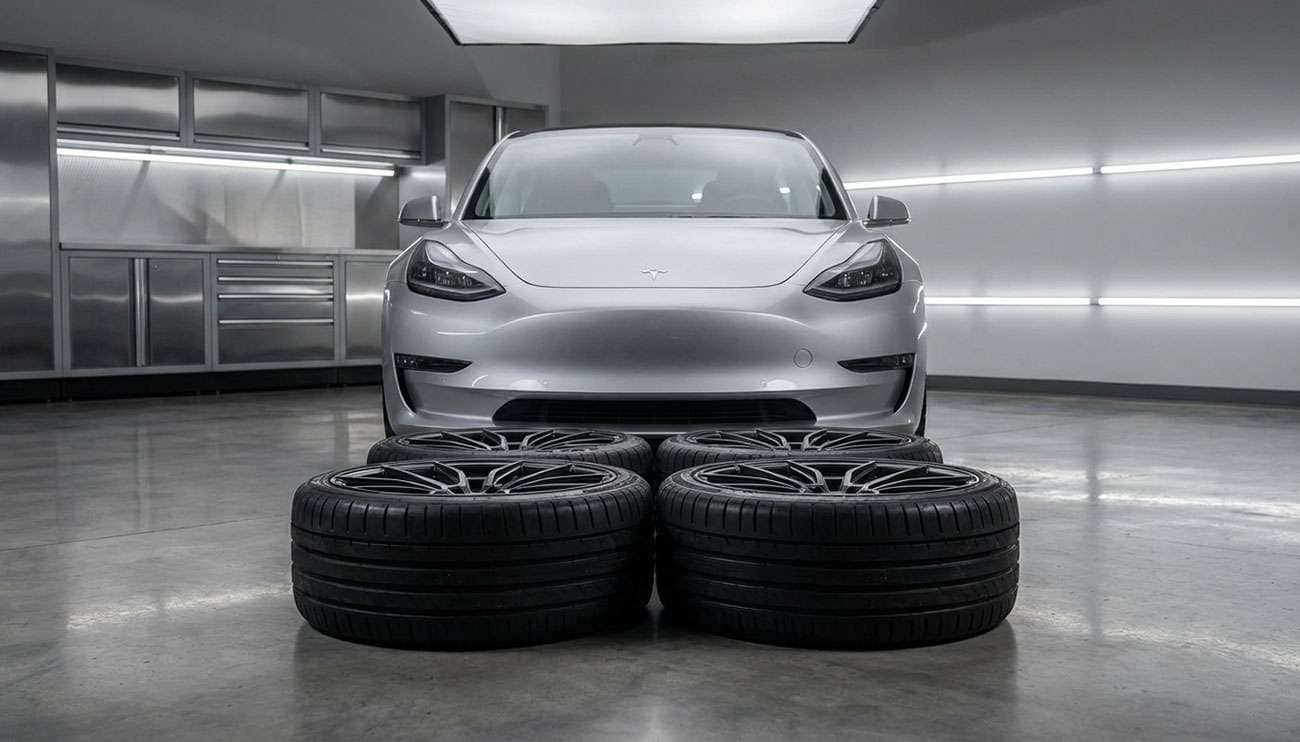
The factory Tesla-spec Michelin MXM4 tires on your Model 3 typically last only 20,000 to 30,000 miles. That's remarkably short for such an advanced electric vehicle.
Selecting aftermarket tires for your Tesla Model 3 directly affects three critical performance factors: driving range, handling characteristics, and overall comfort. The original tires were engineered specifically to maximize range, with the Tesla-spec Michelin MXM4 delivering exceptionally low rolling resistance. Continental's Tesla-spec alternatives offer dramatically better treadwear—lasting 35,000 to 50,000 miles—while maintaining similar rolling resistance performance.
Tesla Model 3 tire selection involves balancing competing performance characteristics. Each tire rotation creates energy loss as the rubber flattens against the road surface and then returns to its original shape, converting battery power to heat. This physical process makes tire choice particularly important for electric vehicles where efficiency translates directly into available driving range.
We understand that Tesla owners need tires that deliver on multiple fronts. You might prioritize maximum range for long commutes, superior handling for spirited driving, or enhanced traction for specific weather conditions. Tesla typically equips vehicles with acoustic foam-insulated tires from manufacturers like Goodyear, Pirelli, Hankook, and Michelin to minimize road noise. Your Tesla Model 3 tire size options vary significantly depending on your wheel configuration and driving priorities.
This guide provides expert guidance for selecting the ideal aftermarket tires for your Tesla Model 3. We'll cover everything from understanding your current setup to choosing tires that match your specific driving needs and budget.
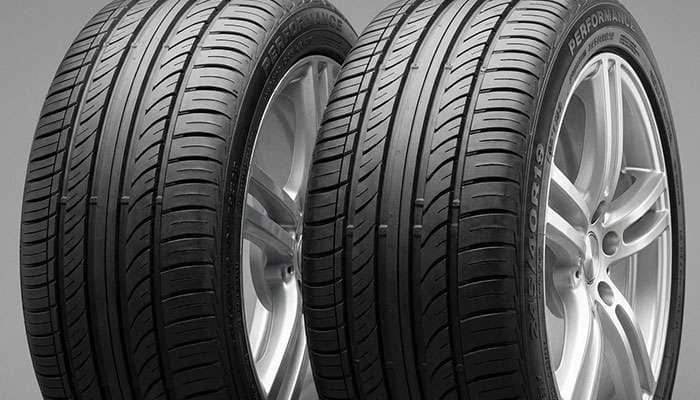
Your Tesla Model 3 comes equipped with factory tires specifically engineered for electric vehicle performance. These aren't standard tires with a Tesla badge—they're purpose-built for your EV's unique demands including instant torque delivery, regenerative braking, and maximum efficiency.
Tesla Model 3 configurations vary significantly based on trim level and model year:
18" Aero Wheels (base models):
Michelin Primacy MXM4: 235/45R18 98W XL
Hankook Kinergy GT or Ventus S1 AS: 235/45R18
Overall diameter: 26.3" with approximately 790 revolutions per mile
19" Sport Wheels (upgrade option):
Continental ProContact RX: 235/40R19 96W XL
Hankook Ventus S1evo3: 235/40R19 96W XL
Goodyear Eagle Sport: 235/40R19
Overall diameter: 26.4" with approximately 787 revolutions per mile
20" Performance Wheels (Performance trim):
Pirelli P Zero PZ4: 235/35R20 (current generation)
Michelin Pilot Sport 4S: 235/35ZR20 92Y (2018-2020 models)
Overall diameter: 26.5" with approximately 786 revolutions per mile
The 2024 refreshed Model 3 Performance introduced the first staggered wheel setup, featuring 20" Warp wheels with 9" width front and 10" width rear to manage increased power output.
Tesla-approved tires deliver performance characteristics you won't find in standard versions of the same tire models. Here's what makes them different:
Acoustic Foam Technology: Tesla-spec tires include specialized foam inserts that dramatically reduce road noise transmission into the cabin. This foam layer absorbs sound vibrations that would otherwise create cabin noise.
Rolling Resistance Optimization: These tires sacrifice some grip and treadwear durability for improved rolling resistance, directly extending your driving range.
EV-Specific Rubber Compounds: The rubber formulations are optimized for electric vehicle characteristics including instant torque delivery and regenerative braking forces.
Balanced Performance Tuning: Tesla adjusts the tire specifications to balance wear patterns, grip levels, noise reduction, and efficiency according to their performance priorities.
Consider the trade-offs: the Michelin MXM4 delivers excellent range through low rolling resistance but typically lasts only 20,000-30,000 miles. The Continental ProContact RX offers better durability at 35,000-50,000 miles of treadwear.
Tesla uses specific sidewall markings to identify tires engineered to their specifications:
T-Mark System: Look for "T0" or "T1" markings on your tire sidewalls. These designations indicate Tesla-approved specifications.
Generation Indicators: The number following "T" indicates the specification generation. T1 Michelin Primacy represents a newer generation than T0 Michelin Primacy.
Sidewall Location: These markings appear similar to other manufacturer codes like BMW's star (*) or Mercedes' "MO" designation.
Understanding these markings helps you maintain similar performance characteristics when selecting aftermarket replacements for your Tesla Model 3.
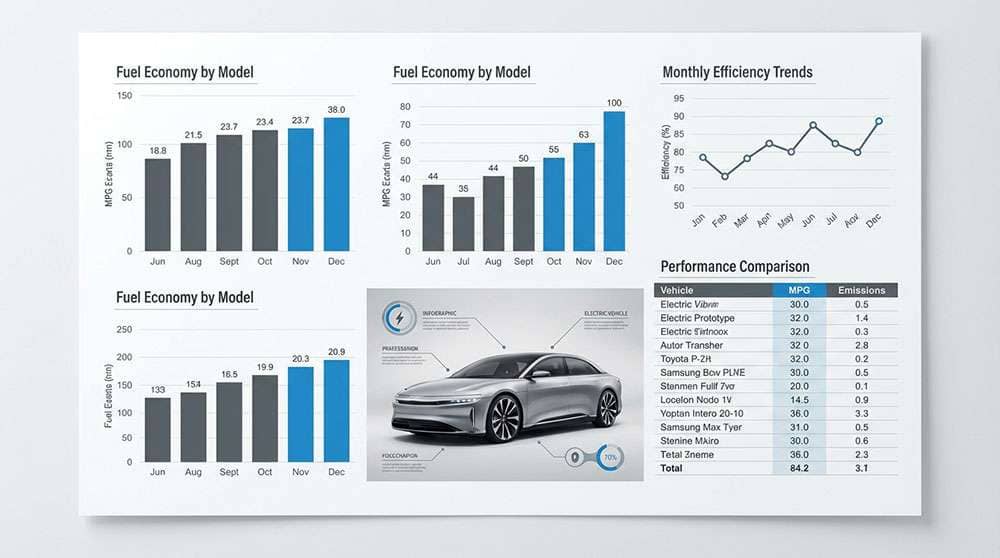
Tesla Model 3 tire selection creates a direct trade-off between range and performance. Poor tire choices don't just waste energy like they do in gas vehicles—they subtract miles from every charge cycle.
Rolling resistance determines how much battery power your Model 3 uses with every mile driven. The physics are straightforward: as your tire contacts the road surface, it deforms and flattens, then springs back to its original shape. This deformation cycle requires energy input that exceeds the energy returned when the tire relaxes, with the difference lost as heat.
This energy conversion happens continuously while driving, making tire efficiency crucial for electric vehicles. Research demonstrates that worn tires can actually improve range by approximately 6% compared to new tires because they have less tread material to deform during each rotation.
Key factors affecting rolling resistance include:
Tread compound chemistry and internal construction
Tread depth and pattern complexity
Sidewall flexibility and stiffness
Overall tire width and aspect ratio
Real-world testing proves these differences matter significantly. Proper aerodynamically-designed wheels can reduce energy consumption by 4.7% compared to standard configurations.
Proper tire pressure offers the most immediate way to optimize your Model 3's efficiency. Tesla specifies 42-45 PSI for the Model 3—substantially higher than the 32-36 PSI typical for conventional vehicles. These elevated pressures serve multiple functions:
Minimize rolling resistance for extended range
Support additional battery pack weight
Maintain optimal handling characteristics
Promote even tire wear patterns
Tire pressure fluctuates with temperature changes, requiring regular monitoring. Model 3 owners with smaller wheel sizes may benefit from pressures 2-3 PSI above Tesla's recommendations to compensate for reduced sidewall height.
The efficiency impact is substantial. Underinflated tires can reduce range by 3-7%, while wheel misalignment issues can decrease efficiency by 5-10%. These losses compound, making proper maintenance essential for maximizing your driving range.
Tire external shape significantly influences aerodynamic efficiency at highway speeds. Tesla engineers prioritize smooth airflow integration between tire and wheel surfaces. A slightly stretched tire maintains laminar airflow over the wheel face, creating less drag than wide, blocky tire profiles.
This aerodynamic focus explains Tesla's design choices. The company often eliminates protective bead flanges to maintain smooth airflow, reducing drag at the cost of increased curb damage susceptibility.
Tread patterns also affect energy consumption through air turbulence generation. Deep, aggressive tread designs increase air resistance at highway speeds. Testing at 75 mph shows that aerodynamic wheel designs can reduce energy consumption from approximately 174 to 173 Wh/km.
When selecting aftermarket tires for your Tesla Model 3, expect trade-offs between competing characteristics. Low-rolling-resistance tires maximize range but typically sacrifice grip and comfort. Your driving priorities—maximum range, superior handling, or enhanced comfort—should determine your tire selection criteria.
Choosing the best Tesla Model 3 aftermarket tires depends on where you drive, how you drive, and what performance characteristics matter most to you. The right tire choice balances efficiency, safety, and performance to match your specific driving priorities.
All-season tires provide year-round convenience for drivers in moderate climates. These versatile options deliver reliable performance in rain and light snow while eliminating the hassle of seasonal tire changes and storage requirements. Look for all-season tires marked with M+S (Mud and Snow) or 3PMSF (Three Peak Mountain Snowflake) symbols for optimal light snow performance.
Summer tires dominate in dry and wet conditions when temperatures remain above 40°F. The Michelin Pilot Sport 4S reigns as the ultimate summer tire choice, delivering exceptional performance for daily driving, wet conditions, and track use. However, these tires become dangerously hard in cold weather, compromising both safety and handling characteristics.
Winter tires like the Nokian Hakkapeliitta R3 provide superior grip on ice and snow with confident handling in harsh winter conditions. Winter tires do reduce range due to higher rolling resistance, but this impact matters less since heating requirements already decrease winter range regardless of tire selection.
Track enthusiasts have two main categories to consider: Super 200 tires and R-Compound tires with UTQG ratings below 200. Super 200 tires often match or exceed R-Compound grip levels but typically maintain peak performance for only one lap before heat saturation reduces effectiveness.
Off-road choices remain limited for the Model 3 due to size constraints. The Falken Wildpeak A/T Trail offers impressive on-road performance while providing off-road capabilities with good wet and dry handling characteristics. Model 3 installation typically requires modifications, while the Model Y accepts these tires without permanent changes.
Run-flat tires should be avoided for Tesla vehicles. Their extremely stiff sidewalls and heavy construction create multiple disadvantages for electric vehicles:
Reduced efficiency from increased weight
Harsher ride quality due to rigid sidewalls
Limited functionality (only 50 miles at 50mph when flat)
Higher susceptibility to sidewall blowouts
Since Tesla vehicles don't include spare tires, carrying a tire inflator and plug kit provides better roadside repair options. This approach offers greater versatility than run-flats while maintaining efficiency and ride comfort.
When selecting tire types, consider your primary driving conditions and performance priorities. All-season tires work well for most drivers, while dedicated summer or winter options excel in specific conditions.
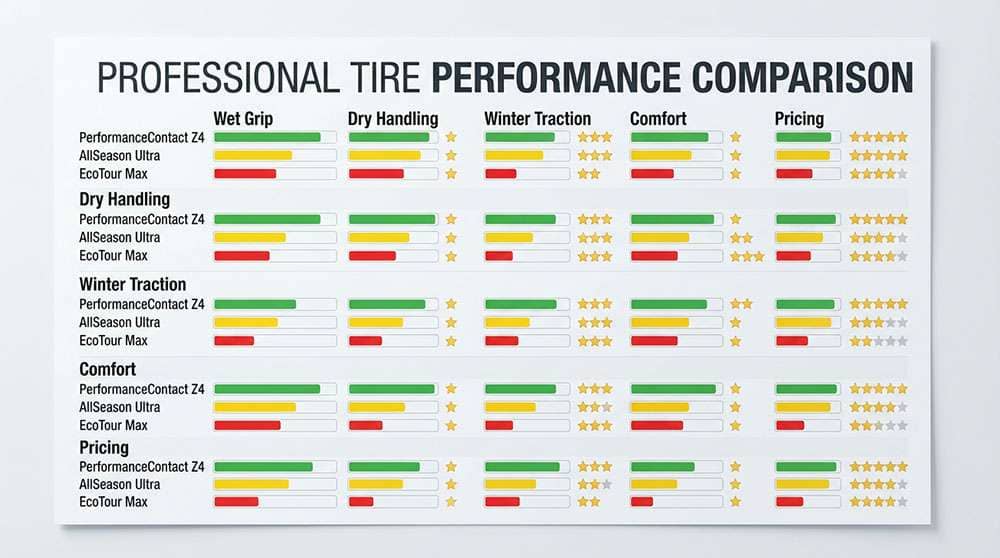
We carry extensive knowledge about Tesla Model 3 aftermarket tires and have tested the best options across different driving conditions. Our recommendations are based on real-world performance data and testing results to help you make the right choice for your specific needs.
The Michelin Pilot Sport 4S dominates summer tire performance when temperatures stay above 40°F. This tire achieved the fastest wet track lap times at 29.57 seconds and dry lap times at 28.42 seconds. The Pirelli P Zero (PZ4) delivers outstanding cornering performance with 0.90 g-force wet cornering and 0.94 g-force dry cornering capabilities. Keep in mind that performance comes with efficiency trade-offs—the Michelin Pilot Sport 4S uses 290 watt-hours per mile.
For maximum range without seasonal tire changes, the Hankook iON evo AS leads our efficiency rankings at 263 watt-hours per mile. The Goodyear EcoReady offers an excellent balance of efficiency (269 watt-hours per mile) and wet performance. Drivers prioritizing wet weather handling should consider the Michelin Pilot Sport All Season 4, which excels with superior wet braking distance of just 92.3 feet.
The Pirelli Sottozero 3 Acoustic stands out as Tesla's officially recommended winter option. This tire provides excellent cold weather dry road handling plus reliable light to moderate snow capability. We also recommend the Michelin XIce Snow for drivers needing 95% of extreme winter performance while maintaining responsive dry handling. Budget-conscious owners can choose the Vredestein Wintrac Pro for solid winter performance across most conditions at lower cost.
Off-road choices remain limited for the Model 3 due to size constraints. The BF Goodrich All-Terrain TA K03 in compatible sizes offers decent off-pavement capability without excessive range penalties. Some owners report success with the Yokohama Geolandar X-CV G057 in 255/55R18 size for light off-road use.
Track enthusiasts need dedicated performance rubber. The Michelin Pilot Sport 4S dominates track testing with superior dry cornering at 0.96 g-force and fastest lap times. For dedicated track days, the Pirelli P Zero (PZ4) provides excellent grip without the extreme wear rates of R-compound tires.
Need expert help selecting the perfect tires for your Model 3? Performance Plus Tire offers a wide selection of aftermarket options specifically chosen for Tesla vehicles.
Proper sizing and setup decisions determine whether your aftermarket tire installation delivers optimal performance or creates costly problems. Getting fitment right from the start prevents issues like rubbing, premature wear, and handling problems.
Square setups use identical tires on all four corners, offering the key advantage of tire rotation capability. You can rotate tires front-to-rear, extending tire life and maintaining even wear patterns. Most Tesla Model 3 owners choose square setups because staggered configurations void many tire warranties. Track enthusiasts often run 285/35/20 tires on 10-inch rims for maximum performance.
Staggered setups feature wider rear tires for enhanced traction and stability during aggressive driving. The 2024 Model 3 Performance introduced Tesla's first factory staggered configuration with 9-inch front and 10-inch rear Warp wheels to handle the increased power output. Consider staggered setups if you prioritize maximum grip over tire longevity.
For balanced performance without excessive range penalties:
Wheel Size |
Recommended Width |
Overall Diameter |
|---|---|---|
18-inch |
235/45R18 |
26.3" (790 rpm) |
19-inch |
235/40R19 |
26.4" (787 rpm) |
20-inch |
235/35R20 |
26.5" (786 rpm) |
Performance-focused owners might consider wider options in the 275-295mm range, trading efficiency for increased grip. Remember that wider tires reduce range but improve handling characteristics.
Tire rubbing occurs when tires contact wheel wells during turns or over bumps. Prevention starts with proper sizing - stick to recommended dimensions unless you're prepared for modifications.
When installing aftermarket components, precision matters. Wheel spacers require tight tolerances, ideally within 0.02mm, for safe operation. Spacers can resolve clearance issues by moving wheels outward, creating additional space between tires and suspension components. However, this modification changes your vehicle's track width and may affect handling characteristics.
Choose your setup based on your priorities: square configurations for tire longevity and warranty coverage, or staggered setups for maximum performance and aggressive styling.
Tesla Model 3 tire selection comes down to matching your specific driving priorities with the right performance characteristics. The factory tires serve their purpose, but aftermarket options let you optimize your Model 3's performance for your exact needs and driving conditions.
Proper tire pressure management remains the most effective way to maximize efficiency and extend tire life. The recommended 42-45 PSI delivers optimal performance while supporting your Model 3's unique weight distribution and torque characteristics. Remember that tire choice directly impacts range—low rolling resistance options maximize efficiency while performance tires deliver superior handling at the expense of some battery life.
Tesla Model 3 owners have excellent aftermarket options across all categories. The Michelin Pilot Sport 4S dominates summer performance with exceptional grip and track capability. The Hankook iON evo AS leads all-season efficiency with 263 watt-hours/mile energy consumption. Winter drivers get superior cold-weather performance from the Pirelli Sottozero 3 Acoustic, Tesla's officially recommended winter tire.
Sizing decisions affect both performance and practicality. Square setups allow tire rotation for extended life, while staggered configurations provide enhanced traction for Performance models. Stick to recommended dimensions to avoid clearance issues and maintain optimal performance characteristics.
At Performance Plus Tire, we carry the best selection of Tesla Model 3 aftermarket tires at the lowest prices. Our expert team understands the unique requirements of electric vehicles and can guide you to the perfect tire choice for your driving style and budget. We offer all the top brands specifically chosen for Tesla compatibility, with financing options to make your upgrade more affordable.
Quality tires enhance safety, performance, and driving enjoyment while complementing your Model 3's advanced engineering. Your Tesla deserves tires that deliver on all fronts—range, handling, comfort, and reliability. With the right tire choice, you can transform your Model 3's performance to match your exact preferences and driving conditions.
Ready to upgrade your Tesla's performance? Visit Performance Plus Tire today and discover why we're the preferred choice for Tesla owners seeking the perfect balance of performance, efficiency, and value.
Selecting the right aftermarket tires for your Tesla Model 3 involves balancing efficiency, performance, and safety based on your specific driving needs and conditions.
• Factory Tesla-spec tires prioritize range over longevity - Michelin MXM4 tires last only 20,000-30,000 miles but maximize efficiency through low rolling resistance design.
• Tire pressure directly impacts range and safety - Maintain Tesla's recommended 42-45 PSI (higher than conventional vehicles) to optimize efficiency and extend tire life.
• Choose tire type based on climate and driving style - All-season tires offer convenience, summer tires excel in warm weather performance, and dedicated winter tires are essential for cold climates.
• Rolling resistance affects every mile you drive - Each tire rotation converts energy to heat, making tire selection crucial for maximizing your Model 3's electric range.
• Proper sizing prevents costly fitment issues - Stick to recommended dimensions (235/45R18, 235/40R19, or 235/35R20) to avoid rubbing and maintain optimal performance characteristics.
The key is understanding that unlike gas vehicles where inefficient tires just cost extra fuel, poor tire choices on your Model 3 directly subtract miles from your range while potentially compromising safety and handling.
Aftermarket tires can significantly impact your Tesla Model 3's range. Tires with lower rolling resistance can improve efficiency and extend range, while grippier performance tires may reduce range due to increased energy consumption. The tire's tread design, compound, and inflation pressure all play a role in determining its effect on range.
Tesla recommends higher tire pressures for the Model 3 compared to conventional vehicles, typically between 42-45 PSI. These higher pressures help reduce rolling resistance, support the vehicle's weight, optimize handling, and extend tire life. Regular pressure checks are essential, as proper inflation is crucial for both range and safety.
It's generally not recommended to use run-flat tires on Tesla vehicles, including the Model 3. Run-flat tires have extremely stiff sidewalls and heavy construction, which can reduce efficiency, worsen ride quality, and are susceptible to sidewall blowouts. A better alternative is to carry a tire inflator and plug kit for roadside repairs.
For year-round use with a focus on maximizing range, the Hankook iON evo AS is a top choice. It offers excellent efficiency with an energy consumption of about 263 watt-hours/mile. The Goodyear EcoReady is another good option, balancing efficiency and wet performance. These tires provide versatility for various weather conditions while helping to extend your Model 3's range.
Choosing the right tire size depends on your Model 3's wheel configuration. For 18-inch wheels, the recommended size is 235/45R18. For 19-inch wheels, use 235/40R19, and for 20-inch wheels, go with 235/35R20. Sticking to these sizes ensures proper fitment and maintains the overall diameter, which is crucial for accurate speedometer readings and optimal performance characteristics.