
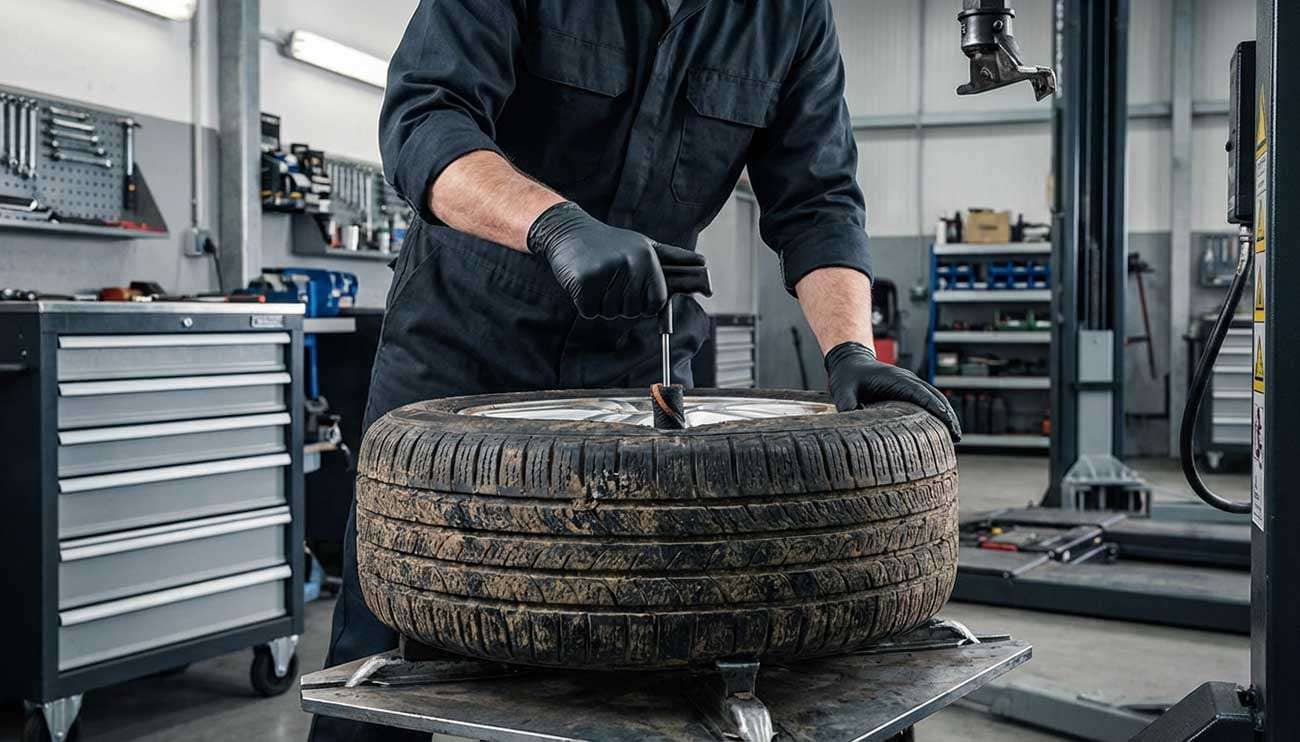
When it comes to tire plug vs patch repairs, making the right choice can mean the difference between safe driving and unexpected tire failure. The facts are clear: using a plug by itself is considered an unacceptable repair according to industry standards.
The Rubber Manufacturers Association sets the standard here – the only proper method for repairing a flat tire is with a plug and patch combination. This approach delivers both safety and long-lasting performance for your tire repair. A tire patch and plug combo represents the industry standard for fixing punctured tires. These repairs work only under specific conditions – punctures must be smaller than 1/4 inch in diameter and located exclusively in the tire tread.
Proper tire repair requires removing the entire tire from the rim and wheel assembly for complete inspection of all potential damage, including inner liner damage. This inspection allows tire professionals to determine whether your tire can be safely repaired or needs replacement.
We'll guide you through everything you need to know about tire plug vs patch repairs, when each method works best, and when replacement is your only safe option.
Tire damage demands immediate attention, but selecting the right repair method requires understanding your options. Each method serves different purposes and offers distinct advantages.
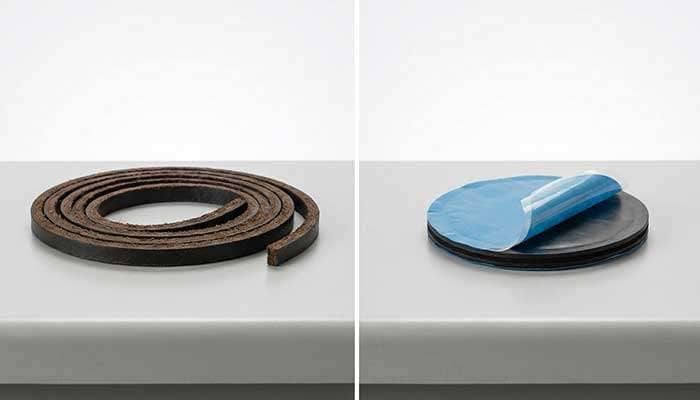
A tire plug is a flexible rubber strip designed to seal puncture holes from the outside of the tire. The installation process uses a reamer tool that looks like a corkscrew to clean and prepare the puncture hole. You insert the plug using a special tool with adhesive, then trim any excess rubber that extends beyond the tire surface. Some plugs are leather strips coated with rubber compound that create a seal from inside the tire. Plugs provide quick roadside solutions, but they only address the visible puncture without revealing hidden internal damage.
A tire patch consists of a flat rubber piece with adhesive backing that covers punctures from inside the tire. Installation means removing the tire completely from the rim, applying special adhesive around the punctured area, then positioning the patch over the hole from inside. The tire must dry completely before remounting and reinflation. Patches deliver superior strength and reliability compared to plugs alone, though they require considerably more time and effort.
The plug-patch combination delivers the most reliable repair available. This method uses a patch to seal the inner tire liner while a plug fills the puncture hole, stopping water from entering. The combined approach helps maintain the tire's structural strength. Known as an internal patch-plug or "plug-patch," this technique provides a permanent repair for qualifying punctures. Tire manufacturers typically honor warranties when this combination method is used.
The US Tire Manufacturers Association (USTMA) and Tire Industry Association (TIA) establish clear safety standards for tire repairs. Both organizations state that plugs alone or patches alone are unacceptable because neither method properly addresses complete tire integrity. Acceptable repairs must be limited to punctures no larger than ¼-inch (6mm) in diameter located only in the center tread area. Proper tire repair requires removing the tire from the rim for thorough internal inspection. Punctures in the shoulder or sidewall areas cannot be repaired safely.
While industry standards recommend plug-patch combinations, tire plugs alone serve specific purposes that every driver should understand. These situations often involve emergency repairs where getting back on the road quickly takes priority over perfect solutions.
Tire plugs deliver several practical benefits that make them valuable in the right circumstances. Speed stands out as their biggest advantage – you can complete a plug repair in just minutes without removing the tire from the rim. This makes plugs essential for roadside emergencies when you need to get moving fast.
Cost effectiveness is another major benefit. Plug kits typically cost between USD 4.00 to USD 5.00, making them significantly cheaper than professional repairs. The minimal equipment required means most drivers can keep a plug kit in their vehicle without taking up much space.
Tire plugs come with serious restrictions that you must understand. The U.S. Tire Manufacturers Association does not approve plugs alone as safe, permanent repairs. You should only use them for small punctures less than 1/4 inch in diameter located in the tread area.
Never attempt to plug sidewall or shoulder punctures – these areas flex too much during driving for plugs to hold safely. Multiple closely-spaced punctures or irregular holes also cannot be plugged safely.
Manufacturer claims about plug longevity vary dramatically. Some suggest they can last seven to ten years or up to 25,000 miles when installed perfectly. However, tire safety experts consider plugs temporary repairs only.
Real-world durability depends on driving conditions, speeds, temperatures, and how well you install the plug. For maximum safety, have any plugged tire professionally inspected as soon as possible.
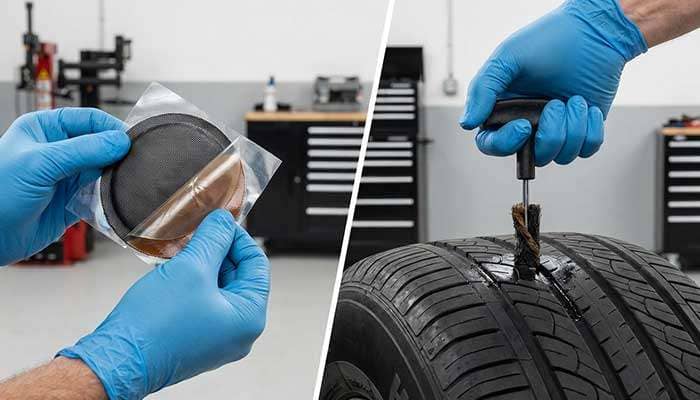
Proper technique is essential if you decide to install a plug yourself. You'll need a quality kit with a reamer tool and insertion tool. Clean the puncture thoroughly, coat the plug with rubber cement for better sealing, and insert it until about two-thirds remains inside the tire.
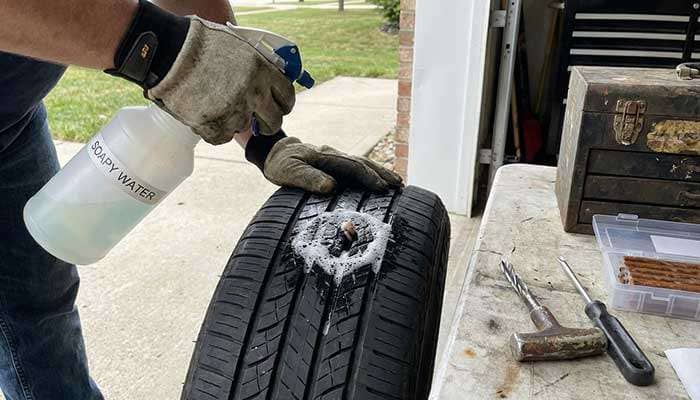
After installation, check for leaks by applying soapy water to the repair area and watching for bubbles. Monitor tire pressure regularly to catch any slow leaks that develop over time.
For long-lasting tire repairs, patches deliver superior performance compared to plugs alone. Here's why patches might be your best choice for certain puncture scenarios.
Patches create a stronger seal by bonding directly to the inner tire surface, making them far less likely to loosen over time. Unlike plugs, patches seal punctures from the inside out, providing enhanced structural integrity for your tire. Patches work effectively for larger punctures up to ¼-inch in diameter. This method also gives technicians the opportunity to thoroughly inspect for hidden damage like secondary punctures or sidewall splits.
Professional patch installation typically takes 20-30 minutes and follows these essential steps:
Remove tire from rim and inspect for additional damage
Buff puncture area to create proper adhesion surface
Apply vulcanizing cement and allow it to become tacky
Position and press patch firmly, using pressure roller
Remount tire, inflate, and test for leaks
A properly installed patch can last anywhere from 7-10 years or for the remaining life of the tire. Patched tires maintain their functionality without sacrificing performance afterward. However, the U.S. Tire Manufacturers Association emphasizes that a patch alone isn't considered a permanent fix – only a patch-plug combination meets this standard.
While DIY patch kits exist, professional installation is often worth the $20-50 cost per tire. Professional technicians possess specialized tools and expertise to ensure proper adhesion. DIY patching requires tire removal capabilities and technical knowledge that many drivers lack. At Performance Plus Tire, our experienced technicians can install your patch with precision and care, ensuring optimal performance and safety.
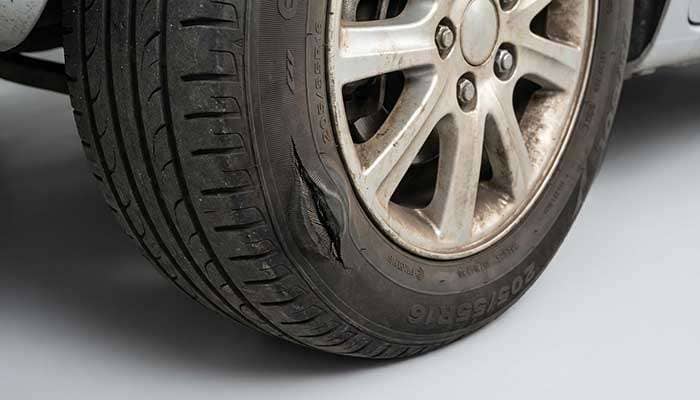
Some tire damage cannot be fixed safely—replacement is your only option. We'll help you recognize these situations to keep you and your passengers safe.
Sidewall punctures or damage require immediate tire replacement. No exceptions. This area flexes constantly during driving, making any repair unsafe. Sidewall bulges indicate breaks in the tire's inner liner that can rupture without warning. Professional tire shops won't attempt sidewall repairs because they violate Department of Transportation safety standards.
Size matters, even in the tread area. Punctures larger than 1/4 inch (6mm) in diameter cannot be safely repaired. That's about the width of a ballpoint pen—larger holes simply cannot maintain proper air pressure over time.
Tires with overlapping repairs or damage directly across from each other must be replaced. If a new puncture occurs in the same spot as a previous repair, replacement is necessary. Too many repairs weaken the tire's structural integrity beyond safe limits.
Tires worn to 2/32" remaining tread depth should not be repaired. Most manufacturers recommend replacing tires every six to ten years regardless of appearance. NHTSA research shows that 84% of tire failure claims involved tires more than six years old.
Watch for these danger signals: new vibrations or thumping while driving, sidewall cracks, persistent air leaks, and bulges anywhere on the tire surface. Any visible cord or belt material means you need immediate replacement.
The bottom line: when safety is compromised, replacement is the only smart choice.
The choice between tire plug and patch repairs comes down to understanding your specific situation and safety requirements. Plugs work for emergency roadside fixes when you need to get moving quickly. Patches offer superior durability for long-term repairs. The plug-patch combination delivers the strongest, most reliable repair that meets industry safety standards.
Remember the key decision factors: puncture size must be under 1/4 inch, location must be in the tread area only, and the tire must be structurally sound. Sidewall damage, oversized punctures, or excessive wear means replacement is your only safe option.
When evaluating tire damage, assess the location first, then measure the size, and finally consider your tire's overall condition. Professional inspection removes the guesswork and ensures proper repair techniques.
At Performance Plus Tire, we understand that tire repairs require expert knowledge and the right approach for each situation. Our experienced technicians can evaluate your tire damage and recommend the safest, most cost-effective solution. Whether you need a proper plug-patch repair or a quality replacement tire, we have the expertise to keep you safely on the road.
Don't compromise on safety with temporary fixes that don't meet industry standards. The right repair choice protects both your investment and your peace of mind.
When dealing with tire punctures, understanding the differences between plugs, patches, and combination repairs is crucial for your safety and wallet.
Industry standard requires plug-patch combo repairs - Neither plugs nor patches alone meet safety standards; only the combination method provides proper structural integrity and sealing.
Plugs are temporary emergency fixes only - While convenient for roadside situations, tire plugs should be followed by professional inspection and proper repair as soon as possible.
Patches offer superior durability when professionally installed - Lasting 7-10 years, patches create stronger seals but require tire removal and expert installation for optimal results.
Sidewall damage always means replacement - Any puncture or bulge in the sidewall area cannot be safely repaired and requires immediate tire replacement.
Size and location determine repairability - Only punctures smaller than 1/4 inch in the tread area can be repaired; larger holes or multiple repairs require replacement.
Remember: when in doubt about tire damage, professional inspection is always the safest choice. The cost of proper repair or replacement is minimal compared to the risks of tire failure on the road.
A plug-patch combination is the best and safest method for repairing a flat tire. This approach seals the inner liner with a patch while filling the puncture with a plug, providing maximum structural integrity and preventing water intrusion.
Tire plugs should only be used as a temporary fix for small punctures (less than 1/4 inch in diameter) located in the tire tread area. They are suitable for roadside emergencies but should be followed up with a professional inspection and proper repair as soon as possible.
A properly installed tire patch can last anywhere from 7 to 10 years or for the remaining life of the tire. However, it's important to note that a patch alone is not considered a permanent fix according to industry standards.
No, not all tire punctures can be repaired. Sidewall damage, punctures larger than 1/4 inch, multiple closely-spaced punctures, or damage on tires with excessive wear cannot be safely repaired and require tire replacement.
Professional tire repair costs can vary, but typically range from $20 to $50 per tire. While this may seem more expensive than DIY options, professional installation ensures proper adhesion and safety, making it a worthwhile investment.



